PBTCNa4 Scale Inhibitor and Industrial Flocculant Price Guide
Managing industrial water systems requires a precise balance of chemistry to prevent mineral scaling and corrosion, especially in high-temperature environments. PBTC•Na4 (2-Phosphonobutane-1,2,4-Tricarboxylic Acid Sodium Salt) serves as a high-efficiency composite agent designed to stabilize zinc salts and inhibit scale formation. For procurement managers in the refining and electric power sectors, understanding the technical value of such specialized chemicals is more critical than simply comparing the flocculant price, as the operational efficiency and equipment lifespan depend on the active content and chlorine oxidation tolerance of the agent used.

The Chemical Synergy of PBTC•Na4 in Scale and Corrosion Control
PBTC•Na4 is engineered with a unique molecular structure containing both phosphonic acid and carboxylic acid groups. This dual-functionality allows it to outperform traditional organophosphines, particularly under conditions of high temperature and high alkalinity. By improving the solubility of zinc salts, it creates a robust protective layer on metal surfaces, significantly reducing the rate of corrosion in circulating cooling water systems.
The effectiveness of this compound lies in its low phosphoric content and high chlorine oxidation tolerance. In industrial environments where chlorine is used for disinfection, many scale inhibitors degrade rapidly. PBTC•Na4 maintains its stability, ensuring that the water treatment process remains consistent without requiring excessive dosing. This makes it an essential component for oilfield refill water systems where water hardness is typically extreme.

Industrial Application Scenarios and Technical Compatibility
This agent is widely deployed in sectors such as chemical fertilizers, steel manufacturing, and refining. Its primary role is as a chelating agent and metal detergent in lavation fields, where it removes metal ions that would otherwise trigger scale precipitation. When integrated into a cooling tower's chemistry, it works synergistically with copolymers and imidazole to maintain a clean heat exchange surface.
- Circulating Cooling Water: Prevents calcium and magnesium carbonate scaling.
- Oilfield Water Injection: Manages high-concentration indices in refill systems.
- Industrial Cleaning: Acts as a metal detergent for equipment descaling.
- Zinc Salt Stabilization: Prevents the precipitation of zinc compounds in alkaline environments.
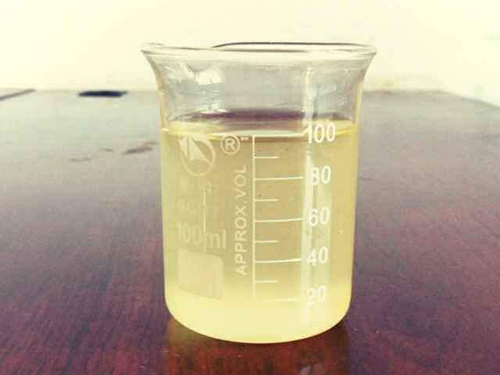
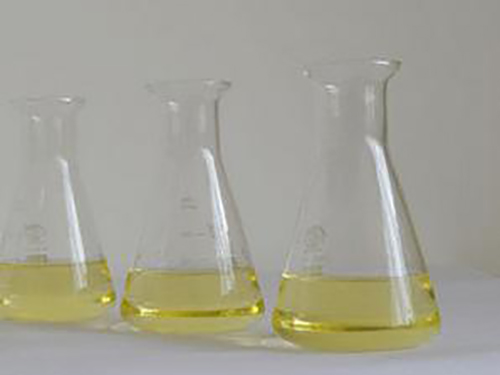
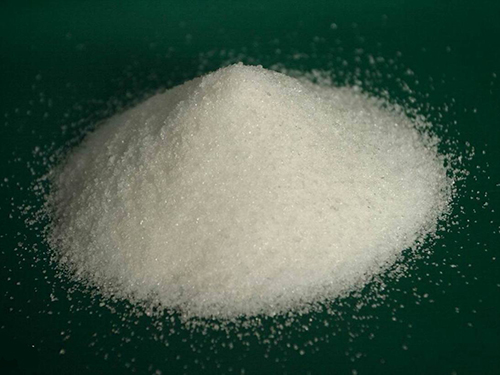
The flexibility of PBTC•Na4 allows it to be used in both liquid and solid forms. The liquid version is ideal for automated dosing systems, while the white crystal powder offers a more concentrated option for long-term storage and reduced shipping costs.
Operational Guidelines for Packaging and Safety Management
Proper storage is vital to maintaining the active content of PBTC•Na4. The solid form is prone to deliquescence, meaning it absorbs moisture from the air, which can lead to clumping and reduced efficacy. It is recommended to store powder in a shady, dry room for up to one year, ensuring bags are tightly sealed. The liquid form, typically supplied in 200L drums or 1000L IBC tanks, has a stable shelf life of ten months under similar conditions.
From a safety perspective, PBTCA·Na4 is weakly alkaline. While it is not highly aggressive, operational personnel should employ standard labor protection. Direct contact with skin or eyes should be avoided; in the event of contact, the affected area must be rinsed with plenty of water immediately. Following these safety protocols ensures a secure working environment in chemical processing plants.
Technical Specification and Performance Index
| Analysis Item | Liquid Specification | Solid Specification | Performance Impact |
|---|---|---|---|
| Appearance | Colorless to yellowish liquid | White crystal powder | Solubility & Handling |
| Active Content (as PBTC•Na4) | 40.0% min | 85.0% min | Scaling Inhibition Power |
| Total Phosphoric Acid (PO4 3-) | 10.5% min | 22.5% min | Chemical Stability |
| pH (1% Solution) | 9.0 - 12.0 | 4.0 - 6.0 | System Compatibility |
| Density (20°C) | 1.35 g/cm3 min | N/A | Dosing Calculation |
Evaluating Supplier Capabilities for Specialized Water Chemicals
When selecting a supplier for PBTC•Na4, technical support is as important as the product itself. Hebei Longke Water Treatment Co., Ltd. integrates scientific research with production, operating dedicated chemical analysis and instrument rooms. This allows for routine water quality analysis and dynamic simulation experiments, ensuring that the chemical dosage is optimized for the specific water chemistry of the client's site.
A reliable manufacturer must provide consistent active content across batches. Fluctuations in the percentage of PBTCA can lead to unexpected scaling in cooling systems, resulting in costly downtime. By utilizing a modern joint-stock enterprise model, Longke ensures that its production processes meet the rigorous demands of the refining and electric power industries across China and global markets.
Procurement Strategies for Industrial Scale Inhibitors
Industrial buyers should look beyond the initial unit price and consider the "cost-per-cycle." A higher purity product with a higher active content often reduces the total volume of chemical required, lowering shipping costs and reducing the frequency of dosing interventions. For those managing large-scale sewage treatment or circulating systems, the synergy between PBTC•Na4 and other agents like organophosphines determines the overall efficiency.
The trend in water treatment is moving toward "composite stabilization." Rather than relying on a single agent, engineers are combining PBTC•Na4 with copolymers and imidazole. This approach addresses the complexities of high-hardness water and ensures that the corrosion inhibition remains active even under extreme alkaline conditions, providing a more sustainable and cost-effective maintenance strategy.
Frequently Asked Questions about PBTC•Na4
What makes PBTC•Na4 superior to standard organophosphines?
PBTC•Na4 contains both phosphonic and carboxylic acid groups, granting it superior scale inhibition and corrosion protection at higher temperatures and in more alkaline environments than traditional organophosphines.
Can PBTC•Na4 be used in systems with high chlorine levels?
Yes, one of the key advantages of PBTC•Na4 is its excellent chlorine oxidation tolerance, allowing it to remain effective in water systems where chlorine is used for microbial control.
How should the powder form be stored to avoid degradation?
The powder is easy to deliquesce; it must be stored in a shady, dry room in tightly sealed packaging to prevent moisture absorption, with a recommended shelf life of one year.
Which industries typically benefit most from this chemical?
It is primarily used in refining, the chemical industry, electric power plants, steel mills, and oilfield refill water systems due to its ability to handle high hardness and high temperatures.
What is the purpose of using PBTC•Na4 with zinc salts?
PBTC•Na4 acts as an excellent stabilizer for zinc salts, improving their solubility and preventing them from precipitating, which enhances the overall corrosion inhibition of the system.
Does the flocculant price affect the choice of a scale inhibitor like PBTC•Na4?
While they are different chemicals, budget allocations for water treatment are often holistic. However, the technical requirements for scale inhibition are separate from flocculation, and PBTC•Na4 is chosen based on its specific anti-scaling properties.
Technical References
- Environmental Protection Agency - Water Treatment Standards
- ScienceDirect - Research on Phosphonate Scale Inhibitors
- WaterWorld - Industrial Cooling Water Management
- NIST - Chemical Property Database
For companies seeking high-performance scale and corrosion inhibitors, selecting a partner with integrated R&D and analysis capabilities is key. Hebei Longke Water Treatment Co., Ltd. provides the technical expertise and product consistency required for critical industrial water systems.
Related Technical Solutions