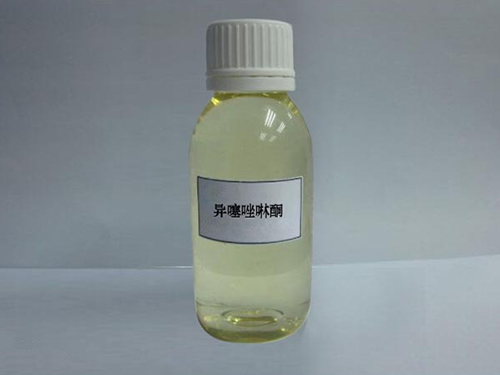

Specialized Chemical Agents for Industrial Water Systems
Integrating precision chemistry to prevent scale, corrosion, and sedimentation in diverse Paraguayan industrial environments.
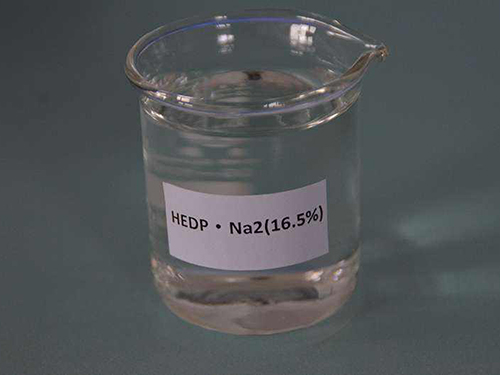
Disodium Salt of 1-Hydroxy Ethylidene-1,1-Diphosphonic Acid(HEDP•Na2)

LK-1100 Acrylic Homopolymer

LK-318 Scale and Corrosion Inhibitor for Power Plant
Addressing Water Chemistry Challenges in Paraguay
A strategic analysis of procurement needs and operational hurdles in the local chemical manufacturing sector.
Paraguay's industrial landscape, characterized by its growing manufacturing hubs, faces unique water quality challenges. The regional geography and variable water mineral content often necessitate the use of a robust chemical antiscalant to prevent deposition in cooling towers and boilers, ensuring operational continuity.
Local buyers in the specialty chemical sector increasingly prioritize efficiency and stability. There is a growing demand for precise agents like the chemical chelating agent to manage heavy metal ions and improve the purity of chemical synthesis processes within the domestic production lines.
Procurement strategies in the region are shifting toward long-term stability and technical reliability. Companies are seeking integrated technical services, including dynamic simulation and water quality analysis, to optimize the dosage of a dispersant, thereby reducing chemical waste and operational costs.
Evolution of Industrial Water Treatment
Tracing the transition from basic filtration to advanced molecular polymer application.
Market Development History
-
Early Adoption Stage
Focus on basic sedimentation and primary coagulation using inorganic salts to manage bulk impurities in industrial wastewater. -
Technology Standardization Stage
Introduction of specialized polymers and synthetic agents to provide targeted scale inhibition and improved corrosion protection. -
Current Integration Stage
Adoption of complex organic polymers like hpma polymer for high-temperature stability and synergistic chemical treatment.
Future Development Trends
- Sustainability — Moving toward biodegradable and phosphorus-free agents to meet stricter environmental discharge norms.
- Customization — Shifting from generic chemical supply to tailored formulations based on real-time water quality analysis.
- Energy Efficiency — Utilizing advanced antiscalants to maintain optimal heat transfer, directly reducing energy consumption.
Strategic Trends in Water Treatment Chemistry
Analyzing the shift toward precision dosing and molecular engineering.
Molecular Optimization
Increasing use of targeted polymers to replace broad-spectrum chemicals, reducing dosage and environmental impact.
Procurement Digitalization
Transition to data-driven supply chains to ensure consistent chemical purity and just-in-time delivery for large plants.
Operational Stability
Implementing dynamic simulation and stable static screening to predict chemical performance under fluctuating loads.
Regulatory Alignment
Adapting chemical formulations to comply with international environmental standards for wastewater treatment.
Future Outlook for Specialized Chemical Manufacturing
The next five years will likely see a shift toward "smart chemistry," where the selection of a flocculant or scale inhibitor is guided by real-time sensor data. This transition will move the industry from reactive treatment to predictive prevention, significantly reducing downtime in the refining and power sectors.
From a business perspective, this means that suppliers who can provide not just the product, but also the analytical capability—such as water quality analysis and simulation—will hold a significant competitive advantage in the Paraguayan market.
Industrial Application Scenarios in Paraguay
Practical implementations of water treatment chemistry across key regional sectors.
1
Chemical Fertilizer Production
Utilizing a high-efficiency dispersant to prevent mineral scaling in high-concentration nutrient solutions and cooling systems, maintaining heat exchange efficiency.
2
Refining and Petrochemical Plants
Application of a robust chemical antiscalant in process water circuits to inhibit calcium carbonate and sulfate scales under high-temperature conditions.
3
Municipal Sewage Treatment
Implementing a high-molecular-weight flocculant to accelerate the separation of suspended solids from water, increasing the throughput of treatment plants.
4
Electric Power Generation
Using hpma polymer in circulating cooling water systems to prevent scale buildup on condenser tubes, optimizing thermal efficiency.
5
Steel Manufacturing Process Water
Deploying a chemical chelating agent to manage metal ions in recycled water, preventing oxidation and protecting equipment surfaces from corrosion.
About Hebei Longke Water Treatment Co., Ltd.
A commitment to quality and scientific precision in global water treatment solutions.
Start
Company Foundation
Establishment as a Modern Joint-Stock Enterprise
Founded as an integrated entity combining scientific research, production, and service, focusing on the development of specialized scale and corrosion inhibitors.
Grow
Capability Expansion
Advanced Analytical Infrastructure Development
Established professional chemical analysis and instrument rooms to provide routine water quality analysis, dynamic simulation, and stable static screening services.
Global
Market Presence
Global Distribution and Quality Recognition
Expanded sales across 18 provinces in China and into international markets worldwide, delivering proven results in refining, power, and sewage treatment sectors.
Chemical Solutions for Paraguayan Industrial Requirements
Our comprehensive portfolio of scale inhibitors, dispersants, and flocculants designed for regional water conditions.
Technical FAQ: Water Treatment in Paraguay
Expert answers to common technical and procurement questions regarding industrial chemicals.
How do I choose the right flocculant for municipal wastewater in Paraguay?
Selection depends on the suspended solids' charge and concentration. We recommend starting with a jar test and stable static screening to determine the optimal molecular weight and ionic charge of the polymer required for the specific water chemistry.
What is the primary advantage of using hpma polymer over traditional antiscalants?
HPMA polymer offers superior thermal stability and higher tolerance to calcium hardness. It effectively inhibits scale formation even in high-temperature environments, which is critical for power plants and refining processes.
Can a chemical chelating agent be used to prevent corrosion in steel plants?
Yes, chelating agents bind to metal ions that would otherwise catalyze oxidation. By sequestering these ions, they reduce the rate of corrosion on metallic surfaces in recirculating water systems.
How should a dispersant be dosed in an industrial cooling tower?
Dosing should be based on the cycles of concentration (COC) and the total dissolved solids (TDS) of the water. A combination of routine water quality analysis and dynamic simulation is the most effective way to determine the minimum effective dose.
What procurement considerations are important for importing water chemicals to Paraguay?
Buyers should prioritize suppliers who provide comprehensive technical data sheets, purity certifications, and the ability to perform pre-shipment water quality screening to ensure the product is compatible with local water chemistry.
Does Hebei Longke provide technical support for customized formulations?
Yes, our company integrates scientific research with production. We utilize our instrument and analysis rooms to provide technical services, including stable static screening and customized product recommendations based on client water samples.
Optimize Your Industrial Water Systems in Paraguay
Consult with our technical experts to determine the most effective polymer and chelating agent combinations for your specific operational requirements.
Contact Us Now