Specialized Chemical Agents for Austrian Industry
Engineered chemical solutions designed to prevent scaling, corrosion, and sediment buildup in demanding industrial environments.
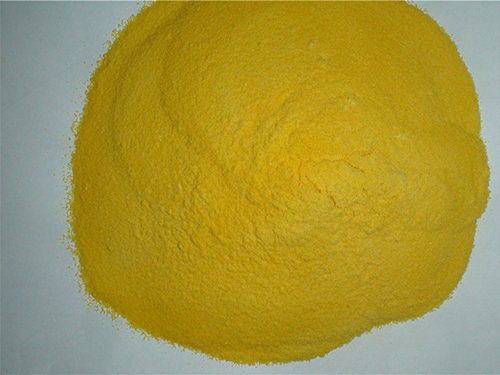
PAC Poly Aluminum Chloride
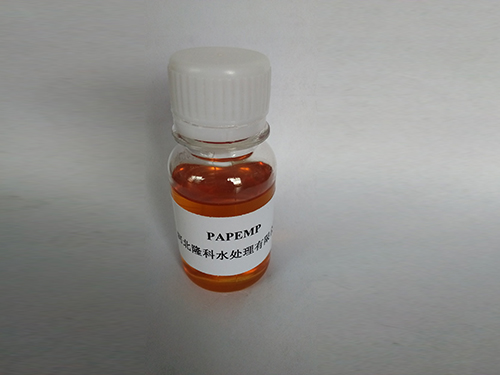
Polyamino Polyether Methylene Phosphonic Acid(PAPEMP)

LK-318 Scale and Corrosion Inhibitor for Power Plant
Optimizing Water Chemistry for Central European Manufacturing
Addressing the unique operational challenges of water treatment in the Austrian industrial landscape.
Austria's diverse industrial geography, from Alpine regions to urban hubs, presents varied water hardness and mineral profiles. This requires highly adaptable dispersant technology to prevent mineral precipitation in heat exchangers and cooling towers, ensuring thermal efficiency remains constant regardless of regional water fluctuations.
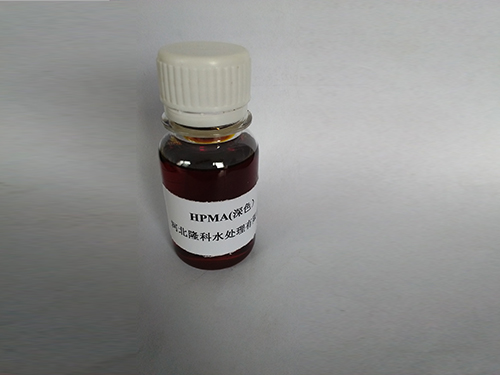
Local procurement trends in the Austrian chemical sector emphasize a shift toward high-stability polymers. Industrial operators are increasingly seeking an efficient hpma polymer to handle high-alkalinity waters, reducing the frequency of system blowdowns and minimizing the overall chemical footprint of the facility.
Compliance with strict European environmental standards means that Austrian facilities prioritize biodegradable and low-toxicity agents. Implementing a precise chemical chelating agent allows for effective metal ion sequestration without compromising the ecological integrity of local wastewater discharge zones.
Evolution of Industrial Scale and Sediment Control
Tracing the shift from basic chemical dosing to precision polymer engineering in water treatment.
Developmental Trajectory
-
Conventional Chemical Dosing
Early reliance on simple inorganic salts and basic phosphates for scale prevention, often requiring high dosages with significant environmental impact. -
Polymer Integration Stage
Introduction of synthetic polymers like polyacrylates to provide better dispersion and threshold inhibition, allowing for higher cycles of concentration. -
Precision Molecular Engineering
Current use of targeted agents such as flocculant and specialized copolymers designed for specific mineral scales and high-temperature stability.
Forward-Looking Trends
- Eco-Compatible Formulations — Transitioning toward phosphorus-free and biodegradable polymers to meet evolving EU water directives.
- Synergistic Blending — Combining chelating agents with antiscalants in a single formulation to reduce dosing complexity and cost.
- Dynamic Dosage Control — Integrating real-time water quality sensors with automated chemical injection for optimized consumption.
Strategic Shifts in Water Treatment Technology
Analyzing the drivers of efficiency and sustainability in modern chemical water treatment.
Polymer Specialization
Moving toward tailor-made copolymers that offer superior performance in extreme pH and temperature ranges.
Resource Circularity
Optimizing water recovery rates in industrial loops to reduce freshwater intake and effluent discharge.
Precision Sequestration
Utilizing advanced chelants to remove specific trace metals that act as catalysts for corrosion.
Operational Cost Reduction
Lowering the Total Cost of Ownership (TCO) by reducing chemical waste and increasing equipment lifespan.
Industrial Outlook for Water Treatment
The trajectory of the Austrian specialty chemicals market is heavily influenced by the drive toward "Green Industry." We anticipate that the demand for multifunctional agents—those combining scaling inhibition, dispersion, and corrosion protection—will grow as plants seek to simplify their chemical inventories while maintaining rigorous performance standards.
From a commercial perspective, the integration of high-efficiency polymers will enable plants to operate at higher concentration cycles, significantly reducing the cost of water procurement and the energy required for heating makeup water, creating a direct link between chemical selection and energy efficiency.
Localized Applications in Austria
Practical implementation of specialized chemical agents across diverse industrial sectors.
1
Steel and Metal Processing Plants
Implementation of high-temperature stable antiscalants in cooling loops to prevent calcium carbonate and sulfate buildup, ensuring optimal heat transfer in furnace cooling systems.
2
Chemical Fertilizer Production
Use of specialized dispersants to maintain slurry stability and prevent the fouling of piping and reaction vessels during the synthesis of nitrogenous fertilizers.
3
Municipal Wastewater Treatment
Application of high-molecular-weight flocculants to accelerate the separation of suspended solids and organic matter, improving effluent quality for river discharge.
4
Power Generation Cooling Towers
Deploying HPMA polymers to manage high-cycle cooling water, reducing the volume of blowdown water and preventing the accumulation of silica and carbonate scales.
5
Refinery Process Water
Integrating chemical chelating agents to sequester heavy metals and prevent oxidative corrosion in complex refinery heat exchange networks.
About Hebei Longke Water Treatment Co., Ltd.
A modern joint-stock enterprise integrating scientific research, production, and technical service.
Est
Company Foundation
Establishment of Research and Production
Founded as a comprehensive entity in Xingtai City, Hebei Province, focusing on the integration of scientific research and chemical manufacturing to serve the water treatment industry.
Exp
Capability Expansion
Development of Advanced Analysis Centers
Established dedicated chemical analysis and instrument rooms to provide routine water quality analysis and dynamic simulation experiments for circulating cooling water.
Glo
Current Position
Global Market Integration
Expanded presence from domestic leadership across 18 Chinese provinces to serving global markets, providing a full portfolio of scale inhibitors, corrosion inhibitors, and sewage treatment agents.
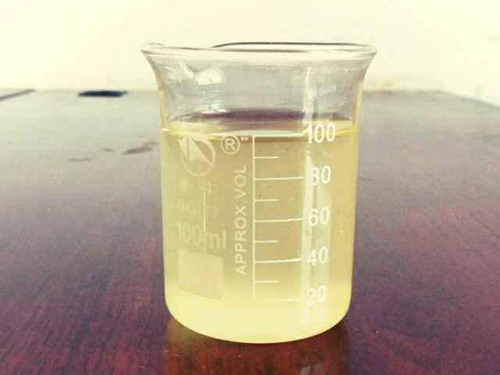
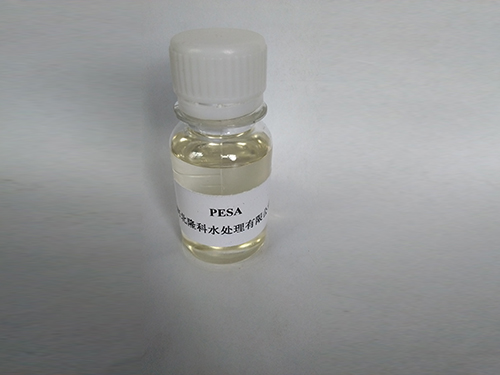
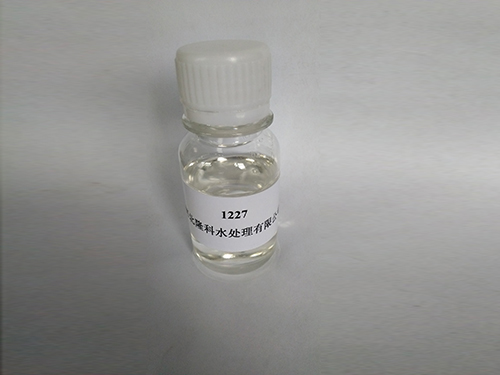
Water Treatment Portfolio for Austrian Industry
Comprehensive chemical solutions designed to meet the stringent performance and environmental requirements of Central European manufacturing.
Industrial Water Treatment FAQ
Technical guidance on selecting and applying specialized chemical agents.
How do I choose between a dispersant and a chemical antiscalant?
Antiscalants prevent crystals from forming by interfering with the nucleation process, while dispersants keep already formed micro-particles suspended to prevent them from adhering to surfaces. For systems with high mineral content, a combination of both is typically recommended to ensure total protection.
What makes hpma polymer suitable for high-alkalinity industrial water?
HPMA polymers possess strong calcium carbonate inhibition and high thermal stability. They remain effective in alkaline environments where other polymers might degrade, making them ideal for high-cycle cooling systems in power plants and refineries.
How does a chemical chelating agent differ from a standard scale inhibitor?
Chelating agents form strong complexes with metal ions (like Ca2+ or Mg2+), effectively removing them from the water's reactivity. Scale inhibitors typically work through threshold inhibition or crystal modification without necessarily removing the ions from the solution.
Which flocculant is best for industrial wastewater in Austrian manufacturing?
The selection depends on the charge of the suspended solids. Anionic flocculants are generally used for organic loads and clay, while cationic flocculants are better for protein-rich or highly charged waste. A jar test is required to determine the exact molecular weight and charge density needed.
What are the main considerations for procuring water treatment chemicals in Austria?
Procurement should prioritize REACH compliance and environmental safety. Additionally, consider the supplier's ability to provide technical support, such as water quality analysis and simulation experiments, to ensure the chemistry is optimized for your specific water profile.
Can Hebei Longke provide customized chemical formulations?
Yes. By utilizing our chemical analysis and instrument rooms, we can conduct stable static screening and dynamic simulations to develop tailored dosages and formulations based on the specific circulating cooling water quality of your facility.
Consult Our Water Treatment Specialists
Optimize your industrial efficiency in Austria with precision-engineered scale and corrosion inhibitors. Contact us to discuss your technical requirements and water quality challenges.
Contact Us Now