Advanced Industrial Water Treatment Solutions with hpma polymer in Egypt

Optimizing chemical processes and water recovery for Egypt's manufacturing sector through high-performance specialty chemicals.

Advanced Industrial Water Treatment Solutions with hpma polymer in Egypt

Providing the Egyptian industrial landscape with cutting-edge chemical agents to combat scale, dispersion issues, and effluent challenges in harsh arid climates.

The State of Specialty Chemical Manufacturing in Egypt

Addressing water scarcity and mineral hardness in the Nile Delta and Suez Canal zones.

Egypt's manufacturing sector faces unique challenges due to high salinity in groundwater and the extreme evaporation rates typical of the North African climate. This necessitates the heavy use of chemical antiscalant agents to prevent calcium carbonate and sulfate buildup in boilers and cooling towers.

Industrial hubs in Cairo and Alexandria are increasingly shifting toward high-efficiency dispersant technology to maintain pipeline integrity and reduce downtime. The demand is driven by the need to process high-mineral-content water without sacrificing equipment lifespan.

Furthermore, the stringent environmental regulations regarding the Nile River have pushed factories to integrate professional flocculant systems for rapid wastewater clarification, ensuring that industrial discharge meets national purity standards.
Evolution of Chemical Treatment in Egypt

From traditional mineral salts to high-performance synthetic polymers.

Market Development History

Prior to 2010, the Egyptian market relied heavily on basic phosphate-based treatments. These were effective for simple scale prevention but lacked the efficiency required for the complex water chemistry of the region.

Between 2010 and 2020, there was a significant transition toward organic polymers. The introduction of chemical chelating agent formulations allowed for better heavy metal sequestration in the textile and tanning industries of Egypt.

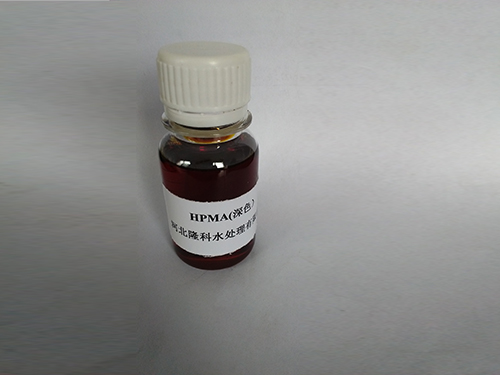
Since 2021, the market has entered the era of "Smart Chemistry," characterized by the adoption of tailored polymers like HPMA, which provide superior thermal stability and calcium inhibition compared to traditional acrylics.

Future Development Trends

Biodegradable Polymer Integration

Shift toward green chemistry to reduce the environmental footprint of industrial runoff into the Mediterranean.

Precision Dosing Automation

Integration of IoT sensors with chemical feed systems to optimize the use of antiscalants in real-time.

High-Temperature Stability

Development of chemicals capable of maintaining structural integrity in Egypt's extreme summer industrial heat.

Industry Trends and Future Outlook

Driving Efficiency through Chemical Innovation in Egypt

Zero Liquid Discharge (ZLD)
Implementing advanced polymers to enable total water recycling in Egyptian factories.
Synergistic Formulations
Combining chelating agents and antiscalants for multi-mineral inhibition.
Energy Reduction
Reducing boiler fuel consumption by maintaining scale-free heat exchange surfaces.
Regulatory Compliance
Aligning with Egyptian Ministry of Environment standards for wastewater.

Industry Outlook

Over the next 3-5 years, the search trend in the MENA region indicates a sharp rise in demand for specialty polymers that offer dual-action inhibition. The integration of hpma polymer will likely become the industry standard for high-pressure boiler systems in Egypt.

We anticipate a transition toward "circular chemical economies" where the recovery of precious metals through advanced chelating processes becomes a secondary revenue stream for Egyptian manufacturers.

Local Application Scenarios in Egypt

Practical implementation of specialty chemicals across Egypt's key industries.

1. Nile Delta Textile Dyeing Plants

Using specialized chemical chelating agent to remove metal ions from process water, preventing dye spotting and improving color vibrancy in cotton fabrics.

2. Suez Canal Industrial Zone Desalination

Application of high-efficiency chemical antiscalant in Reverse Osmosis (RO) membranes to prevent seawater mineral scaling and extend membrane life.

3. Cairo Municipal Wastewater Treatment

Deployment of high-molecular-weight flocculant to accelerate the sedimentation of suspended solids in urban waste streams.

4. Alexandria Petrochemical Cooling Towers

Implementing advanced dispersant solutions to prevent sludge accumulation in heat exchangers exposed to humid coastal air.

5. Upper Egypt Fertilizer Production

Utilizing hpma polymer in high-temperature process water to inhibit calcium carbonate scale in industrial evaporators.

Brand Story

Global Development Journey of Hebei Longke Water Treatment Co., Ltd.

Foundational Innovation

Established with a mission to solve the most complex industrial scaling problems through rigorous R&D in polymer science.

Specialization Breakthrough

Developed a proprietary line of HPMA and acrylic polymers that outperformed traditional market alternatives in thermal stability.

Global Market Expansion

Expanded our footprint into the MENA region, specifically adapting formulas for the unique water chemistry of Egypt.

Sustainability Commitment

Launched a series of phosphorus-free and biodegradable chemicals to support global "Green Industry" initiatives.

Industrial Leadership

Now recognized as a leading partner for specialty chemicals, solving critical pain points in water recovery and scale inhibition.

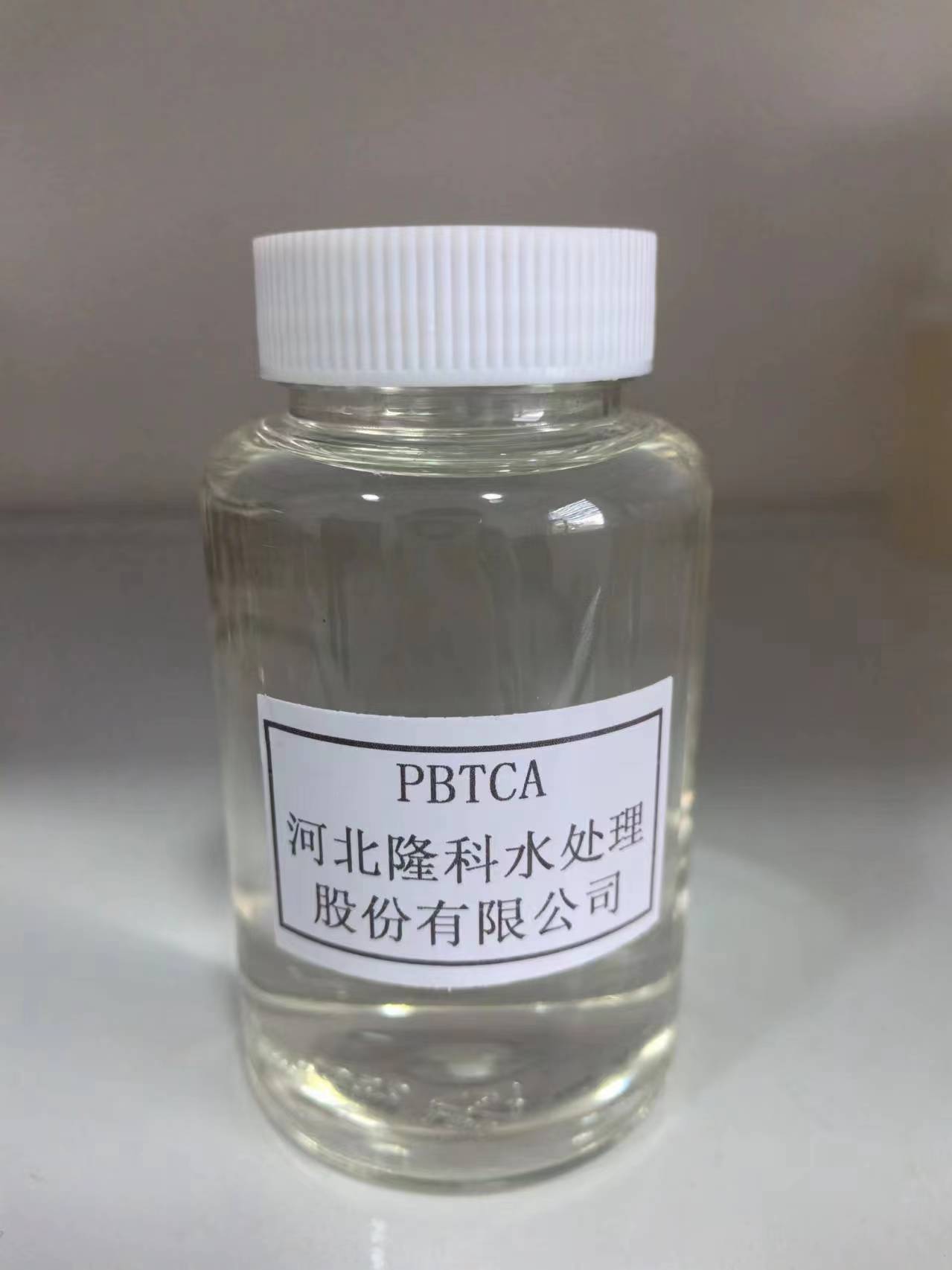
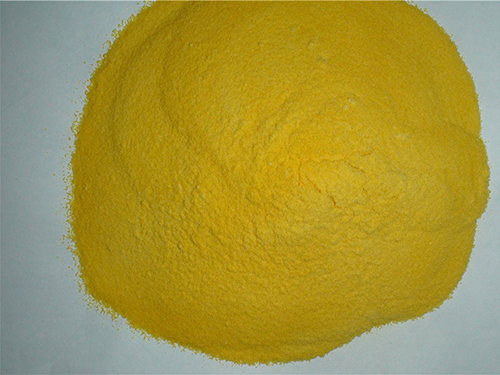
Complete Chemical Portfolio for Egypt Industrial Market

A comprehensive range of specialty polymers and chelating agents tailored for North African water conditions.

Industrial Water Treatment FAQs - Egypt

Technical answers for the Egyptian manufacturing sector.

How does hpma polymer perform in high-temperature Egyptian boilers?

HPMA polymer offers exceptional thermal stability, preventing the precipitation of calcium salts even at temperatures exceeding 200°C, which is critical for Egypt's heavy industrial boilers.

Which flocculant is best for treating Nile River sediment?

Depending on the turbidity, an anionic or cationic flocculant can be used. We recommend a tailored polyacrylamide-based solution to handle the specific silt profiles of the Nile.

Can a chemical chelating agent reduce water consumption in textiles?

Yes, by sequestering hard water ions, chelating agents prevent mineral interference, reducing the number of rinse cycles required and thus saving significant amounts of water.

What is the difference between a dispersant and an antiscalant?

An antiscalant prevents the crystal from forming, while a dispersant keeps already formed particles suspended in the water so they can be flushed out of the system.

How to choose the right chemical antiscalant for RO membranes in Egypt?

The choice depends on the LSI (Langelier Saturation Index) of the feed water. For high-sulfate waters common in some Egyptian regions, specialized phosphonate-free antiscalants are ideal.

Are these specialty chemicals compliant with Egyptian environmental laws?

Our products are formulated to meet international and local standards, ensuring that treated effluent does not introduce harmful pollutants into the local ecosystem.

Expert Chemical Consultation for Egypt

Optimize your industrial water processes with the leading specialty chemical manufacturer in Egypt.

Contact Us Now

If you are interested in our products, you can choose to leave your information here, and we will be in touch with you shortly.