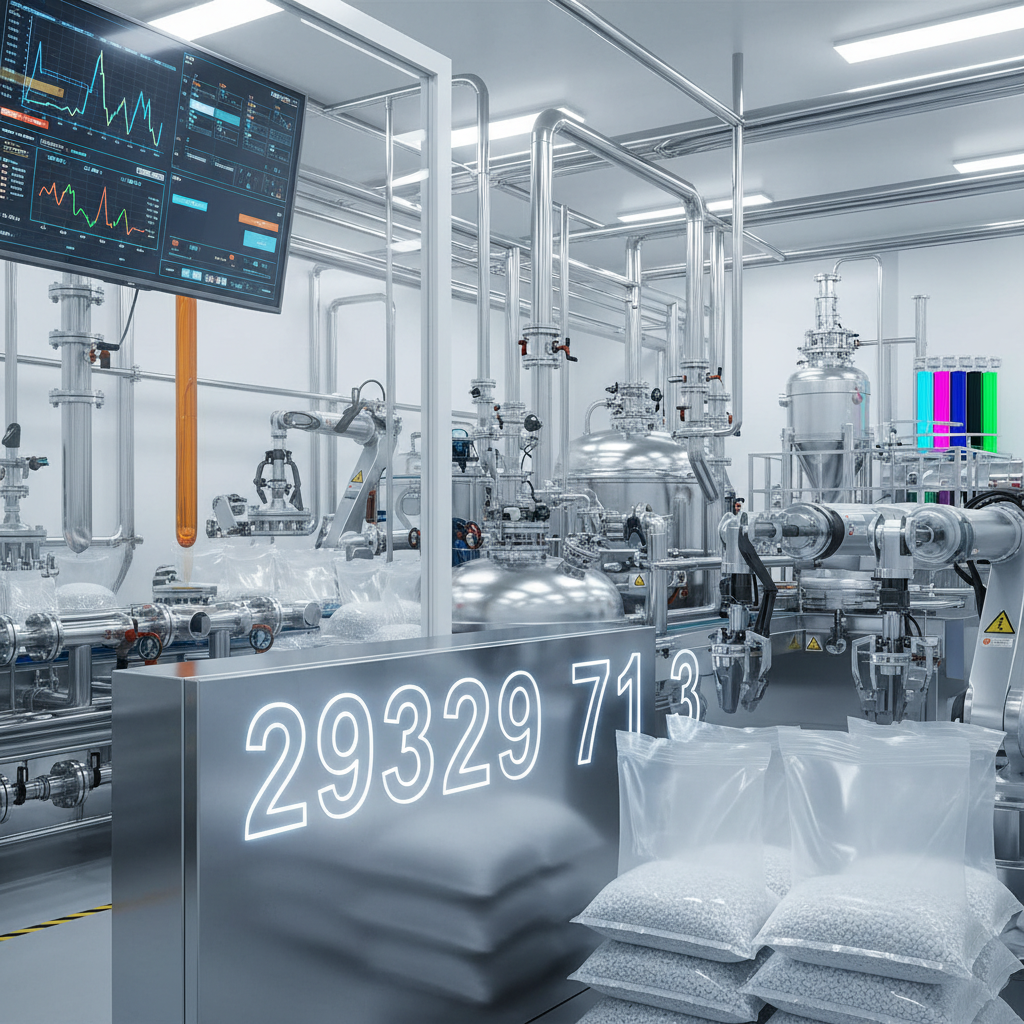
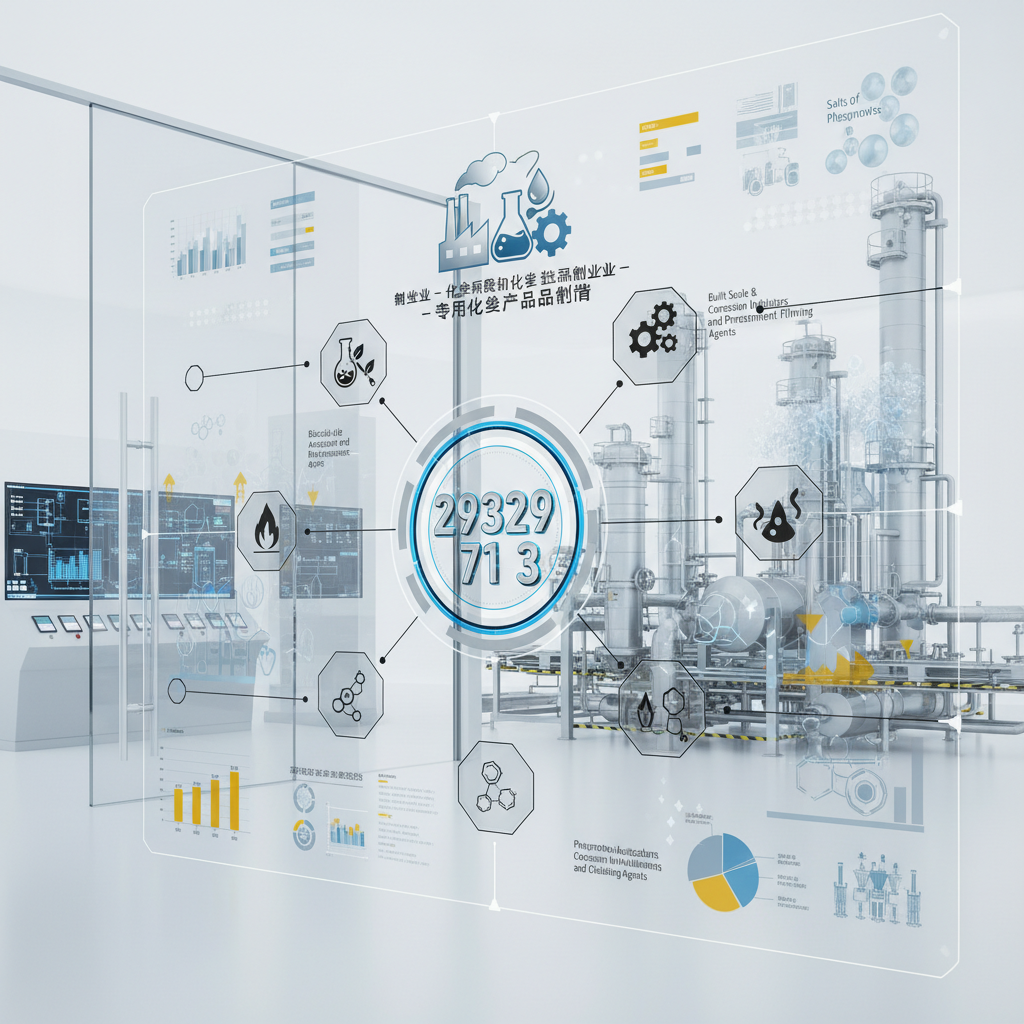
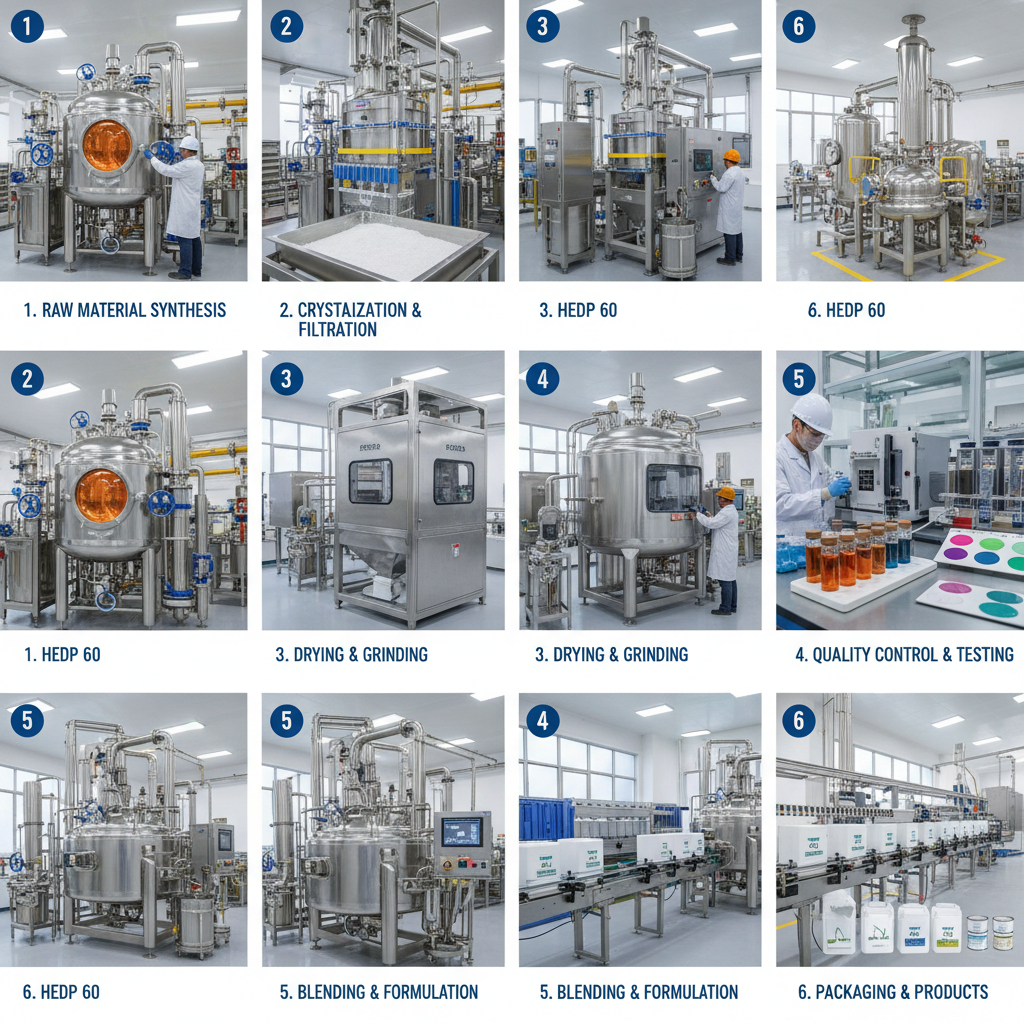
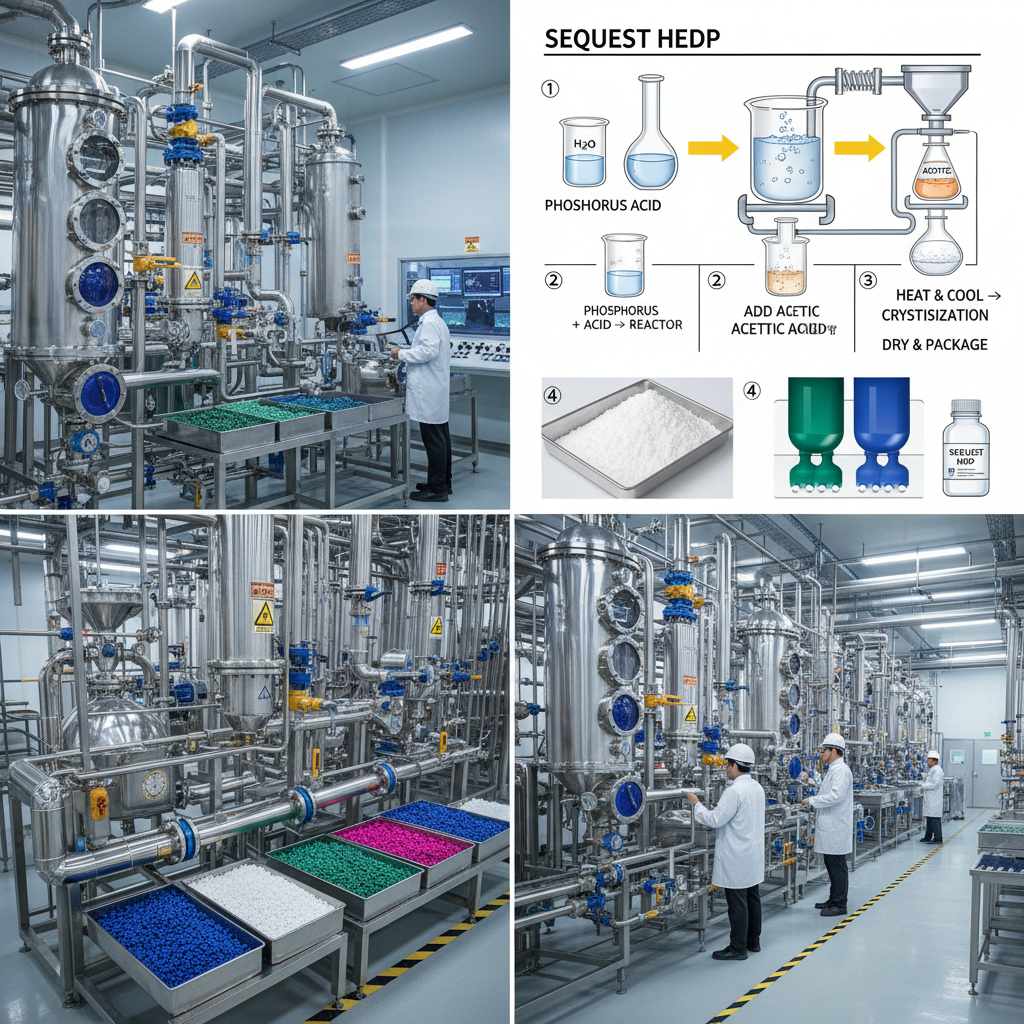
In the complex landscape of specialty chemical manufacturing, the compound identified as 29329 71 3 stands as a pivotal element for industrial efficiency and system longevity. As global industries shift toward more rigorous environmental standards, the demand for high-performance additives that can mitigate scale and corrosion has skyrocketed, making this specific chemical essential for maintaining the integrity of heavy-duty thermal and hydraulic systems.
Understanding the chemical properties and strategic application of 29329 71 3 allows plant managers and engineers to significantly reduce downtime and operational costs. By preventing the accumulation of mineral deposits and oxidative damage, this compound ensures that heat exchangers and cooling towers operate at peak thermodynamic efficiency, which is critical for energy conservation in the modern manufacturing era.
Beyond its immediate technical utility, the adoption of 29329 71 3 reflects a broader industry trend toward "intelligent chemistry," where precision-engineered molecules replace blunt-force chemical treatments. This transition not only enhances the safety of the workforce by reducing the need for hazardous manual descaling but also aligns industrial output with global sustainability goals by extending the lifecycle of expensive capital equipment.
Global Industrial Context of 29329 71 3
The global demand for specialized chemical agents like 29329 71 3 is driven by the relentless expansion of industrial cooling and water treatment sectors. With ISO standards increasingly focusing on resource efficiency and waste reduction, the chemical industry has had to innovate compounds that provide maximum protection with minimal dosage, ensuring that water-intensive industries can operate without compromising local ecosystems.
Statistically, the failure of heat exchange surfaces due to scale and corrosion accounts for a significant percentage of unplanned industrial shutdowns worldwide. By implementing a rigorous regime involving 29329 71 3, enterprises can mitigate these risks, effectively bridging the gap between aging infrastructure and the high-efficiency requirements of the Fourth Industrial Revolution.
Defining the Chemistry of 29329 71 3
In simple technical terms, 29329 71 3 is a high-performance specialty chemical designed to act as a molecular barrier between metal surfaces and corrosive aqueous environments. It functions by altering the crystallization process of minerals, preventing them from adhering to pipes and vessels, while simultaneously forming a microscopic protective film that inhibits oxidative reactions.
This compound is not merely a cleaning agent but a preventative catalyst. In the context of modern humanitarian needs, such as the maintenance of large-scale desalination plants in arid regions, 29329 71 3 ensures that the machinery providing potable water remains operational and free from mineral clogging, thereby safeguarding water security for millions.
From a chemical standpoint, the efficacy of 29329 71 3 lies in its stability across a wide range of pH levels and temperatures. This versatility makes it an indispensable tool for the chemical manufacturing sector, allowing it to be integrated into a variety of product categories, including phosphonates antiscalants and polycarboxylic dispersants.
Core Components and Performance Drivers
The effectiveness of 29329 71 3 is rooted in its molecular durability. Unlike standard inhibitors that degrade quickly under high thermal stress, this compound maintains its structural integrity, ensuring a consistent protective layer that resists the erosive force of high-velocity fluid flow in industrial piping.
Scalability is another critical factor for 29329 71 3. Whether it is being deployed in a small-scale laboratory cooling loop or a massive petrochemical refinery, the chemical maintains a linear performance curve, allowing engineers to calculate precise dosage requirements without worrying about unpredictable chemical volatility.
Finally, the cost-efficiency of 29329 71 3 is realized through its high active-content concentration. By reducing the volume of chemical required to achieve the desired threshold of protection, companies can lower their logistics costs and minimize the footprint of their chemical storage facilities, contributing to a leaner operational model.
Global Applications and Use Cases
In real-world industrial contexts, 29329 71 3 is widely utilized across the Asia-Pacific and European manufacturing hubs. In the oil and gas sector, specifically within remote industrial zones, it is used to treat injection water, preventing the precipitation of salts that could otherwise block deep-well conduits and halt production.
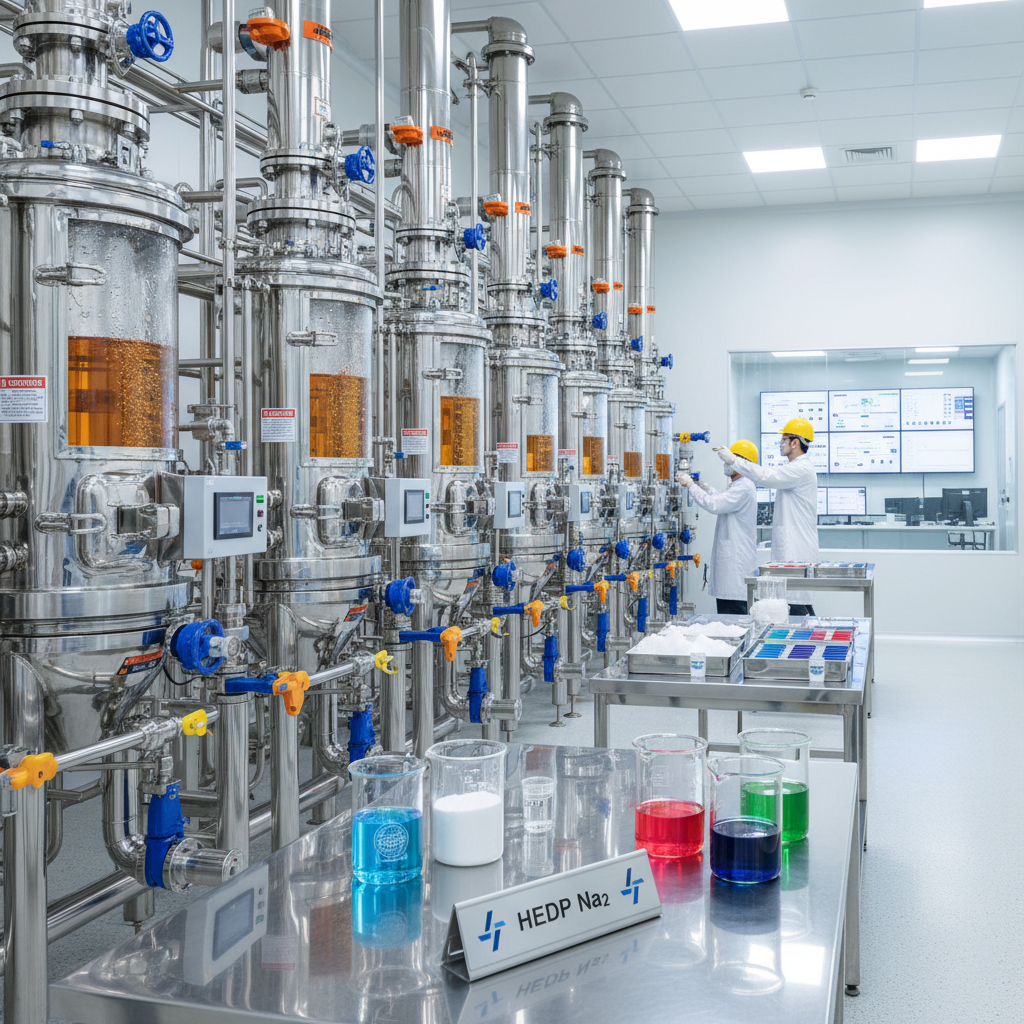
Furthermore, in the pharmaceutical industry, where sterility and precision are paramount, 29329 71 3 is integrated into the pretreatment filming agents of purified water systems. This ensures that the stainless steel surfaces of reactors remain pristine, preventing metallic contamination of the end product and ensuring compliance with stringent FDA and EMA guidelines.
Operational Efficiency of 29329 71 3 Methods
Long-Term Value and Sustainability
The long-term value of 29329 71 3 extends beyond simple equipment protection; it is a cornerstone of industrial sustainability. By drastically reducing the frequency of acid-washing and chemical descaling, companies can minimize the volume of corrosive waste discharged into the environment, thereby reducing their environmental liability and enhancing their corporate social responsibility (CSR) profile.
Moreover, the psychological impact of utilizing a reliable agent like 29329 71 3 cannot be overstated. Plant operators gain a sense of security and trust in their systems, knowing that the risk of catastrophic pipe failure or heat-exchanger rupture is minimized. This reliability fosters a culture of innovation, as engineers can focus on optimizing production rather than managing constant maintenance crises.
Future Trends in Chemical Synthesis
As we move toward "Green Chemistry," the evolution of 29329 71 3 is focusing on biodegradability. Future iterations are expected to incorporate bio-based precursors that maintain the same high-performance inhibition properties while ensuring that any runoff is non-toxic and easily processed by standard biological wastewater treatment plants.
Digital transformation is also intersecting with chemical application. The integration of IoT sensors in cooling loops now allows for the real-time monitoring of 29329 71 3 concentrations. This "smart dosing" ensures that the chemical is applied only when needed, further reducing waste and maximizing the efficiency of the treatment process.
Additionally, automation in the synthesis of 29329 71 3 is enabling more precise molecular tailoring. By using AI-driven catalyst selection, manufacturers can tweak the structure of the compound to specifically target the mineral composition of a particular region's water source, creating "localized" versions of the chemical for maximum efficacy.
Technical Challenges and Expert Solutions
Despite its advantages, the implementation of 29329 71 3 can face challenges, such as incompatibility with certain legacy polymers or unexpected interactions with specific biocides. In some cases, an improper mixing sequence can lead to localized precipitation, which paradoxically increases the risk of clogging in narrow-bore tubing.
To overcome these limitations, experts recommend a comprehensive water chemistry audit prior to deployment. By analyzing the total dissolved solids (TDS) and the specific alkalinity of the system, the dosage of 29329 71 3 can be balanced with complementary dispersants, ensuring a synergistic effect that eliminates incompatibility.
Another innovative approach involves the use of staged injection points. Instead of a single dosage point, applying 29329 71 3 at multiple intervals along a complex piping network prevents the "concentration gradient" effect, ensuring that every section of the infrastructure receives an equal level of protection.
Technical Analysis of 29329 71 3 Performance Dimensions
| Performance Metric |
Standard Grade |
Premium Grade |
Efficiency Score |
| Scale Inhibition |
Moderate |
Excellent |
9.5 |
| Thermal Stability |
Up to 80°C |
Up to 150°C |
8.8 |
| Corrosion Rate Reduction |
60% Reduction |
92% Reduction |
9.0 |
| Biodegradability |
Low |
Medium-High |
7.2 |
| Dosage Frequency |
Weekly |
Monthly |
8.5 |
| pH Adaptability |
Narrow (6-8) |
Wide (4-11) |
9.2 |
FAQS
Unlike traditional agents that only sequester minerals, 29329 71 3 uses a threshold inhibition mechanism. It modifies the crystal growth of scale-forming salts, keeping them in a dispersed state even at concentrations exceeding their solubility limit, which allows for much higher cycles of concentration in cooling water.
The longevity depends on the flow velocity and water chemistry. In most industrial settings, a consistent maintenance dose of 29329 71 3 creates a semi-permanent molecular layer. If dosing is interrupted, the film typically remains effective for 7 to 14 days before the underlying metal surface becomes vulnerable to oxidation.
Yes, it is designed to be synergistic with most biocides and flocculants. However, we recommend avoiding the simultaneous injection of strong anionic polymers without a buffer, as they may compete for the same binding sites on the metal surface, potentially reducing the efficiency of 29329 71 3.
While 29329 71 3 is highly effective, its use in potable water depends on local regulatory approvals (such as NSF or FDA). In most cases, it is used in the pretreatment and cooling stages of water plants, ensuring that the machinery remains efficient without directly contaminating the final drinking water supply.
Dosage is typically based on the "Langelier Saturation Index" (LSI) of your water. We recommend starting with a baseline analysis of your water's calcium hardness and alkalinity. Our technical team can then provide a tailored dosing schedule for 29329 71 3 to ensure maximum protection without chemical waste.
To maintain its chemical potency, 29329 71 3 should be stored in a cool, dry environment away from direct sunlight and strong oxidizing agents. Using HDPE containers is recommended to prevent any leachates from the storage vessel from interacting with the active compound.
Conclusion
The strategic integration of 29329 71 3 into industrial water management systems represents a shift toward more sustainable and efficient chemical engineering. By addressing the twin challenges of scale accumulation and metallic corrosion, this compound not only extends the operational lifespan of critical infrastructure but also reduces the environmental impact of industrial maintenance through lower waste and higher energy efficiency.
Looking forward, the continued evolution of 29329 71 3 toward bio-based and digitally-monitored applications will further empower manufacturers to reach their net-zero goals. We encourage industrial operators to conduct a comprehensive system audit and explore how this advanced chemical solution can optimize their production cycles. Visit our website for more information: www.lkpbtc.com