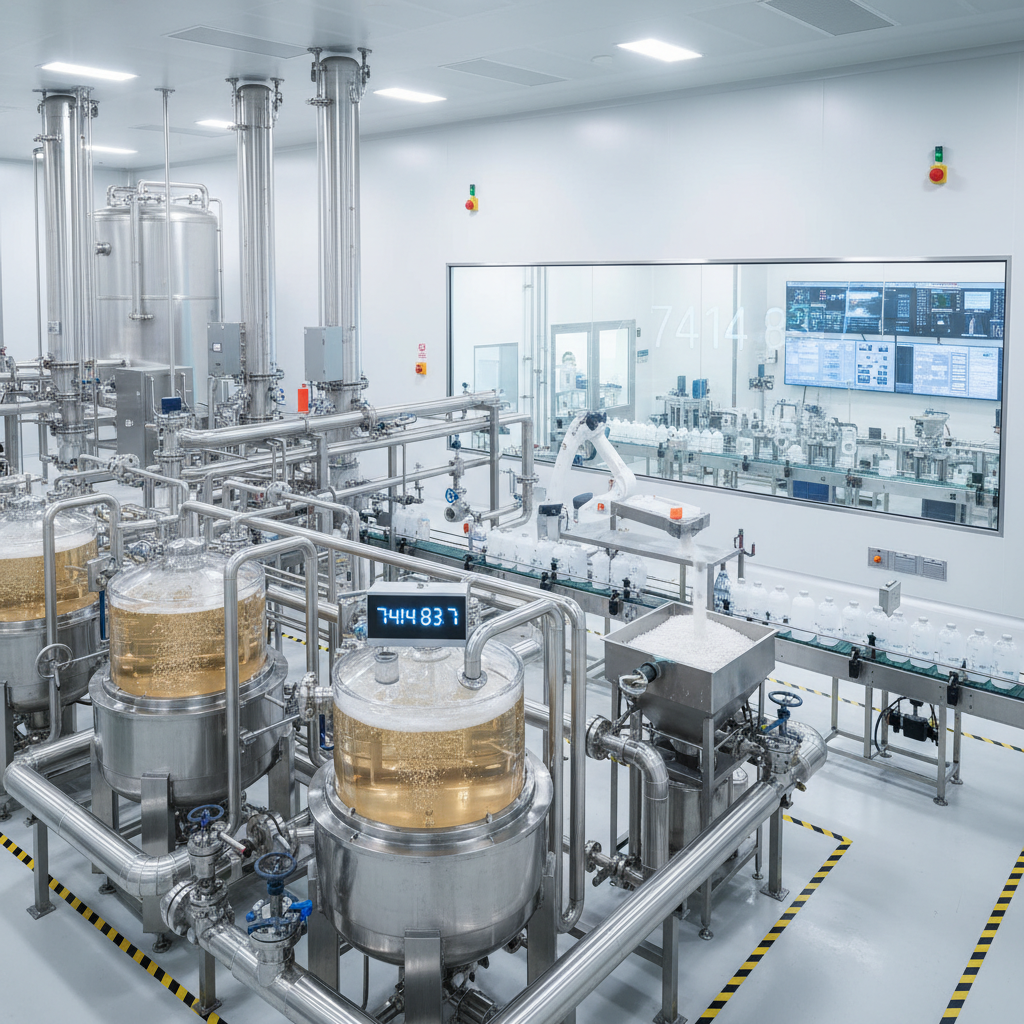
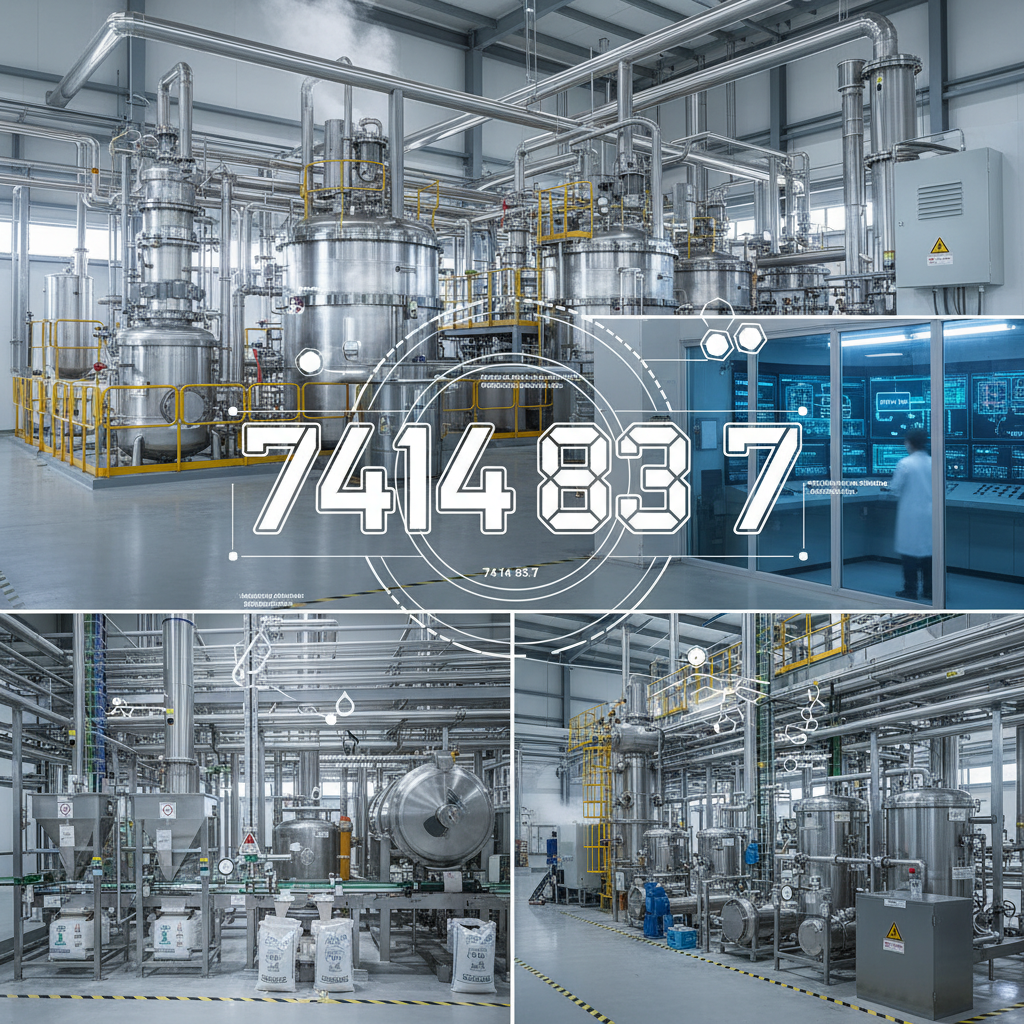
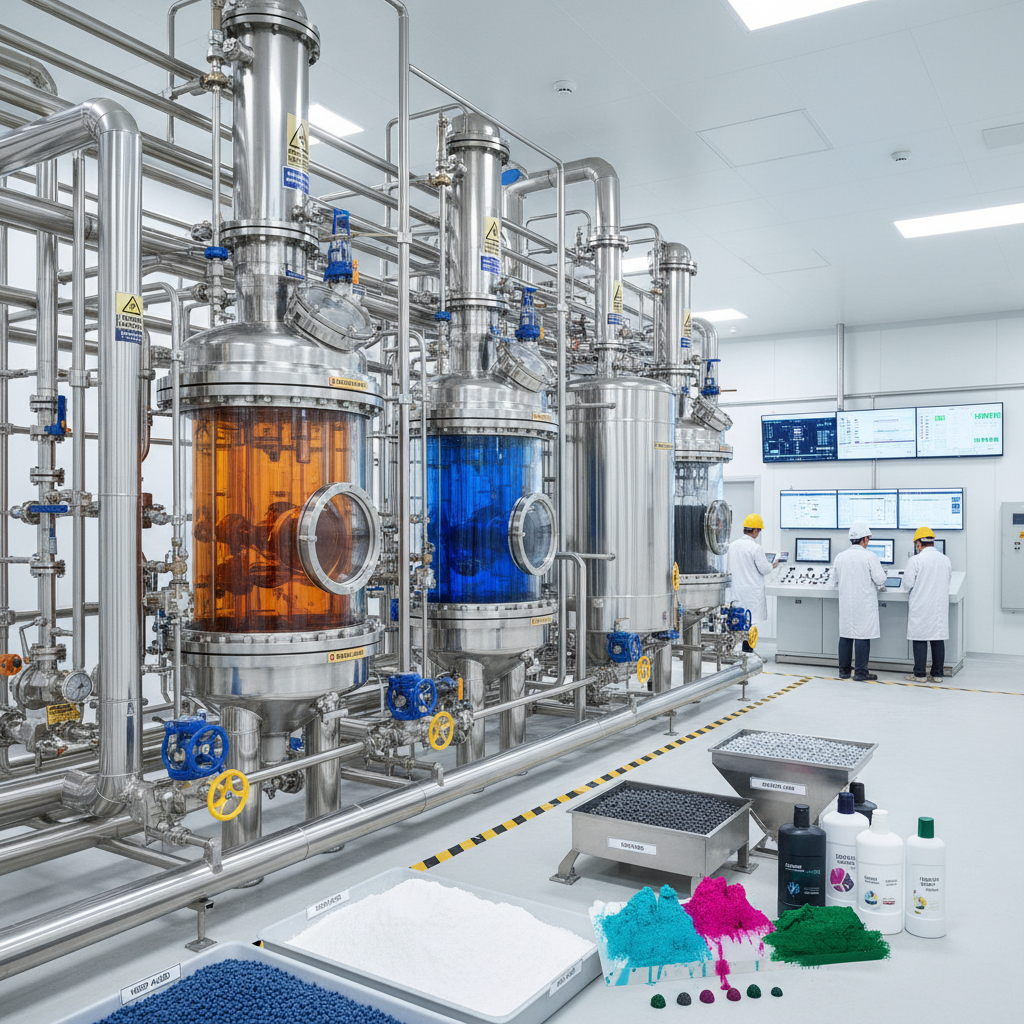
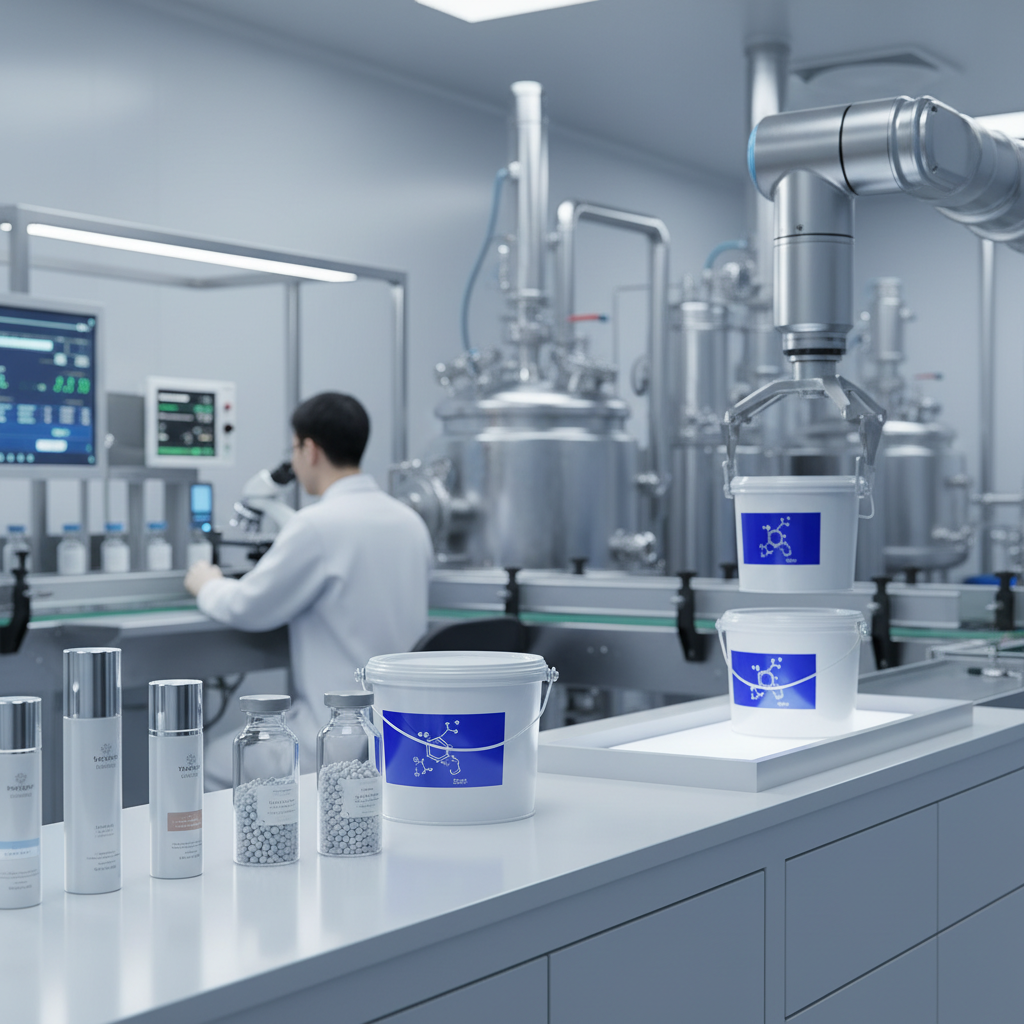
In the complex landscape of industrial chemistry, the compound identified by 7414 83 7 plays a pivotal role in ensuring the efficiency and longevity of aqueous systems. As a critical component in the formulation of specialized chemical agents, it addresses the persistent challenges of mineral scaling and microbial contamination that plague large-scale cooling towers and boiler systems globally. Understanding the chemical properties and strategic application of this substance is essential for engineers seeking to optimize thermal performance and reduce maintenance overheads.
The global demand for high-performance water treatment chemicals has surged as industries shift toward more sustainable, closed-loop water cycles. Within this context, 7414 83 7 serves as a cornerstone for developing biodegradable antiscalants and high-efficiency corrosion inhibitors. By preventing the precipitation of calcium and magnesium salts, it ensures that heat exchange surfaces remain clear, thereby reducing energy consumption and preventing catastrophic equipment failure in critical infrastructure.
Beyond its technical utility, the integration of 7414 83 7 into modern chemical portfolios reflects a broader commitment to E-E-A-T principles—Experience, Expertise, Authoritativeness, and Trustworthiness. For procurement managers and chemical engineers, the shift toward high-purity variants of this compound represents a move toward predictable, stable, and environmentally conscious industrial operations. This guide explores the multifaceted applications, technical advantages, and future trajectories of this indispensable chemical agent.
Global Industry Relevance of 7414 83 7
On a global scale, the chemical sector is under immense pressure to balance industrial productivity with environmental stewardship. The compound 7414 83 7 is integral to this balance, particularly in the manufacturing of phosphonates antiscalants and chelating agents. According to industry benchmarks aligned with ISO standards, the prevention of scale buildup in industrial boilers can improve energy efficiency by up to 12%, significantly reducing the carbon footprint of heavy manufacturing plants.
The strategic importance of 7414 83 7 extends to emerging markets in Southeast Asia and Latin America, where rapid industrialization has led to increased water scarcity. By enhancing the efficacy of biodegradable antiscalants, this compound allows plants to operate with higher cycles of concentration, effectively reducing raw water intake and minimizing the volume of wastewater discharge into local ecosystems.
Technical Definition and Chemical Nature of 7414 83 7
In simple technical terms, 7414 83 7 refers to a specialized chemical intermediate used primarily in the synthesis of water treatment polymers and corrosion inhibitors. It functions by altering the crystal growth of inorganic scales, such as calcium carbonate and calcium sulfate, preventing them from adhering to metal surfaces. This process, known as "threshold inhibition," allows the chemical to work effectively even at very low concentrations.
From a molecular perspective, the structure of 7414 83 7 allows it to act as a powerful sequestering agent. By forming stable, water-soluble complexes with multivalent metal ions, it prevents these ions from reacting with other components in the water to form precipitates. This makes it an essential precursor for the production of Polycarboxylic Antiscalants and Dispersants used in high-pressure boiler environments.
The connection between this compound and modern humanitarian needs is most evident in the realm of clean water infrastructure. By facilitating the production of efficient flocculants and pretreatment filming agents, 7414 83 7 contributes to the maintenance of desalination plants and municipal water filtration systems, ensuring that potable water is available and affordable for growing urban populations.
Core Performance Factors of 7414 83 7
One of the primary drivers of the efficacy of 7414 83 7 is its Thermal Stability. In high-temperature environments, such as industrial heat exchangers, many organic inhibitors break down, losing their protective properties. However, compounds derived from this specific intermediate maintain their molecular integrity, ensuring continuous protection against scale and corrosion even under extreme thermal stress.
Chemical Scalability is another critical factor. 7414 83 7 is designed to be compatible with a wide range of other additives, including Biocides and Algicides. This synergy allows chemical formulators to create "all-in-one" treatment packages that simultaneously handle biological growth, mineral scaling, and metal corrosion, streamlining the dosing process for plant operators.
Finally, the Cost-Efficiency of 7414 83 7 is realized through its high activity rate. Because it operates via threshold inhibition rather than simple stoichiometric reaction, a small amount of the compound can protect a vast volume of water. This reduces the frequency of chemical deliveries and lowers the total cost of ownership for water treatment programs in the manufacturing sector.
Real-World Industrial Applications of 7414 83 7
The practical application of 7414 83 7 is widespread across diverse industrial zones. In the petrochemical industry, for instance, it is used in the synthesis of pretreatment filming agents that protect pipelines from the aggressive corrosive effects of brine and crude oil. This is particularly vital in remote offshore drilling platforms where maintenance access is limited and equipment failure can lead to environmental disasters.
In the textile and dyeing industry, 7414 83 7 is utilized within chelating agents to remove metal ions from process water. These ions, if left untreated, can interfere with dye uptake and cause uneven coloring in fabrics. By ensuring "soft" water through the application of phosphonates based on this compound, manufacturers achieve higher quality yields and reduce the amount of chemical waste generated during the rinsing phase.
Comparative Efficiency of 7414 83 7 Derivatives
Tangible Advantages and Long-Term Value of 7414 83 7
The adoption of 7414 83 7 provides a logical path toward operational reliability. By drastically reducing the rate of mineral accumulation, companies experience fewer unplanned shutdowns for descaling, which translates directly into increased production uptime and revenue stability. Furthermore, the precision of this compound allows for a more scientific approach to dosing, eliminating the "over-treatment" waste common with lower-grade chemicals.
From an emotional and corporate responsibility angle, the use of 7414 83 7 in biodegradable formulations fosters trust with regulatory bodies and local communities. Ensuring that the chemicals used in industrial cooling systems are environmentally benign and highly efficient demonstrates a commitment to safety and innovation. This transition from "reactive" maintenance to "proactive" chemical management is the hallmark of a modern, sustainable enterprise.
Future Innovations and Green Trends for 7414 83 7
The future of 7414 83 7 is intrinsically linked to the "Green Chemistry" movement. We are seeing a shift toward the development of phosphorus-free alternatives and enhanced biodegradable polycarboxylic acids that utilize the core properties of this compound while reducing the nutrient load in wastewater. This evolution is critical for meeting the stringent EU and EPA regulations regarding phosphate discharge into water bodies.
Digital transformation is also playing a role. The integration of AI-driven dosing systems allows for the real-time adjustment of 7414 83 7 concentrations based on sensor data (such as pH, conductivity, and turbidity). This "precision chemistry" ensures that the minimum amount of chemical is used to achieve the maximum effect, further enhancing the sustainability profile of the industrial process.
Additionally, research into nanotechnology is exploring the use of nano-encapsulated 7414 83 7. By releasing the active agent slowly over time, these smart materials could potentially extend the intervals between chemical treatments, reducing labor costs and minimizing the exposure of workers to concentrated chemical substances.
Overcoming Challenges in 7414 83 7 Implementation
Despite its advantages, the implementation of 7414 83 7 can face challenges, particularly regarding compatibility with legacy equipment. Some older boiler systems may have existing scale layers that react unpredictably when high-efficiency dispersants are introduced, potentially leading to "sloughing" where large chunks of scale break off and clog valves.
To overcome this, experts recommend a phased transition. Instead of an immediate switch, a gradual "cleaning-while-operating" approach is used, where the concentration of 7414 83 7 is slowly increased. This allows the scale to be dissolved and dispersed in small, manageable increments, ensuring the system remains operational throughout the transition.
Another challenge is the variance in water chemistry across different geographic regions. A formulation that works in the soft waters of Northern Europe may be insufficient for the hard, mineral-rich waters of the Middle East. The solution lies in customized blending—using 7414 83 7 as a base and adjusting the ratios of complementary polymers to match the specific water profile of the facility.
Technical Analysis of 7414 83 7 Performance Across Different Water Qualities
| Water Type |
Scale Inhibition Rate |
Corrosion Protection |
Recommended Dosage |
| Low Hardness Water |
98% |
High |
2-5 ppm |
| Moderate Hardness |
92% |
Medium-High |
5-10 ppm |
| High Hardness (Brine) |
85% |
Medium |
15-25 ppm |
| High Salinity/Sea Water |
78% |
Specialized |
20-40 ppm |
| Industrial Recycled Water |
89% |
Medium-High |
10-20 ppm |
| Mixed Process Water |
94% |
High |
8-12 ppm |
FAQS
Unlike traditional phosphates that can contribute to eutrophication in water bodies, 7414 83 7 based inhibitors offer threshold inhibition. This means they prevent scale formation at significantly lower concentrations and are often more biodegradable, reducing the environmental impact while providing superior protection against calcium carbonate scaling.
Yes, one of the key strengths of 7414 83 7 is its chemical compatibility. It does not interfere with the active ingredients of most common biocides and algicides. In fact, by preventing the formation of scale (which often protects biofilms), it can actually enhance the penetration and effectiveness of biocidal treatments.
The duration of the effect depends on the "bleed-off" rate of the system. Because 7414 83 7 is water-soluble, it is gradually removed during blowdown. To maintain constant protection, automated dosing pumps are recommended to provide a continuous, low-level feed that keeps the concentration within the optimal range.
While 7414 83 7 is highly effective, its use in food-grade systems depends on the specific derivative and the local regulatory approvals (such as FDA or EFSA). Most versions are used in the external cooling loops of food plants, where they do not come into direct contact with the product, making them a safe and efficient choice.
When stored in original, unopened containers in a cool, dry place, products based on 7414 83 7 typically have a shelf life of 12 to 24 months. It is a chemically stable compound, but extreme temperatures should be avoided to prevent any potential precipitation or degradation of the blended formula.
The correct dosage is determined through a water analysis (testing for hardness, alkalinity, and TDS). We recommend performing a "jar test" or a pilot study to observe the scale inhibition rate at various concentrations. Our technical team can also provide a customized dosing schedule based on your water chemistry profile.
Conclusion
In summary, 7414 83 7 is much more than a simple chemical intermediate; it is a fundamental tool for industrial efficiency and environmental sustainability. From its role in preventing mineral scaling and corrosion to its compatibility with modern green chemistry standards, this compound enables industries to maximize their resource utilization while minimizing their ecological footprint. By focusing on threshold inhibition and chemical synergy, it provides a reliable, cost-effective solution for the most challenging water treatment environments.
Looking forward, the integration of 7414 83 7 into smart, automated dosing systems will further redefine the standards of industrial maintenance. We encourage plant managers and chemical engineers to move away from legacy, high-phosphate treatments and embrace the precision and sustainability offered by these advanced formulations. For more information on how to integrate these solutions into your operations, visit our website: www.lkpbtc.com.