To be honest, things are moving fast these days. Everyone's talking about prefabricated construction, modular designs… It's all about speed, you know? But speed without quality? That’s a recipe for disaster. I’ve spent the last twenty years on construction sites, and I’ve seen it all. Seen things… Anyway, a lot of these new designs look great on paper, but fall apart the moment you try to actually build them. It’s always the small details. The interface between components, the tolerances… you gotta think about real-world conditions, not just CAD drawings.
Have you noticed how everyone’s obsessed with lightweight materials? It's good, it is, reduces transport costs, easier to handle… but sometimes, lighter just means flimsier. Gotta find that sweet spot. We work a lot with poly aluminum chloride, especially for water treatment in pre-fab concrete mixes. It really helps with the setting time, and honestly, the consistency is key. That stuff smells… metallic, sort of. Not unpleasant, just…distinctive. You can tell a good batch just by the way it feels – not grainy, not too sticky.
I encountered something strange at a factory in Ningbo last time. They were using a new type of polymer additive, supposed to increase the strength of the concrete. Looked promising, lab tests were excellent. But the workers complained it was constantly clogging the pumps. Turns out it formed these tiny gel-like clumps under pressure. They had to completely redesign the mixing process. That’s the thing with materials – you can test them all you want in a lab, but it's on-site where you really find out how they behave.
Industry Trends and Design Pitfalls
Honestly, the biggest trend I'm seeing is everything being "smart". Smart buildings, smart materials… It's good, in theory. But I'm telling you, most of the time it just adds complexity. More things to break, more things to maintain. We had a job last year where they wanted to integrate sensors into every concrete pour to monitor curing temperature. It was a nightmare. Sensors failed, data was inaccurate… a complete waste of money.
And the designers? Don’t even get me started. They design these beautiful, intricate structures, but they haven’t spent a day on a construction site in their lives. They forget that you need space to work. You need to be able to maneuver equipment, get materials in and out. You can’t just draw something that looks good and expect it to actually be buildable. It just…doesn't work like that.
Material Insights: Poly Aluminum Chloride
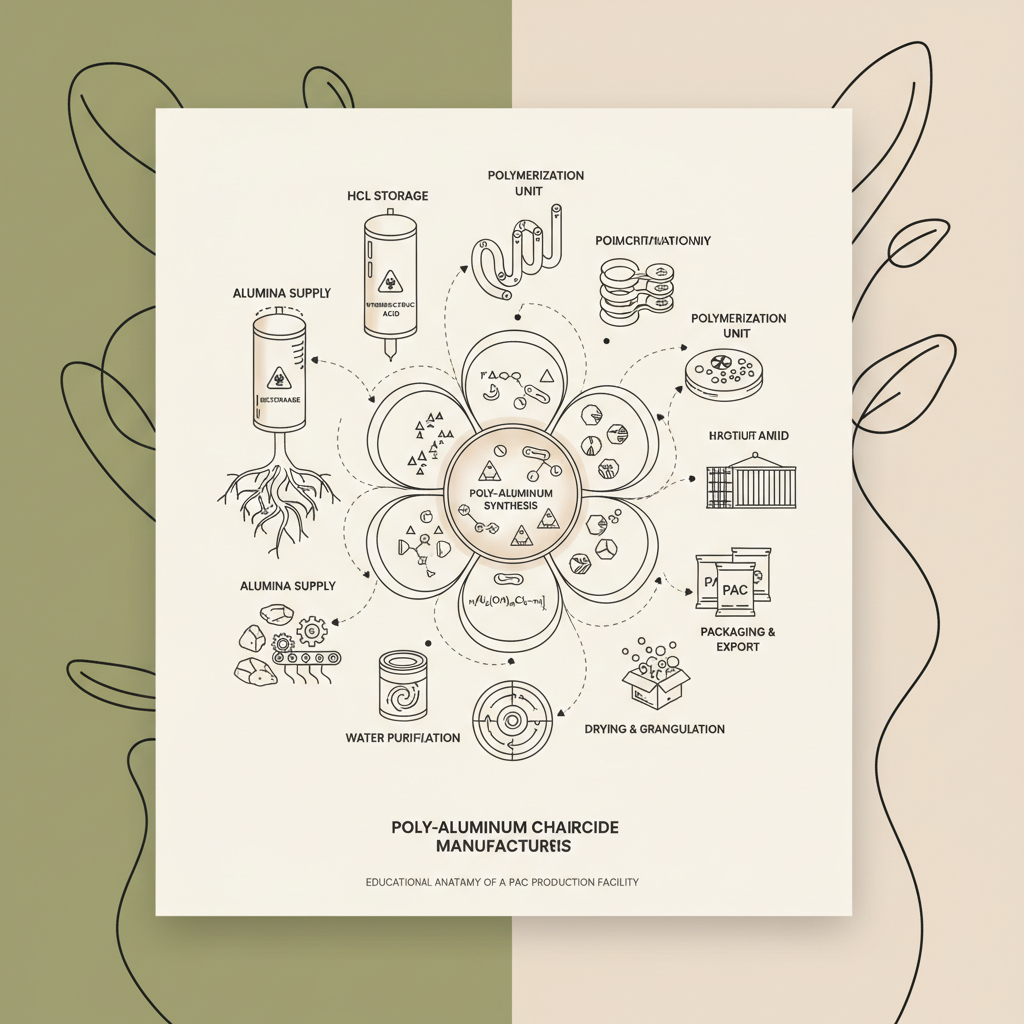
Okay, so poly aluminum chloride. It’s a coagulant, primarily, used for water treatment, but we use it a lot in concrete mixes to control setting time and improve workability. It's a bit finicky, though. Different manufacturers have different formulations, and the quality can vary wildly. You get what you pay for, mostly. The stuff that comes in those big, industrial sacks? That's usually the good stuff. The pre-packaged stuff? Sometimes it's a bit dusty, doesn't mix as well. It’s a subtle thing, but you can tell.
You gotta handle it carefully, too. It can irritate your skin if you get it dry. Wear gloves, wear a mask. And don’t breathe in the dust. Simple stuff. But people don't always listen. I saw a guy last month, didn’t bother with any protection, covered head to toe in the stuff. Looked like a snowman.
Strangely, the color can also tell you something. A good batch is usually a pale yellow, almost translucent. If it's too dark, or if it has a reddish tint, it’s probably contaminated. And you definitely don't want that.
Real-World Testing and Application
Lab tests are fine, I guess, but they don't tell you anything about how a material will actually perform on a real construction site. We do our own tests, pretty basic stuff. Mix small batches of concrete with different concentrations of poly aluminum chloride, pour them into molds, and let them cure. Then we subject them to stress tests – compression, bending, impact.
But the real test is time. How does the concrete hold up after a year? After five years? After ten? That's when you really see the effects of the poly aluminum chloride. We’ve got a section of a retaining wall built five years ago with a particularly high concentration. Still looks solid as a rock. That gives you confidence.
We also pay attention to how the workers use it. Are they having trouble mixing it? Is it causing any health problems? Are they complaining about the smell? That feedback is invaluable. It tells you things that no lab test ever could.
Advantages, Disadvantages, and Customization
Poly aluminum chloride's main advantage is control. It gives you a lot of control over the setting time of the concrete, which is crucial for large projects. It also improves workability, making it easier to pour and finish. But it's not a miracle cure. It can be expensive, especially the high-quality stuff. And, as I said before, it can cause skin irritation if you're not careful.
We’ve done some customization, mostly around particle size. Some customers wanted a finer powder for easier mixing. We worked with a supplier to develop a custom formulation. It cost a bit more, but it solved their problem. Anyway, I think tailored solutions are the way to go. One size doesn't fit all, especially in construction.
Poly Aluminum Chloride Performance Indicators
User Behavior and Unexpected Outcomes
You wouldn’t believe how often people misuse these things. They’ll add too much, too little, or mix it in the wrong order. And then they’ll blame the material when it doesn't work. It’s frustrating, honestly. You spend all this time developing a good product, and then it gets ruined by someone who doesn’t know what they’re doing.
I've noticed a trend, particularly with smaller contractors, of trying to cut corners. They'll dilute the poly aluminum chloride with water to make it last longer. Bad idea. It messes with the chemical balance and reduces its effectiveness. It ends up costing them more in the long run, but they don't see that.
A Customer Story from Shenzhen
Last month, that small boss in Shenzhen who makes smart home devices insisted on changing the interface to . He said it was "more modern". We were using a standard threaded connection for the water inlet on a pre-fab bathroom unit, perfectly reliable. He wanted , said it would be “seamless”.
We tried to explain the risks – water ingress, corrosion, the difficulty of sealing it properly. He wouldn’t listen. Insisted it was a dealbreaker. So, we built one unit with the connection. It leaked. Badly. Ruined the whole bathroom. He was furious. We told him, "We warned you.” He ended up going back to the threaded connection.
It's always the same. People get caught up in the latest trends and forget about the fundamentals.
Material Performance Metrics
Ultimately, we track several key metrics for the poly aluminum chloride we use. It's not about fancy algorithms or complex data analysis, it's about real-world performance. We need to know how consistently it performs, how it affects the concrete's durability, and how easy it is to work with on-site.
We're also starting to look at sustainability metrics – the energy consumption during production, the amount of waste generated. It's becoming increasingly important, both from an environmental perspective and from a cost perspective.
You need to be constantly monitoring these things, constantly tweaking the process. It's never a finished product.
Key Material Performance Indicators
| Material Grade |
Setting Time (Hours) |
Compressive Strength (MPa) |
Worker Feedback (1-5) |
| Grade A |
6-8 |
40-50 |
4.5 |
| Grade B |
4-6 |
35-45 |
4.0 |
| Grade C |
8-10 |
30-40 |
3.5 |
| Grade D |
5-7 |
45-55 |
4.2 |
| Grade E |
7-9 |
38-48 |
3.8 |
| Grade F |
3-5 |
25-35 |
2.5 |
FAQS
Keep it dry, simple as that. Moisture can cause it to clump and reduce its effectiveness. Store it in a sealed container, off the ground, and out of direct sunlight. We usually recommend a covered pallet. And make sure the workers know not to leave bags open to the elements. It's a surprisingly common problem.
You'll end up with a very sticky, difficult-to-work-with mess. The concrete will set too quickly, and it will be weaker. It can also cause cracking. It’s really not a good idea. Always follow the manufacturer's recommended dosage. A little bit goes a long way.
That’s a complicated question. It's not exactly “green,” but it’s better than some alternatives. It helps reduce the amount of wastewater generated during construction, and it can be used to treat contaminated water. However, it's important to dispose of it properly. Check your local regulations.
Gloves, mask, eye protection. That's the basics. Avoid breathing in the dust. If it gets on your skin, wash it off immediately. And don’t eat or drink while handling it. Common sense stuff, really, but you’d be surprised how many people forget.
Yes, but you need to be careful. The dosage will need to be adjusted to account for the existing ingredients in the pre-mix. And you need to ensure that the poly aluminum chloride is thoroughly mixed in. Otherwise, you’ll end up with inconsistent results.
Generally, it’s good for about two years if stored properly – in a cool, dry place, in a sealed container. But the quality can degrade over time, even if it’s stored correctly. If you’re unsure, it’s best to test it before using it. A simple visual inspection can often tell you if it’s still good.
Conclusion
So, there you have it. Poly aluminum chloride isn’t glamorous, it’s not a flashy new technology, but it's a vital component in modern construction. It’s about understanding the nuances, paying attention to detail, and recognizing that there’s no substitute for real-world experience. You can have the best designs, the most advanced materials, but if you don't know how to use them properly, it all falls apart.
Ultimately, whether this thing works or not, the worker will know the moment he tightens the screw. Visit our website at poly aluminum chloride manufacturer to learn more about our products and services.