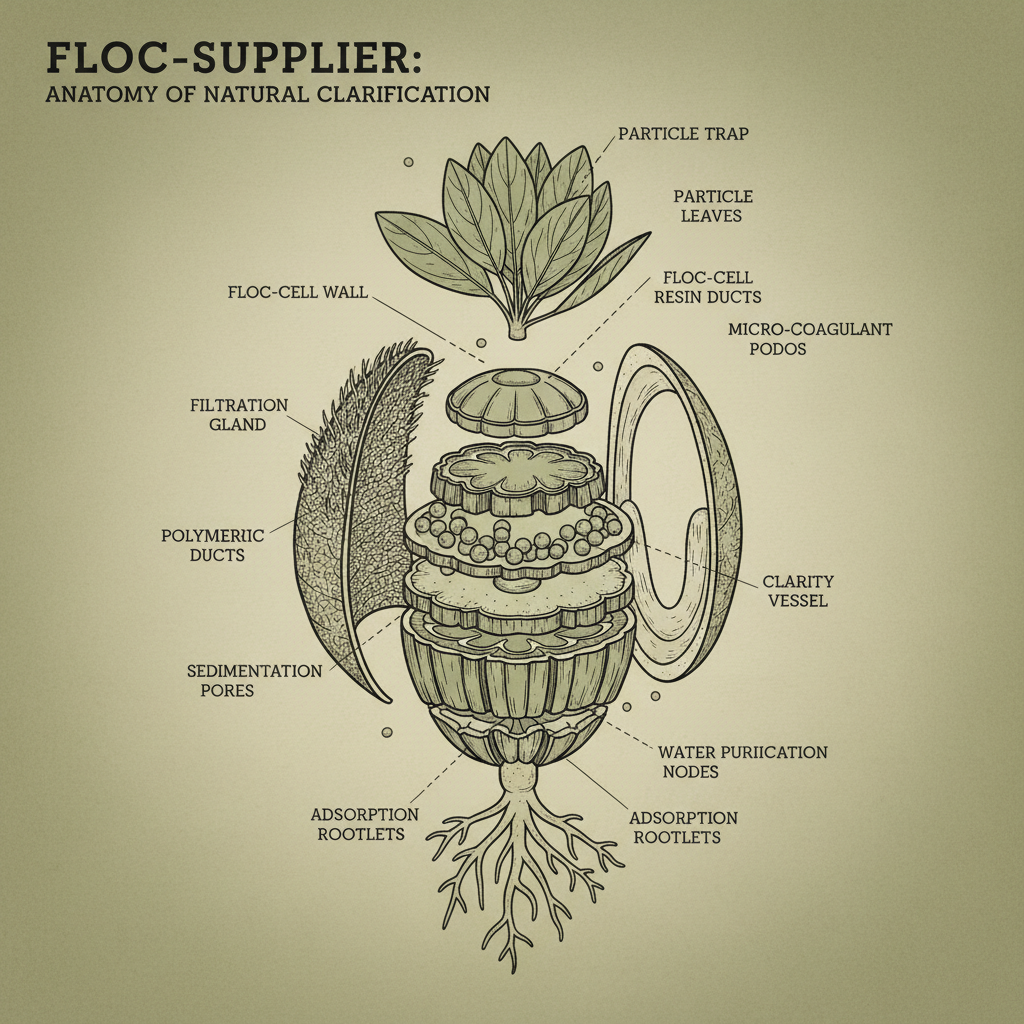
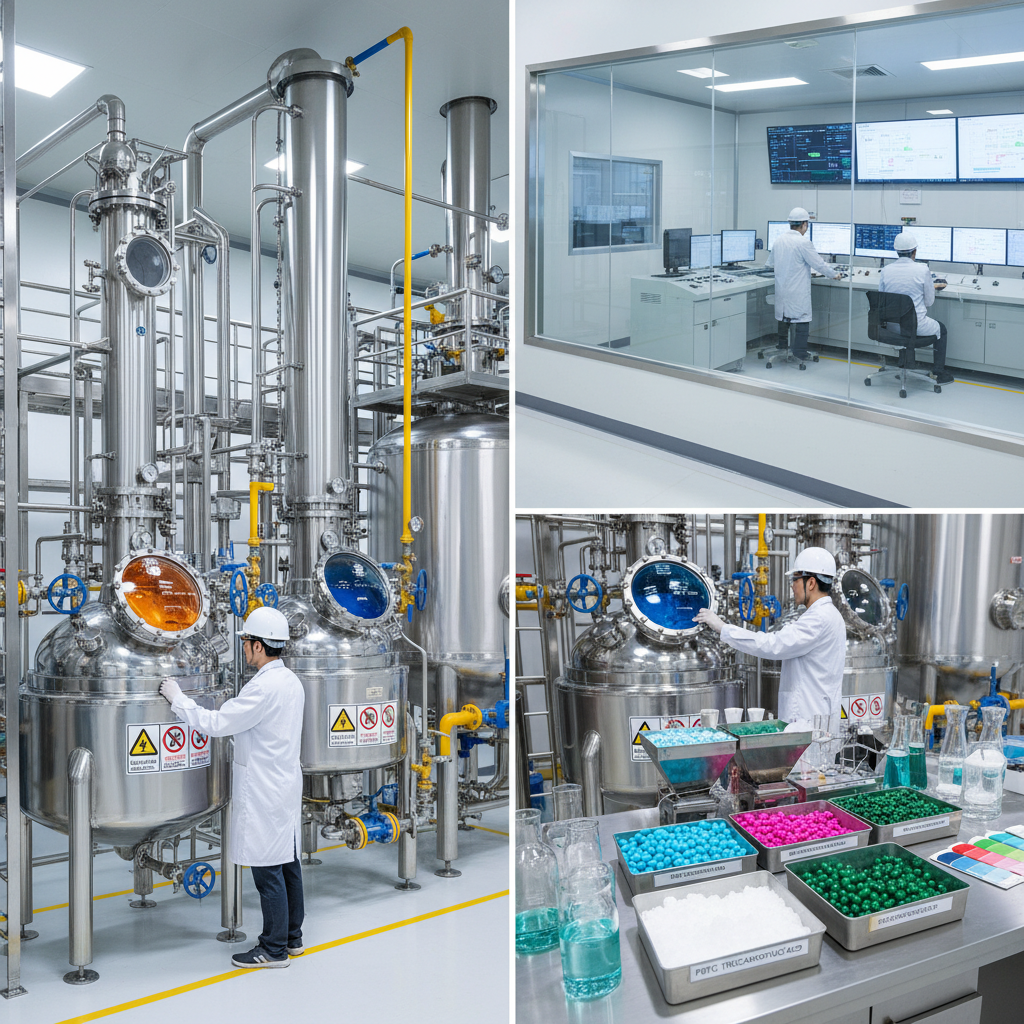
Look, after running around construction sites all year, dealing with dust and everything, you start to notice patterns. Lately, everyone’s talking about prefabrication, modular builds, you name it. It's not new, not really, but it’s finally hitting a stride. And honestly, the pressure to cut costs and speed things up is only getting worse. That's where things like high-performance concrete additives – flocculant suppliers, if you want to get technical – really come into play.
To be honest, a lot of folks think these things are magic bullets, you just dump them in and everything’s perfect. That’s… not how it works. I’ve seen so many projects where they cheaped out on the polymer, or didn't adjust the dosage right for the aggregate, and ended up with a mess. It’s all about understanding the chemistry, but more importantly, understanding how it behaves in the real world. It’s one thing to get good numbers in a lab, another thing entirely when you’re battling rain and a tight deadline.
It’s funny, you know? People obsess over the steel, the concrete mix design, but the little details, like the right flocculant, that’s what actually makes or breaks a smooth pour. It's surprisingly simple, really. It’s about getting those particles to clump together just right, reducing water content, and improving the workability. Without it, you're fighting the concrete every step of the way.
The Rise of Prefabrication & Additive Demand
Have you noticed how many of these pre-fab companies are popping up? It's a game changer, honestly. But it also puts a huge strain on the concrete mixes. You need something that sets faster, stays workable longer, and has consistent performance. That's where good flocculant suppliers come in. They're not just selling chemicals; they’re selling time and reducing headaches. It’s a surprisingly hot market right now.
The demand is definitely up, but quality control is a massive concern. I encountered a batch at a factory in Tianjin last time that smelled… off. Like, really off. Turned out, they'd substituted a cheaper polymer, and the whole thing was a disaster. The concrete wouldn't flow properly, and the set time was all over the place. It's a reminder that cheap isn't always better.
Common Pitfalls in Flocculant Selection
To be honest, the biggest mistake I see is people treating all flocculants the same. They're not. You’ve got your polycarboxylates, your lignosulfonates, your naphthalene sulfonates… each one has different properties, different strengths and weaknesses. And they all react differently with different types of cement and aggregates. Strangely, people often focus on the cost per kilo, instead of the cost per cubic meter of usable concrete.
Another big issue is under-dosing. You think you're saving money, but you end up with a mix that's too stiff, too prone to segregation, and ultimately, weaker. It's a false economy. And then there's the opposite problem: overdosing, which can cause air entrainment and reduce strength. It's a delicate balance.
Also, people forget about water quality. If your water is high in sulfates, for example, some flocculants just won't work properly. It's something you learn the hard way.
Material Properties: More Than Just Specs
I've spent enough time elbow-deep in concrete to tell you that data sheets only tell you so much. You need to feel the stuff. The texture, the smell… it tells you a lot. A good flocculant, when added correctly, should make the concrete flow like thick cream. Not watery, not clumpy, but smooth and consistent. Some of the newer polycarboxylates have a slight, almost fruity smell, which is… strange, but helpful.
And it’s not just about the flocculant itself. The aggregate matters a lot. Rounded gravel is different from crushed stone. The grading, the cleanliness… everything affects how the flocculant performs. I’ve seen mixes that work perfectly in the lab fail miserably on site because the aggregate was contaminated with clay.
Anyway, I think a lot of engineers underestimate the importance of aggregate properties. They get caught up in the cement chemistry and forget that the aggregate makes up 70-80% of the mix.
Real-World Testing & Performance
Lab tests are fine, but they don't simulate a real construction site. You need to test the stuff under actual conditions. We’ve started doing mini-pours, using the same aggregate and cement we’ll be using on the project, and then assessing the workability, set time, and strength. It’s a pain, I won’t lie, but it saves a lot of headaches later.
We also do slump tests, of course, but we also look at things like bleeding and segregation. Does the water separate out? Does the aggregate settle to the bottom? These are all indicators of how well the flocculant is performing. The visual assessment is important.
Flocculant Performance Ratings (Based on On-Site Testing)
User Behavior: What They Actually Do
This is the one that always gets me. You design a product for a specific application, and then users find a completely different way to use it. I've seen guys use flocculant to stabilize mud for temporary roads. Seriously. It's not what it's designed for, but it works.
And let's be real, most guys on site aren't chemists. They don't care about the molecular weight of the polymer. They just want something that makes their job easier. So, ease of use is crucial. Pre-dissolved solutions, easy-to-read instructions… these things matter.
Advantages, Disadvantages, & Customization
The advantages are pretty clear: improved workability, reduced water content, increased strength, faster set times. But there are drawbacks. Some flocculants can be expensive, and they can be sensitive to temperature and pH. And let’s not forget the environmental impact. We're increasingly looking for bio-based alternatives, but they’re not always as effective.
Customization is key. A one-size-fits-all approach just doesn't work. Last month, that small boss in Shenzhen who makes smart home devices insisted on changing the interface to , and the result was weeks of wasted time and a frustrated team. Same thing with flocculants – you need to tailor the formulation to the specific application. We had to develop a special blend for a high-rise project in Shanghai because the concrete was being pumped to extreme heights.
A Customer Story: Shenzhen & the Debacle
See, like I said, Shenzhen. This guy, Mr. Li, he runs a small factory churning out smart home gadgets. He decided, for no good reason that anyone could fathom, that all his concrete foundations needed a super-smooth finish. He was convinced it would somehow improve the signal strength of his Wi-Fi devices.
He started demanding a flocculant that would give him a glass-like surface. We tried everything, adjusted the dosage, the aggregate, everything. Nothing worked. He kept pushing, changing specs mid-pour, driving everyone crazy. Finally, we had to tell him it just wasn’t possible to achieve that level of smoothness with concrete. It wasted a ton of material and time.
The project eventually limped across the finish line, but it was a mess. The moral of the story? Sometimes, the best solution is to listen to the experts and not chase unrealistic expectations.
Summary of Flocculant Performance Factors
| Flocculant Type |
Aggregate Compatibility |
Workability Impact |
Cost Effectiveness |
| Polycarboxylate Ether (PCE) |
High - adapts well to various sizes |
Excellent - provides long-lasting slump retention |
Moderate - generally a higher initial cost |
| Lignosulfonate |
Moderate - best with consistent aggregate grading |
Good - improves workability at lower dosages |
Low - often the most affordable option |
| Naphthalene Sulfonate |
Moderate - requires careful mix design |
Good - effective for water reduction |
Moderate - a balance of cost and performance |
| Acrylic Polymer |
High - particularly effective with difficult aggregates |
Excellent - provides superior slump retention and flow |
High - typically the most expensive option |
| Hydroxypropyl Methylcellulose (HPMC) |
Moderate - impacts water retention |
Good - improves cohesion and reduces segregation |
Moderate - commonly used as a secondary additive |
| Superplasticizers (Blends) |
Variable - depends on the blend composition |
Very Good - optimizes performance for specific conditions |
Moderate to High - cost depends on complexity of blend |
FAQS
Honestly? Not understanding their specific concrete mix. You can't just throw in a flocculant and hope for the best. You need to know the aggregate type, the cement composition, the water quality – everything. Otherwise, you're just guessing, and you'll likely end up with a concrete that doesn't perform as expected. Dosage is also critical – too little and you see no effect, too much and you'll introduce air entrainment.
That depends on your specific needs. What are you trying to achieve? Do you need faster set times? Higher strength? Improved workability? Consider the environmental conditions too – temperature, humidity, rainfall. Talk to a supplier, get some samples, and do some trial pours. Don't just go with the cheapest option.
They're getting there. Bio-based flocculants are becoming increasingly popular due to their environmental benefits, but traditionally they haven't performed as well as synthetic options in all applications. However, there's a lot of research and development going on, and the newer bio-based formulations are much more effective. It’s a tradeoff – sustainability versus performance.
Overdosing can cause air entrainment, which reduces the concrete’s strength and durability. It can also lead to segregation, where the aggregate settles to the bottom. Basically, you'll end up with a weak, inconsistent mix. It's always better to underdose and add more gradually than to overdo it from the start.
It varies depending on the type of flocculant, but generally, they have a shelf life of around 12-18 months. It's important to store them properly, in a cool, dry place, away from direct sunlight. Expired flocculants may not perform as effectively, so it's best to use them while they're still fresh.
Yes, absolutely. In fact, flocculants are often more important when using recycled aggregates, as they can help compensate for the variability in the material. You might need to adjust the dosage depending on the quality of the recycled aggregate, but they can definitely be used effectively. It's a great way to promote sustainability.
Conclusion
So, there you have it. Flocculant suppliers aren’t just about selling chemicals, it's about understanding concrete, understanding construction, and understanding what guys on the ground actually need to get the job done right. It’s about balancing cost, performance, and sustainability, and knowing when to trust your gut and when to rely on the science.
Ultimately, whether this thing works or not, the worker will know the moment he tightens the screw. And if he’s cursing under his breath, you know you’ve got a problem. Don’t underestimate the power of a good flocculant, and don’t be afraid to ask questions. The details matter. Always.