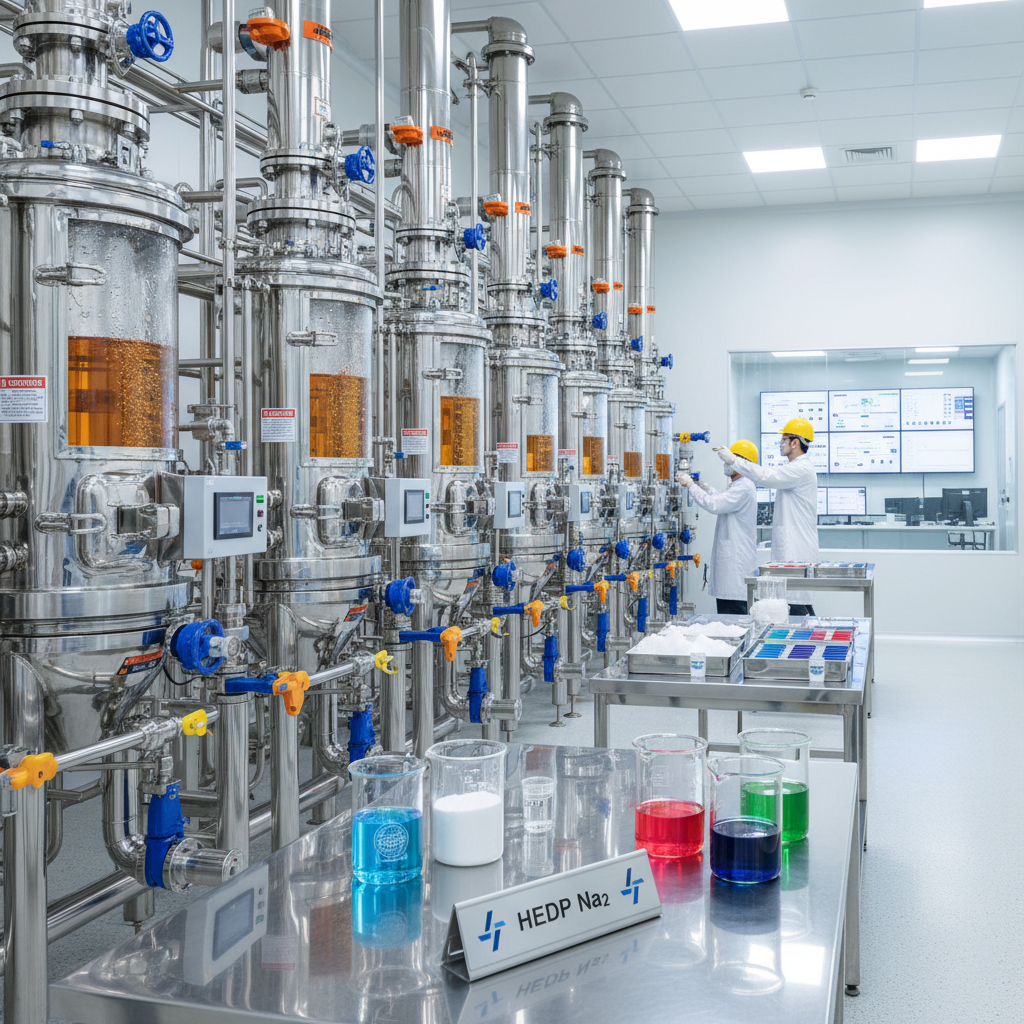
Diethylenetriamine penta methylene phosphonic acid (DTPA) is a complex organic compound gaining prominence in various industrial applications, primarily as a chelating agent. Its unique molecular structure allows it to bind strongly to metal ions, rendering them inactive or facilitating their removal. Understanding DTPA is crucial for industries dealing with water treatment, detergents, oilfield operations, and even specialized medical applications. This powerful chemical provides solutions to scaling, corrosion, and pollution challenges across the globe.
The global demand for effective chelating agents like diethylenetriamine penta methylene phosphonic acid is rising, driven by increasingly stringent environmental regulations and the need for optimized industrial processes. Estimates suggest the chelating agent market will continue to grow significantly in the coming years, with DTPA playing a key role due to its versatility and effectiveness. This growth necessitates a deeper understanding of its properties, applications, and handling procedures.
Diethylenetriamine penta methylene phosphonic acid presents a compelling solution to a range of industrial issues. From enhancing the performance of cleaning products to preventing scale formation in oil pipelines, its adaptability is noteworthy. Successfully navigating its use requires a dedicated understanding of its chemical properties and application nuances, highlighting the importance of specialized expertise.
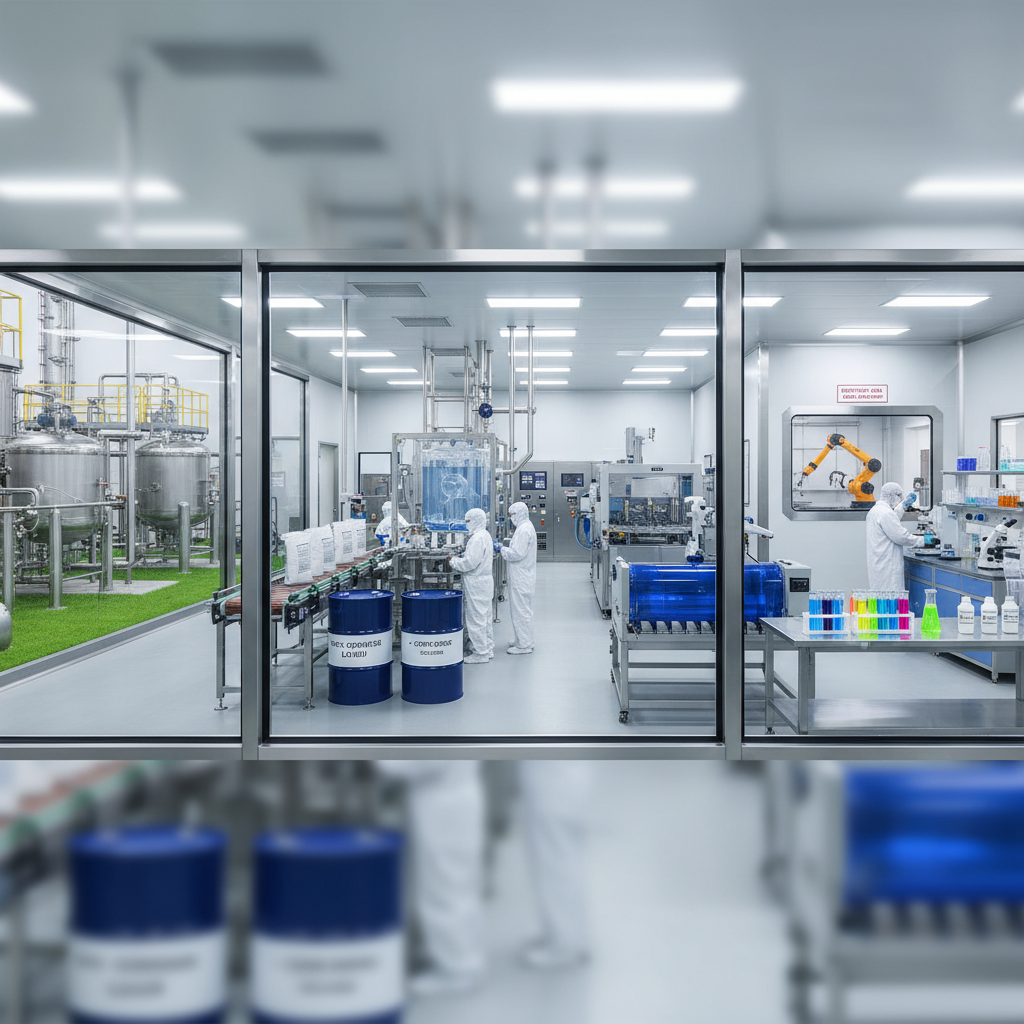
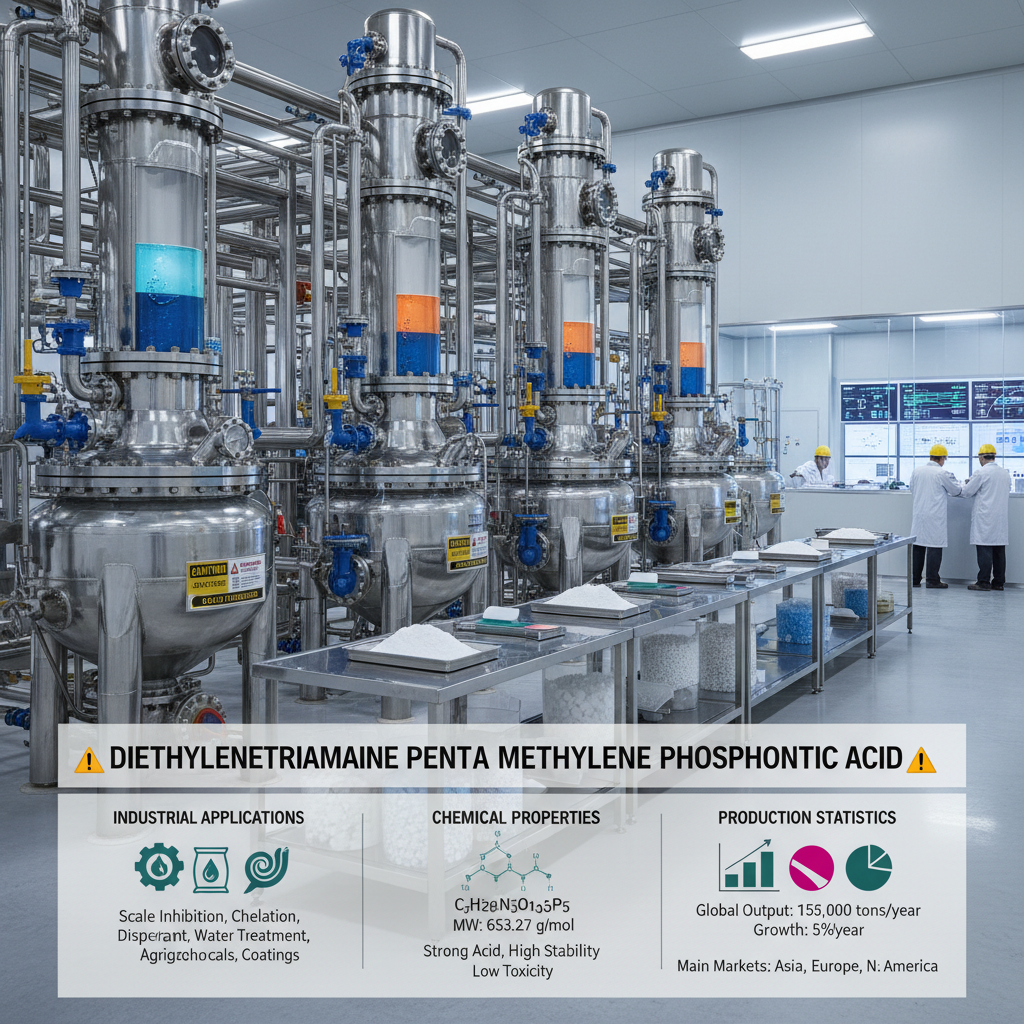
Diethylenetriamine penta methylene phosphonic acid’s core strength lies in its chelating ability. This means it can form stable, water-soluble complexes with metal ions, effectively preventing them from causing issues like scale buildup or interfering with chemical processes. Understanding the compound's structure – a combination of amine and phosphonic acid groups – is key to grasping its functionality.
The stability constants associated with DTPA’s metal ion complexes are remarkably high, meaning the bonds are strong and resistant to disruption. This characteristic makes it ideal for applications where persistent metal ion control is critical. The compound also exhibits good thermal and chemical stability, allowing it to function effectively in harsh industrial environments.
Diethylenetriamine penta methylene phosphonic acid (DTPA) is primarily used in industrial water treatment to prevent scale formation caused by calcium and magnesium ions, inhibiting corrosion, and dispersing suspended solids. It's crucial in boiler water treatment, cooling tower systems, and desalination plants to enhance efficiency and reduce maintenance costs. Its chelating properties effectively sequester metal ions, preventing buildup on surfaces and extending equipment life. DTPA also helps maintain water quality by controlling microbial growth and preventing fouling.
While DTPA is effective, its environmental impact is a concern. It is not readily biodegradable, and its persistence in the environment can lead to the mobilization of heavy metals. Proper disposal is crucial. Wastewater containing DTPA should be treated to remove the chemical before discharge, following local regulations. Research is ongoing to develop more biodegradable alternatives and optimize DTPA formulations to minimize their environmental footprint. Responsible usage and adherence to disposal guidelines are essential.
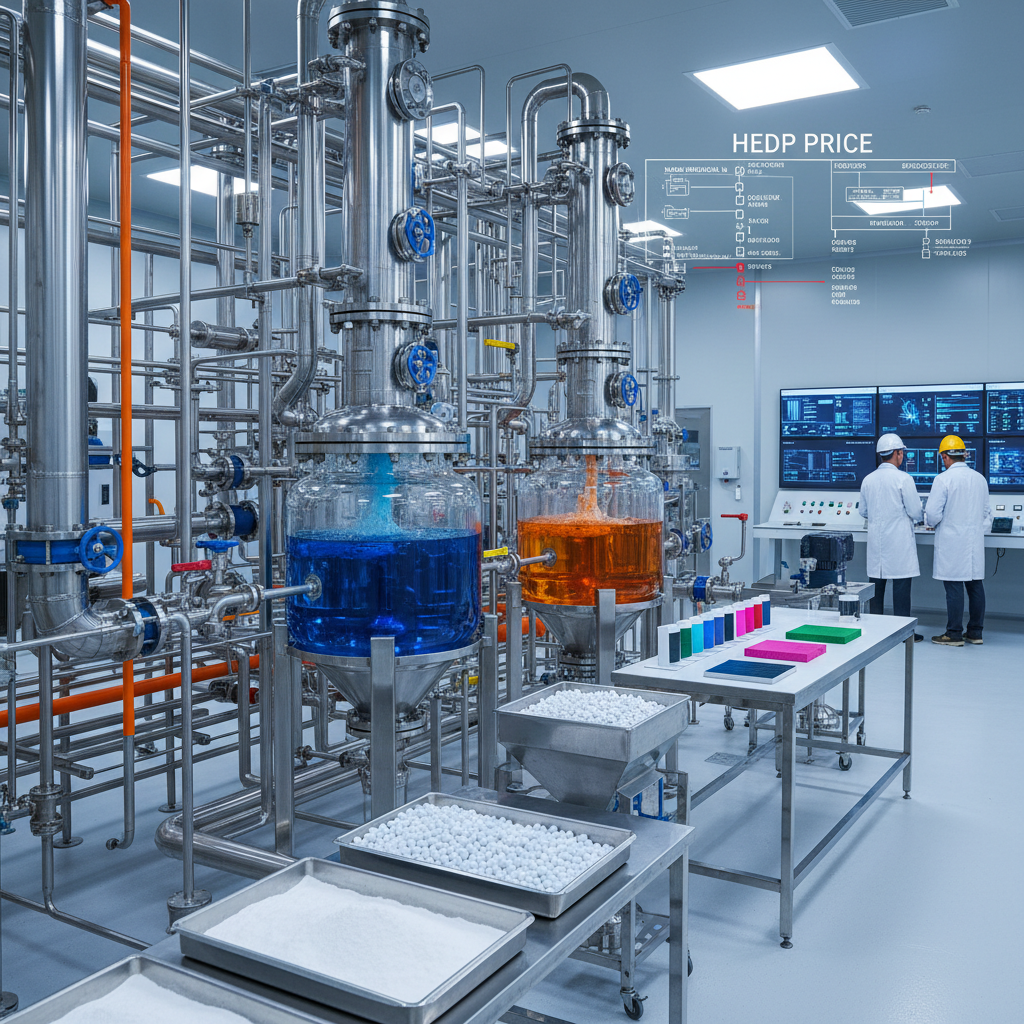
The cost of diethylenetriamine penta methylene phosphonic acid is generally higher than some other chelating agents like EDTA. However, this higher cost is often justified by its superior performance, particularly in high-temperature and high-hardness water conditions. DTPA’s greater stability and higher chelating capacity can lead to lower overall treatment costs due to reduced chemical consumption and minimized equipment downtime. A comprehensive cost-benefit analysis is crucial when selecting a chelating agent.
Diethylenetriamine penta methylene phosphonic acid is generally considered a low-toxicity chemical, but proper safety precautions should always be followed. Direct contact with skin and eyes should be avoided; wear appropriate personal protective equipment (PPE), including gloves, safety glasses, and lab coats. Ensure adequate ventilation when handling the chemical. In case of contact, rinse thoroughly with water and seek medical attention if irritation persists. Refer to the Safety Data Sheet (SDS) for detailed safety information.
Diethylenetriamine penta methylene phosphonic acid typically has a shelf life of at least two years when stored properly. It should be stored in a cool, dry, and well-ventilated area, away from direct sunlight and incompatible materials (e.g., strong oxidizers). Keep containers tightly closed to prevent moisture absorption. Regularly inspect containers for any signs of damage or leakage. Follow the storage recommendations provided on the product label and SDS.
Yes, diethylenetriamine penta methylene phosphonic acid can often be used in conjunction with other water treatment chemicals to achieve synergistic effects. It is frequently combined with corrosion inhibitors, biocides, and pH adjusters. However, compatibility testing is essential before mixing chemicals, as some combinations can lead to precipitation or reduced effectiveness. Consulting with a water treatment specialist is recommended to optimize chemical blends for specific applications.
In conclusion, diethylenetriamine penta methylene phosphonic acid is a remarkably versatile chemical with a significant impact across numerous industries. Its exceptional chelating properties, combined with its thermal stability, make it an invaluable tool for preventing scale formation, inhibiting corrosion, and optimizing industrial processes. Understanding its capabilities and limitations is critical for leveraging its benefits effectively.
Looking ahead, continued research and innovation in DTPA technology will focus on enhancing its sustainability and expanding its applications. By prioritizing responsible usage, promoting environmentally friendly formulations, and integrating it with emerging technologies, we can unlock the full potential of diethylenetriamine penta methylene phosphonic acid and contribute to a more efficient and sustainable future. For more information and tailored solutions, visit our website: www.lkpbtc.com