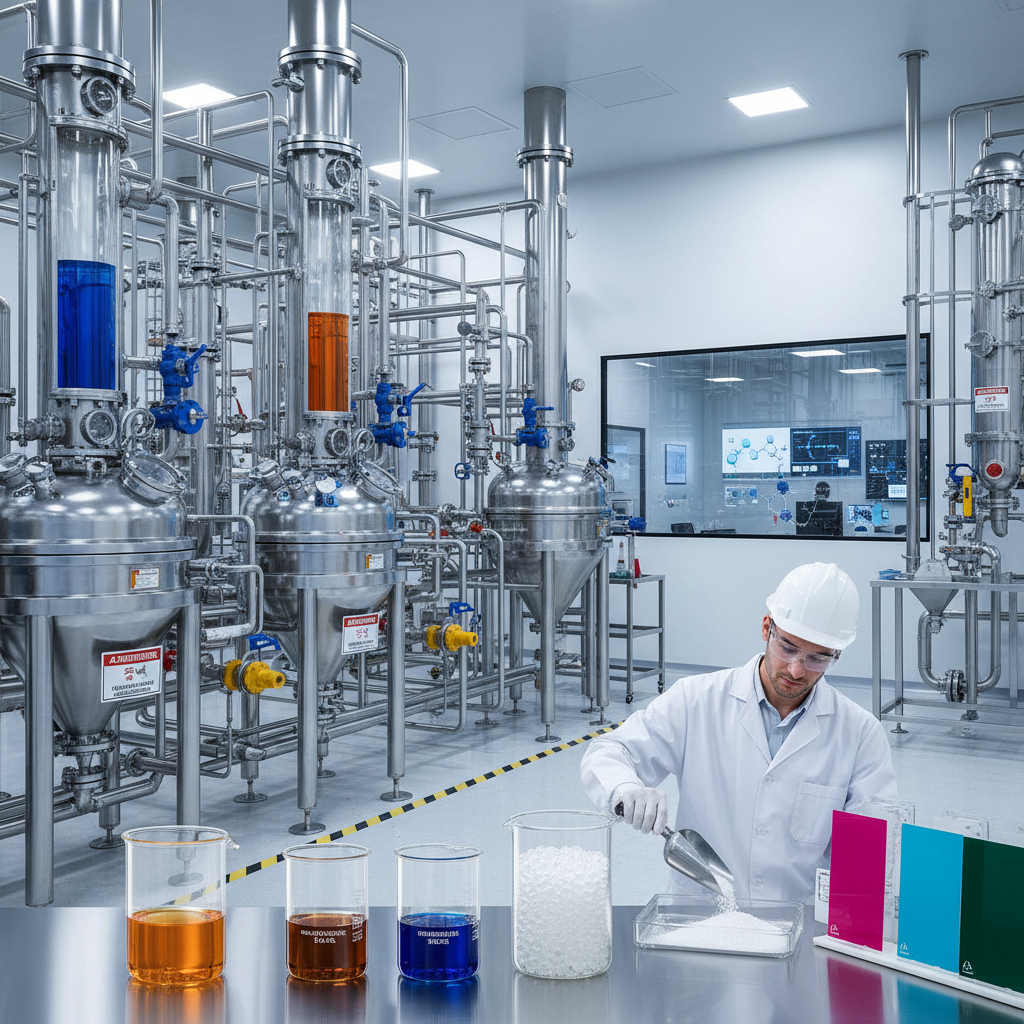
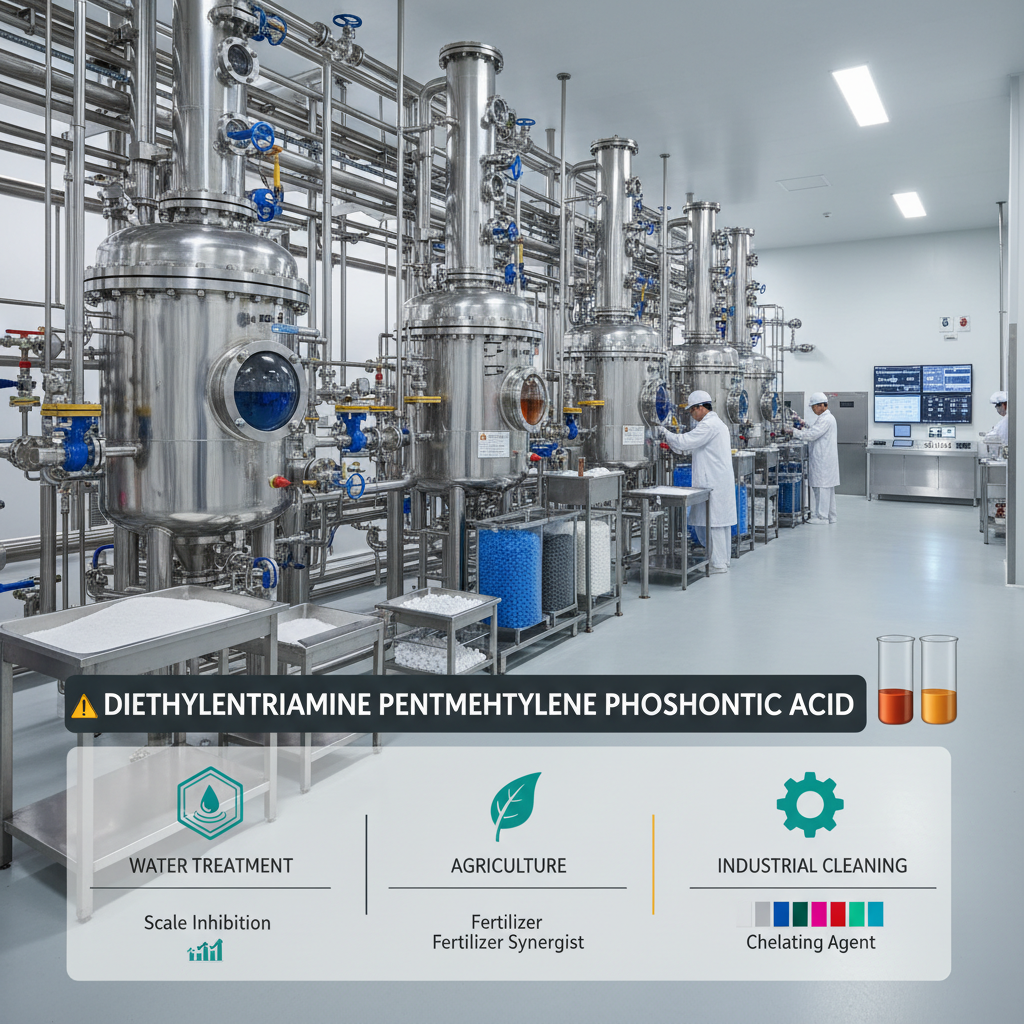
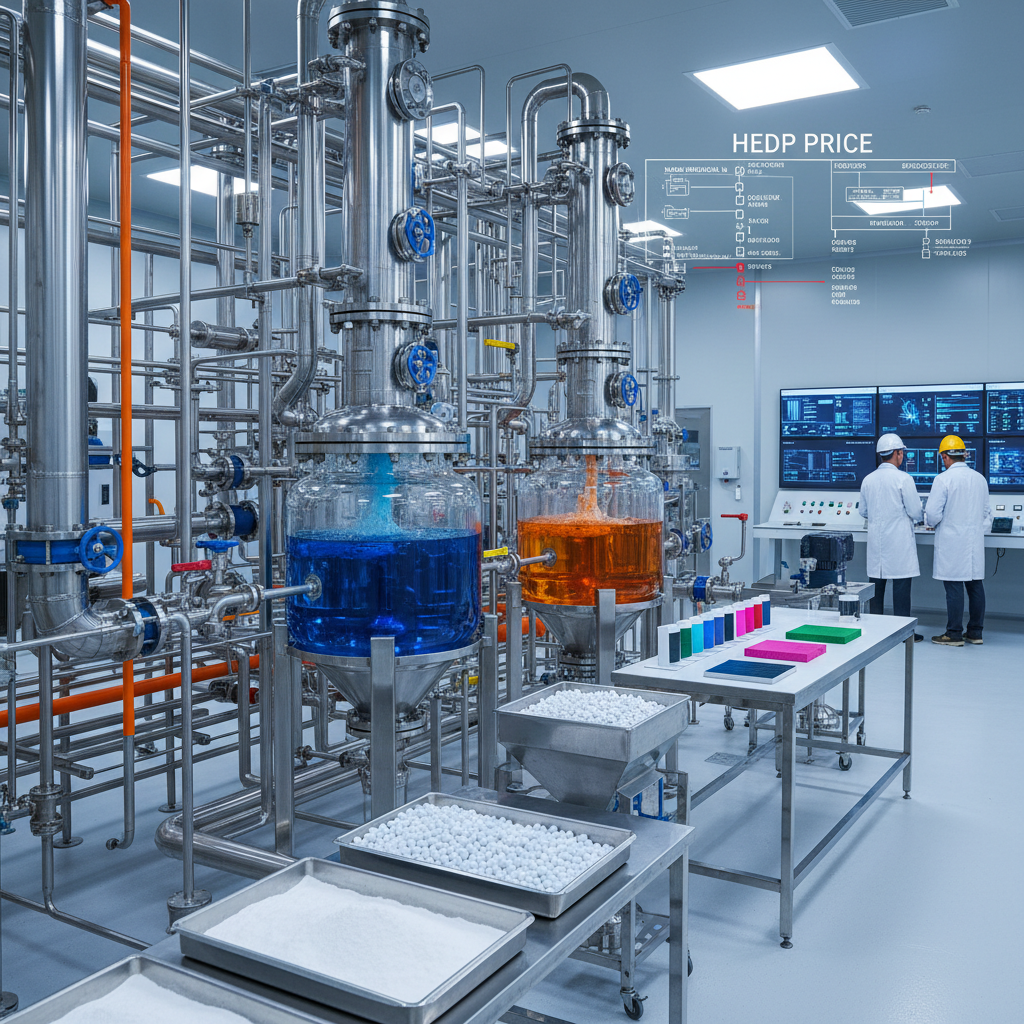
Diethylenetriamine pentamethylene phosphonic acid (DTPMPA) is a versatile phosphonate with growing importance across a range of industrial applications. Its unique molecular structure provides exceptional chelating and scale inhibition properties, making it invaluable in water treatment, oilfield operations, and cleaning formulations. Understanding its capabilities is crucial for optimizing processes and achieving sustainable solutions in these vital sectors.
The global demand for effective and environmentally responsible chemical solutions is driving increased interest in DTPMPA. Regulations surrounding water usage and discharge are becoming more stringent, prompting industries to seek alternatives to traditional, less sustainable options. DTPMPA’s biodegradability and low toxicity profile position it as a leading candidate for addressing these challenges while maintaining operational efficiency.
From preventing scale buildup in cooling towers to enhancing oil recovery rates, diethylenetriamine pentamethylene phosphonic acid offers tangible benefits that translate to cost savings and improved performance. Its adaptability to various chemical environments and its ability to function effectively in diverse temperature ranges makes it a compelling chemical for a wide variety of industrial uses.
Introduction to diethylenetriamine pentamethylene phosphonic acid
Diethylenetriamine pentamethylene phosphonic acid (DTPMPA) is a phosphonate compound notable for its exceptional chelating and scale-inhibiting properties. These characteristics make it a cornerstone in water treatment facilities, industrial cleaning processes, and oilfield applications. Its chemical structure lends itself to strong metal ion complexation, preventing the formation of scale and corrosion.
Its growing adoption is linked to the increasing demand for sustainable chemical solutions. DTPMPA offers a balance between performance and environmental responsibility. It represents a shift toward more biodegradable and less toxic alternatives to traditional phosphonates, making it an essential component in modern industrial practices.
Global Relevance and Industry Context
The global water treatment market, valued at over $90 billion in 2023 (source: Global Water Intelligence), is a primary driver for DTPMPA demand. Increasing population, industrial expansion, and stricter environmental regulations all contribute to the need for efficient and sustainable water management solutions. DTPMPA plays a crucial role in preventing scale formation in cooling towers, boilers, and desalination plants, reducing maintenance costs and improving operational efficiency.
The oil and gas industry, facing the challenge of enhanced oil recovery (EOR) and preventing scale in pipelines, represents another significant market. DTPMPA’s ability to chelate metal ions and disperse scale deposits improves flow rates and extends the lifespan of critical infrastructure. According to a report by Mordor Intelligence, the oilfield chemicals market is projected to reach $38.59 billion by 2029, further emphasizing the demand for specialized chemicals like DTPMPA.
Furthermore, the growing awareness of the environmental impact of industrial chemicals is driving the adoption of biodegradable alternatives. DTPMPA’s comparatively lower toxicity and enhanced biodegradability compared to some traditional phosphonates makes it a preferred choice for companies seeking to minimize their environmental footprint. This trend is expected to further accelerate demand in the coming years.
Defining Diethylenetriamine Pentamethylene Phosphonic Acid
Diethylenetriamine pentamethylene phosphonic acid (DTPMPA) is an organophosphonic acid characterized by its unique molecular structure containing both amine and phosphonic acid functional groups. This configuration imparts exceptional chelating, dispersing, and scale-inhibiting properties. Its molecular formula is C9H23N3O7P2 and it typically appears as a clear, viscous liquid.
DTPMPA’s core function revolves around its ability to bind to metal ions, preventing them from precipitating and forming scale deposits. This is particularly important in industrial water systems, where hard water minerals like calcium and magnesium can cause significant operational problems. Unlike traditional scale inhibitors, DTPMPA offers effectiveness over a wider pH range and at higher temperatures.
Its modern application addresses crucial humanitarian needs by ensuring access to clean and reliable water sources. By preventing scale buildup in water purification systems and desalination plants, DTPMPA contributes to providing potable water for communities globally, especially in arid and semi-arid regions where water scarcity is a major concern.
Key Characteristics of DTPMPA
The performance of diethylenetriamine pentamethylene phosphonic acid is underpinned by several key characteristics. Exceptional Chelating Ability is paramount, as it effectively sequesters metal ions, preventing scale formation and corrosion. This property is central to its functionality in diverse industrial settings.
High Thermal Stability allows DTPMPA to remain effective at elevated temperatures, making it suitable for applications like cooling water systems and oilfield operations. Broad pH Compatibility is another advantage; it maintains its performance across a wider pH range compared to many other scale inhibitors.
Performance Characteristics of Diethylenetriamine Pentamethylene Phosphonic Acid
Real-World Applications of DTPMPA
Diethylenetriamine pentamethylene phosphonic acid is utilized extensively in cooling water systems to prevent scale buildup and maintain heat transfer efficiency. This is particularly crucial in power plants and manufacturing facilities where consistent cooling is essential for operations. In post-disaster relief operations, DTPMPA can be used in portable water purification units to ensure access to safe drinking water.
In the oil and gas industry, DTPMPA is employed in enhanced oil recovery (EOR) processes to improve oil flow and increase production rates. It also serves as a scale inhibitor in pipelines and wellbores, mitigating corrosion and extending the life of infrastructure. Furthermore, in remote industrial zones, its durability and efficacy make it an ideal solution for maintaining water systems with limited maintenance access.
Advantages and Long-Term Value Proposition
The advantages of using diethylenetriamine pentamethylene phosphonic acid are substantial. Cost-effectively, DTPMPA reduces operational expenses through minimized maintenance requirements and improved system efficiency. Sustainability is enhanced by its biodegradability and lower environmental impact compared to traditional alternatives. Socially, ensuring access to clean water and reliable industrial processes fosters community well-being and economic development.
The long-term value extends beyond immediate savings. The reliability of DTPMPA in preventing scale and corrosion contributes to asset longevity, minimizing costly repairs and replacements. The enhanced safety profile, due to its lower toxicity, promotes a healthier working environment. Investing in DTPMPA signals a commitment to innovation and responsible chemical management, fostering trust with stakeholders.
Future Trends and Innovations in DTPMPA Applications
Research into the synergistic effects of DTPMPA with other green chemicals, like bio-based polymers, is gaining momentum. These combinations aim to create even more environmentally friendly and effective scale inhibition solutions. The integration of digital monitoring and control systems allows for precise dosage optimization of DTPMPA, maximizing performance and minimizing waste.
Automation of chemical dosing systems, utilizing real-time water quality data, will streamline operations and reduce human intervention. The development of new DTPMPA formulations tailored to specific industrial challenges, such as high-salinity environments or extreme temperatures, will further expand its applicability. Ultimately, sustainability and efficiency will remain central to future innovation in DTPMPA applications.
Furthermore, advancements in nanotechnology may enable the encapsulation of DTPMPA for targeted release, enhancing its effectiveness and reducing the required dosage. This could represent a significant breakthrough in minimizing environmental impact while maximizing performance.
FAQS
DTPMPA generally exhibits enhanced biodegradability and lower toxicity compared to many traditional phosphonates. While no chemical is entirely without environmental impact, DTPMPA’s chemical structure facilitates more rapid breakdown in the environment, reducing its persistence and potential for bioaccumulation. It also generally requires lower dosage levels for effective performance, contributing to a reduced overall environmental footprint.
DTPMPA is exceptionally effective in a wide variety of water systems, including cooling towers, boilers, desalination plants, and industrial wastewater treatment facilities. Its broad pH compatibility and high thermal stability make it particularly well-suited for systems operating at elevated temperatures or with fluctuating pH levels. It is especially effective in preventing scale from calcium carbonate, calcium sulfate, and barium sulfate.
Dosage rates for DTPMPA vary depending on the specific application, water quality, and system conditions. Typically, dosages range from 5 to 30 ppm (parts per million) for cooling water systems. For oilfield applications, dosages can vary significantly based on the severity of scale issues. It is always recommended to conduct thorough water analysis and consult with a chemical treatment specialist to determine the optimal dosage rate.
Generally, DTPMPA is compatible with most common water treatment chemicals, including biocides, corrosion inhibitors, and polymers. However, compatibility should always be verified before combining chemicals to avoid potential adverse reactions. It is best practice to conduct jar tests to assess compatibility and ensure optimal performance.
Although DTPMPA is considered relatively low in toxicity, it is important to follow standard chemical handling precautions. This includes wearing appropriate personal protective equipment (PPE) such as gloves, safety glasses, and protective clothing. Avoid contact with skin and eyes. In case of contact, rinse thoroughly with water. Refer to the Safety Data Sheet (SDS) for detailed safety information.
The cost of DTPMPA can vary depending on quantity and supplier. While it may have a slightly higher initial cost compared to some traditional phosphonates, its superior performance, lower dosage requirements, and extended lifespan often result in a lower total cost of ownership. The reduced maintenance and downtime associated with effective scale control also contribute to cost savings.
Conclusion
Diethylenetriamine pentamethylene phosphonic acid emerges as a crucial chemical solution for a diverse range of industrial applications, driven by its unique combination of chelating properties, thermal stability, and biodegradability. Its role in water treatment, oilfield operations, and industrial cleaning underscores its value in promoting sustainability, efficiency, and cost-effectiveness. From mitigating scale formation to enhancing oil recovery, DTPMPA consistently delivers tangible benefits.
Looking ahead, continued innovation in formulation and application techniques will further unlock the potential of DTPMPA. The convergence of green chemistry principles, digital monitoring, and automation technologies will optimize its performance and minimize its environmental impact. To learn more about how DTPMPA can address your specific chemical needs, visit our website: www.lkpbtc.com