Look, everyone's talking about lightweighting these days, right? Been seeing it everywhere on sites. Not just automotive, even in building materials. Seems like everyone wants to shave off a few grams, a few kilos. Honestly, it’s a bit of a scramble. Everyone's chasing high-strength-to-weight ratios, which sounds fancy, but really it's just about making stuff strong without making it heavy. You wouldn't believe the amount of carbon fiber I’ve seen… and the cost! But it’s not always the answer.
The biggest trap I see designers falling into? Over-engineering the details. They get so focused on a specific spec that they forget about real-world usability. Like, I encountered this at a fastener factory last time - they’d designed this super-complex bolt head that was theoretically stronger, but you couldn’t actually get a socket onto it without stripping the corners. Completely useless on a windy construction site. Strangely, they were so proud of their calculations.
We’re mostly working with various grades of aluminum – 6061, 5052, that sort of thing. Feels different depending on the alloy, some are really smooth, others a little grainy. And the smell when you mill some of those alloys… distinct, to say the least. Then there's the magnesium alloys, lighter still, but they corrode if you look at them wrong, and they're a pain to weld. Honestly, a lot of what we do comes down to knowing the feel of the material, how it behaves. You can’t learn that in a lab.
Introduction to poly aluminium chloride uses
poly aluminium chloride uses is becoming increasingly vital across numerous sectors, from water treatment to industrial processing. It's not a flashy technology, but it's foundational. Without effective methods of purification and coagulation, well, things fall apart pretty quickly. You see the impact of poor water quality every day.
The demand for efficient and cost-effective water and wastewater treatment is growing exponentially, driven by population increases, stricter environmental regulations, and increasing industrial discharge. This drives the demand for poly aluminium chloride uses. The UN estimates that over two billion people lack access to safely managed drinking water services – that’s a huge number.
Defining poly aluminium chloride uses & its Relevance
poly aluminium chloride uses, at its core, is a multi-charge polymeric coagulant. Sounds complex, but essentially it’s a chemical that helps clump together small particles suspended in water, making them easier to remove. Think of it like getting tiny bits of dirt to stick together, so you can filter them out. It’s replacing traditional alum in a lot of applications because it’s effective over a wider pH range.
It connects to modern industry because pretty much every manufacturing process generates wastewater, and that wastewater has to be treated before it's released back into the environment. And in humanitarian needs, access to clean water is, obviously, critical for survival and preventing disease. It's a basic human right, and poly aluminium chloride uses helps make that happen.
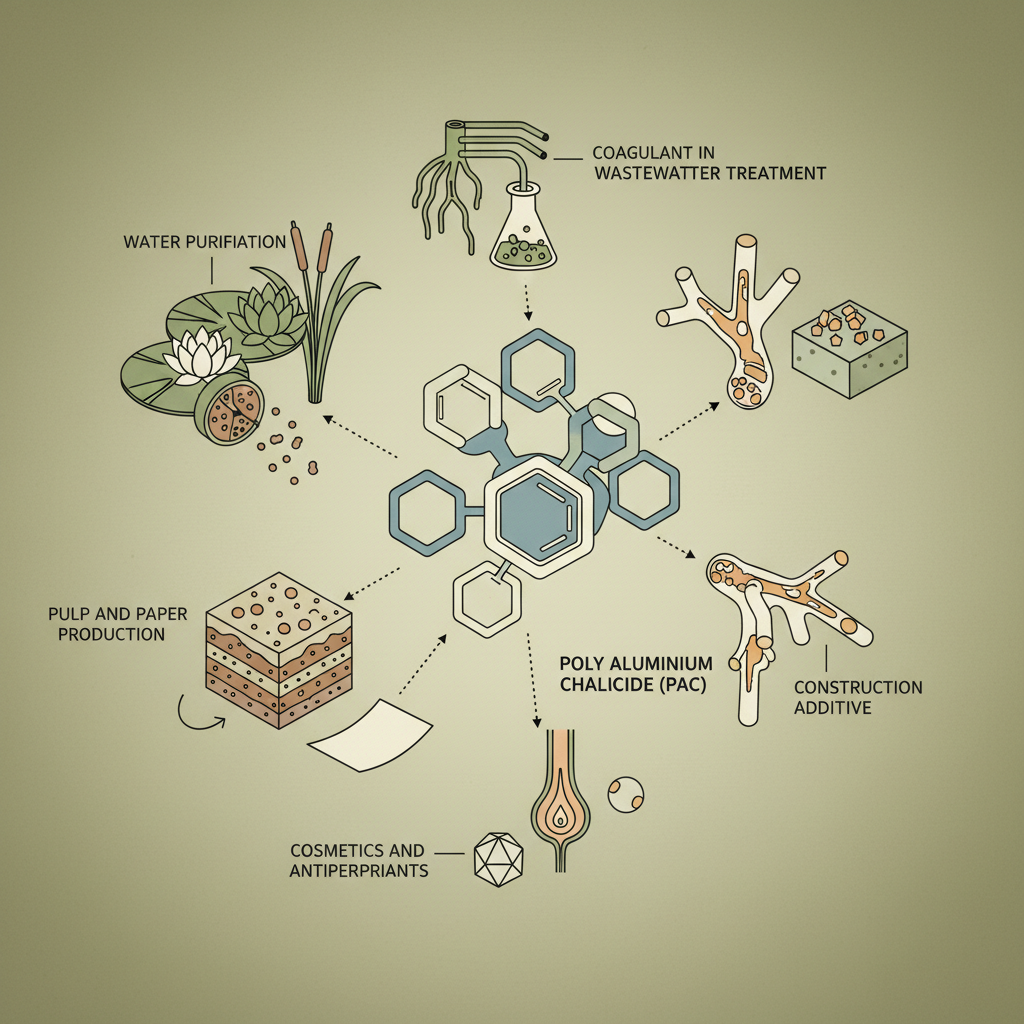
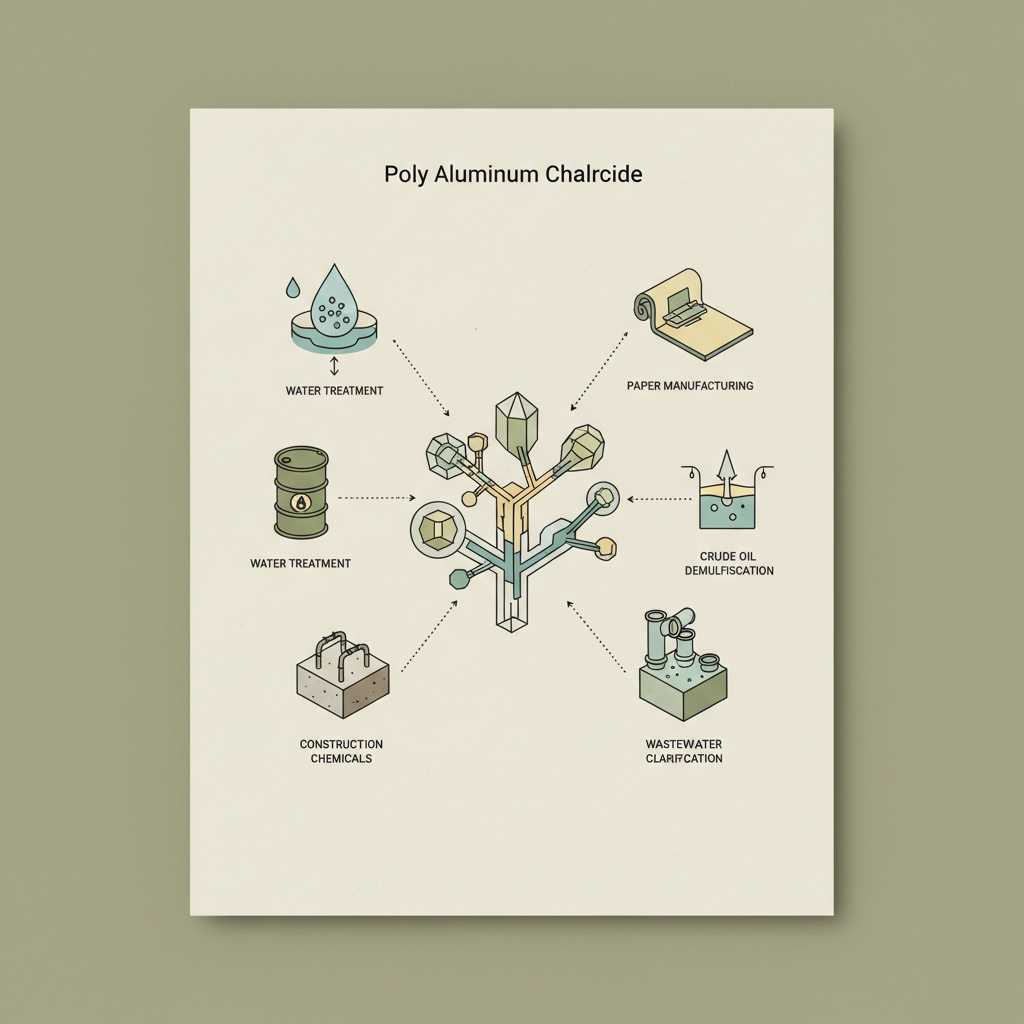
We’ve moved beyond just “clean water” though. Industries like paper making, textiles, and even cosmetics use it for purification and color removal. It's surprisingly versatile.
Core Components Influencing poly aluminium chloride uses
First, there’s the basicity ratio – the ratio of hydroxyl groups to aluminum. Higher basicity means better coagulation performance, especially in colder water. You really notice the difference during winter months. Then there’s the aluminum content, obviously. Higher content generally means greater efficiency, but also higher cost.
Molecular weight is huge. Higher molecular weight polymers tend to form larger, more readily settled flocs. But too high, and they can become brittle and break apart during handling or pumping. It’s a delicate balance. And the stability of the solution itself – it needs to stay stable in storage, not precipitate out or lose effectiveness. Nobody wants to deal with a sludge in the tank.
Finally, the form – liquid, powder, or solid. Liquid is easiest to handle, but more expensive to transport. Powder is cheaper, but can be dusty and difficult to dissolve. Solid is a bit of a compromise. Each form impacts poly aluminium chloride uses in different ways.
Real-World Applications of poly aluminium chloride uses
You’ll find poly aluminium chloride uses in municipal water treatment plants all over the world, especially in regions where water sources are turbid or polluted. It’s used to remove suspended solids, color, and organic matter. It’s also big in industrial wastewater treatment – cleaning up effluent from textile mills, paper factories, and chemical plants.
In post-disaster relief operations, it's a lifesaver for providing safe drinking water. They can quickly deploy portable water treatment systems using poly aluminium chloride uses to purify contaminated water sources. In remote industrial zones, where access to infrastructure is limited, it's a crucial component of on-site water management.
Effectiveness of poly aluminium chloride uses Methods
Advantages and Long-Term Value of poly aluminium chloride uses
Cost-effectiveness is a big one. It requires lower doses compared to traditional alum, which means less chemical consumption and lower overall treatment costs. It’s also less sensitive to temperature changes, making it reliable in a wider range of climates.
Sustainability is important, too. Reduced sludge production means less waste disposal, and it's generally considered a more environmentally friendly option than some other coagulants. It’s about doing things right, knowing you’re not just kicking the can down the road.
Future Trends and Innovations in poly aluminium chloride uses
There’s a lot of research going into modifying poly aluminium chloride uses with polymers to create hybrid coagulants with even better performance. They're trying to optimize the charge density and molecular weight for specific applications. You’re also seeing more focus on developing sustainable production methods for poly aluminium chloride uses.
And with the rise of smart water management systems, there’s potential for real-time monitoring and control of poly aluminium chloride uses dosage, optimizing treatment efficiency and reducing waste. Basically, using data to make things smarter.
Anyway, I think we’ll see more of a push toward customized formulations tailored to specific water chemistries. One size doesn’t fit all.
Challenges & Solutions Regarding poly aluminium chloride uses
The biggest challenge is probably sludge disposal. While poly aluminium chloride uses produces less sludge than some alternatives, it's still a waste product that needs to be managed responsibly. Finding cost-effective and environmentally sound disposal methods is a constant struggle.
Another issue is the potential for residual aluminum in treated water. Although typically within acceptable limits, it’s something regulators are watching closely. Some solutions involve optimizing dosage and using advanced filtration techniques. The other is ensuring the product itself is high quality, and doesn't have impurities.
Last month, that small boss in Shenzhen who makes smart home devices insisted on changing the interface to on a project that absolutely did not need it. It caused weeks of delays and rework. Same thing happens here – sometimes, people overcomplicate things, chasing trends instead of focusing on what actually works.
Summary of key challenges and potential solutions for poly aluminium chloride uses
| Challenge |
Impact on poly aluminium chloride uses |
Potential Solution |
Implementation Cost (1-10) |
| Sludge Disposal |
Increased operational costs, environmental concerns. |
Sludge dewatering & beneficial reuse (e.g., agriculture). |
7 |
| Residual Aluminum |
Regulatory compliance issues, potential health risks. |
Optimized dosage, advanced filtration. |
6 |
| pH Sensitivity |
Reduced coagulation efficiency in varying pH levels. |
pH adjustment, polymer blending. |
5 |
| Product Quality Control |
Inconsistent performance, inaccurate dosing. |
Strict supplier vetting, regular product testing. |
8 |
| Transportation Costs |
Increased overall expenses, logistical challenges. |
Local sourcing, bulk transportation options. |
4 |
| Lack of Skilled Operators |
Suboptimal treatment efficiency, increased errors. |
Comprehensive training programs, automated control systems. |
9 |
FAQS
Honestly, the biggest difference is the pH range. Alum only works effectively within a narrow pH range, whereas poly aluminium chloride uses can handle a much wider range. This makes it far more reliable in real-world conditions where pH can fluctuate. It also produces less sludge, which is a huge bonus. Basically, it’s just more forgiving.
Yes, when used correctly and within regulated limits. Residual aluminum levels are monitored closely, and treatment plants adhere to strict guidelines to ensure water quality. There's always a bit of concern, sure, but the benefits of safe water outweigh the risks when managed properly. It’s all about dosage control and proper filtration.
That's a tricky one. It depends on a lot of factors – the turbidity of the water, the pH, the temperature, the specific contaminants present. Jar tests are the standard method – you add different doses to samples of your water and see which one produces the clearest results. There's no magic number, it's all about trial and error.
It can, but it’s not a silver bullet. Often you need a pre-treatment step to remove the bulk of the oil and grease before using poly aluminium chloride uses. It’s good at removing emulsified oils, but large quantities will overwhelm the system. You might also need to combine it with other treatment methods like activated carbon.
The production process can generate some waste, particularly red mud, which needs to be disposed of responsibly. There's increasing focus on developing more sustainable production methods and finding ways to reuse or recycle the waste. It's a growing concern, and manufacturers are under pressure to improve their environmental performance.
Keep it in a cool, dry place, away from direct sunlight. Make sure the containers are tightly sealed to prevent evaporation and contamination. And don't store it for too long – it can degrade over time. Honestly, just treat it like any other sensitive chemical and follow the manufacturer's instructions.
Conclusion
Ultimately, poly aluminium chloride uses is a workhorse chemical, quietly keeping our water clean and our industries running. It’s not glamorous, and there are challenges to overcome, but its cost-effectiveness and versatility make it a crucial component of modern water and wastewater treatment. It's a tool, and like any tool, it's only as good as the person using it.
Looking ahead, I think we’ll see more focus on customized formulations and sustainable production methods. And remember, whether this thing works or not, the worker will know the moment he tightens the screw.