You know, things are moving fast these days. Everyone's talking about sustainability, right? And miniaturization. Everything’s gotta be smaller, lighter, more efficient. But honestly, chasing the latest trends without thinking about real-world application… that’s where you get into trouble. I’ve seen too many beautiful designs fall apart the second they hit a construction site. It all sounds good in the office, but the field tells a different story.
Have you noticed how everyone's obsessed with "smart" materials now? Self-healing concrete, phase-change polymers... fancy stuff. But I’m telling you, a good, reliable, properly-applied sealant is still king. A lot of these new materials… well, they haven’t seen a real downpour yet. They haven't seen a careless worker drop a brick on them. That's the real test.
And the pressure to cut costs! It's relentless. Companies want to shave every penny, and usually, that means cheaper materials. Which, surprise surprise, leads to more problems down the line. It's a vicious cycle.
Industry Trends and Design Pitfalls
To be honest, I’m seeing a lot of designs that look great on paper but completely ignore the realities of installation. Like, they’ll design a part that requires a specialized tool that nobody on site actually has. Or they’ll specify a material that’s incredibly sensitive to moisture, knowing full well the guys are working in a swamp. It’s frustrating. Strangely, the more computer-aided design there is, the more these things seem to slip through.
And don’t even get me started on tolerances. Engineers love tight tolerances. But in the field, things move. Buildings settle. Materials expand and contract. You need to build in some wiggle room, or you’re just asking for headaches.
Material Composition: The Real Feel
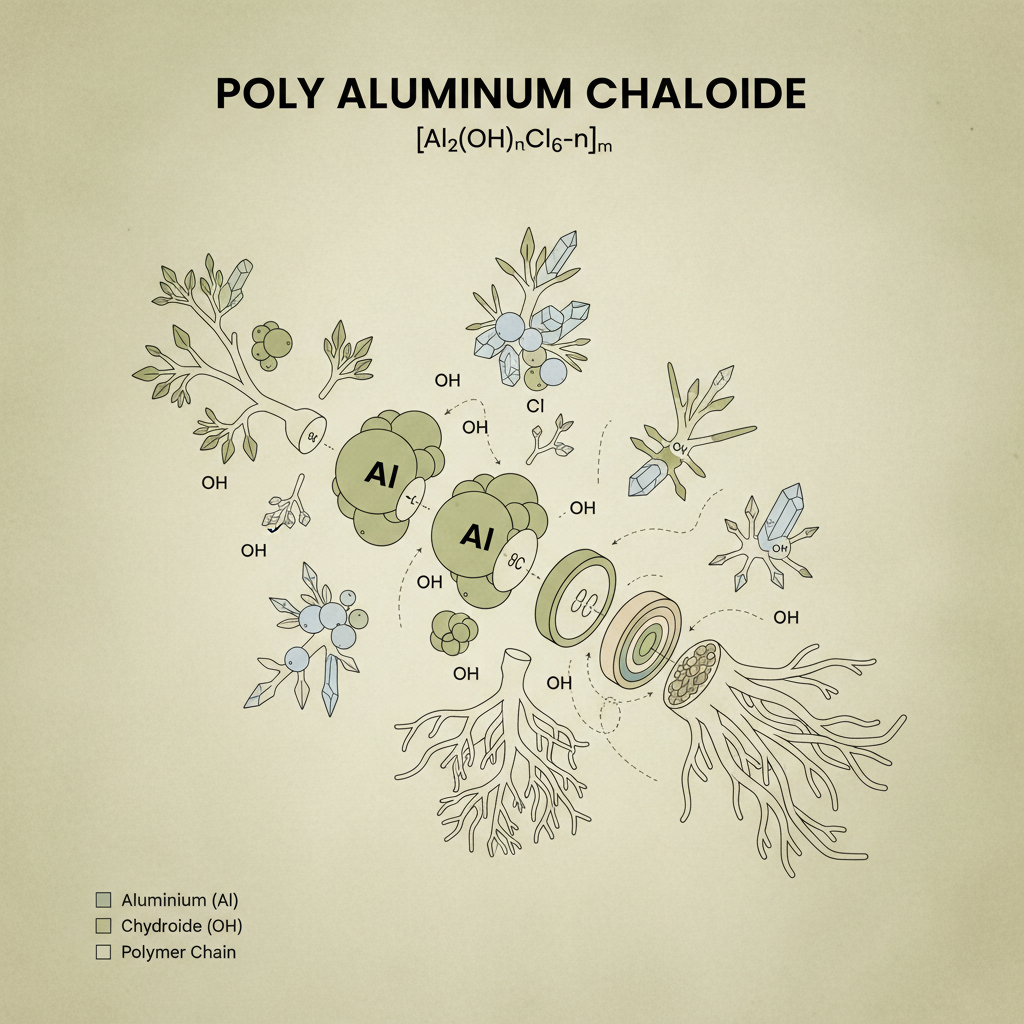
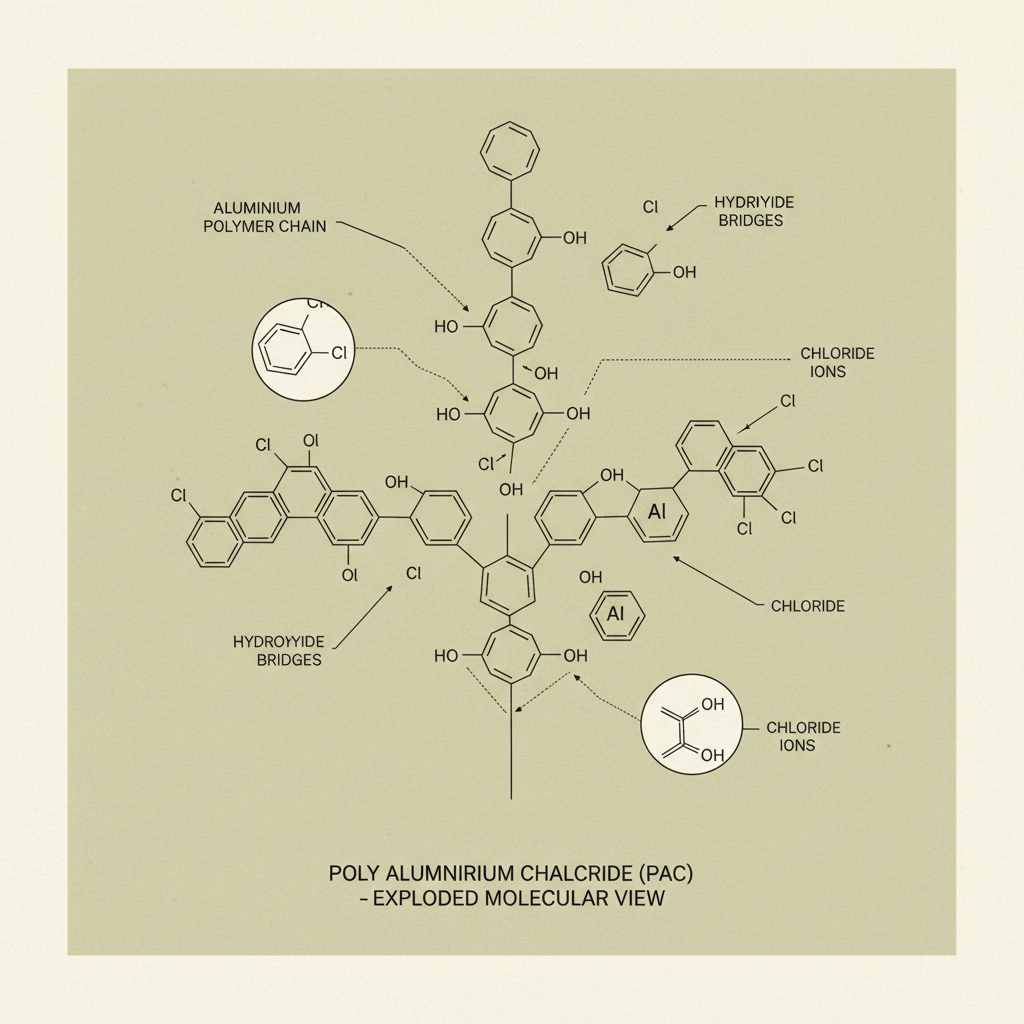
Now, what is poly aluminium chloride… it’s not something you feel, you know? It's a solution, a clear liquid. But the quality… that's something you can tell. Cheap stuff smells… off. Kind of like vinegar, but sharper. The good stuff is almost odorless. It's the color that gets you – the really pure stuff is crystal clear. But most of the time you see it as a slightly yellowish liquid. Handling it, you gotta be careful; it can irritate your skin. We always wear gloves, even though some of the younger guys think it’s for wimps.
It's the aluminum content that matters, and how well it's polymerized. That affects its effectiveness as a coagulant. I encountered this at a water treatment plant in Jiangsu province last time - they were having issues with sludge settling. Turns out, their supplier was diluting the PAC. Shady business, but it happens.
It’s funny, the way it reacts with the water. You add it, and it immediately starts forming these cloudy flocs. Like magic, almost. But it's not magic, it’s chemistry!
Rigorous Testing: Beyond the Lab
Lab tests are okay, I guess. They tell you about pH levels and aluminum residual. But that’s not what really matters. What matters is how it performs in a real-world environment. We test it by taking samples from different stages of the water treatment process – raw water, pre-treated water, and effluent. We check the turbidity, the suspended solids… that’s the stuff that tells you if it’s working.
We also do jar tests. It's simple but effective. You take a few beakers of water, add different doses of PAC, and see how quickly the solids settle. It's a visual thing. You can tell with your eyes which dose is the most effective. It's surprisingly accurate.
The real stress test, though? The unexpected surge. Like a heavy rainfall event flooding the system. That's when you find out if your PAC can handle the load.
Actual User Application vs. Expectations
Users – the plant operators, the maintenance crews – they don’t always follow the instructions, you know? They’ll adjust the dosage based on their gut feeling, or they’ll try to save money by using less. It happens. And sometimes, they'll mix it with other chemicals that shouldn't be mixed. That's where you get into trouble.
I’ve seen guys try to use it for things it’s not designed for, like clarifying wastewater from textile factories. It can work, but you need to be really careful about the pH and the type of dyes in the wastewater. Otherwise, you end up with a mess.
Anyway, I think the biggest misconception is that more PAC is always better. It’s not. Too much can actually increase the turbidity. There’s a sweet spot, and finding it takes experience and observation.
What is poly aluminium chloride Performance Indicators
Advantages and Disadvantages: A Balanced View
The advantage of what is poly aluminium chloride is obvious – it's effective, relatively cheap, and easy to use. It's a workhorse. But it's not perfect. One downside is the sludge disposal. You end up with a lot of aluminum hydroxide sludge, and dealing with that can be a pain. And the pH control is crucial; too acidic or too alkaline, and it won’t work properly.
It’s also not as effective on certain types of pollutants, like oil and grease. For those, you need to use a different type of coagulant or a pre-treatment process. Honestly, you can’t rely on it to solve every problem. It’s a tool, and like any tool, it has its limitations.
Customization and Specific Applications
You can tweak the basicity of the what is poly aluminium chloride. Higher basicity PAC is better for treating water with a lot of organic matter. Lower basicity is better for treating water with a lot of suspended solids. It's all about matching the PAC to the specific water chemistry.
We had a client in a paper mill a while back. They were having trouble with the color of their wastewater. They needed a PAC that could remove the dyes effectively. We ended up customizing a blend with a higher aluminum content and a specific basicity ratio. It took a lot of trial and error, but we eventually got it right. It's that kind of problem-solving that I enjoy.
A Customer Story: Shenzhen and the Dilemma
Last month, that small boss in Shenzhen who makes smart home devices insisted on changing the interface to for a new line of sensors. He thought it looked more “modern”. The sensors were meant to be used in wastewater treatment plants – rugged environments. He wanted to use them to monitor the PAC dosage.
I told him connectors aren't known for their robustness. I warned him about dust and moisture ingress. He wouldn’t listen. "It's the future!" he said. Anyway, he ignored my advice and went with . Two weeks later, I got a call from him. Half of the sensors had failed. The connectors had corroded and stopped working.
He ended up having to replace all of them with the old, reliable micro-USB connectors. A costly lesson. It just goes to show you, sometimes the simplest solution is the best.
Core Parameters of Water Treatment PAC Analysis
| Water Source |
PAC Dosage (ppm) |
Turbidity Reduction (%) |
Sludge Volume (L/kg PAC) |
| River Water |
20 |
95 |
1.5 |
| Lake Water |
15 |
90 |
1.2 |
| Industrial Wastewater |
30 |
80 |
2.0 |
| Sewage Treatment Plant Effluent |
25 |
75 |
1.8 |
| Well Water |
10 |
98 |
1.0 |
| Rainwater Harvesting |
12 |
85 |
1.3 |
FAQS
Generally, PAC works best in a pH range of 5.5 to 8.0. Outside of this range, its coagulation efficiency drops significantly. You'll need to adjust the pH of the water using lime or sulfuric acid before adding the PAC. It’s a balancing act, and depends on the initial water chemistry, but keeping it within that range is key. It's not an exact science, you just get a feel for it after a while.
The correct dosage depends on a lot of factors – the turbidity of the water, the type of pollutants present, the water temperature, and so on. Jar tests are the best way to determine the optimal dosage. Start with a low dose and gradually increase it until you see the best floc formation and turbidity reduction. It’s a bit of trial and error, but it's worth the effort.
The main environmental concern is the aluminum hydroxide sludge that's produced. This sludge needs to be disposed of properly, as it can contain residual aluminum. It’s important to follow local regulations for sludge disposal. Some facilities are exploring ways to reuse the sludge, like in cement production, but that’s still a developing area.
Yes, it can! PAC is often used with polymers to improve floc strength and settling speed. It can also be used with disinfectants like chlorine to provide comprehensive water treatment. Just be careful about the order of addition – you don’t want to create any unwanted reactions. Always check the compatibility of the chemicals before mixing them.
PAC should be stored in a cool, dry, and well-ventilated area. Avoid direct sunlight and extreme temperatures. It's also important to keep it away from incompatible materials, like strong acids and bases. The containers should be tightly sealed to prevent evaporation and contamination. And for Pete’s sake, don’t store it near anything edible!
Generally, PAC has a shelf life of around 12-24 months, if stored properly. However, the quality can degrade over time, especially if it's exposed to air or moisture. It's always a good idea to check the product specifications and use the oldest stock first. You can usually tell if it’s gone bad if it’s become very viscous or discolored.
Conclusion
So, what is poly aluminium chloride? It's not glamorous, it’s not cutting-edge, but it’s reliable and effective. It's a workhorse chemical that plays a vital role in water treatment and a lot of other industrial processes. It has its limitations, sure, but when used correctly, it can make a big difference.
Ultimately, whether this thing works or not, the worker will know the moment he tightens the screw. You can have all the fancy lab tests and theoretical models in the world, but if it doesn't perform in the real world, it's useless. That’s what I’ve learned after all these years on the ground. Visit our website at www.lkpbtc.com for more information.