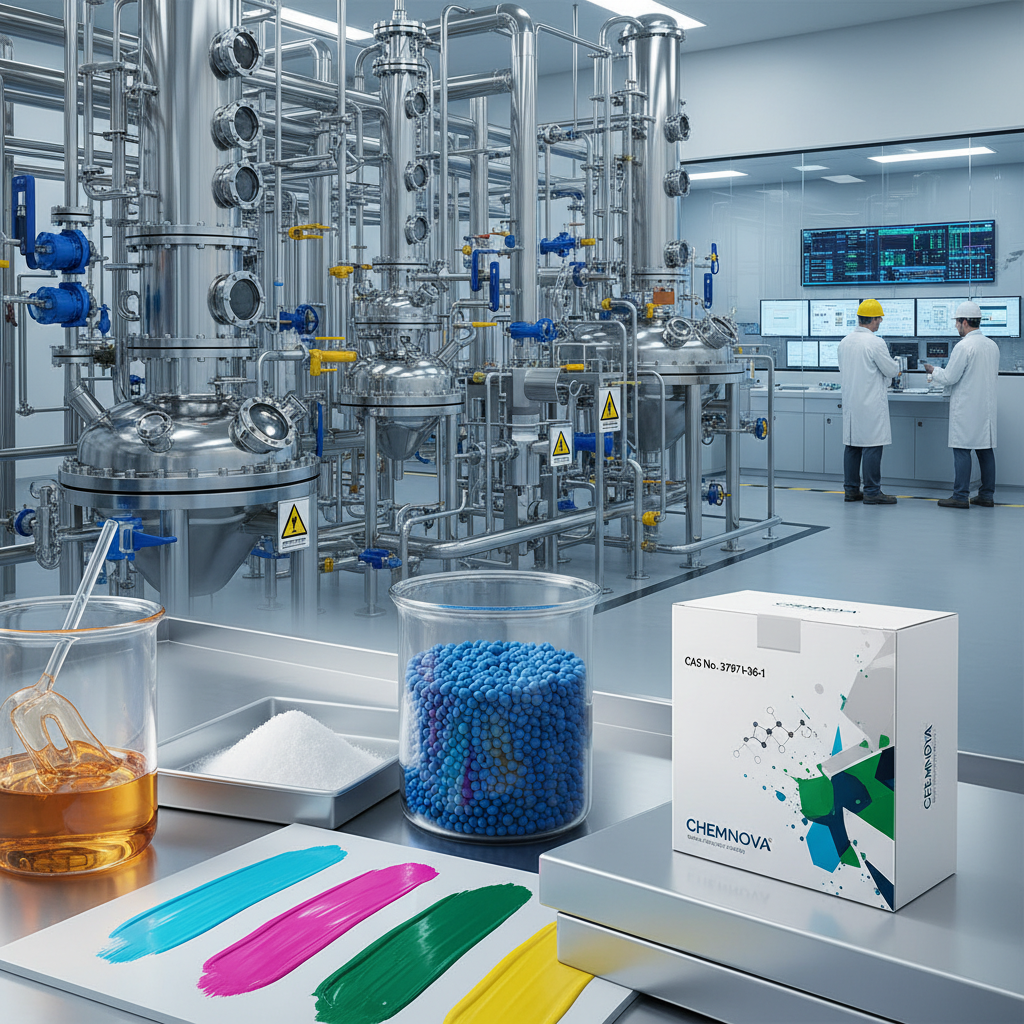
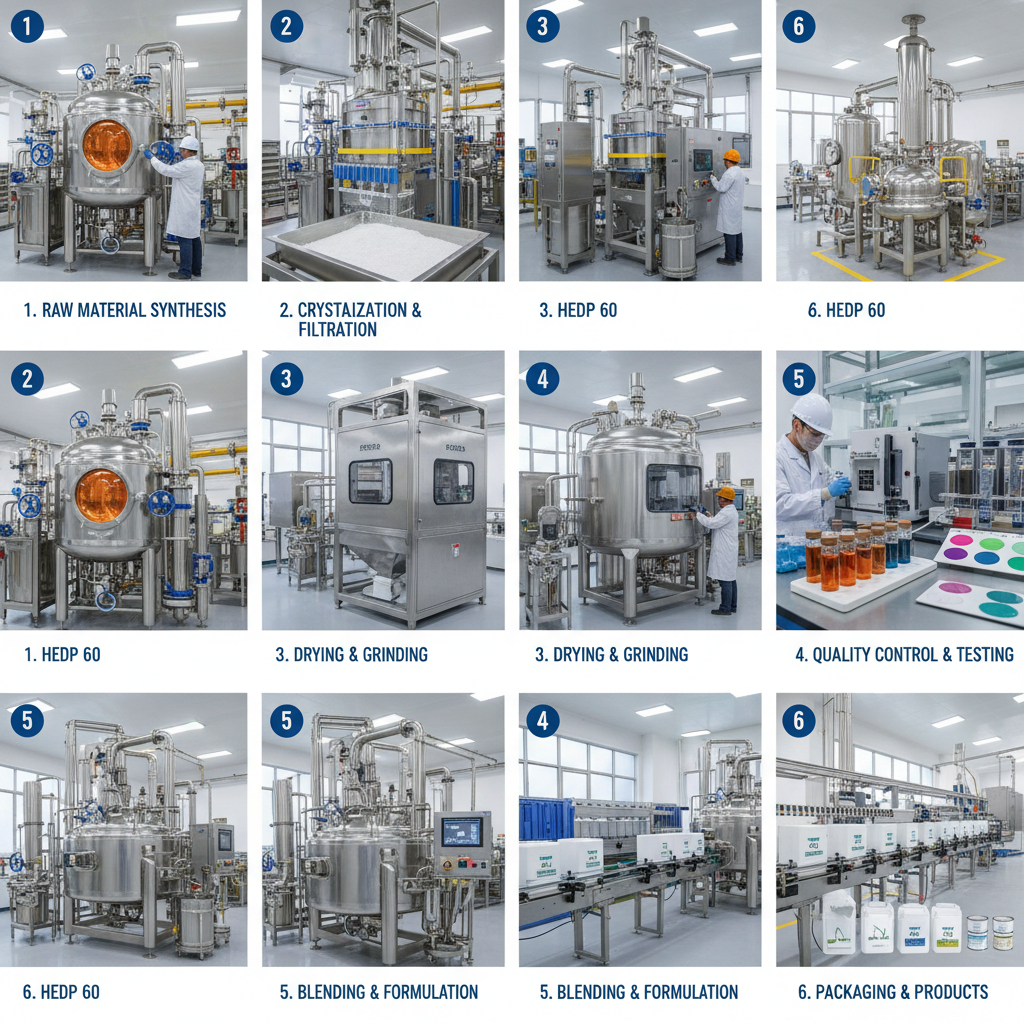
Polyacrylamide price per kg is a critical factor across a multitude of industries, from wastewater treatment and oil recovery to agriculture and paper manufacturing. Understanding the dynamics influencing this price – raw material costs, production capacity, global demand, and regulatory factors – is paramount for businesses seeking to optimize their operational expenses and maintain a competitive edge. The cost of polyacrylamide directly impacts the efficiency and affordability of vital processes, making its price a key economic indicator.
Fluctuations in polyacrylamide price per kg can significantly affect project feasibility and budget allocations. Global supply chain disruptions, geopolitical events, and shifts in environmental regulations all contribute to price volatility. Businesses need to proactively monitor these trends and implement effective sourcing strategies to mitigate risk. Moreover, advancements in polymer chemistry and manufacturing processes continually introduce new grades of polyacrylamide, each with varying price points and performance characteristics.
This article will delve into the intricacies of polyacrylamide price per kg, examining the key determinants, regional variations, applications, and future trends shaping its market. A clear understanding of these factors is essential for informed decision-making and successful resource management in diverse industrial sectors. We will also explore strategies for securing competitive pricing and navigating the complexities of the polyacrylamide supply chain, highlighting resources like polyacrylamide price per kg for current market information.
Introduction to Polyacrylamide Price Dynamics
The polyacrylamide price per kg isn’t static; it’s a complex interplay of economic forces, raw material availability, and the specific grade of polymer required. Higher molecular weight polyacrylamides, designed for demanding applications like enhanced oil recovery, generally command a premium price compared to lower molecular weight grades used in simpler wastewater treatment processes. This differential is driven by the increased manufacturing complexity and resource intensity of producing high-performance polymers.
Understanding these dynamics is vital for purchasers. Strategic sourcing, long-term contracts, and exploring alternative suppliers are crucial for minimizing the impact of price fluctuations. Information regarding current polyacrylamide price per kg is readily available and should be actively monitored to facilitate informed procurement decisions.
Defining Polyacrylamide Price per Kg
Polyacrylamide price per kg refers to the cost of one kilogram of this synthetic polymer. Polyacrylamide (PAM) is a water-soluble polymer formed from the polymerization of acrylamide. It exists in various forms—powder, emulsion, and gel—and its price is directly linked to its molecular weight, ionic charge (anionic, cationic, or non-ionic), and degree of hydrolysis. These factors dictate its suitability for specific applications, impacting its demand and, consequently, its price.
This price is a key metric for industries relying on PAM for flocculation, thickening, and drag reduction. It is not simply a commodity cost but rather a crucial input into operational budgets, impacting the overall cost-effectiveness of processes. Analyzing polyacrylamide price per kg trends is vital for predicting future costs and optimizing resource allocation.
The definition extends beyond just the base polymer cost. It encompasses packaging, transportation, import duties (where applicable), and potential supplier markups. Therefore, a comprehensive assessment of polyacrylamide price per kg requires considering all these associated costs to arrive at a true landed cost.
Factors Influencing Polyacrylamide Price
Several core factors dictate polyacrylamide price per kg. Raw material costs, primarily acrylamide monomer, are a primary driver. Fluctuations in crude oil prices, a key component in acrylamide production, directly impact PAM pricing. Production capacity and supply chain disruptions also play significant roles; shortages or logistical bottlenecks can rapidly inflate prices.
Global demand, driven by industrial growth and stricter environmental regulations, also impacts price. Increasing demand for wastewater treatment solutions, for example, increases the demand for PAM, potentially driving prices upward. Regulatory changes concerning water quality and industrial discharge can similarly influence demand and, consequently, pricing. Finally, the specific grade of polyacrylamide - molecular weight, charge density, and purity - adds to the pricing equation.
Geopolitical events and trade policies can also exert considerable influence. Tariffs on acrylamide monomer, for example, would inevitably be passed on to polyacrylamide buyers. Currency exchange rates between the producing country and the purchasing country also affect the final price. Therefore, a holistic view, incorporating these diverse elements, is essential for accurately forecasting polyacrylamide price per kg.
Global Applications and Price Sensitivity
Polyacrylamide finds extensive application across diverse industries. In wastewater treatment, it acts as a flocculant, removing suspended solids and clarifying water. In oil & gas, it's used in enhanced oil recovery (EOR) and drilling fluids. Agriculture utilizes PAM for soil conditioning and irrigation water management. Paper manufacturing employs it for improving paper strength and retention. Price sensitivity varies significantly across these sectors.
The oil & gas industry, with its high-value operations, can generally absorb higher polyacrylamide price per kg compared to the wastewater treatment sector, where cost is a more critical factor. In developing regions, particularly those with limited industrial infrastructure, price sensitivity is often heightened. Similarly, smaller-scale agricultural operations are more price conscious than large-scale commercial farms.
Polyacrylamide Price Per Kg – Application Specific Sensitivity
Advantages of Cost-Effective Polyacrylamide Sourcing
Securing a competitive polyacrylamide price per kg translates directly into significant operational savings for businesses. Lower material costs improve profit margins and enable companies to offer more competitive pricing in their respective markets. Furthermore, cost-effective sourcing frees up capital for investment in other areas, such as research and development or facility upgrades.
Beyond purely financial benefits, responsible sourcing practices enhance a company’s sustainability profile. By working with reliable suppliers committed to environmental responsibility, businesses can minimize their environmental footprint and align with growing consumer demand for sustainable products and practices. This can enhance brand reputation and attract environmentally conscious customers.
Future Trends in Polyacrylamide Pricing
The future of polyacrylamide price per kg will be influenced by several emerging trends. The development of bio-based polyacrylamides, derived from renewable resources, is gaining momentum, potentially offering a sustainable alternative to traditional petroleum-based polymers. While currently more expensive, advancements in biotechnology could drive down their production costs.
Increased focus on circular economy principles could lead to greater recycling and reuse of polyacrylamide, reducing reliance on virgin materials and potentially lowering prices. Further innovation in polymer chemistry may result in new grades of polyacrylamide with enhanced performance characteristics, justifying higher prices but also offering increased efficiency and value.
Digitalization and data analytics are also playing a growing role, enabling more accurate demand forecasting and optimized supply chain management. These advancements can help reduce price volatility and improve transparency in the polyacrylamide market. Monitoring resources like polyacrylamide price per kg will be crucial for staying ahead of these trends.
Challenges and Mitigation Strategies for Polyacrylamide Price Volatility
Polyacrylamide price per kg is susceptible to significant volatility due to several challenges. Supply chain disruptions, raw material price fluctuations, and geopolitical instability all pose risks. Furthermore, limited supplier diversification can leave buyers vulnerable to price manipulation.
Mitigation strategies include establishing long-term contracts with multiple suppliers to secure stable pricing. Implementing robust inventory management systems can buffer against short-term price spikes. Actively monitoring market trends and diversifying sourcing locations can also reduce risk.
Investing in alternative flocculation technologies, such as chitosan or modified starches, can provide a hedge against polyacrylamide price increases. Finally, exploring collaborative purchasing agreements with other businesses can leverage collective bargaining power to negotiate more favorable pricing terms.
Summary of Mitigation Strategies for Polyacrylamide Price Volatility
| Strategy Type |
Description |
Implementation Difficulty (1-5, 1=Easy) |
Potential Cost Savings (1-5, 1=Low) |
| Contractual Agreements |
Long-term contracts with suppliers to fix pricing. |
3 |
4 |
| Supplier Diversification |
Sourcing from multiple suppliers to reduce dependency. |
4 |
3 |
| Inventory Management |
Maintaining strategic inventory levels. |
2 |
2 |
| Alternative Technologies |
Exploring non-polyacrylamide flocculants. |
5 |
4 |
| Collaborative Purchasing |
Joining forces with other buyers for better pricing. |
4 |
3 |
| Market Monitoring |
Tracking raw material prices and market trends. |
2 |
3 |
FAQS
The primary drivers of polyacrylamide price per kg fluctuations are raw material costs (acrylamide monomer, often linked to crude oil prices), global supply and demand dynamics, production capacity constraints, geopolitical events, and transportation costs. Unexpected disruptions in any of these areas can lead to significant price volatility. Monitoring these factors is essential for informed purchasing decisions.
Securing a stable price involves several strategies. Long-term contracts with suppliers, diversifying your supplier base, and bulk purchasing can all help mitigate price fluctuations. Exploring alternative flocculation technologies as a backup can also provide a hedge. Regularly monitoring market trends and understanding supply chain dynamics are critical for proactive price management.
Typical lead times for polyacrylamide orders range from 2 to 6 weeks, depending on the supplier, product grade, and order volume. Longer lead times can sometimes result in higher prices due to increased storage costs and potential supply chain disruptions. Planning ahead and placing orders well in advance can often secure more favorable pricing.
Yes, bio-based polyacrylamides and alternative flocculants like chitosan and modified starches are emerging as eco-friendly alternatives. Currently, these alternatives generally command a higher price per kg than traditional petroleum-based polyacrylamide. However, as technology advances and production scales up, the price gap is expected to narrow, making them more competitive.
Import duties and tariffs can significantly impact the final polyacrylamide price per kg, particularly for businesses importing from overseas. These charges are levied by the importing country and are added to the cost of the product. Changes in trade policies and tariff rates can therefore directly affect the overall cost of polyacrylamide.
Several resources offer information on polyacrylamide pricing. Industry reports, market research firms, and direct quotes from suppliers are valuable sources. Websites such as polyacrylamide price per kg provide current market data and insights. Regularly consulting these resources is crucial for staying informed and making informed purchasing decisions.
Conclusion
Understanding the nuances of polyacrylamide price per kg is crucial for businesses across a broad spectrum of industries. From the influence of raw material costs and global demand to the emergence of sustainable alternatives, a holistic understanding of these factors is key to optimizing procurement strategies and maintaining operational efficiency. Proactive monitoring, supplier diversification, and exploration of alternative technologies are vital for mitigating price volatility and ensuring long-term cost-effectiveness.
Looking ahead, the polyacrylamide market will continue to evolve, driven by innovation in polymer chemistry, a growing emphasis on sustainability, and the increasing digitalization of supply chains. Staying informed about these trends and adapting to changing market conditions will be paramount for success. For current market pricing and detailed product information, visit our website at www.lkpbtc.com.