0%

Table of Contents

pbtc scale inhibitorpbtc are crucial chemical compounds used extensively across various industrial applications, primarily focused on preventing or mitigating the formation of scale deposits. Scale, typically composed of mineral salts like calcium carbonate, barium sulfate, and magnesium silicate, can severely impede the efficiency of industrial processes, reduce heat transfer rates, and ultimately lead to costly equipment failure. Understanding the mechanisms of scale formation and the effective application of pbtc scale inhibitorpbtc is therefore paramount to maintaining operational efficiency and reducing downtime.

The global demand for effective scale inhibition solutions is driven by factors such as increasing water scarcity, stringent environmental regulations regarding water discharge, and the growing complexity of industrial operations. Industries heavily reliant on water-based processes – including oil and gas, power generation, chemical processing, and desalination – all require robust scale control strategies. pbtc scale inhibitorpbtc play a vital role in sustainable water management, reducing the need for frequent cleaning and extending the lifespan of critical infrastructure.

The importance of pbtc scale inhibitorpbtc extends beyond merely protecting equipment. By optimizing system performance and minimizing water consumption, these inhibitors contribute to overall cost savings and reduced environmental impact. Ongoing research and development are focused on creating more environmentally friendly and highly effective pbtc scale inhibitorpbtc formulations to meet the evolving needs of a global market increasingly focused on sustainability.
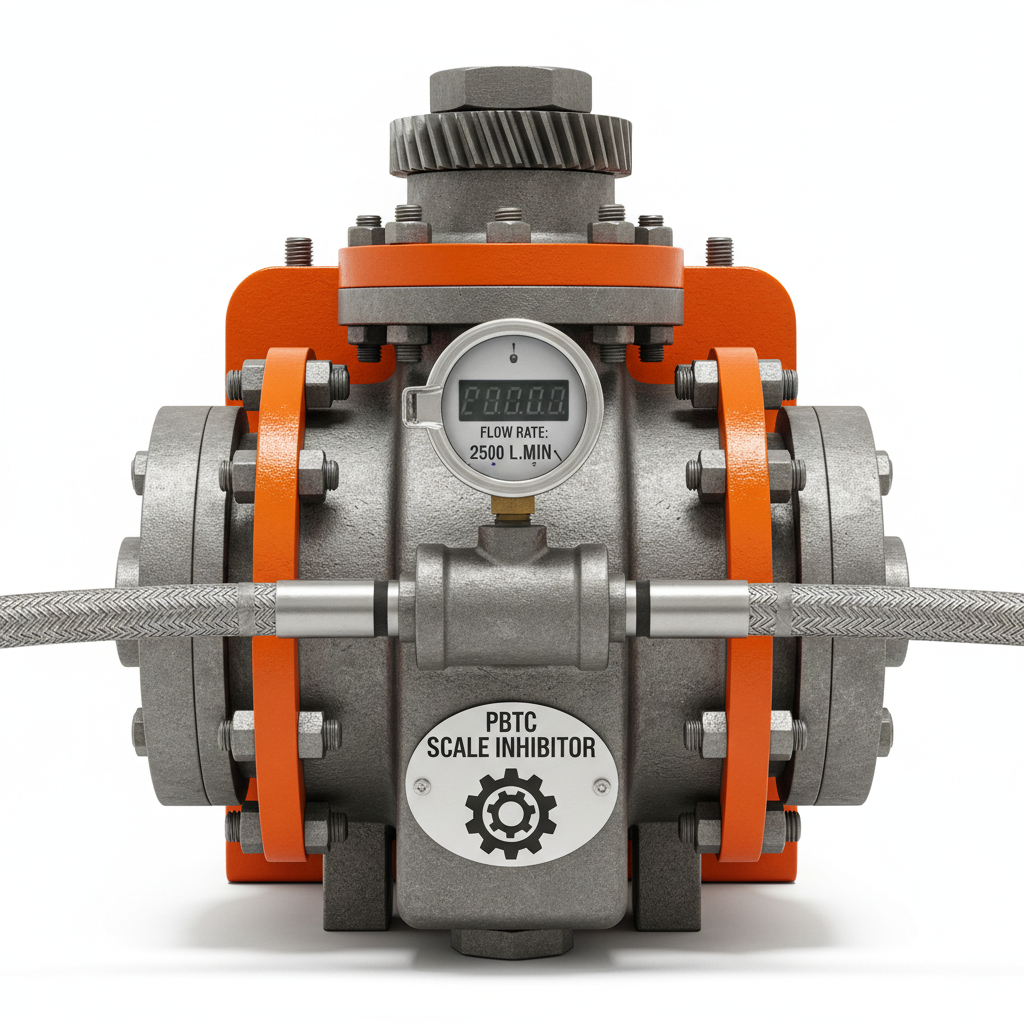
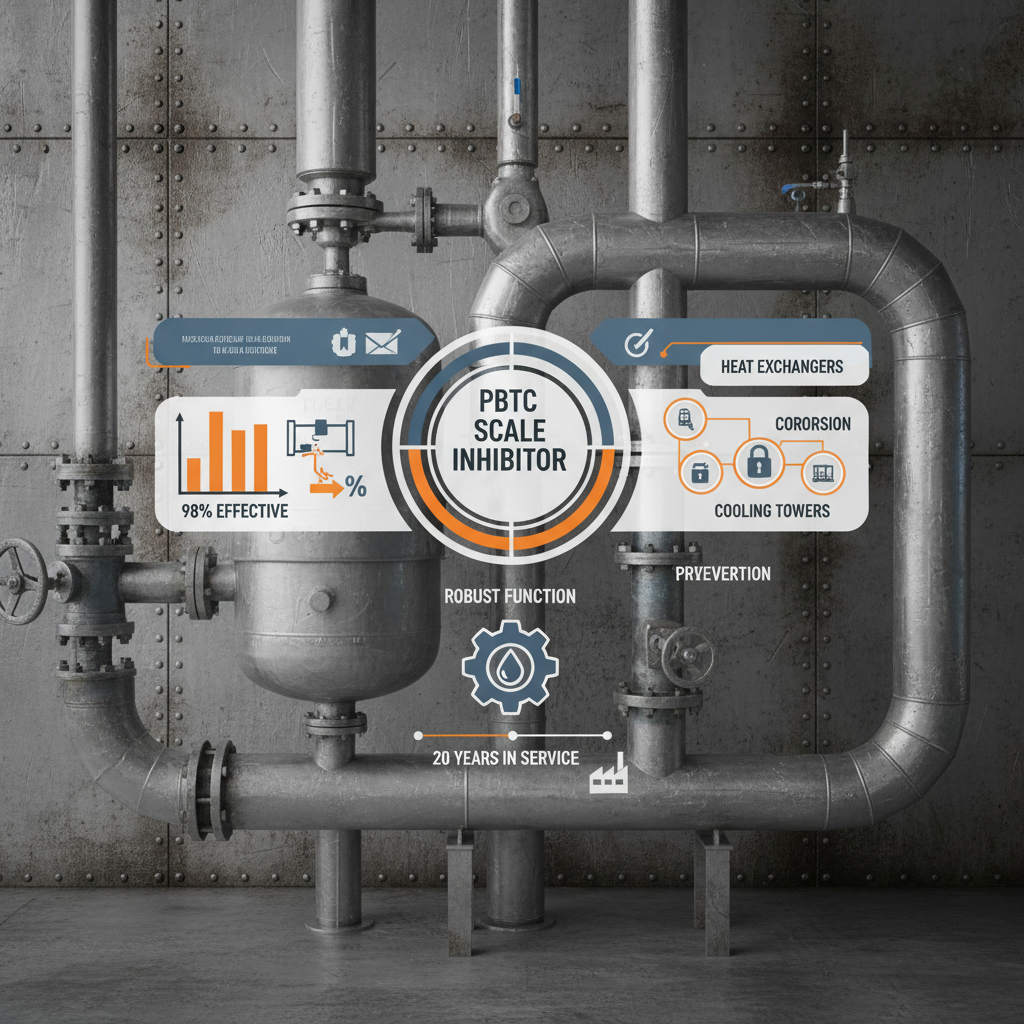
Effective pbtc Scale Inhibitorpbtc Solutions for Industrial Water Treatment

Introduction to pbtc scale inhibitorpbtc

Effective pbtc Scale Inhibitorpbtc Solutions for Industrial Water Treatment

pbtc scale inhibitorpbtc are a class of chemical additives designed to prevent or reduce the deposition of mineral scales in industrial water systems. These inhibitors work by disrupting the crystal growth process, keeping dissolved minerals soluble and preventing them from adhering to surfaces. Their proper application is critical to the longevity and efficiency of many industrial operations.

The selection of the appropriate pbtc scale inhibitorpbtc depends on a variety of factors, including the water chemistry, operating temperature, and the specific types of scale-forming minerals present. Proper dosage and monitoring are essential for optimal performance. Without effective scale control, industries face significant economic and operational challenges.

Defining pbtc scale inhibitorpbtc

pbtc scale inhibitorpbtc are typically phosphonate-based polymers specifically formulated to disrupt the nucleation and crystal growth of scale-forming minerals. They function by adsorbing onto the surface of growing crystals, distorting their structure, and preventing them from forming a cohesive, adhering deposit. They are distinct from other scale control methods like chlorination or pH adjustment in their targeted and preventative approach.

These compounds are intrinsically linked to modern industrial processes, enabling efficient and reliable operation of critical equipment. Without them, systems like cooling towers, boilers, and desalination plants would quickly become fouled, reducing their performance and increasing maintenance costs.

The "pbtc" designation often refers to a specific chemical structure within the phosphonate family, signifying enhanced solubility and effectiveness in challenging water conditions. Selecting the correct pbtc inhibitor formulation requires careful analysis of the water's composition.

Key Characteristics of pbtc scale inhibitorpbtc

One crucial characteristic of pbtc scale inhibitorpbtc is their excellent thermal stability. This allows them to remain effective at high temperatures found in boilers and cooling towers, preventing scale formation under harsh operating conditions. Their robust chemical structure prevents degradation and maintains inhibitory performance.

Another key aspect is their broad-spectrum effectiveness. Many pbtc scale inhibitorpbtc can inhibit the precipitation of multiple scale-forming minerals – calcium carbonate, calcium sulfate, barium sulfate, and strontium sulfate – offering comprehensive protection against a wide range of scaling issues. This versatility reduces the need for multiple treatment chemicals.

Furthermore, pbtc scale inhibitorpbtc exhibit good compatibility with other water treatment chemicals, such as corrosion inhibitors and biocides. This compatibility allows for the formulation of comprehensive water treatment programs tailored to specific industrial needs. However, careful compatibility testing is always recommended.

Performance Metrics of pbtc scale inhibitorpbtc

Evaluating the performance of pbtc scale inhibitorpbtc requires measuring several key parameters. The most critical is the “inhibition ratio,” which quantifies the percentage reduction in scale formation compared to an untreated control sample. Higher inhibition ratios indicate greater effectiveness.

Another important metric is the “dosage requirement,” measured in parts per million (ppm). The optimal dosage is the lowest concentration that provides the desired level of scale inhibition, balancing cost-effectiveness with performance.

pbtc scale inhibitorpbtc Performance Comparison


Global Industrial Applications of pbtc scale inhibitorpbtc

The oil and gas industry extensively utilizes pbtc scale inhibitorpbtc to prevent scale formation in pipelines, wellbores, and processing facilities, maintaining efficient oil and gas production. This is particularly critical in offshore operations where access for cleaning and maintenance is limited.

Power generation plants, including those employing steam turbines and cooling towers, rely heavily on pbtc scale inhibitorpbtc to prevent scale buildup on heat transfer surfaces, maximizing energy efficiency and reducing fuel consumption.

The Advantages of Utilizing pbtc scale inhibitorpbtc

Implementing pbtc scale inhibitorpbtc programs translates to significant cost savings through reduced maintenance requirements, decreased downtime, and improved equipment lifespan. Preventing scale formation minimizes the need for costly mechanical cleaning or chemical descaling procedures.

Beyond economic benefits, the use of pbtc scale inhibitorpbtc promotes environmental sustainability by reducing water consumption and minimizing the discharge of harsh chemicals. By optimizing system efficiency, they contribute to a smaller carbon footprint.

Finally, consistent application of pbtc scale inhibitorpbtc enhances operational reliability and safety. Preventing scale buildup reduces the risk of equipment failure and associated hazards, contributing to a safer working environment.

Future Trends in pbtc scale inhibitorpbtc Technology

Ongoing research focuses on developing "green" pbtc scale inhibitorpbtc formulations derived from renewable sources, minimizing environmental impact. Biodegradable polymers and phosphate-free alternatives are gaining prominence.

The integration of real-time monitoring and control systems, combined with advanced analytics, is enabling more precise dosage and optimization of pbtc scale inhibitorpbtc treatment programs. This data-driven approach maximizes efficiency and minimizes chemical usage.

Nanotechnology is also being explored to enhance the performance of pbtc scale inhibitorpbtc, potentially leading to inhibitors with improved adhesion, increased efficacy, and reduced dosage requirements.

FAQS

What are the primary benefits of using pbtc scale inhibitorpbtc over traditional scale control methods?

pbtc scale inhibitorpbtc offer a targeted, preventative approach to scale control, reducing the need for harsh chemical cleaning or mechanical removal. They are often more effective at lower concentrations, leading to cost savings and reduced environmental impact. Unlike pH adjustment or chlorination, they don't negatively affect other water treatment processes.

How do I determine the correct dosage of pbtc scale inhibitorpbtc for my system?

Determining the appropriate dosage requires a thorough water analysis to identify the types and concentrations of scale-forming minerals. Factors like water temperature, pH, and flow rate also influence dosage. Consulting with a water treatment specialist or conducting a jar test to simulate your system conditions is highly recommended.

Are pbtc scale inhibitorpbtc environmentally friendly?

While traditional phosphonates can have environmental concerns, newer formulations are increasingly focused on sustainability. Research is progressing towards biodegradable and phosphate-free pbtc scale inhibitorpbtc. Proper disposal and responsible chemical management are still crucial regardless of formulation.

Can pbtc scale inhibitorpbtc be used in conjunction with other water treatment chemicals?

Generally, yes, pbtc scale inhibitorpbtc are compatible with many other water treatment chemicals like biocides and corrosion inhibitors. However, compatibility testing is essential to ensure there are no adverse reactions or reduced effectiveness. Always consult the chemical suppliers' recommendations.

What is the shelf life of pbtc scale inhibitorpbtc?

The shelf life of pbtc scale inhibitorpbtc varies depending on the formulation and storage conditions. Typically, they can be stored for 1-2 years in a cool, dry place, away from direct sunlight and extreme temperatures. Always check the manufacturer's specific recommendations on the product label.

How often should I monitor the performance of pbtc scale inhibitorpbtc treatment?

Regular monitoring is vital to ensure continued effectiveness. This includes periodic water analysis to check for scale formation, assessing the inhibitor's concentration, and visual inspections of equipment surfaces. Monitoring frequency depends on the severity of scaling risk and system operating conditions, but quarterly checks are a good starting point.

Conclusion

In conclusion, pbtc scale inhibitorpbtc are indispensable chemical solutions for maintaining the efficiency, reliability, and sustainability of industrial water systems. By preventing scale formation, they minimize operational costs, reduce environmental impact, and ensure the longevity of critical equipment. Understanding their mechanisms, applications, and emerging trends is crucial for optimizing water management strategies.

Looking ahead, continued innovation in pbtc scale inhibitorpbtc technology—particularly in the development of environmentally friendly formulations and advanced monitoring systems—will be key to addressing the growing challenges of water scarcity and industrial sustainability. We invite you to explore our range of pbtc scale inhibitorpbtc solutions and partner with us to optimize your water treatment programs. Visit our website: www.lkpbtc.com.

Daniel Rodriguez

Daniel Rodriguez

Daniel Rodriguez is the Technical Support Specialist for Hebei Longke Water Treatment Co., Ltd., providing expert assistance to clients across the US. He has a strong technical understanding of Longke’s entire product line, including detergents, scale inhibitors, and corrosion inhibitors. Daniel excels at troubleshooting on-site issues, offering practical solutions, and
Previous Advancing Rapid Deployment with pb tc Innovative Modular Construction Solutions
Next Comprehensive Guide to HEDP Scale Inhibitor for Industrial Water Systems