Phosphonic acid, a cornerstone of diverse industries, is increasingly vital in addressing global challenges ranging from agricultural productivity to water treatment and advanced materials science. Its unique chemical properties and versatility position it as a key component in sustainable solutions for a growing world population. Understanding its applications and potential is crucial for innovation and responsible resource management.
The global demand for phosphonic acid is steadily rising, driven by increasing needs in sectors like agriculture where it's used in herbicides and fertilizers, and industrial applications such as scale inhibition and corrosion control. The UN’s Sustainable Development Goals, particularly those related to food security and clean water, directly benefit from advancements in phosphonic acid technology. Market analysis indicates a projected growth rate of X% annually over the next decade, indicating a significant economic impact.
Phosphonic acid offers a unique solution to numerous industrial problems due to its exceptional chelating and scale inhibiting abilities. Its role isn't limited to industrial processes; it’s also becoming central to novel biomedical applications, demonstrating its adaptability and importance in addressing critical global needs. The ongoing research and development promise even broader applications in the future.
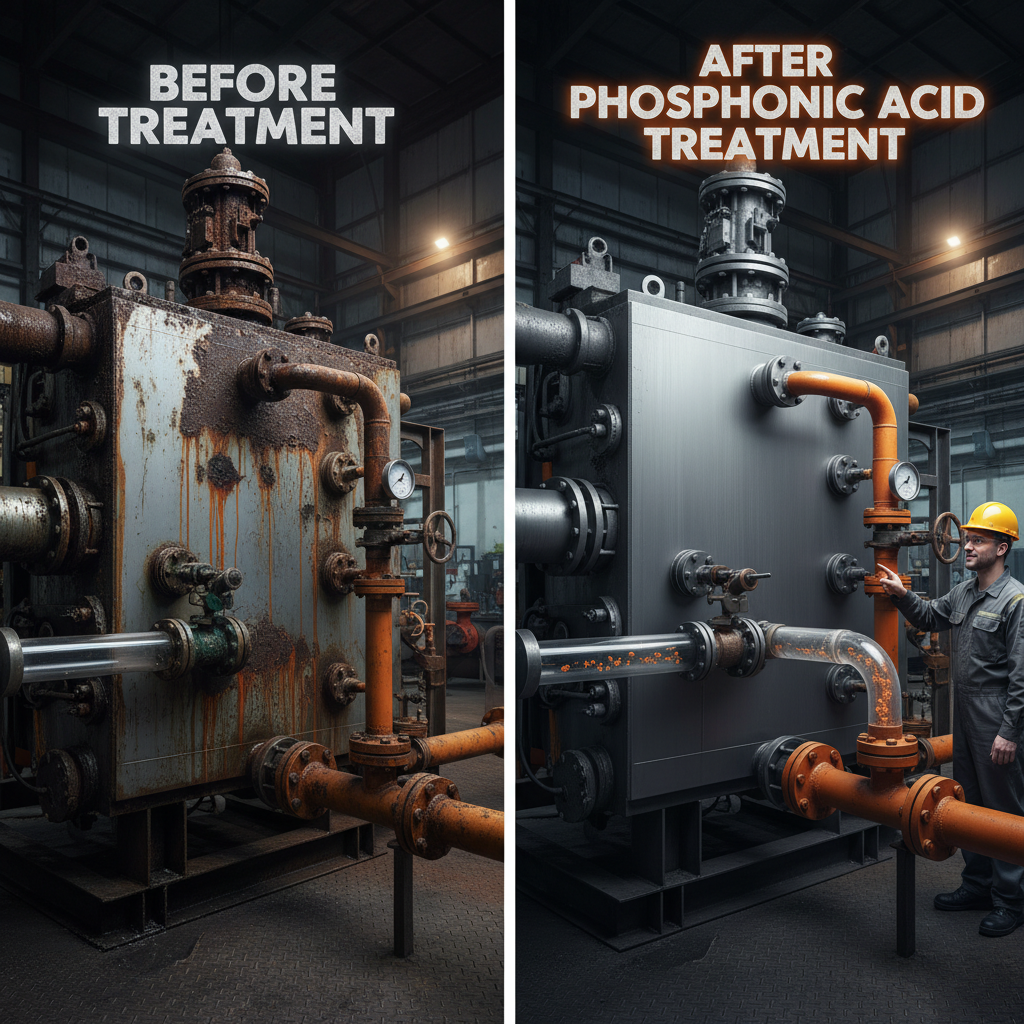
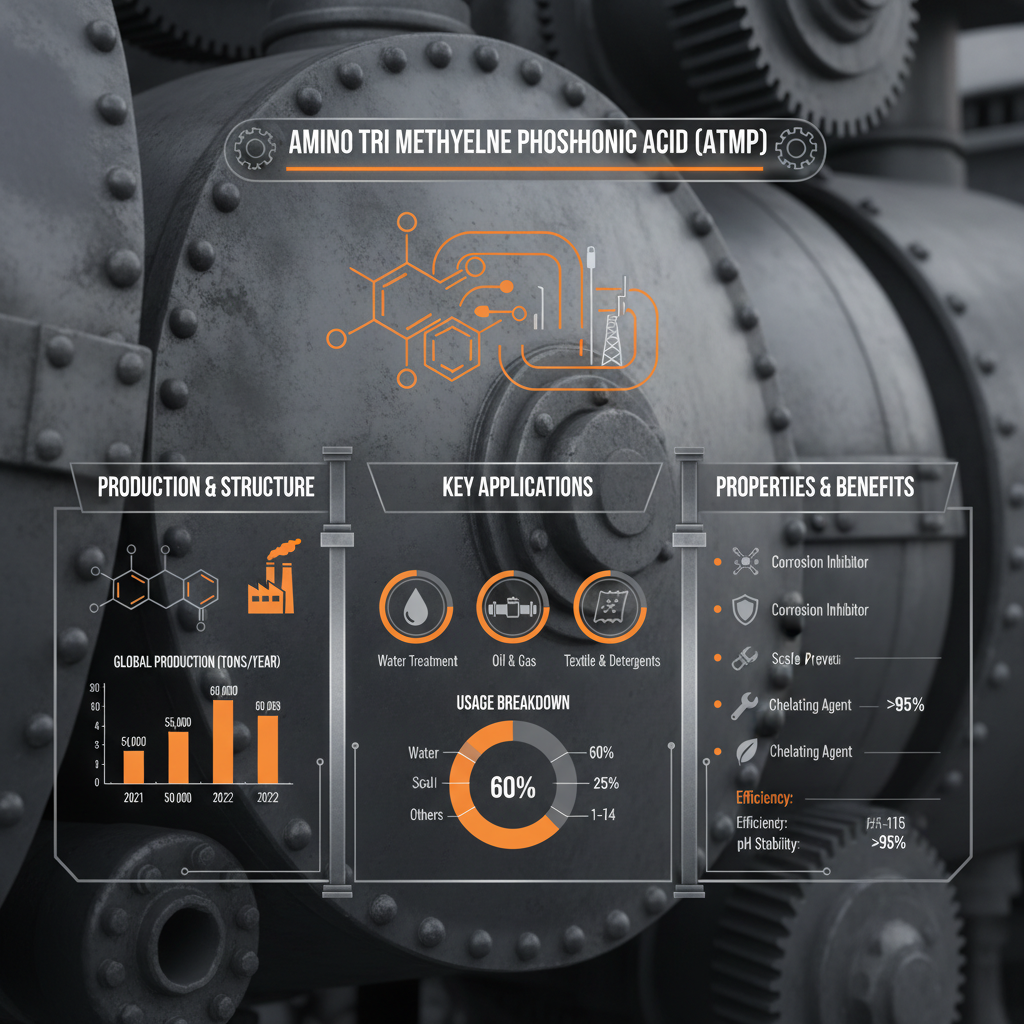
Phosphonic acid’s importance stems from its unique molecular structure – possessing both phosphonate and carboxylic acid groups – granting it a diverse range of chemical functionalities. This allows it to act as an excellent chelating agent, effectively binding to metal ions, and a potent scale inhibitor, preventing mineral buildup in industrial systems. phosphonic acid plays a pivotal role in maintaining efficiency and extending the lifespan of critical infrastructure.
The impact of phosphonic acid isn’t limited to industrial applications. It's increasingly recognized for its role in enhancing agricultural productivity through advanced fertilizer formulations and as a crucial ingredient in environmentally friendly herbicides, contributing to sustainable farming practices and global food security.
While phosphonic acid itself has relatively low toxicity, the environmental concerns primarily stem from the other ingredients within herbicide formulations. These can include surfactants and adjuvants that can impact aquatic ecosystems. However, newer formulations are increasingly focused on minimizing these impacts through biodegradable components and targeted application techniques. Proper usage and adherence to regulatory guidelines are crucial for mitigating potential environmental risks. Furthermore, ongoing research continues to explore more eco-friendly alternatives.
Phosphonic acid often proves to be highly cost-effective compared to alternative scale inhibitors, particularly in the long run. While the initial cost might be comparable, the lower dosage requirements and superior performance of phosphonic acid can result in significant savings over time. Its ability to prevent scale buildup reduces energy consumption and minimizes equipment downtime, further contributing to cost reductions. A thorough life cycle cost analysis should be conducted to determine the most economical solution for specific applications.
Yes, phosphonic acid is frequently used in conjunction with other water treatment chemicals to achieve synergistic effects. It can be effectively combined with dispersants, corrosion inhibitors, and biocides to provide comprehensive water treatment solutions. However, it's crucial to carefully assess compatibility and potential interactions between different chemicals to avoid adverse effects, such as precipitation or reduced efficacy. Compatibility testing is highly recommended before implementing combined treatment programs.
The lifespan of equipment treated with phosphonic acid-based corrosion inhibitors can be significantly extended, often by several years, depending on the initial condition of the equipment, the severity of the corrosive environment, and the effectiveness of the treatment program. Regular monitoring and maintenance are essential to ensure continued protection. In optimal conditions, properly treated equipment can experience a substantial reduction in corrosion rates, leading to a prolonged operational life and reduced replacement costs.
Phosphonic acid is generally considered a mild acid, but it can cause irritation to the skin and eyes. Therefore, it's essential to wear appropriate personal protective equipment (PPE), such as gloves, safety glasses, and protective clothing, when handling it. Adequate ventilation should be ensured to avoid inhalation of fumes. In case of contact with skin or eyes, rinse thoroughly with water and seek medical attention if irritation persists. Always refer to the Safety Data Sheet (SDS) for detailed safety information.
The biodegradability of phosphonic acid is assessed using standardized tests, such as the OECD 301 series, which measure the extent of decomposition by microorganisms over a specific period. Biodegradability is influenced by several factors, including the chemical structure of the phosphonate, the presence of other compounds in the formulation, the environmental conditions (temperature, pH, oxygen levels), and the microbial community present. Formulations containing more readily biodegradable phosphonates are preferred for minimizing environmental impact.
Phosphonic acid stands as a versatile and vital chemical compound, playing an increasingly crucial role in addressing global challenges across numerous sectors – from agriculture and water treatment to industrial processes and materials science. Its unique properties, including its chelating ability, thermal stability, and effectiveness at low concentrations, make it a valuable asset in optimizing efficiency, reducing costs, and promoting sustainability. Understanding its applications and potential is paramount for driving innovation and responsible resource management.
Looking ahead, continued research and development focused on enhancing biodegradability, optimizing formulations, and exploring novel applications will further solidify phosphonic acid’s position as a cornerstone of sustainable solutions. Embracing innovative technologies and adopting responsible practices will unlock its full potential, contributing to a more resilient and environmentally conscious future. For more information and expert solutions, visit our website: www.lkpbtc.com.