amino tri methylene phosphonic acid (ATMP) is a crucial organophosphonate widely used across diverse industrial applications, from water treatment to oilfield operations and even detergent formulations. Its exceptional chelating and scale-inhibiting properties make it indispensable in maintaining system efficiency and preventing costly damage. Understanding ATMP’s function and versatility is becoming increasingly important as industries prioritize sustainable practices and optimized resource utilization.
The global demand for water treatment chemicals, including amino tri methylene phosphonic acid, is projected to experience substantial growth in the coming years, driven by increasing water scarcity, stringent environmental regulations, and expanding industrialization. This growth is particularly pronounced in emerging economies where rapid development necessitates efficient water management solutions. ATMP's role extends beyond simple water softening; it actively contributes to reduced energy consumption and prolonged equipment lifespan.
Ultimately, the understanding and responsible implementation of amino tri methylene phosphonic acid technology is paramount for a sustainable future. Its impact spans environmental protection, economic efficiency, and operational reliability across numerous industries. Its ability to address critical challenges related to scale formation, corrosion, and water quality positions it as a vital component of modern industrial infrastructure.
Introduction to amino tri methylene phosphonic acid
amino tri methylene phosphonic acid (ATMP) is a phosphonate widely recognized for its superior chelating and scale-inhibiting capabilities. It is a white, crystalline solid readily soluble in water, making it suitable for a variety of aqueous applications. The molecule contains multiple phosphonic acid groups, which are responsible for its ability to complex with metal ions.
The increasing need for efficient and environmentally responsible industrial processes is driving the demand for innovative solutions like ATMP. Its efficacy in preventing scale buildup and corrosion extends the operational life of equipment and significantly reduces maintenance costs. This makes ATMP a key component in maintaining sustainable industrial practices.
The Chemical Properties of amino tri methylene phosphonic acid
ATMP boasts a unique chemical structure that allows it to excel in scale inhibition and metal ion control. Its three phosphonic acid groups facilitate strong complexation with divalent and trivalent cations like calcium, magnesium, and iron, effectively preventing them from precipitating and forming scale deposits. The amino group further enhances its chelating power and contributes to its dispersant properties.
This robust chemical behavior leads to a high tolerance for various conditions, including high temperatures and pH levels, making it suitable for harsh industrial environments. Furthermore, ATMP demonstrates excellent hydrolytic stability, ensuring its effectiveness over extended periods. Understanding these properties is crucial for optimizing its application in diverse systems.
Importantly, ATMP is biodegradable under specific conditions, adding to its environmental profile. While not rapidly biodegradable in all environments, advancements are continuously being made to enhance its biodegradability and further reduce its environmental footprint. amino tri methylene phosphonic acid is often chosen for its combination of effectiveness and relative environmental considerations.
Key Factors Influencing ATMP Performance
Several factors influence the effectiveness of amino tri methylene phosphonic acid in any given application. These include the water chemistry (pH, hardness, alkalinity), the temperature of the system, the types of metal ions present, and the concentration of ATMP used. Precise monitoring and control of these parameters are essential for maximizing performance.
The dosage of ATMP is particularly crucial. Insufficient dosage may not provide adequate scale inhibition, while excessive dosage can lead to increased costs and potentially undesirable effects. Optimal dosage is determined through laboratory testing and pilot studies, considering the specific characteristics of the system. Understanding the interplay of these factors leads to greater efficacy.
The presence of other chemicals in the system can also impact ATMP’s performance. Certain oxidizing agents or high concentrations of organic matter may degrade ATMP, reducing its effectiveness. Compatibility testing is recommended when introducing ATMP into systems containing other treatment chemicals.
Global Applications of amino tri methylene phosphonic acid
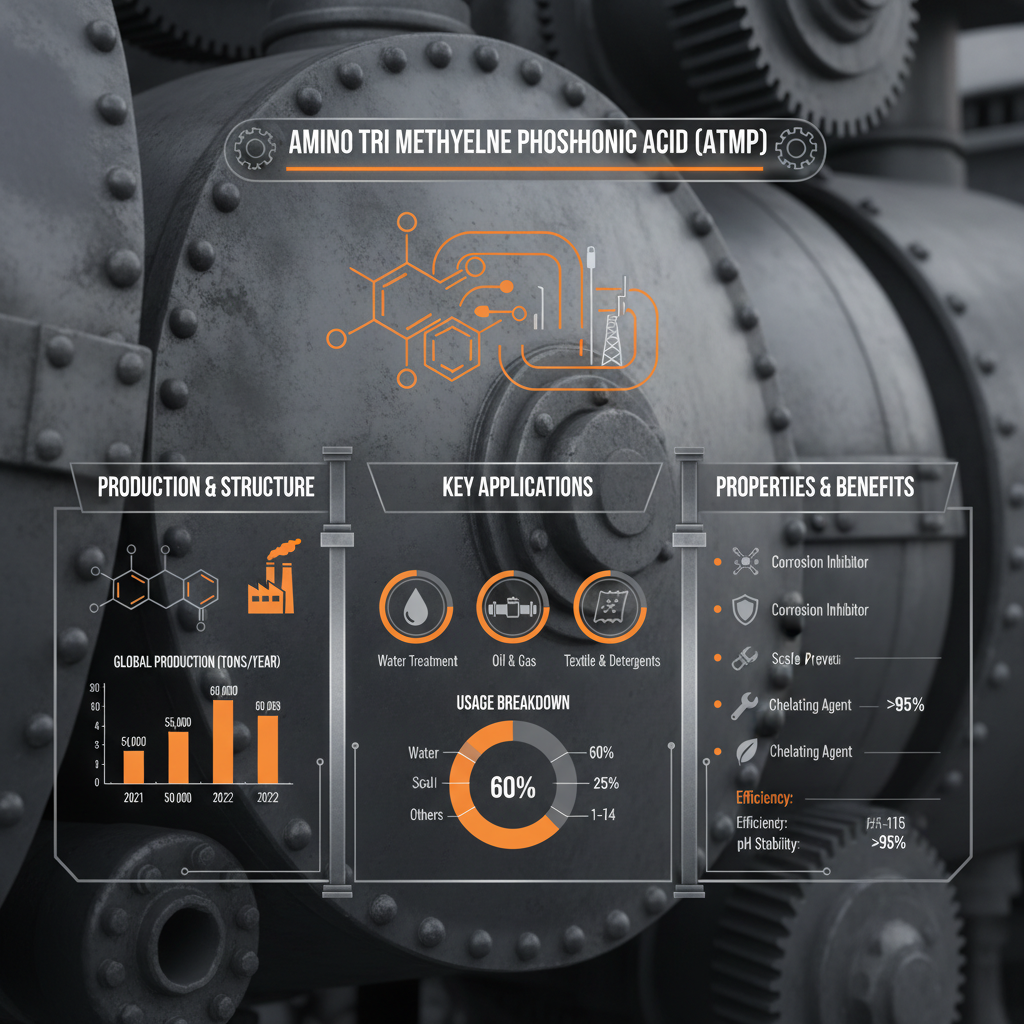
amino tri methylene phosphonic acid finds wide-ranging applications across various industries. In water treatment, it is a key component in cooling water systems, boiler water systems, and desalination plants, preventing scale formation and corrosion. Its ability to inhibit calcium carbonate and calcium sulfate scaling is particularly valuable.
The oil and gas industry utilizes ATMP extensively in oilfield applications, including scale control in oil production, enhanced oil recovery, and pipeline maintenance. In detergent formulations, ATMP acts as a builder, enhancing cleaning performance by complexing with hard water ions.
ATMP Effectiveness in Different Applications
Advantages and Long-Term Value Proposition
The benefits of utilizing amino tri methylene phosphonic acid are substantial and far-reaching. Reduced scale formation translates to improved heat transfer efficiency, lower energy consumption, and minimized downtime for cleaning and maintenance. This directly impacts operational costs and overall profitability.
Moreover, ATMP contributes to the longevity of equipment by preventing corrosion and extending its operational lifespan. This reduces the need for costly replacements and minimizes environmental impact. The sustainable aspect of extending equipment life aligns with growing corporate social responsibility goals.
Future Trends in amino tri methylene phosphonic acid Technology
Research and development efforts are focused on enhancing the biodegradability of amino tri methylene phosphonic acid and exploring novel formulations that improve its performance in challenging environments. The integration of ATMP with other water treatment technologies, such as membrane filtration, is also gaining traction.
Furthermore, advancements in monitoring and control systems are enabling more precise dosage optimization, maximizing efficiency and minimizing environmental impact. The application of digital technologies, such as AI-powered predictive modeling, promises to further refine ATMP treatment strategies and optimize system performance.
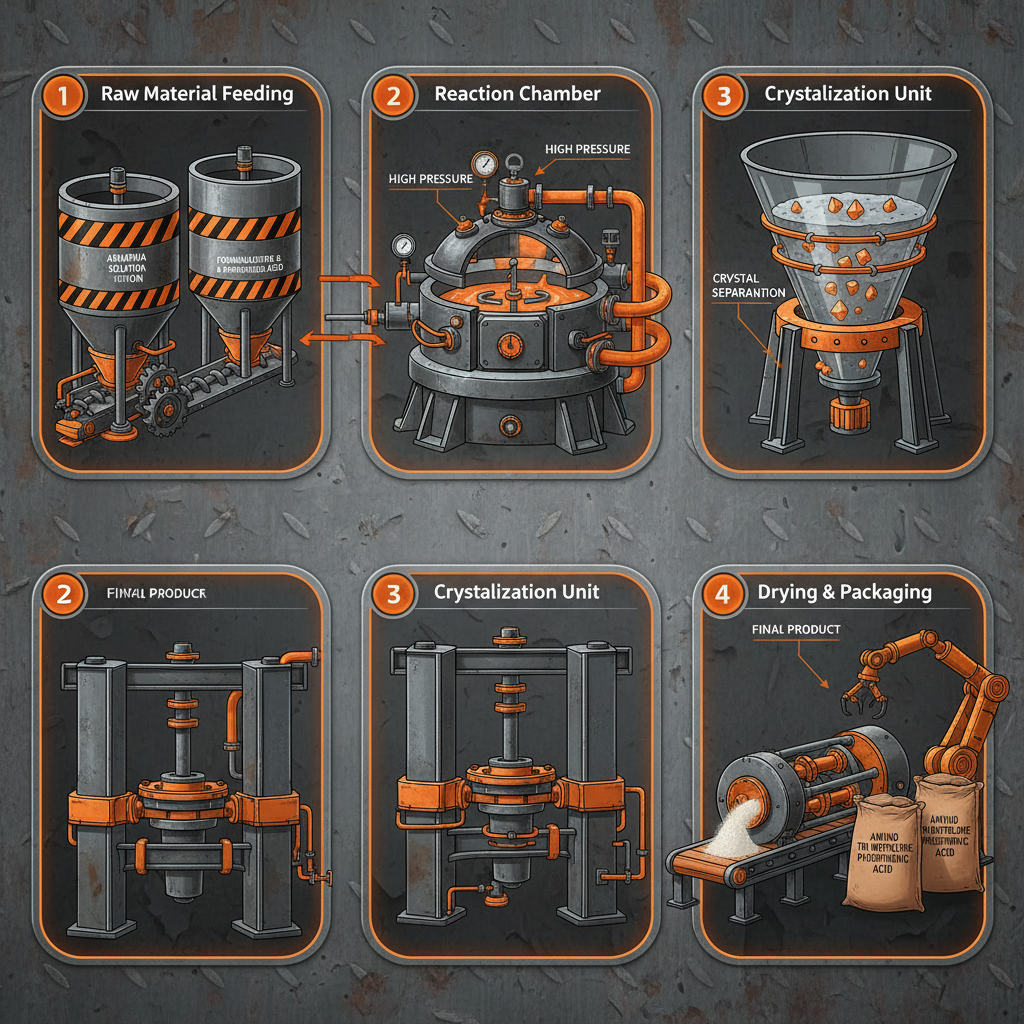
The pursuit of "green chemistry" principles is driving innovation in the production of ATMP itself, with a focus on reducing energy consumption and minimizing waste generation during the manufacturing process. amino tri methylene phosphonic acid manufacturers are actively exploring more sustainable production routes.
Challenges and Innovative Solutions with amino tri methylene phosphonic acid
One of the primary challenges associated with ATMP is its potential for hydrolysis under certain conditions, which can reduce its effectiveness. This can be mitigated by carefully controlling pH levels and employing stabilizing agents.
Another challenge is the limited biodegradability of ATMP in some environments. Researchers are actively investigating methods to enhance its biodegradability through enzymatic degradation or the development of modified ATMP molecules.
Innovative solutions include the use of synergistic blends of ATMP with other phosphonates and polymers, which can enhance scale inhibition and improve overall system performance. Furthermore, the development of slow-release formulations can provide sustained protection and minimize dosage requirements.
A Comparative Analysis of ATMP Performance Enhancements
| Enhancement Strategy |
Impact on Scale Inhibition |
Impact on Biodegradability |
Cost-Effectiveness (1-10) |
| pH Control |
High |
Moderate |
9 |
| Stabilizing Agents |
High |
Low |
7 |
| Synergistic Blends |
Very High |
Moderate |
8 |
| Slow-Release Formulations |
High |
Low |
6 |
| Enzymatic Degradation Research |
Potential High |
Very High |
4 |
| Modified ATMP Molecules |
Potential High |
High |
5 |
FAQS
Determining the optimal dosage of amino tri methylene phosphonic acid depends heavily on the system's water chemistry, flow rate, and severity of scaling potential. A typical starting point is 5-20 ppm, but laboratory testing and pilot studies are crucial for fine-tuning the dosage. Regularly monitoring scale formation and adjusting the dosage accordingly is essential for maintaining effectiveness and cost-efficiency.
While amino tri methylene phosphonic acid generally exhibits good compatibility with many common water treatment chemicals, it’s crucial to perform compatibility testing before combining it with oxidizing biocides, certain polymers, or other specialized treatments. Incompatibilities can lead to precipitation, reduced effectiveness, or even corrosion. Always consult with a water treatment specialist.
amino tri methylene phosphonic acid is not readily biodegradable in all environments, raising some environmental concerns. However, it's less toxic than many alternative scale inhibitors. Manufacturers are continually developing more biodegradable formulations, and responsible use involves minimizing discharge and adhering to local environmental regulations.
amino tri methylene phosphonic acid prevents scale formation by chelating with the metal ions (like calcium and magnesium) that cause scale. This chelation disrupts the crystallization process, keeping the minerals dissolved in the water and preventing them from adhering to surfaces as scale. It also exhibits a threshold effect, inhibiting crystal growth even at low concentrations.
Industries heavily reliant on water systems, such as power generation, oil and gas, chemical processing, and manufacturing, benefit significantly from using amino tri methylene phosphonic acid. It’s also widely used in desalination plants and large-scale cooling water systems where scale buildup can cause significant operational and economic problems. Even the detergent industry benefits from its chelating properties.
amino tri methylene phosphonic acid typically has a shelf life of at least two years when stored in a cool, dry place away from direct sunlight. However, it’s best to check the manufacturer’s specific recommendations and storage guidelines. Proper storage is crucial for maintaining its effectiveness and preventing degradation.
Conclusion
In conclusion, amino tri methylene phosphonic acid is an indispensable chemical for maintaining the efficiency and sustainability of numerous industrial processes. Its remarkable chelating and scale-inhibiting properties, coupled with its relative environmental compatibility, make it a preferred choice for water treatment, oilfield operations, and beyond. Understanding the nuances of its application, from dosage optimization to compatibility considerations, is vital for maximizing its benefits.
Looking forward, continued research and development focused on enhancing biodegradability and exploring novel formulations will further solidify amino tri methylene phosphonic acid’s role in a more sustainable future. By embracing innovative technologies and responsible practices, we can unlock the full potential of this versatile chemical and contribute to a more efficient and environmentally conscious industrial landscape. Visit our website at www.lkpbtc.com to learn more about our products and services.