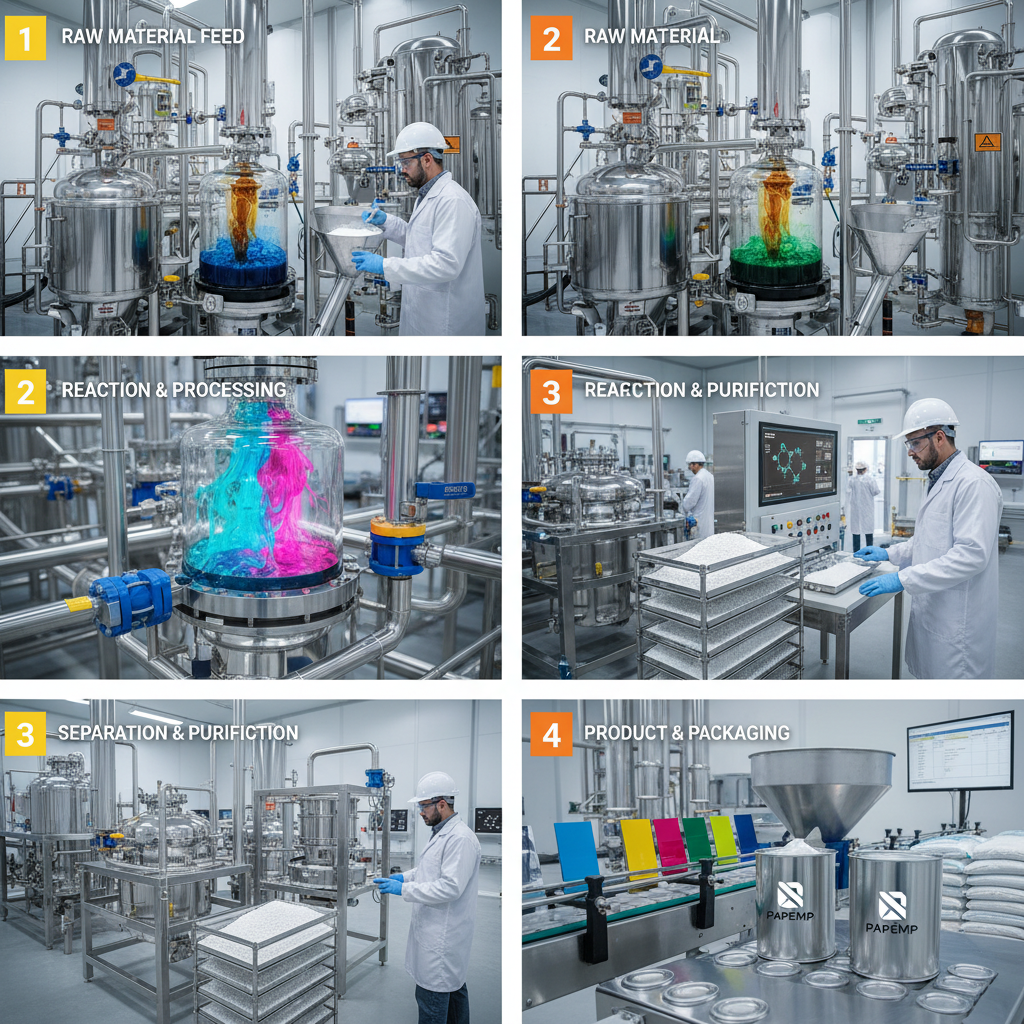
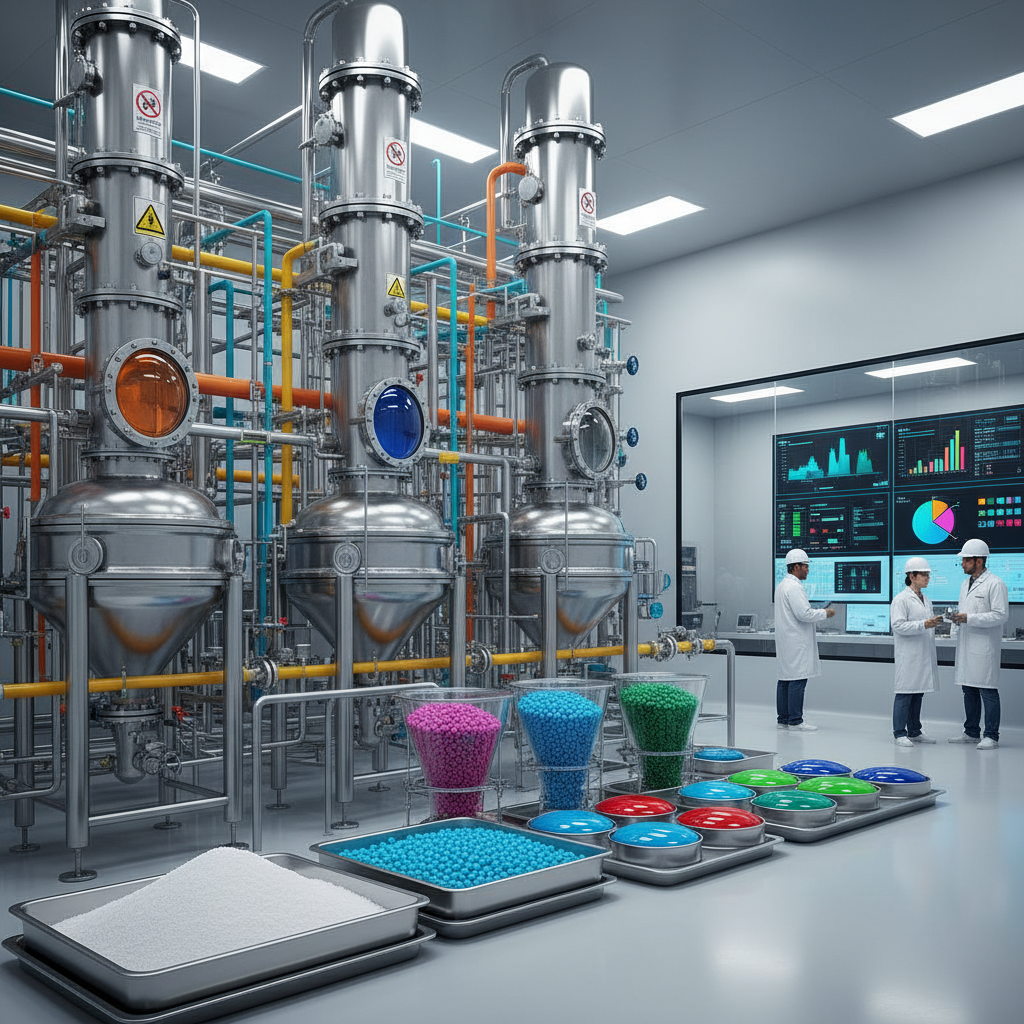
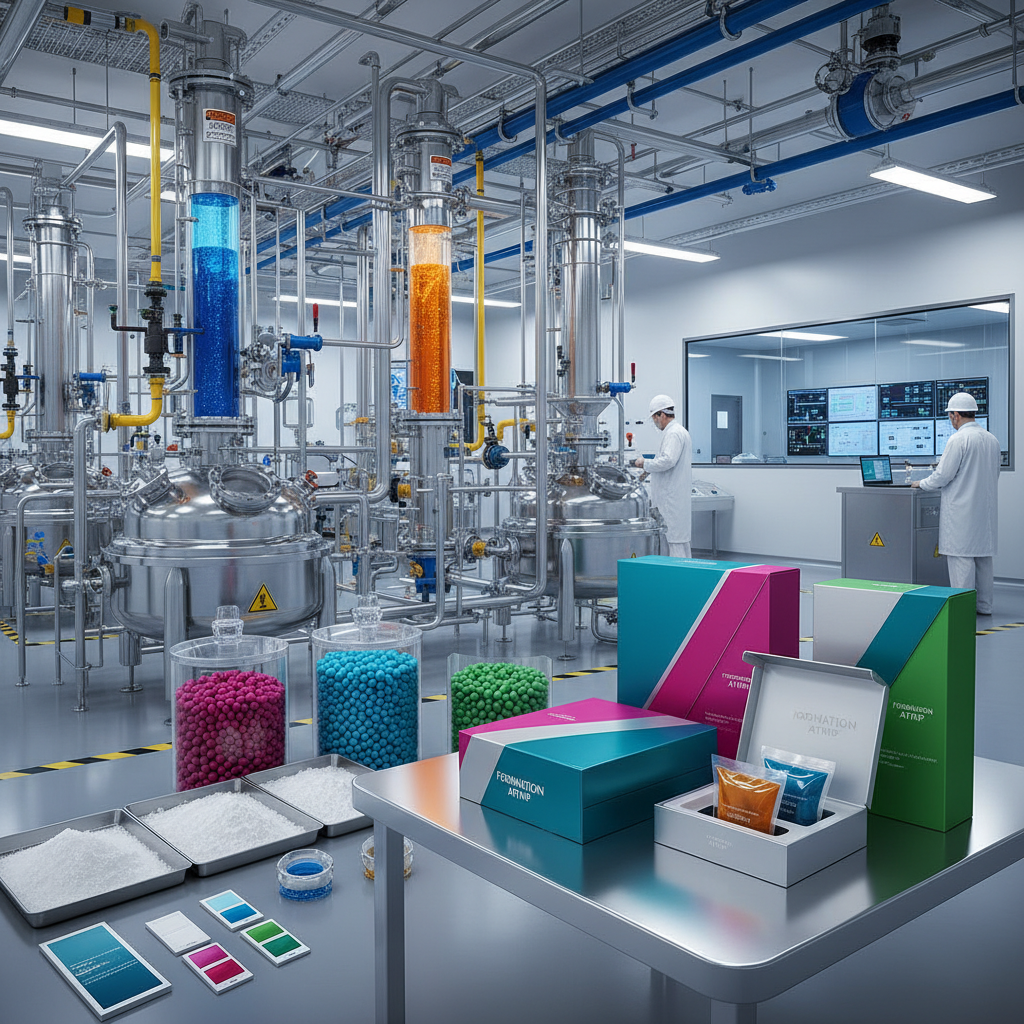
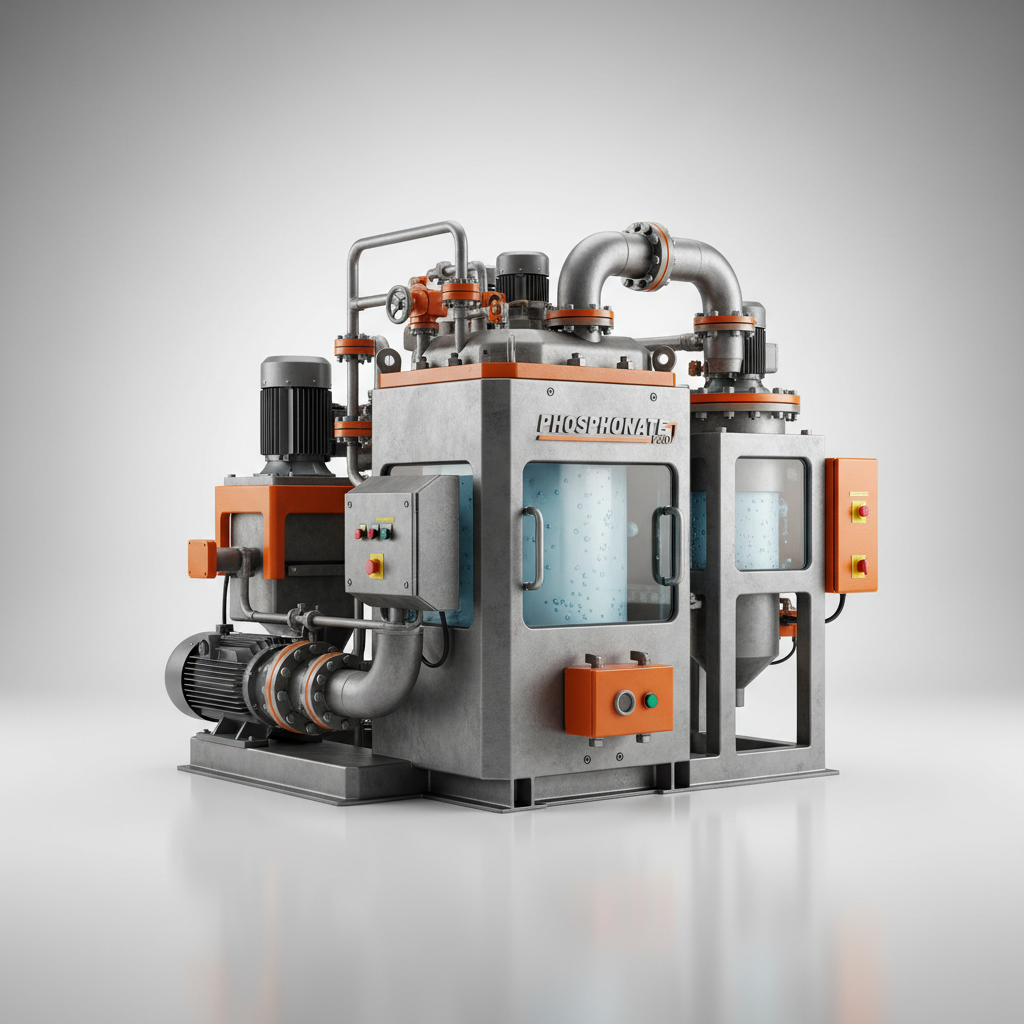
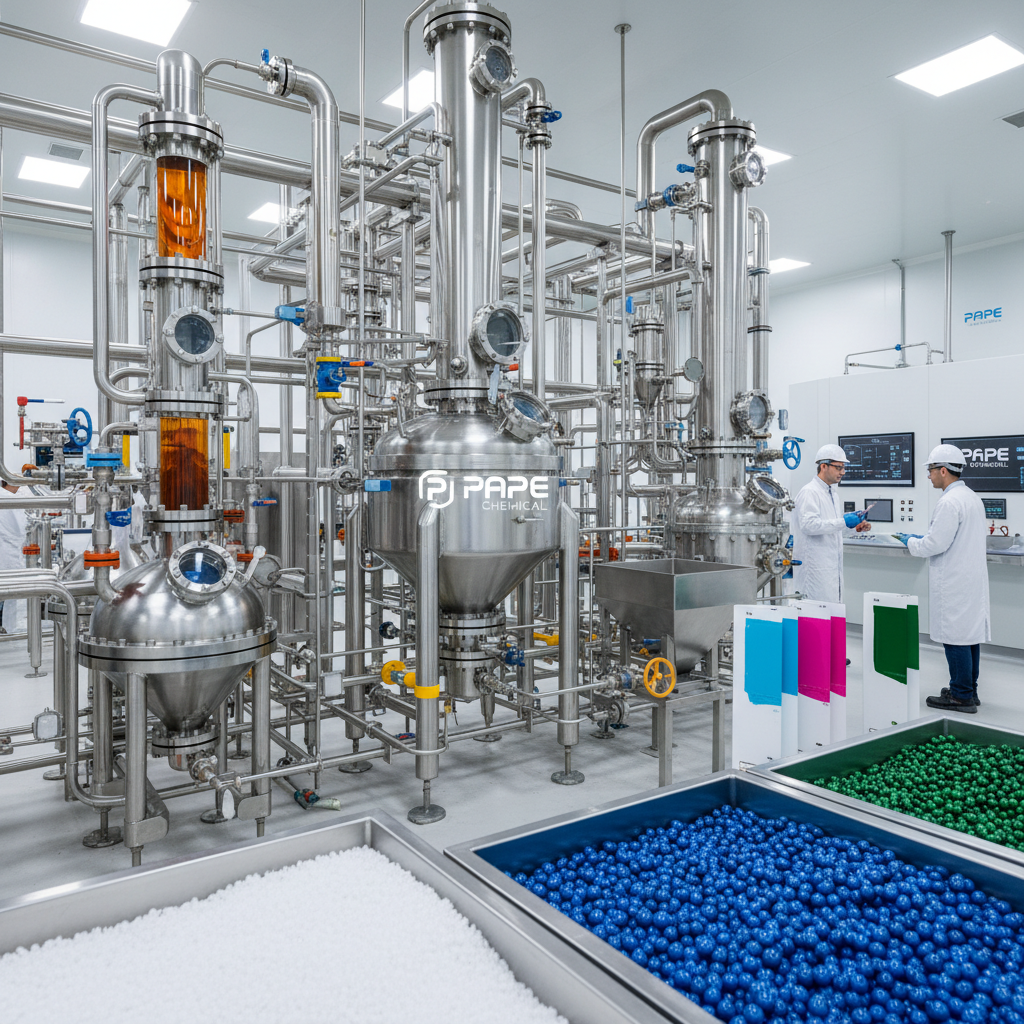
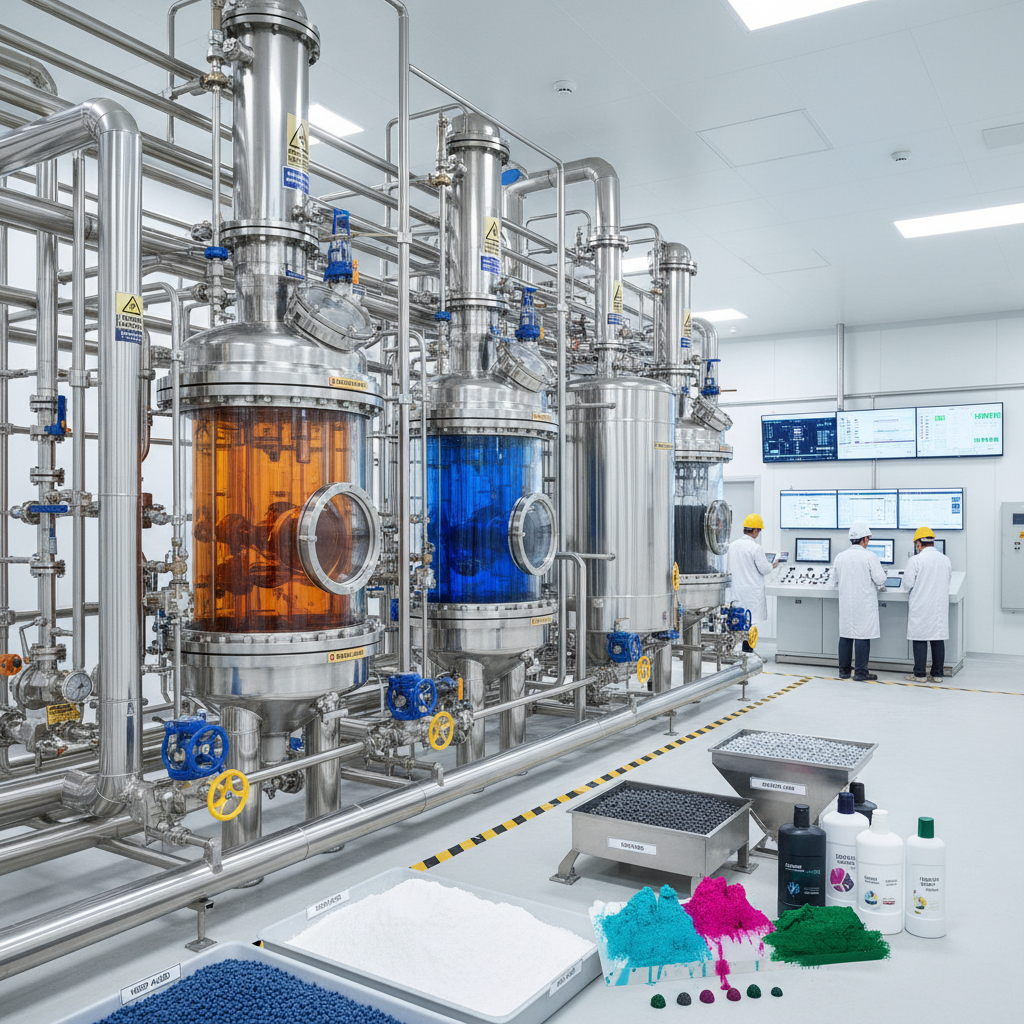
In the complex landscape of industrial water treatment and specialty chemical manufacturing, papemp emerges as a critical component for maintaining system efficiency and preventing infrastructure degradation. As global industries shift toward more sustainable and high-performance chemical solutions, understanding the nuances of this specialized agent is essential for engineers and procurement specialists aiming to optimize their operational lifecycles.
The strategic implementation of papemp allows for the mitigation of scale accumulation and corrosion, which are perennial challenges in cooling towers, boiler systems, and oilfield water injections. By leveraging advanced molecular structures, it ensures that thermal exchange surfaces remain clean, thereby reducing energy consumption and preventing costly unscheduled downtime in high-pressure environments.
Beyond mere technical utility, the adoption of papemp reflects a broader industry trend toward "green chemistry." By increasing the biodegradability of antiscalants and reducing the reliance on toxic heavy metals, this solution aligns industrial productivity with global environmental mandates, ensuring a balance between aggressive industrial growth and ecological preservation.
Global Relevance and Industrial Impact of papemp
On a global scale, the demand for high-efficiency water treatment chemicals has surged as industrialization intensifies in emerging economies. According to reports aligned with ISO quality standards, the cost of corrosion and scaling in industrial piping accounts for billions of dollars in annual losses. papemp addresses this crisis by providing a robust chemical barrier that protects critical assets from the aggressive nature of mineral-heavy water.
The relevance of papemp extends beyond simple maintenance; it is a cornerstone of energy efficiency. By preventing the thin layer of scale that acts as an insulator in heat exchangers, this chemical ensures that power plants and manufacturing facilities can maintain optimal thermal conductivity, directly reducing the carbon footprint associated with fuel over-consumption.
Technical Definition and Functional Mechanism of papemp
In technical terms, papemp is a specialized chemical formulation designed to act as a threshold inhibitor and a crystal modifier. Unlike traditional precipitants that simply react with minerals, it works at sub-stoichiometric concentrations to distort the growth of calcium carbonate and sulfate crystals, keeping them dispersed in the water phase rather than allowing them to adhere to metal surfaces.
The functional mechanism involves the adsorption of the papemp molecules onto the active growth sites of micro-crystals. This prevents the "lattice" from forming a rigid structure, effectively transforming hard, adherent scale into a soft, non-adherent sludge that can be easily removed through standard blowdown procedures.
Furthermore, this agent often incorporates synergistic chelating properties. By sequestering metal ions such as Ca2+ and Mg2+, papemp ensures that the water remains stable even under extreme temperature fluctuations or high pH levels, which are common in chemical processing plants.
Core Components for papemp Performance
The efficacy of papemp is primarily driven by its molecular stability. High thermal stability allows the chemical to remain active in high-pressure boilers without decomposing, ensuring that protection is constant even at the hottest points of the system.
Scalability and compatibility are also vital. papemp is engineered to work in harmony with other treatment agents, such as biocides and algicides, ensuring that the prevention of biological fouling does not interfere with the prevention of mineral scaling.
Finally, the cost-efficiency of the formulation is achieved through high-concentration potency. Because papemp operates at the "threshold" level, very small dosages are required to achieve maximum inhibition, significantly lowering the operational expenditure for large-scale facility managers.
Operational Efficiency and Cost Analysis of papemp
Implementing papemp transforms the maintenance cycle from reactive to proactive. Instead of scheduling frequent acid washings to remove scale, operators can maintain a steady state of protection, which extends the physical life of heat exchangers and piping by up to 40%.
From a financial perspective, the initial investment in high-quality papemp is offset by the reduction in energy waste and the elimination of emergency shutdown costs. When analyzing the Total Cost of Ownership (TCO), the efficiency gains in heat transfer provide a rapid return on investment.
Performance Efficiency Comparison of papemp Formulations
Global Application Scenarios for papemp
In the energy sector, papemp is indispensable for geothermal power plants and oil recovery operations. In remote industrial zones where water quality is poor and high in mineral content, the use of this agent prevents the rapid plugging of injection wells, ensuring continuous production.
Additionally, in the food and beverage industry, where hygiene and equipment longevity are paramount, papemp provides a food-safe way to prevent scale in pasteurization units and cooling loops, maintaining strict temperature controls necessary for product safety.
Long-term Value and Sustainability of papemp
The long-term value of papemp lies in its ability to reduce the environmental footprint of heavy industry. Traditional antiscalants often contained phosphates that contributed to eutrophication in natural water bodies; modern papemp formulations are increasingly phosphate-free and biodegradable.
Beyond chemistry, the reliability offered by papemp fosters trust between operators and regulatory bodies. By consistently meeting discharge standards and reducing the frequency of hazardous acid cleaning, companies can operate with greater social responsibility and a higher "green" rating.
Investment in this technology is an investment in asset dignity. Protecting a multi-million dollar turbine or boiler with a precision-engineered agent like papemp ensures that the infrastructure serves its intended lifespan, reducing the need for premature replacement and waste.
Future Innovations in papemp Technology
The future of papemp is leaning toward "smart" chemical delivery. We are seeing the integration of real-time sensors that adjust the dosage of papemp based on the current mineral load of the water, eliminating waste and maximizing efficiency.
Furthermore, research into nano-encapsulation is allowing for the slow release of papemp molecules. This innovation will significantly reduce the frequency of chemical refills and provide a more consistent protective layer over longer periods.
As digital transformation sweeps the manufacturing sector, the synergy between AI-driven predictive maintenance and papemp application will allow facilities to predict scaling events before they occur, moving from scheduled treatment to demand-driven protection.
Comparative Analysis of papemp Application Standards
| Application Sector |
papemp Dosage Level |
Efficiency Gain |
Sustainability Score |
| Cooling Towers |
Low to Medium |
High |
9/10 |
| Boiler Systems |
Medium |
Very High |
8/10 |
| Oilfield Water |
High |
Medium |
7/10 |
| Food Processing |
Low |
High |
10/10 |
| Chemical Plants |
Medium |
High |
8/10 |
| Desalination |
Medium to High |
Very High |
9/10 |
FAQS
Unlike standard antiscalants that may rely on simple precipitation, papemp utilizes threshold inhibition and crystal modification. This means it prevents scale from forming at much lower concentrations and ensures that any minerals that do precipitate remain in a non-adherent, fluid state, making it far more efficient for high-flow industrial systems.
Yes, papemp is specifically formulated to be chemically compatible with most common biocides and algicides. In fact, using them in tandem is recommended, as papemp prevents the mineral scaling that often provides a "shield" for biofilms, allowing biocides to work more effectively on biological contaminants.
Absolutely. One of the core strengths of papemp is its high thermal stability. It is designed to withstand the extreme temperatures found in industrial boilers without breaking down, ensuring that the metal surfaces remain protected from calcium and magnesium deposits even under high-pressure steam conditions.
Dosage varies based on water hardness and cycle concentration, but typically papemp is used in ppm (parts per million) levels. Because it is a threshold inhibitor, a very small amount—often significantly less than traditional phosphonate treatments—is required to maintain a scale-free environment.
Modern formulations of papemp prioritize green chemistry. Many of our variants are phosphate-free and designed to be biodegradable, reducing the impact on wastewater treatment plants and ensuring compliance with strict environmental regulations regarding nutrient discharge into natural water sources.
The protective effect is continuous as long as the chemical is maintained at the recommended concentration in the water stream. However, because it creates a modified crystal structure, the "cleaning" effect persists through blowdown cycles, preventing the gradual buildup that occurs with less sophisticated agents.
Conclusion
In summary, papemp represents a sophisticated intersection of chemical engineering and industrial pragmatism. By combining threshold inhibition, thermal stability, and environmental compatibility, it solves the critical problems of scaling and corrosion that plague modern manufacturing. From reducing energy costs to extending the lifespan of multi-million dollar assets, the strategic application of this agent provides a tangible competitive advantage in any water-intensive industry.
Looking forward, the integration of papemp with automated dosing systems and AI-driven monitoring will redefine industrial maintenance. We encourage plant managers and chemical engineers to move away from legacy treatments and embrace these high-performance, sustainable solutions to ensure operational resilience in an increasingly regulated global market. For more information and tailored solutions, visit our website: www.lkpbtc.com