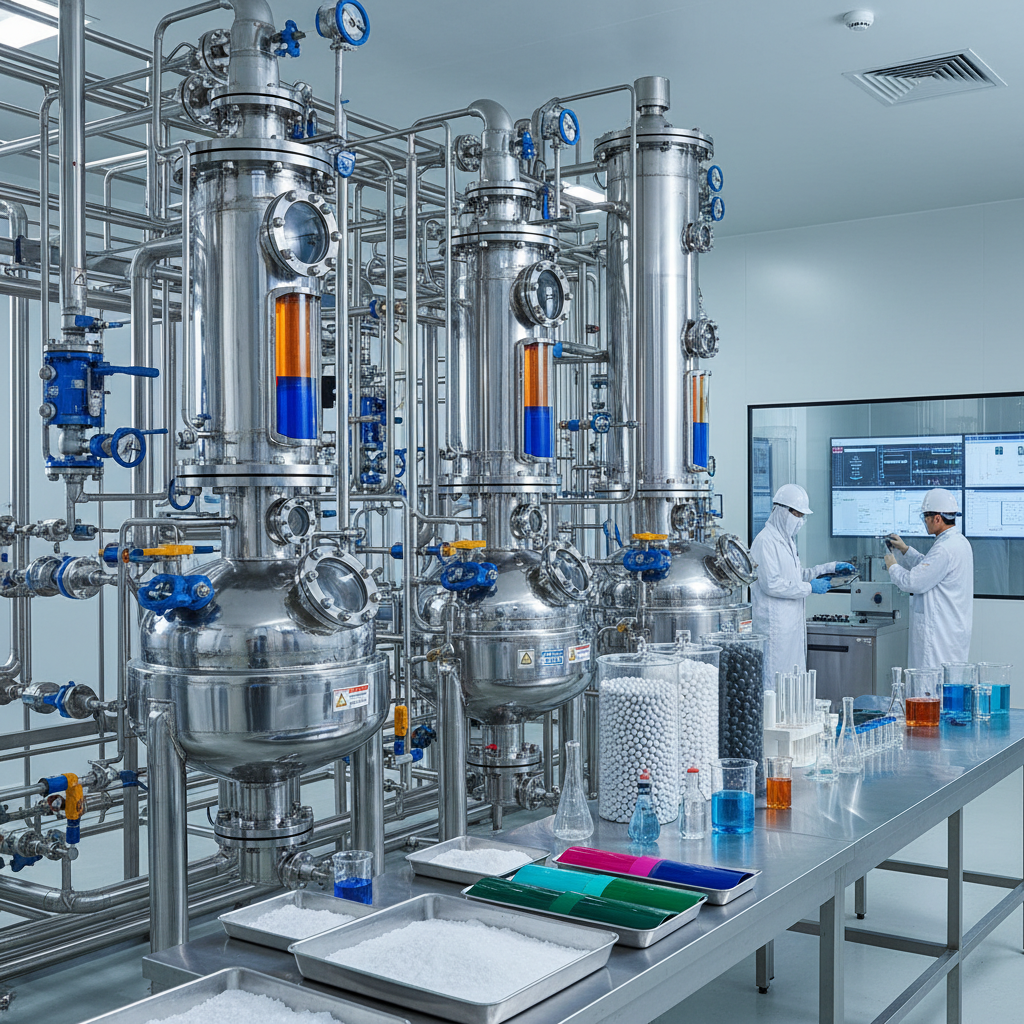
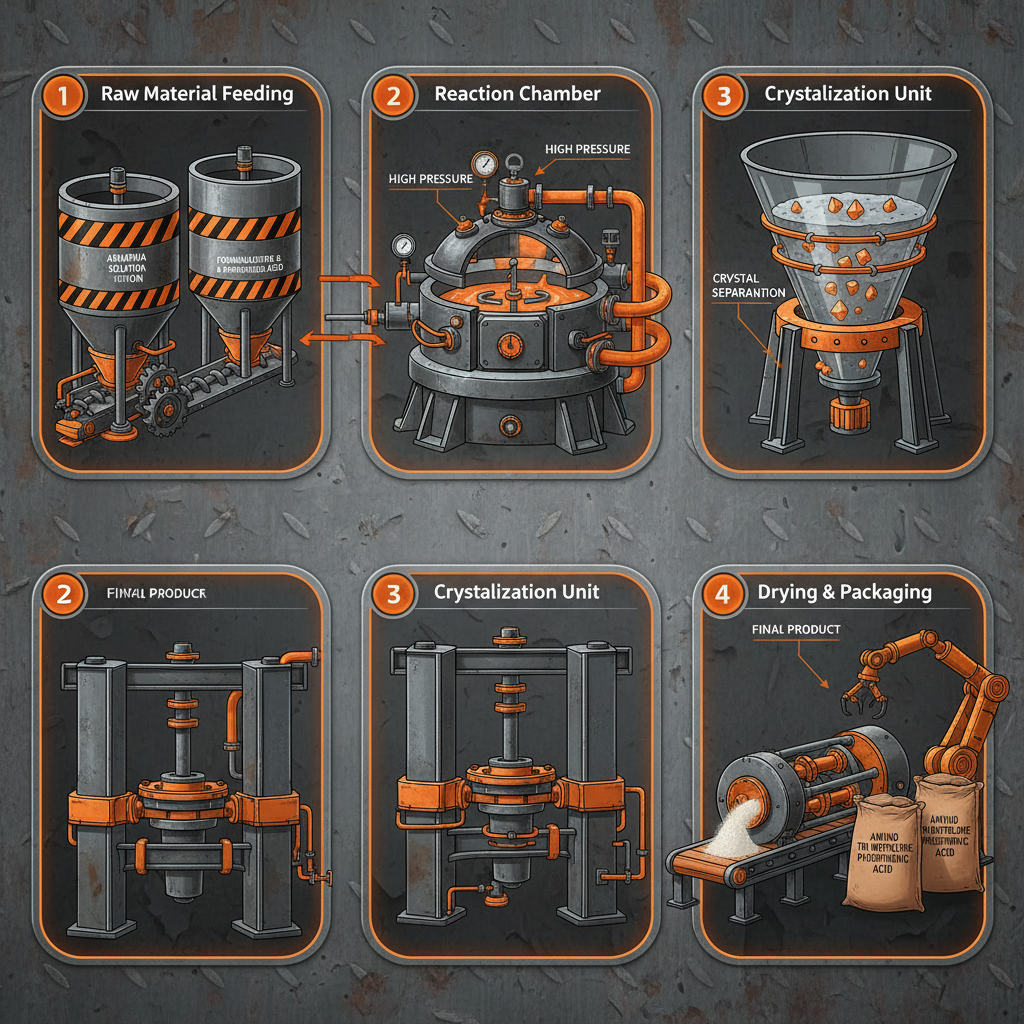
In the specialized realm of chemical manufacturing, hpaa stands as a critical component for industrial water treatment and scale prevention. As global industries push toward higher efficiency and lower environmental impact, the demand for high-performance polymers that can maintain system integrity under extreme conditions has never been greater.
Understanding the chemical properties and application methodologies of hpaa is essential for engineers and plant managers seeking to optimize heat exchange and cooling systems. By mitigating the buildup of mineral deposits, this specialty chemical ensures that industrial processes remain seamless and energy-efficient.
The global shift toward sustainable chemistry means that the role of hpaa is evolving. It is no longer just about preventing scale; it is about doing so with biodegradable profiles and optimized dosages that reduce the total chemical footprint of a manufacturing facility.
Global Industrial Relevance of hpaa
The global industrial landscape is currently facing a critical challenge: the escalating cost of water scarcity and the inefficiency of aging cooling infrastructure. In this context, hpaa has emerged as a vital tool for maintaining the operational lifespan of heavy machinery and heat exchangers across North America, Europe, and Asia.
Industry data suggests that mineral scaling can reduce heat transfer efficiency by up to 30% in just a few months of operation. By implementing hpaa, facilities can significantly reduce their energy consumption and decrease the frequency of costly chemical descaling shutdowns, aligning with ISO standards for energy management.
Technical Definition and Chemical Nature of hpaa
In simple technical terms, hpaa is a high-performance specialty polymer designed to inhibit the precipitation of calcium carbonate and other mineral scales in aqueous environments. It works by distorting the crystal growth of scale-forming minerals, effectively keeping them suspended in the water rather than allowing them to adhere to metal surfaces.
This chemical is deeply connected to modern industrial needs, particularly in the manufacturing of specialty chemicals where precision and stability are paramount. Its molecular structure allows it to remain stable across a wide range of pH levels and temperatures, making it a versatile choice for diverse industrial water cycles.
Unlike traditional antiscalants, hpaa offers a superior balance between sequestration and dispersion. This means it not only prevents the initial formation of scale but also helps in the removal of existing loosely bound deposits, ensuring a cleaner system overall.
Core Components and Performance Factors of hpaa
The efficacy of hpaa is largely determined by its molecular weight and the density of its functional groups. High thermal stability is a key factor, ensuring that the polymer does not break down in high-pressure boiler systems or extreme cooling towers.
Cost efficiency is another driving factor; because hpaa is effective at very low concentrations, it reduces the overall volume of chemicals required for treatment, lowering logistical costs and storage requirements for large-scale plants.
Scalability and compatibility with other treatment agents, such as biocides and corrosion inhibitors, ensure that hpaa can be integrated into complex chemical programs without causing adverse reactions or precipitation.
Global Applications and Practical Use Cases for hpaa
In real-world contexts, hpaa is widely deployed in desalination plants in the Middle East, where high salinity water poses a severe scaling risk. By utilizing this technology, these plants can operate at higher recovery rates, producing more potable water with less energy.
In remote industrial zones, such as mining operations in Australia or South America, hpaa is used to treat process water that is often contaminated with diverse mineral loads. This prevents the clogging of critical piping and ensures that production targets are met without unexpected downtime.
Comparison of hpaa Performance in Various Industrial Settings
Tangible Advantages and Long-Term Value of hpaa
The implementation of hpaa provides immediate logical benefits: reduced maintenance costs, lower energy bills, and extended equipment life. By preventing the insulating layer of scale, heat transfer is maximized, which translates directly into lower fuel or electricity consumption for the facility.
Beyond the numbers, there is an emotional value tied to reliability and trust. Plant operators gain peace of mind knowing that their systems are protected against catastrophic scale-induced failures. This stability fosters an environment of innovation, as engineers can push system limits without fearing immediate equipment degradation.
Future Trends and Innovations in hpaa Technology
Looking forward, the evolution of hpaa is moving toward "green chemistry." Research is focused on creating bio-based precursors that maintain the same inhibitory power while being fully biodegradable, ensuring that discharge water does not negatively impact aquatic ecosystems.
Digital transformation is also playing a role. The integration of AI-driven dosing pumps allows hpaa to be injected in real-time based on sensor data monitoring water hardness and temperature, eliminating waste and optimizing performance.
Furthermore, the synthesis of nano-hybrid versions of hpaa is being explored to provide even higher temperature resistance, which would allow for more efficient high-pressure steam generation in the power sector.
Overcoming Challenges in hpaa Implementation
One common challenge in using hpaa is the potential for incompatibility with certain low-quality coagulants, which can lead to the formation of cloudy precipitates. Expert insight suggests the use of a compatibility matrix and pilot testing to ensure a harmonious chemical cocktail.
Another limitation is the sensitivity to extremely low pH environments, where some polymers may lose their active configuration. The solution lies in the development of pH-buffered formulations of hpaa that maintain stability across a broader spectrum of acidity.
Finally, the high initial cost of specialty polymers compared to basic salts is often a barrier. However, a total-cost-of-ownership (TCO) analysis typically proves that hpaa pays for itself through reduced downtime and energy savings within the first year.
Analysis of hpaa Implementation Across Different System Parameters
| Water Hardness |
Optimal hpaa Dosage |
Scale Inhibition Rate |
Operational Stability |
| Low (0-100 ppm) |
2-5 mg/L |
98% |
Excellent |
| Medium (100-300 ppm) |
5-12 mg/L |
95% |
Very High |
| High (300-600 ppm) |
12-20 mg/L |
90% |
High |
| Very High (>600 ppm) |
20-35 mg/L |
82% |
Moderate |
| Brine/Sea Water |
30-50 mg/L |
75% |
Stable |
| Mixed Industrial |
10-25 mg/L |
88% |
High |
FAQS
Unlike traditional phosphonates, hpaa often provides better dispersion capabilities and higher thermal stability. While phosphonates are excellent sequestrants, hpaa is designed to distort crystal growth more effectively in high-temperature environments, leading to fewer deposits on heat exchange surfaces.
While hpaa is primarily an industrial product, certain grades are compliant with food-grade standards. However, it is crucial to verify the specific certification (such as NSF or FDA) of the product grade you are using before implementing it in any potable water system.
Dosage varies based on water quality, but typically ranges from 5 to 20 ppm. The exact amount of hpaa required should be determined through a water analysis and a jar test to ensure optimal inhibition without over-treating the system.
Yes, hpaa is generally stable in the presence of common oxidizing biocides like sodium hypochlorite. Its polymer backbone is designed to resist degradation from standard chlorination levels used in industrial cooling loops.
The effect of hpaa is continuous as long as a minimum threshold concentration is maintained in the water. It does not create a permanent coating but rather provides ongoing chemical inhibition of scale crystals.
The best way to monitor hpaa effectiveness is through regular monitoring of the Langelier Saturation Index (LSI) and periodic physical inspections of coupons or heat exchanger tubes for scale buildup.
Conclusion
In summary, hpaa represents a sophisticated synthesis of chemical engineering and industrial necessity. By offering superior scale inhibition, thermal stability, and cost-effectiveness, it ensures that critical water-cooling and heating systems operate at peak efficiency. From desalination plants to heavy manufacturing, the integration of this specialty polymer minimizes downtime and maximizes resource recovery.
As we move toward a future of greener industrial processes, the adoption of advanced hpaa formulations will be key to balancing industrial growth with environmental stewardship. We recommend that facilities conduct a thorough system audit to optimize their chemical programs and embrace the long-term value of high-performance antiscalants. Visit our website: www.lkpbtc.com