0%

Table of Contents

2 phosphonobutane 1 2 4 tricarboxylic acid (PBTC) is a vital organophosphonic acid widely employed as a scale and corrosion inhibitor, particularly in industrial water treatment. Its importance stems from the escalating global demand for efficient water management and the prevention of costly damage to industrial infrastructure. As industries worldwide grapple with stricter environmental regulations and the need for sustainable practices, PBTC offers a compelling solution due to its high efficacy at low concentrations and relatively low environmental impact compared to traditional treatment chemicals. The increasing complexity of industrial processes and the demand for higher operational efficiencies further drive the need for specialized chemicals like 2 phosphonobutane 1 2 4 tricarboxylic acid to ensure reliable and cost-effective system performance.

Globally, the chemical industry is experiencing significant growth, with a marked emphasis on specialty chemicals like PBTC. According to a report by the World Bank, investment in water infrastructure is projected to reach trillions of dollars in the coming decades, fueling the demand for effective water treatment solutions. The rising incidence of scale formation and corrosion in power plants, oil refineries, and chemical processing facilities necessitates proactive measures to protect critical assets. 2 phosphonobutane 1 2 4 tricarboxylic acid addresses these challenges directly by inhibiting the deposition of mineral scales and mitigating corrosion, ultimately extending the lifespan of equipment and reducing operational costs.

The increasing stringency of environmental regulations, such as those mandated by the ISO 14001 standard, compels industries to adopt environmentally responsible water treatment practices. 2 phosphonobutane 1 2 4 tricarboxylic acid aligns with these goals due to its biodegradability and lower toxicity profile compared to some alternative corrosion inhibitors. This makes it a preferred choice for companies committed to sustainable operations and environmental stewardship, particularly in regions with strict discharge limits. The demand for high-performance, environmentally friendly chemicals like 2 phosphonobutane 1 2 4 tricarboxylic acid is therefore poised for continued growth.
2 phosphonobutane 1 2 4 tricarboxylic acid A Vital Component in Industrial Water Treatment

Introduction: Global or Industry Context

2 phosphonobutane 1 2 4 tricarboxylic acid is not merely a chemical compound; it is a cornerstone of modern industrial water management. Its primary role in preventing scale formation and corrosion addresses a significant challenge faced by industries ranging from power generation to oil and gas, and chemical processing. Without effective scale and corrosion control, the efficiency of these systems diminishes rapidly, leading to costly downtime, equipment failures, and environmental risks.

The chemical’s increasing relevance is directly linked to the escalating demand for clean water and the need for sustainable industrial practices. The United Nations estimates that billions of people worldwide lack access to safe water, intensifying the pressure on industries to minimize water consumption and optimize water treatment processes. 2 phosphonobutane 1 2 4 tricarboxylic acid contributes to this effort by enabling efficient water reuse and reducing the environmental impact of industrial discharge.

Furthermore, the global growth of infrastructure projects – particularly in emerging economies – is driving up the demand for robust and reliable water treatment chemicals. The need to protect these investments from the detrimental effects of scale and corrosion is paramount, solidifying the critical role of 2 phosphonobutane 1 2 4 tricarboxylic acid in ensuring long-term operational integrity and economic viability. 2 phosphonobutane 1 2 4 tricarboxylic acid is a key component of many effective water treatment plans.

Definition & Meaning

2 phosphonobutane 1 2 4 tricarboxylic acid, often abbreviated as PBTC, is an organophosphonic acid. Chemically, it is a polycarboxylic acid containing phosphonate groups. This unique molecular structure allows it to effectively chelate metal ions and disrupt the crystal growth of scale-forming minerals like calcium carbonate, calcium sulfate, and barium sulfate. Essentially, PBTC prevents these minerals from adhering to surfaces, inhibiting scale buildup.

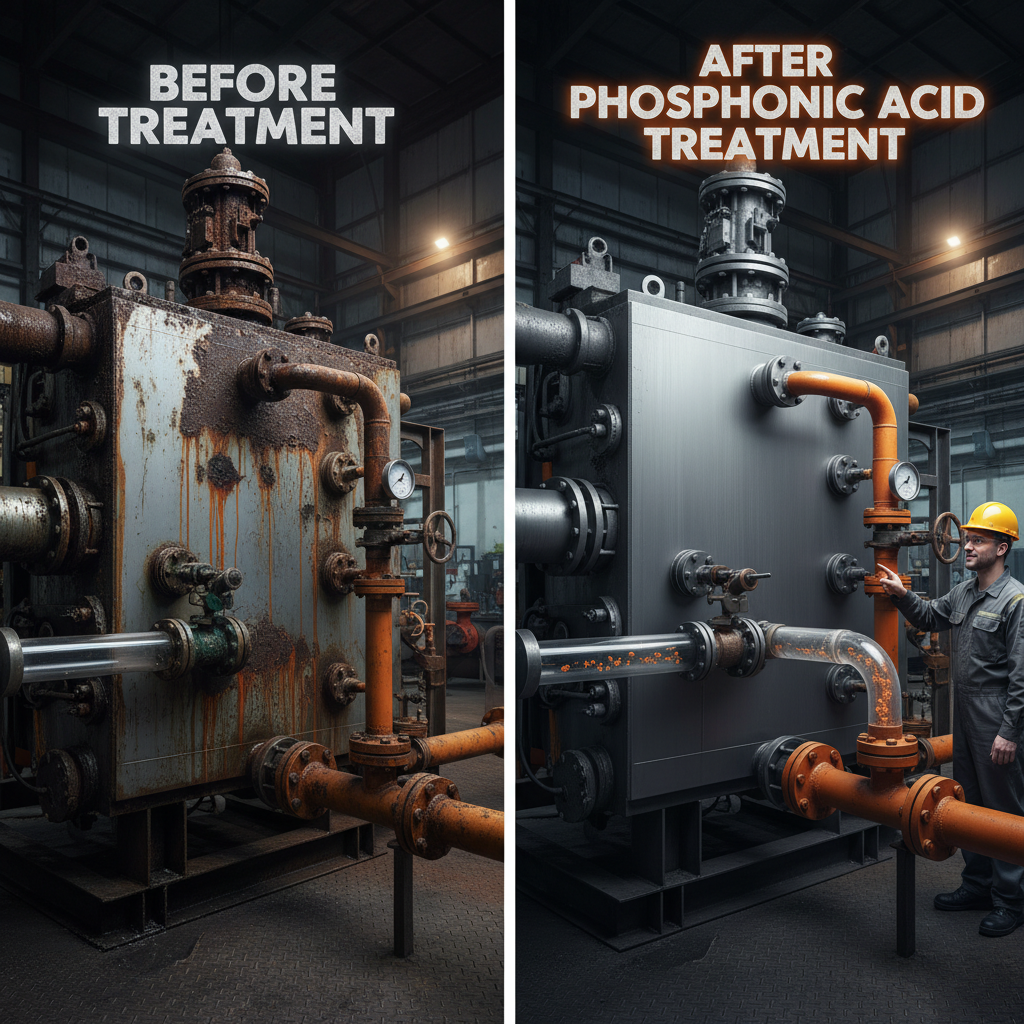
Its connection to modern industry lies in its ability to safeguard the efficiency and longevity of critical equipment. In power plants, PBTC prevents scale formation in boilers and cooling towers, optimizing heat transfer and reducing energy consumption. In oil and gas production, it protects pipelines and processing facilities from corrosion and scale, ensuring the reliable flow of hydrocarbons.

Ultimately, 2 phosphonobutane 1 2 4 tricarboxylic acid represents a crucial link between chemical innovation and societal needs. By enabling efficient water use and preventing costly equipment failures, it contributes to sustainable industrial practices, economic growth, and the preservation of valuable resources.

Key Factors or Core Components

Chelation: The phosphonate groups in 2 phosphonobutane 1 2 4 tricarboxylic acid strongly chelate metal ions, preventing them from participating in scale formation. This is arguably its most critical function, disrupting the nucleation and growth of mineral crystals.

Dispersancy: PBTC acts as a dispersant, keeping suspended particles from agglomerating and settling out of solution. This prevents the formation of deposits that can contribute to fouling and reduced heat transfer efficiency.

Corrosion Inhibition: While primarily a scale inhibitor, PBTC also provides a degree of corrosion protection by forming a protective film on metal surfaces, hindering the corrosive effects of water and dissolved ions.

Stability: PBTC demonstrates excellent stability under a wide range of temperature and pH conditions, making it suitable for use in diverse industrial applications.

Biodegradability: Compared to some alternative water treatment chemicals, 2 phosphonobutane 1 2 4 tricarboxylic acid exhibits relatively higher biodegradability, reducing its environmental impact.

Global Applications & Use Cases

The applications of 2 phosphonobutane 1 2 4 tricarboxylic acid are widespread across numerous industries. In power generation, it’s crucial in cooling water systems to prevent scale buildup on heat exchange surfaces, maximizing efficiency and reducing maintenance costs. Oil and gas producers utilize PBTC to protect pipelines and wellbores from corrosion and scale, ensuring uninterrupted production and minimizing operational risks.

Chemical processing plants rely on PBTC to control scale in evaporators, reactors, and distillation columns, optimizing process efficiency and product quality. In the pulp and paper industry, it prevents scale formation in recovery boilers and digesters, enhancing operational reliability. The effectiveness of 2 phosphonobutane 1 2 4 tricarboxylic acid is documented in many studies.

Geographically, its use is prominent in regions with hard water supplies or challenging industrial conditions, such as the Middle East, Southeast Asia, and parts of North America. In remote industrial zones, where water treatment infrastructure may be limited, PBTC's ease of application and high efficacy make it a particularly valuable solution. Similarly, in post-disaster relief operations, where access to clean water is critical, PBTC can be used to treat contaminated water sources and prevent scale buildup in emergency water purification systems.

Performance of 2 phosphonobutane 1 2 4 tricarboxylic acid Across Different Water Types


Advantages & Long-Term Value

The advantages of utilizing 2 phosphonobutane 1 2 4 tricarboxylic acid extend far beyond immediate scale and corrosion control. From a cost perspective, even small concentrations of PBTC can deliver significant savings by reducing energy consumption, extending equipment lifespan, and minimizing downtime associated with maintenance and repairs. Its high efficacy translates to lower overall treatment costs compared to alternative solutions requiring higher dosages or more frequent interventions.

In terms of sustainability, PBTC contributes to responsible water management by enabling efficient water reuse and reducing the need for freshwater resources. Its biodegradability, while not complete, is superior to some other scale inhibitors, lessening its environmental impact. The long-term value also encompasses enhanced operational reliability, reduced environmental risk, and a strengthened commitment to corporate social responsibility, fostering trust with stakeholders.

Future Trends & Innovations

Future trends point towards the integration of 2 phosphonobutane 1 2 4 tricarboxylic acid with smart monitoring and control systems. Real-time data analysis can optimize PBTC dosage based on actual system conditions, maximizing efficiency and minimizing chemical consumption. Furthermore, research is ongoing to develop modified PBTC formulations with enhanced biodegradability and improved performance in challenging environments.

The convergence of digital transformation and water treatment is creating opportunities for predictive maintenance strategies. By analyzing data from sensors monitoring scale and corrosion rates, predictive algorithms can anticipate potential problems and proactively adjust PBTC dosage, preventing costly failures. The integration of PBTC with green energy technologies, such as renewable energy-powered water treatment plants, also represents a promising avenue for sustainable development.

Challenges & Solutions

Despite its numerous advantages, the use of 2 phosphonobutane 1 2 4 tricarboxylic acid can present certain challenges. One common limitation is its potential to hydrolyze at high pH levels, reducing its effectiveness. This can be mitigated by carefully controlling pH levels in the treated system and utilizing stabilized PBTC formulations.

Another challenge involves the potential for phosphate discharge, which can contribute to eutrophication in receiving waters. This can be addressed by implementing phosphate removal technologies in wastewater treatment plants or by exploring alternative phosphonate-based inhibitors with lower phosphate content. Careful monitoring and optimization of PBTC dosage are also crucial to minimize environmental impact.

Innovative solutions, such as the development of slow-release PBTC formulations and the use of advanced monitoring technologies, are continually emerging to overcome these challenges and further enhance the sustainability and effectiveness of 2 phosphonobutane 1 2 4 tricarboxylic acid.

FAQS

What is the optimal dosage range for 2 phosphonobutane 1 2 4 tricarboxylic acid in a cooling water system?

The optimal dosage of 2 phosphonobutane 1 2 4 tricarboxylic acid depends on several factors including water hardness, pH, flow rate, and the severity of scaling potential. Generally, a dosage range of 5-30 ppm is recommended as a starting point. Regular monitoring of scale formation and corrosion rates is essential to fine-tune the dosage and achieve optimal performance. It's crucial to consult with a water treatment specialist for site-specific recommendations.

Is 2 phosphonobutane 1 2 4 tricarboxylic acid compatible with other water treatment chemicals?

2 phosphonobutane 1 2 4 tricarboxylic acid is generally compatible with most common water treatment chemicals, including biocides, dispersants, and pH adjusters. However, it's essential to verify compatibility before combining it with any new chemical. Mixing PBTC with oxidizing biocides should be done cautiously, as it may lead to decomposition. Consult a chemical compatibility chart or a water treatment specialist for guidance.

What are the environmental considerations associated with using 2 phosphonobutane 1 2 4 tricarboxylic acid?

While 2 phosphonobutane 1 2 4 tricarboxylic acid is considered relatively biodegradable compared to some alternatives, its discharge can contribute to phosphate loading in receiving waters, potentially causing eutrophication. Implementing phosphate removal technologies in wastewater treatment plants or utilizing optimized dosages can mitigate this risk. Always adhere to local environmental regulations regarding phosphate discharge limits.

How does 2 phosphonobutane 1 2 4 tricarboxylic acid prevent scale formation?

2 phosphonobutane 1 2 4 tricarboxylic acid prevents scale formation primarily through chelation and crystal distortion. The phosphonate groups in PBTC bind to metal ions like calcium and magnesium, preventing them from forming insoluble scale deposits. Additionally, PBTC disrupts the crystal structure of growing scale, making it less adherent to surfaces and easier to remove.

What is the shelf life of 2 phosphonobutane 1 2 4 tricarboxylic acid?

The shelf life of 2 phosphonobutane 1 2 4 tricarboxylic acid is typically 2 years when stored in a cool, dry place, away from direct sunlight. It’s recommended to store the product in its original, sealed container to prevent contamination and degradation. After the expiration date, the product's effectiveness may be reduced. Always check the product label for specific storage instructions and expiration information.

Can 2 phosphonobutane 1 2 4 tricarboxylic acid be used in potable water systems?

The use of 2 phosphonobutane 1 2 4 tricarboxylic acid in potable water systems is subject to stringent regulations and may not be permitted in all jurisdictions. It's essential to verify compliance with local drinking water standards before using PBTC in such applications. Alternative, NSF-certified scale inhibitors may be more suitable for potable water treatment.

Conclusion

In conclusion, 2 phosphonobutane 1 2 4 tricarboxylic acid stands as a crucial component in modern industrial water management. Its exceptional scale and corrosion inhibition properties, coupled with its relatively favorable environmental profile, make it an indispensable tool for protecting critical infrastructure, optimizing operational efficiency, and promoting sustainable water use. Understanding its mechanisms, applications, and future trends is essential for industries striving to maintain long-term reliability and minimize environmental impact.

Looking ahead, continued innovation in PBTC formulations, coupled with the integration of advanced monitoring and control systems, will unlock even greater potential for optimizing water treatment processes and reducing environmental footprints. Embracing these advancements will be key to ensuring the long-term sustainability of industrial operations and safeguarding valuable water resources. For effective solutions, visit our website: 2 phosphonobutane 1 2 4 tricarboxylic acid .


David Miller

David Miller

David Miller is the Lead Chemical Engineer at Hebei Longke Water Treatment Co., Ltd. With over 15 years of experience in water treatment solutions, David specializes in the development and application of scale and corrosion inhibitors. He holds a PhD in Chemical Engineering from the University of Illinois and has
Previous Exploring the Crucial Role of pbtc chemical pbtc in Modern Industrial Applications
Next Optimizing Concrete Performance with pbtc tricarboxylic acid for Durable Infrastructure