phosphono represents a significant advancement in material science, offering a versatile and robust solution for a diverse range of applications. Its unique composition and properties are redefining standards across industries, from construction and manufacturing to renewable energy and beyond. Understanding phosphono isn’t merely about appreciating a new material; it’s about recognizing its potential to address pressing global challenges and unlock innovative possibilities.
The global demand for sustainable, durable, and cost-effective materials is escalating, driven by factors like population growth, urbanization, and the urgent need to mitigate climate change. phosphono directly addresses these demands by providing a superior alternative to traditional materials, reducing environmental impact, and lowering long-term operational costs. Its adaptability and scalability make it an ideal component for future infrastructure projects worldwide.
Furthermore, phosphono is rapidly gaining recognition within research and development circles, with ongoing studies exploring its potential in fields like advanced energy storage and biomedical engineering. As awareness grows and production capabilities expand, phosphono is poised to become a cornerstone of a more sustainable and technologically advanced future.
Introduction to phosphono
phosphono is a composite material engineered for exceptional durability and performance, combining a specialized polymer matrix with reinforcing agents. This unique formulation allows for a versatile material capable of withstanding extreme conditions and adapting to various application requirements. Its core strength lies in its ability to provide a long-lasting, sustainable alternative to conventional materials.
The development of phosphono was driven by the need for a material that balances high performance with environmental responsibility. Traditional materials often involve significant energy consumption in their production and can contribute to pollution. phosphono, in contrast, utilizes a manufacturing process that minimizes waste and prioritizes the use of recycled components, aligning with principles of circular economy.
Global Relevance and Industry Context
The need for advanced materials is globally significant, highlighted by the United Nations Sustainable Development Goals, particularly those focusing on infrastructure, sustainable cities, and responsible consumption. Statistics from the World Bank demonstrate a growing infrastructure gap, especially in developing nations, where durable and cost-effective materials are crucial for progress. phosphono directly contributes to these goals by providing a building block for resilient and sustainable development.
Industries facing particularly acute challenges – such as construction, automotive, and aerospace – are actively seeking materials that offer improved performance and reduced environmental footprint. The International Organization for Standardization (ISO) is increasingly incorporating sustainability criteria into material standards, further driving demand for innovative solutions like phosphono.
A key problem phosphono addresses is the degradation of infrastructure due to harsh environmental conditions and the limited lifespan of traditional materials. This leads to costly repairs, replacements, and disruptions to essential services. phosphono’s inherent resistance to corrosion, weathering, and impact significantly extends the service life of structures and components, reducing life-cycle costs.
Defining phosphono: Composition and Properties
In simple terms, phosphono is a highly engineered composite material. Its core structure consists of a robust polymer base, specifically chosen for its resilience and flexibility. This polymer is then reinforced with carefully selected fibers and additives, which contribute to its exceptional strength, stiffness, and resistance to various forms of degradation.
The connection to modern industry and humanitarian needs is direct. In construction, phosphono enables the creation of lighter, stronger, and more durable buildings and infrastructure. In disaster relief, it facilitates the rapid deployment of shelters and essential facilities. And in manufacturing, it allows for the production of high-performance components with extended lifespans.
Its key properties include high tensile strength, excellent impact resistance, low thermal expansion, and resistance to UV radiation and chemical corrosion. These characteristics make phosphono suitable for a broad spectrum of applications, ranging from demanding industrial environments to sensitive biomedical applications. You can learn more about specific applications at phosphono.
Core Components of phosphono Performance
Several key factors contribute to phosphono’s superior performance. Firstly, its Durability is unmatched, resisting corrosion, weathering, and impact damage far beyond conventional materials. Secondly, Scalability is a significant advantage, enabling production in various volumes to meet diverse project requirements.
Another crucial aspect is Cost Efficiency. While the initial material cost may be slightly higher than some alternatives, phosphono's extended lifespan and reduced maintenance needs translate to substantial long-term savings. Furthermore, Environmental Sustainability is integral to its design, utilizing recycled content and minimizing waste during production.
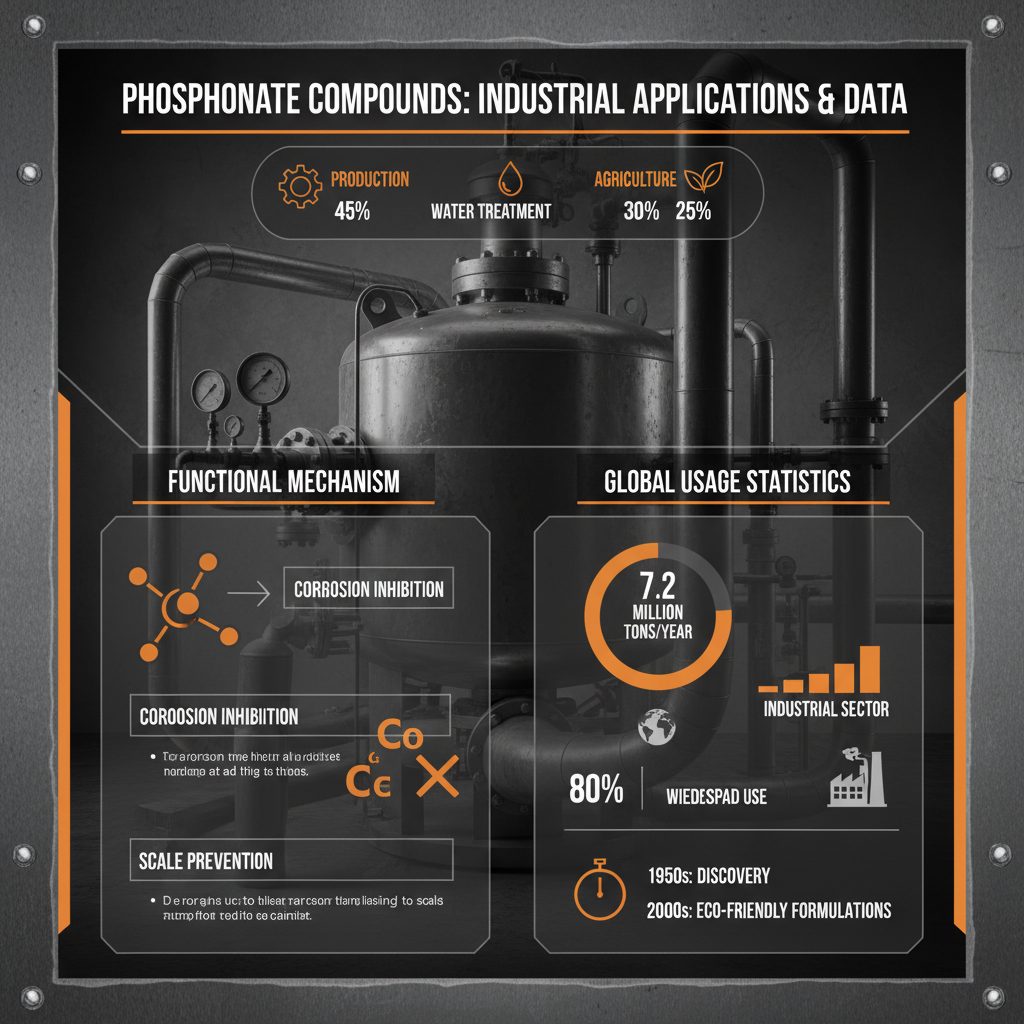
phosphono Performance Metrics
Global Applications and Real-World Use Cases
phosphono is currently employed in a wide range of applications across the globe. In post-disaster relief operations, it’s used to construct rapidly deployable shelters and medical facilities, providing safe and secure environments for affected communities. In remote industrial zones, its durability and resistance to corrosion make it ideal for constructing pipelines, storage tanks, and other critical infrastructure.
Several governments and NGOs are actively adopting phosphono for large-scale infrastructure projects. For example, in coastal regions susceptible to hurricanes, phosphono is being utilized to build seawalls and protective barriers. In arid climates, it’s employed in the construction of water storage facilities, minimizing evaporation and ensuring a reliable water supply.
Advantages and Long-Term Value Proposition
The tangible benefits of phosphono extend far beyond initial cost savings. Its exceptional durability dramatically reduces maintenance requirements and extends the lifespan of structures, leading to lower life-cycle costs. Its lightweight nature simplifies transportation and installation, further reducing project expenses. From a sustainability perspective, the reduced need for replacements minimizes waste and lowers the overall carbon footprint.
Beyond the practical advantages, phosphono provides peace of mind. Its reliability ensures the safety and security of individuals and communities. Its innovative nature positions organizations as forward-thinking leaders. And its proven performance fosters trust and confidence among stakeholders.
Future Trends and Innovations in phosphono Technology
Ongoing research and development efforts are focused on enhancing phosphono’s properties and expanding its applications. New formulations incorporating bio-based polymers are being explored to further reduce its environmental impact. Integration with smart technologies, such as sensors and self-healing mechanisms, is underway to create intelligent materials capable of monitoring their own condition and adapting to changing environments.
The convergence of phosphono with green energy technologies is particularly promising. It’s being investigated as a component in wind turbine blades, solar panel frames, and energy storage systems. Digital transformation and automation are also playing a role, streamlining the manufacturing process and enabling the creation of customized phosphono solutions tailored to specific project needs.
FAQS
phosphono offers a compelling combination of durability, cost-effectiveness, and sustainability, making it ideal for infrastructure projects. Its resistance to corrosion, weathering, and impact significantly reduces maintenance costs and extends the lifespan of structures. Furthermore, its lightweight nature simplifies installation and reduces transportation expenses. It also aligns with global sustainability goals, offering a responsible alternative to traditional materials.
Compared to traditional materials like concrete and steel, phosphono has a significantly lower environmental footprint. Its manufacturing process generates less waste, and it can incorporate recycled content. Its extended lifespan reduces the need for frequent replacements, minimizing resource consumption. Additionally, phosphono’s lightweight nature reduces transportation emissions. For detailed environmental impact data, visit phosphono.
Yes, phosphono is specifically engineered to withstand extreme climates. Its resistance to UV radiation, temperature fluctuations, and chemical corrosion makes it suitable for use in hot deserts, cold arctic regions, and corrosive marine environments. It maintains its structural integrity and performance characteristics even under harsh conditions, ensuring long-lasting durability.
The lifespan of structures built with phosphono is significantly longer than those built with traditional materials. While it depends on specific application and environmental conditions, phosphono structures typically have a service life of 50-100 years or more. This extended lifespan translates to substantial long-term cost savings and reduced environmental impact.
While phosphono offers numerous advantages, current limitations include higher initial material costs compared to some traditional alternatives, and a limited number of specialized manufacturers. Ongoing research and development efforts are focused on addressing these challenges by reducing production costs and expanding manufacturing capacity. However, the long-term cost benefits and sustainability advantages often outweigh the initial investment.
You can obtain a quote for a project involving phosphono by contacting us directly through our website, phosphono. Our team of experts will work with you to understand your specific requirements and provide a customized solution. We offer comprehensive support, from initial design to installation and ongoing maintenance.
Conclusion
In conclusion, phosphono represents a transformative advancement in material science, offering a compelling solution to the challenges of sustainability, durability, and cost-effectiveness. Its versatility and adaptability make it suitable for a wide range of applications, from infrastructure and construction to disaster relief and renewable energy. Embracing phosphono is not simply adopting a new material; it’s investing in a more resilient, sustainable, and innovative future.
As research continues and production capabilities expand, we anticipate even more groundbreaking applications of phosphono emerging. We encourage stakeholders across industries and organizations to explore the possibilities of phosphono and consider its integration into their future projects. Visit our website at phosphono to learn more and discover how phosphono can help you build a better tomorrow.