Butane 1,2,4-tricarboxylic acid, a relatively obscure organic compound, is gaining attention due to its potential as a building block in sustainable polymers and materials. While not currently produced on a massive scale, its unique chemical structure and potential for bio-based production are driving research and development efforts. Understanding this compound is crucial for innovating within the realms of green chemistry and advanced material science, and can potentially contribute to a circular economy.
The global relevance of butane 1,2,4-tricarboxylic acid stems from the increasing demand for environmentally friendly alternatives to traditional petrochemical-based products. As regulations tighten and consumer awareness grows, the need for sustainable materials is paramount. This compound offers a promising pathway to create bio-degradable plastics, high-performance coatings, and other advanced materials, reducing reliance on fossil fuels. The United Nations Sustainable Development Goals, particularly those focused on responsible consumption and production (Goal 12) and climate action (Goal 13), directly benefit from innovations involving this compound.
Essentially, butane 1,2,4-tricarboxylic acid is a tricarboxylic acid derived from butane. Its structure features three carboxyl groups (-COOH) attached to a four-carbon butane backbone. This trifunctionality makes it a versatile building block for polymers and cross-linking agents. It has connections to modern industry through its role as a potential monomer in creating polyesters, polyamides, and other polymer types with tailored properties, and aligns with humanitarian needs through the creation of durable and sustainable packaging or water purification materials.
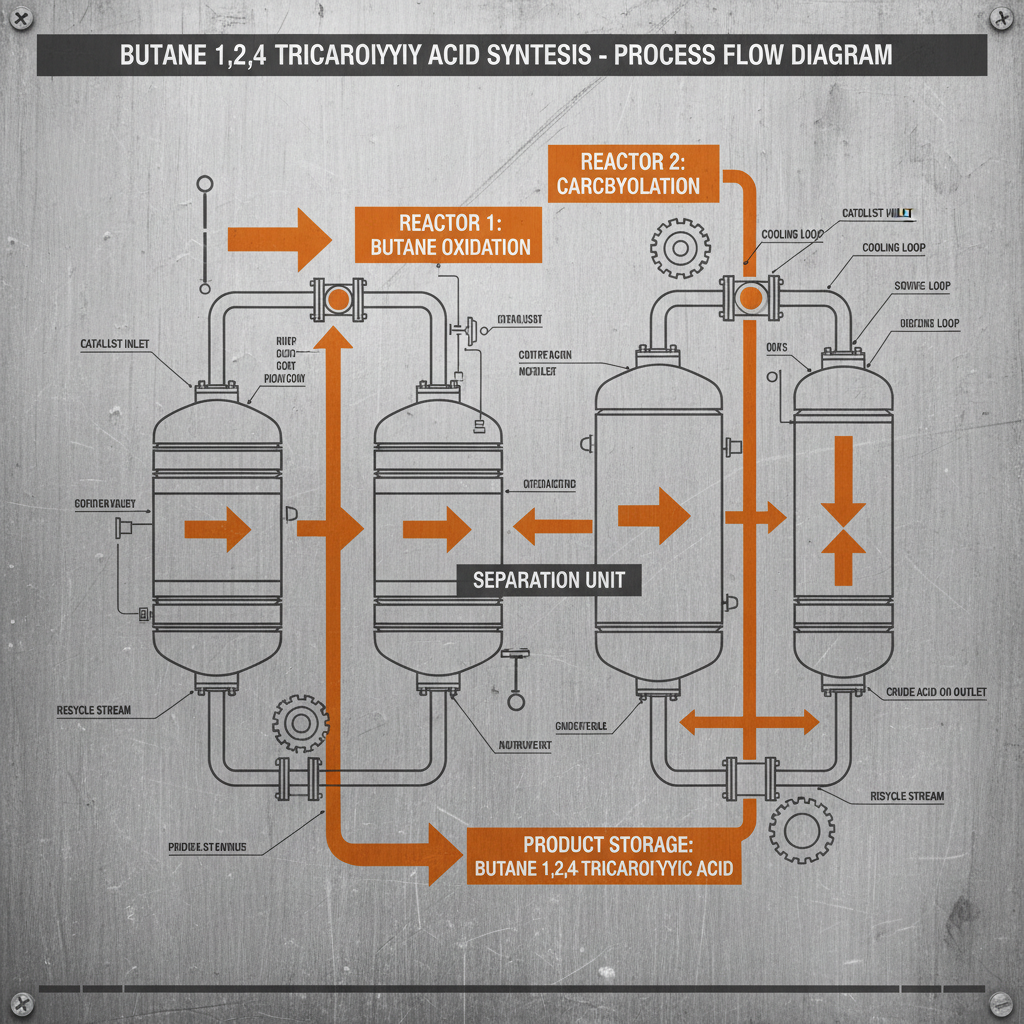
The demand for sustainable materials is rapidly increasing globally, driven by environmental concerns and stricter regulations. The petrochemical industry, traditionally the primary source of polymers and plastics, faces increasing scrutiny due to its carbon footprint and contribution to pollution. Butane 1,2,4-tricarboxylic acid presents a viable alternative building block for bio-based materials, lessening dependence on finite fossil resources. Current global polymer production exceeds 368 million tonnes annually (Plastics Europe, 2023), with a significant portion originating from unsustainable sources, highlighting the urgency for alternatives.
The current challenge lies in scaling up production of butane 1,2,4-tricarboxylic acid to meet potential demand. While laboratory synthesis is well-established, economically viable and environmentally sustainable industrial processes are still under development. The World Bank estimates that investment in circular economy initiatives, including bio-based materials, will require significant funding in the coming decades to achieve substantial impact. The ISO standards related to bio-content and biodegradability (ISO 14851, ISO 17088) are also driving the need for standardized materials derived from compounds like butane 1,2,4-tricarboxylic acid.
A core problem this compound addresses is the persistence of plastic waste in the environment. Traditional plastics take hundreds of years to decompose, leading to accumulation in landfills and oceans. Butane 1,2,4-tricarboxylic acid-based polymers, designed for biodegradability, offer a pathway to mitigating this environmental burden, aligning with international commitments towards a more sustainable future. Its potential, combined with advancements in biotechnology, offers a realistic solution to a critical global issue.
Butane 1,2,4-tricarboxylic acid offers significant environmental advantages. Its potential to create biodegradable polymers drastically reduces plastic waste accumulation in landfills and oceans. Unlike petroleum-based plastics, production can be bio-based, lessening reliance on fossil fuels and reducing greenhouse gas emissions. This aligns with circular economy principles and sustainable development goals. Its production can utilize waste streams, further improving the environmental footprint.
Currently, butane 1,2,4-tricarboxylic acid polymers tend to be more expensive than conventional plastics due to the relatively nascent stage of bio-based production. However, costs are expected to decrease significantly with advancements in metabolic engineering, optimized fermentation processes, and economies of scale. Government subsidies and increased demand for sustainable materials can also help drive down prices, making them increasingly competitive.
Applications where biodegradability is a key requirement, such as packaging (especially food packaging), agricultural films, and disposable products, are particularly well-suited for BTCA-based materials. They are also promising for applications requiring biocompatible materials, like medical devices or controlled-release systems. The tuneable properties of the polymers allow for broad applicability.
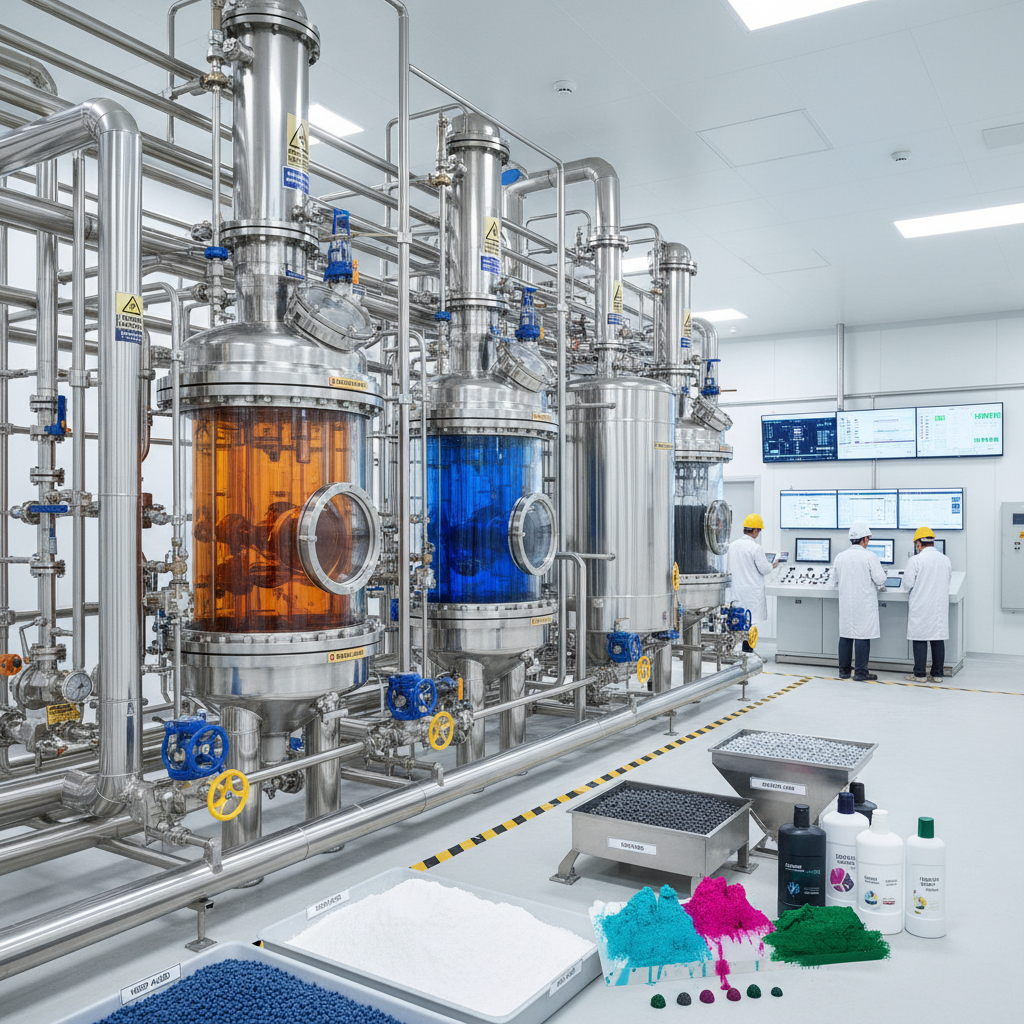
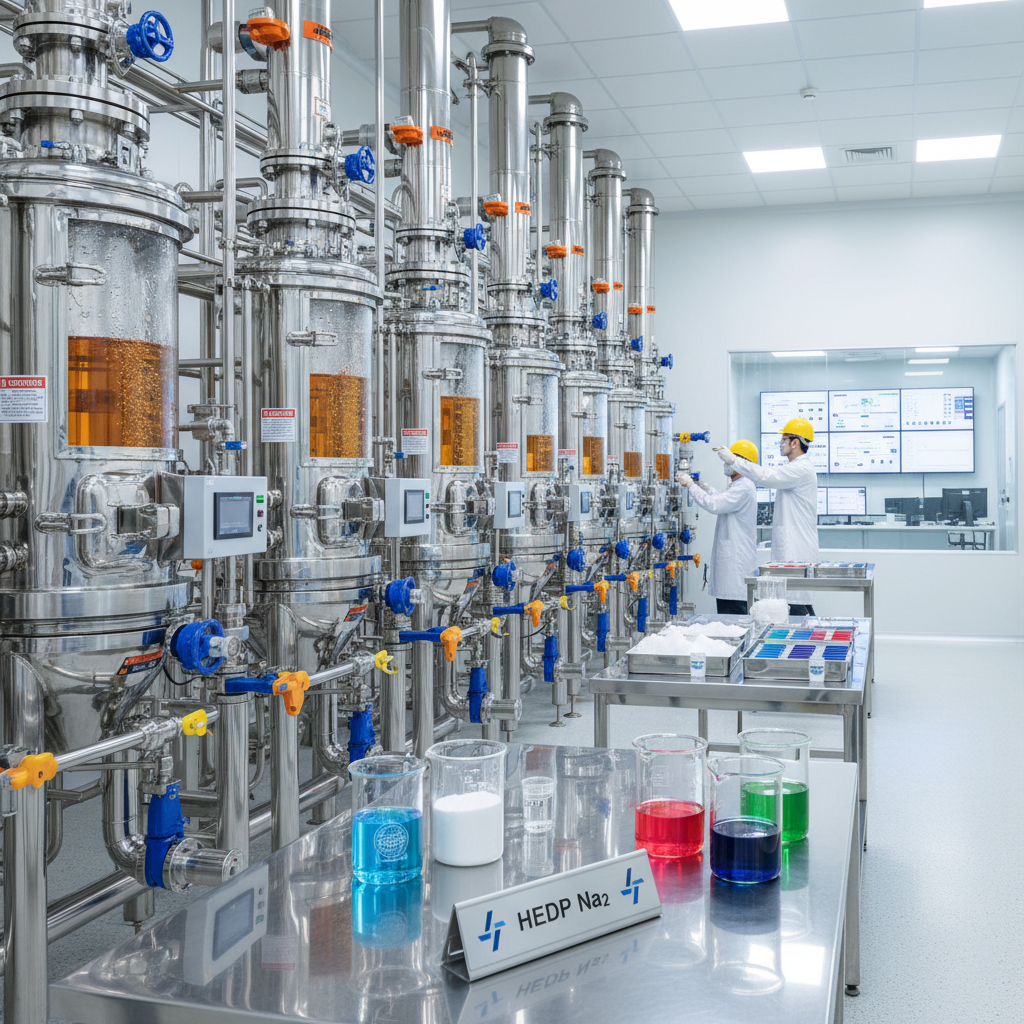
Scaling up production is currently a major focus of research and development. While laboratory-scale synthesis is well established, achieving cost-effective and sustainable industrial-scale production remains a challenge. Pilot plants are being established to test and refine bio-based production processes, and significant investment is needed to build larger biorefineries.
Butane 1,2,4-tricarboxylic acid and its derived polymers generally exhibit low toxicity and are considered biocompatible. Extensive testing is, of course, essential to ensure the safety of materials for specific applications, particularly in the medical or food industries. Regulations governing food contact materials and medical devices must be followed diligently.
Butane 1,2,4-tricarboxylic acid-based materials promote a circular economy by enabling the creation of biodegradable products that can be composted or broken down naturally, reducing waste. Bio-based production pathways can utilize waste feedstocks, further closing the loop. The overall design aims to minimize resource depletion and pollution, creating a more sustainable system.
In summary, butane 1,2,4-tricarboxylic acid represents a promising building block for a more sustainable future. Its potential for creating biodegradable polymers, combined with advancements in bio-based production methods, offers a viable alternative to traditional petrochemical-based materials. From packaging and agriculture to medical applications and disaster relief, the versatility of this compound is driving innovation across multiple sectors.
Looking ahead, continued investment in research and development, coupled with supportive government policies, will be crucial for accelerating the adoption of butane 1,2,4-tricarboxylic acid-based materials. By embracing this sustainable solution, we can contribute to a circular economy, reduce our reliance on fossil fuels, and protect the environment for future generations. For more information and to explore opportunities, visit our website: butane 1 2 4 tricarboxylic acid