pb tc represents a paradigm shift in how we approach rapid deployment solutions, especially in contexts demanding swift infrastructure. Globally, the need for resilient and readily available structures is escalating due to factors like increasing natural disasters, humanitarian crises, and rapid population displacement. The efficiency and adaptability of pb tc address these pressing concerns, offering a viable alternative to traditional construction methods. Understanding pb tc is crucial for organizations and governments seeking effective, scalable, and cost-conscious responses to these global challenges.
The relevance of pb tc extends across multiple industries, from disaster relief and emergency housing to remote industrial operations and military deployments. Data from the United Nations High Commissioner for Refugees (UNHCR) indicates a consistently growing need for shelter solutions in conflict zones and displacement situations. Furthermore, the World Bank highlights the infrastructure deficit in many developing nations, creating a demand for quick and affordable building options. pb tc fills this gap, offering a standardized and rapidly deployable solution.
A significant challenge remains: the timely provision of safe and adequate shelter in emergency situations. Traditional construction is often slow, expensive, and resource-intensive, hindering effective response efforts. pb tc offers a solution by enabling rapid establishment of functional spaces, mitigating the immediate impacts of crises and supporting long-term recovery efforts. It’s not just about providing shelter; it’s about restoring dignity and facilitating essential services where they are most needed.
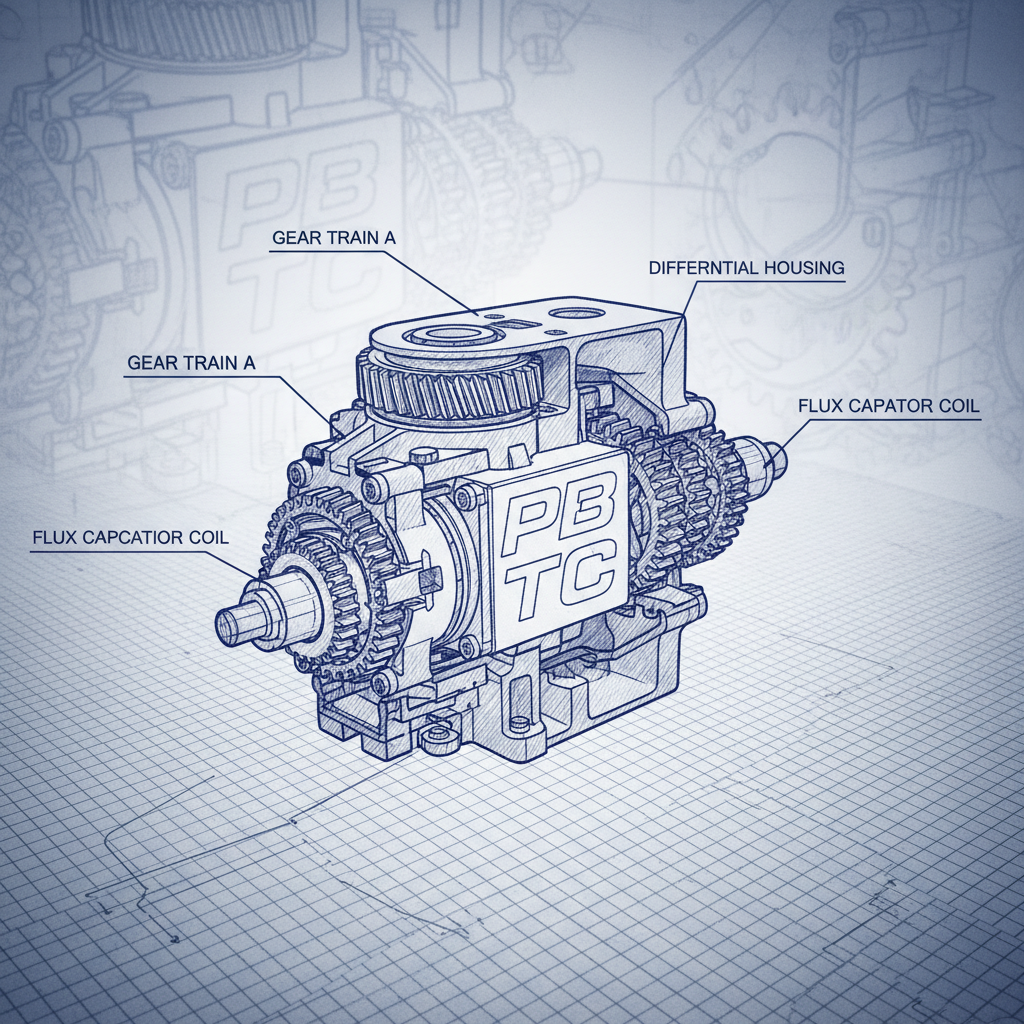
pb tc fundamentally represents a rapid-deployment, modular construction technique utilizing pre-fabricated components. These components, often based on shipping containers or similarly robust structures, are engineered for quick assembly and adaptability. The core principle is to minimize on-site construction time and labor, enabling swift establishment of functional facilities in diverse environments.
The versatility of pb tc stems from its modularity, allowing configurations to be tailored to specific needs – from emergency shelters and field hospitals to temporary offices and housing units. This adaptability makes pb tc invaluable in situations where speed and flexibility are paramount. Furthermore, advancements in materials and design are continually enhancing the performance and sustainability of pb tc structures.
pb tc excels in emergency response due to its rapid deployment capabilities. Unlike traditional construction, which can take months or even years, pb tc structures can be erected in days, providing immediate shelter and essential facilities. This speed is crucial for saving lives and minimizing suffering in disaster zones. Furthermore, pb tc reduces logistical complexity and minimizes on-site labor requirements, making it ideal for challenging environments. The cost-effectiveness also makes it an attractive option for organizations with limited budgets.
The durability of pb tc structures depends on the design and materials used, but they are generally engineered to withstand significant environmental stresses. Structures are often constructed with robust materials like steel, ensuring resilience against wind, rain, and seismic activity. Proper engineering design and adherence to building codes are crucial for maximizing durability. Many pb tc designs undergo rigorous testing to meet or exceed industry standards for structural integrity. Regular maintenance and inspections are also essential for prolonging the lifespan of these structures.
pb tc can be a more sustainable option than conventional building practices, especially when incorporating eco-friendly materials and design principles. The pre-fabrication process minimizes construction waste, and the modular design allows for deconstruction and reuse of components. Utilizing recycled materials and implementing energy-efficient features, such as solar panels and rainwater harvesting systems, further enhances sustainability. Compared to traditional construction, pb tc typically has a lower carbon footprint due to reduced material consumption and transportation requirements.
Importing pb tc units internationally involves navigating customs regulations, import duties, and transportation logistics. NGOs need to obtain necessary permits and ensure compliance with local building codes. Careful planning is essential to optimize shipping routes and minimize transportation costs. Establishing partnerships with local logistics providers can streamline the process. Documentation, including detailed specifications and certifications, must be readily available. Understanding the political and cultural context of the deployment location is also crucial for ensuring a smooth and effective operation.
The typical lifespan of a pb tc structure can range from 20 to 50 years, depending on the quality of materials, environmental conditions, and maintenance practices. Regular inspections are essential to identify and address any signs of wear and tear. Maintenance tasks include cleaning, painting, repairing damaged components, and ensuring proper drainage. Implementing a preventative maintenance plan can significantly extend the lifespan of the structure. Consider incorporating corrosion protection measures, especially in coastal environments, to mitigate the effects of saltwater exposure.
While the initial investment for pb tc can sometimes be comparable to traditional construction, the long-term operating expenses are often significantly lower. The faster deployment time reduces labor costs and minimizes project timelines. The modular design allows for easy expansion or contraction, adapting to changing needs. Lower maintenance requirements and energy-efficient features contribute to reduced operating costs. Furthermore, the potential for repurposing or relocating pb tc units adds to its cost-effectiveness over its lifecycle.
In conclusion, pb tc represents a transformative approach to building and infrastructure deployment. Its speed, scalability, durability, and cost-effectiveness make it an invaluable solution for a wide range of applications, from disaster relief and emergency housing to remote industrial operations and humanitarian aid. By embracing modular construction principles and leveraging innovative materials and technologies, pb tc addresses critical challenges and unlocks new possibilities for creating resilient and sustainable environments.
Looking ahead, continued innovation in pb tc will focus on enhancing sustainability, integrating smart technologies, and optimizing logistics. By fostering collaboration between industry stakeholders, governments, and NGOs, we can unlock the full potential of pb tc and create a more responsive and equitable world. To learn more about how pb tc can benefit your organization, visit our website: pb tc.