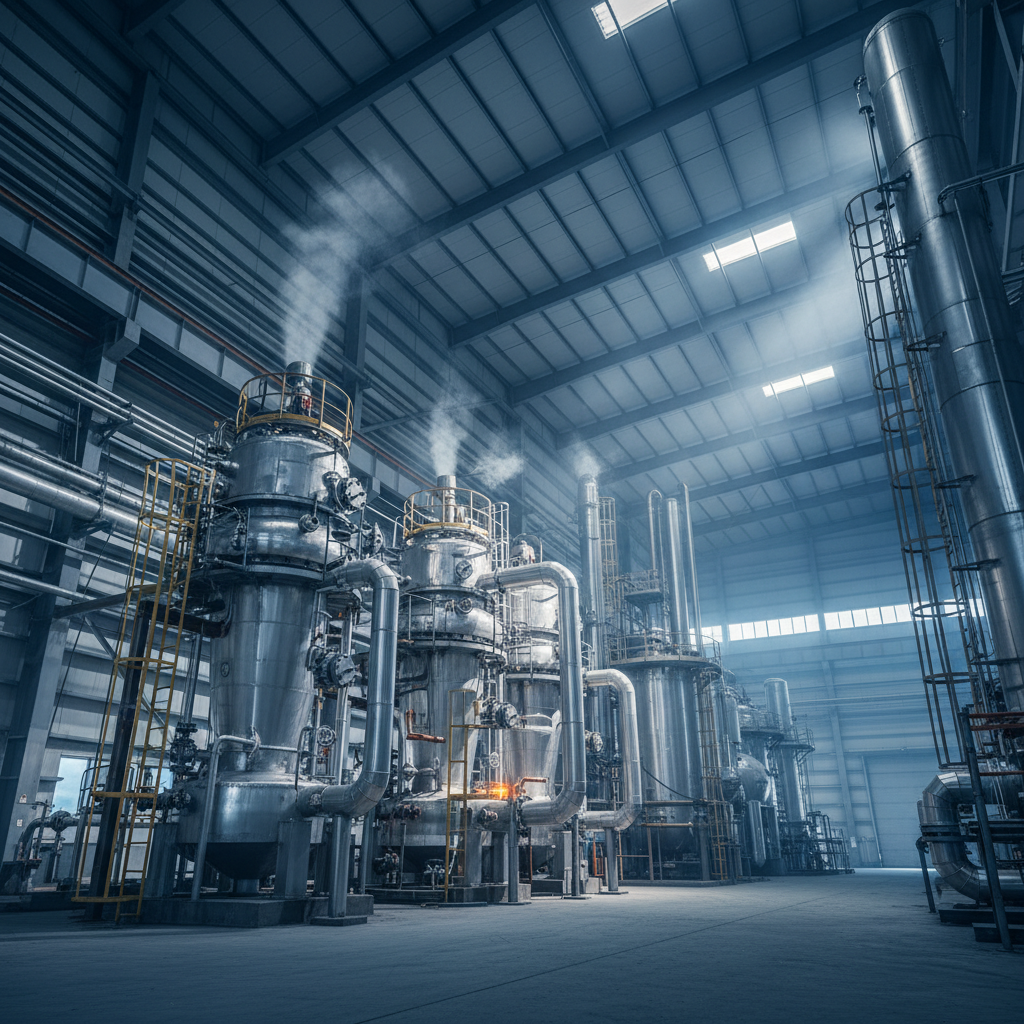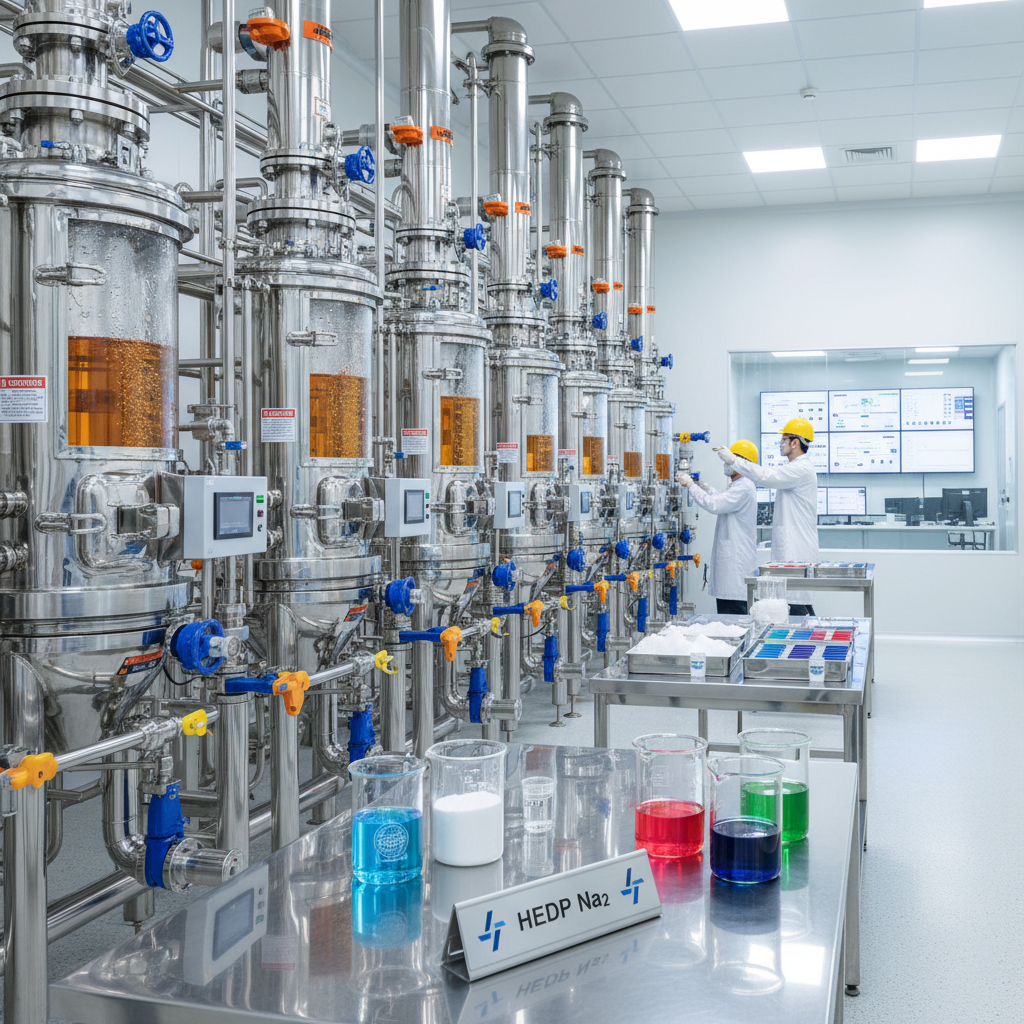
Look, after running around construction sites all year, you start to see patterns. Right now, everyone's chasing higher strength, lighter weight, and… honestly, more sustainable materials. It’s the buzzword bingo of the decade. But chasing specs alone? That’s where things get tricky. I’ve seen so many designs that look great on paper, all optimized in CAD, but then fall apart the second a real worker tries to assemble them in the field. You gotta think about the guys actually building with it, you know?
And it’s not just about the design. Materials are a whole other beast. Everyone's talking about carbon fiber now, of course. But have you tried cutting that stuff on site? It sheds like crazy. And the smell… like burnt plastic mixed with something vaguely chemical. You need proper ventilation and respirators, which, let’s be real, not everyone’s wearing. Then there’s the new generation of polymers. They’re claiming amazing durability, but I’ve seen them crack under UV exposure in a matter of months.
To be honest, a lot of it comes down to testing. Lab tests are useful, sure, but they don't replicate the chaos of a building site. We started doing real-world load testing a couple of years ago. Just setting up a structure and piling on weight until something gives. It's messy, it’s loud, and it's a lot more informative than any fancy simulation. We're talking about real stress, real conditions.

Strangely enough, a lot of engineers seem to forget that people build things, not robots. They design for perfect conditions, perfect tools, perfect skill levels. Which… doesn’t exist. I encountered this at a prefabrication factory last time - they’d designed a connection that required three people and a specialized wrench. Tried to scale it up? Forget about it. It became a bottleneck. Anyway, I think the biggest trend right now is modular construction. Everyone wants faster build times, less waste, more control… but it’s still early days.
And it's not just about speed. It’s about logistics. Getting those modules to the site, lifting them into place… it adds a whole layer of complexity. That’s where the design has to be bulletproof. There's a lot of hype around BIM (Building Information Modeling), and it’s good, really good. But BIM is only as good as the data you put into it. Garbage in, garbage out, as they say.
Honestly, it's not the materials themselves, it's the resistance to change. Workers are used to working with what they know. Getting them trained on new techniques and materials takes time and effort. Then there's the issue of building codes and regulations – they often lag behind innovation. It's a slow process.
It's becoming increasingly important, no doubt about it. Clients are demanding more sustainable options. But it's tricky. Sometimes, the "sustainable" option is more expensive or less durable. You have to weigh the pros and cons carefully. It's not always a clear-cut answer.
I'd say engineered wood products, like cross-laminated timber (CLT). It’s incredibly strong, lightweight, and sustainable. It's also surprisingly fire-resistant. People are still hesitant to use it because it's relatively new, but it has huge potential.
We have a strict vetting process for all our suppliers. We inspect their facilities, review their quality control procedures, and conduct our own testing. We also require them to provide certificates of compliance. It's a lot of work, but it's essential to ensure that we're getting materials that meet our standards.
Don't cut them without proper ventilation! And always wear a respirator. The dust is nasty. Also, be careful about storing them in direct sunlight – they can degrade over time. Oh, and don't use abrasive cleaners – they can scratch the surface.
Self-healing concrete. Seriously. It incorporates bacteria that produce limestone, which fills in cracks as they form. It’s still in the early stages of development, but it could revolutionize the way we build things. And graphene composites… that’s another one to watch. It’s incredibly strong and lightweight, but it's still very expensive.
So, where does all this leave us? Well, the construction industry is changing rapidly. New materials, new technologies, new regulations… it’s a lot to keep up with. But ultimately, the goal remains the same: build structures that are safe, durable, and cost-effective. And honestly, that’s not just about picking the right materials. It’s about understanding how those materials behave in the real world, and making sure that the people building with them have the skills and knowledge they need to do the job right.
Anyway, I think the key is to stay curious, keep learning, and don't be afraid to challenge the status quo. And remember, ultimately, whether this thing works or not, the worker will know the moment he tightens the screw.