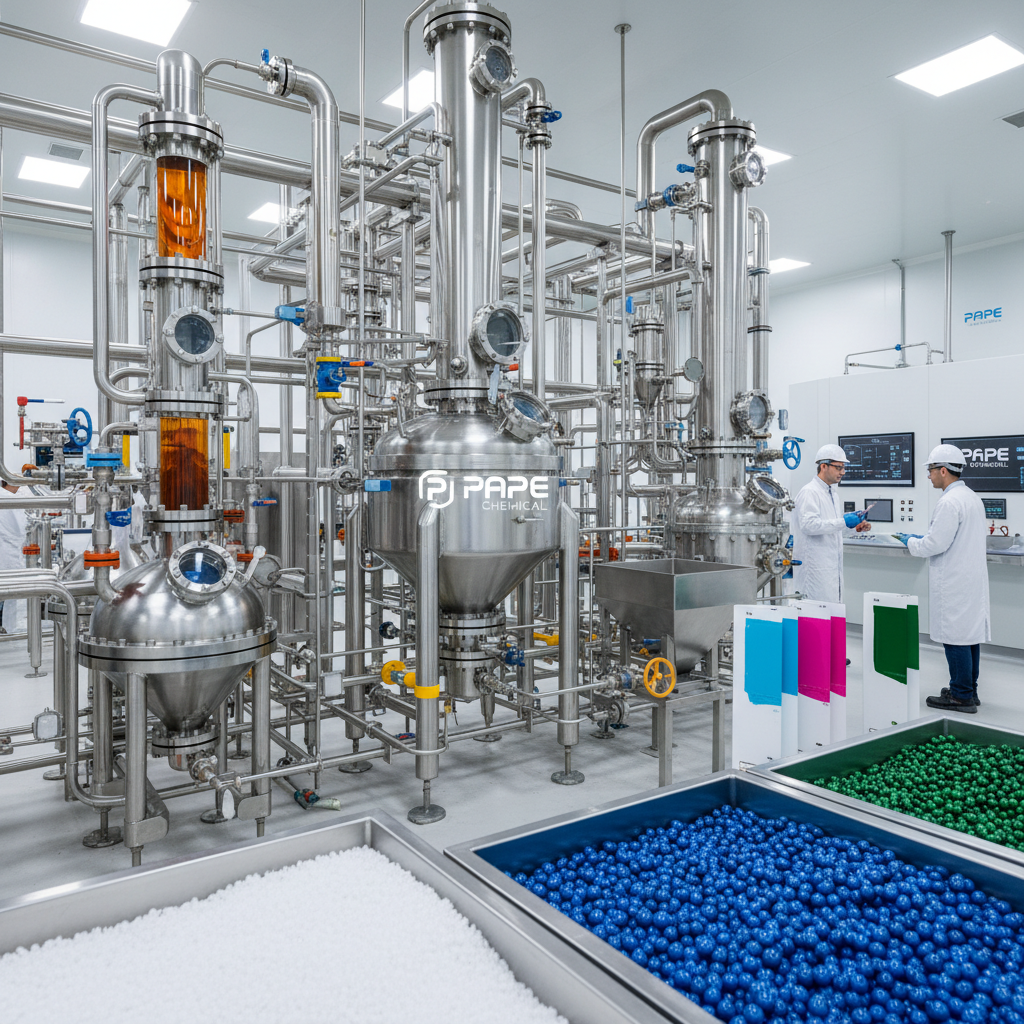
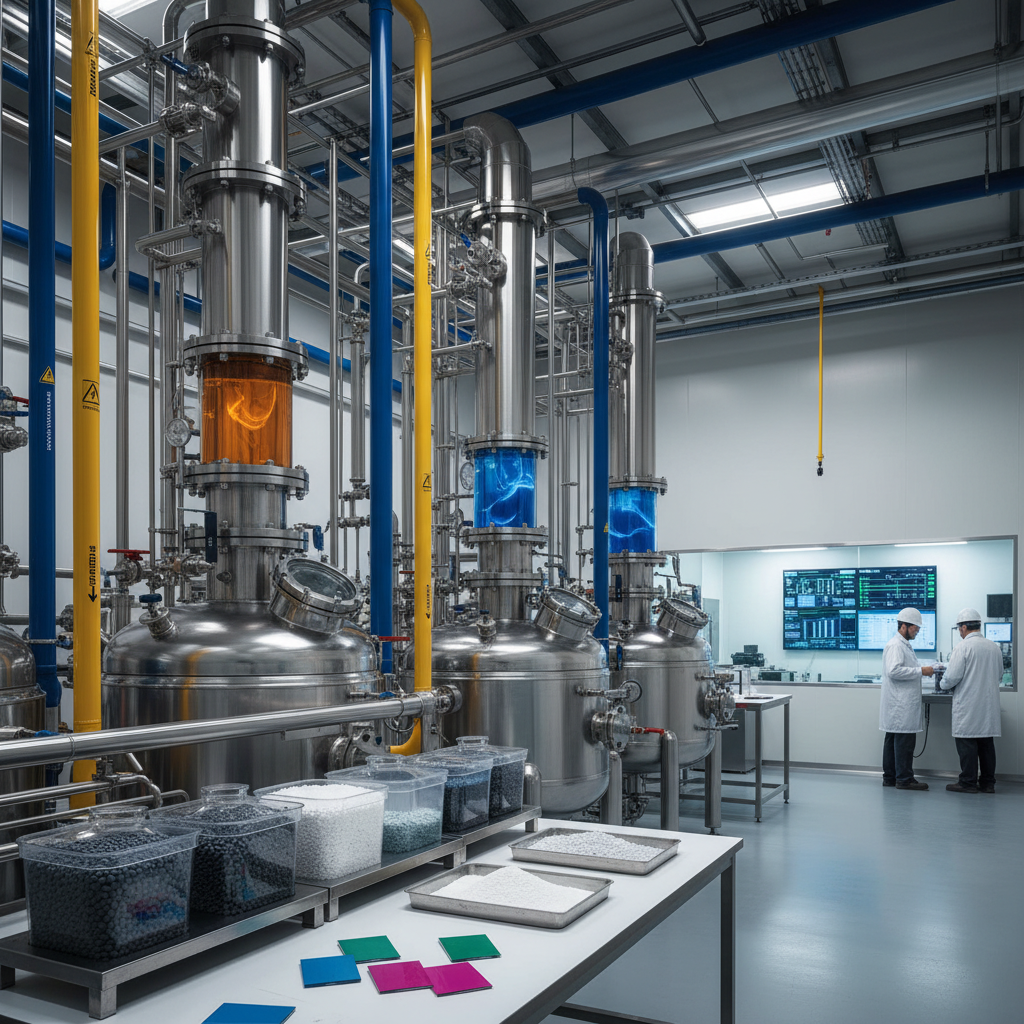
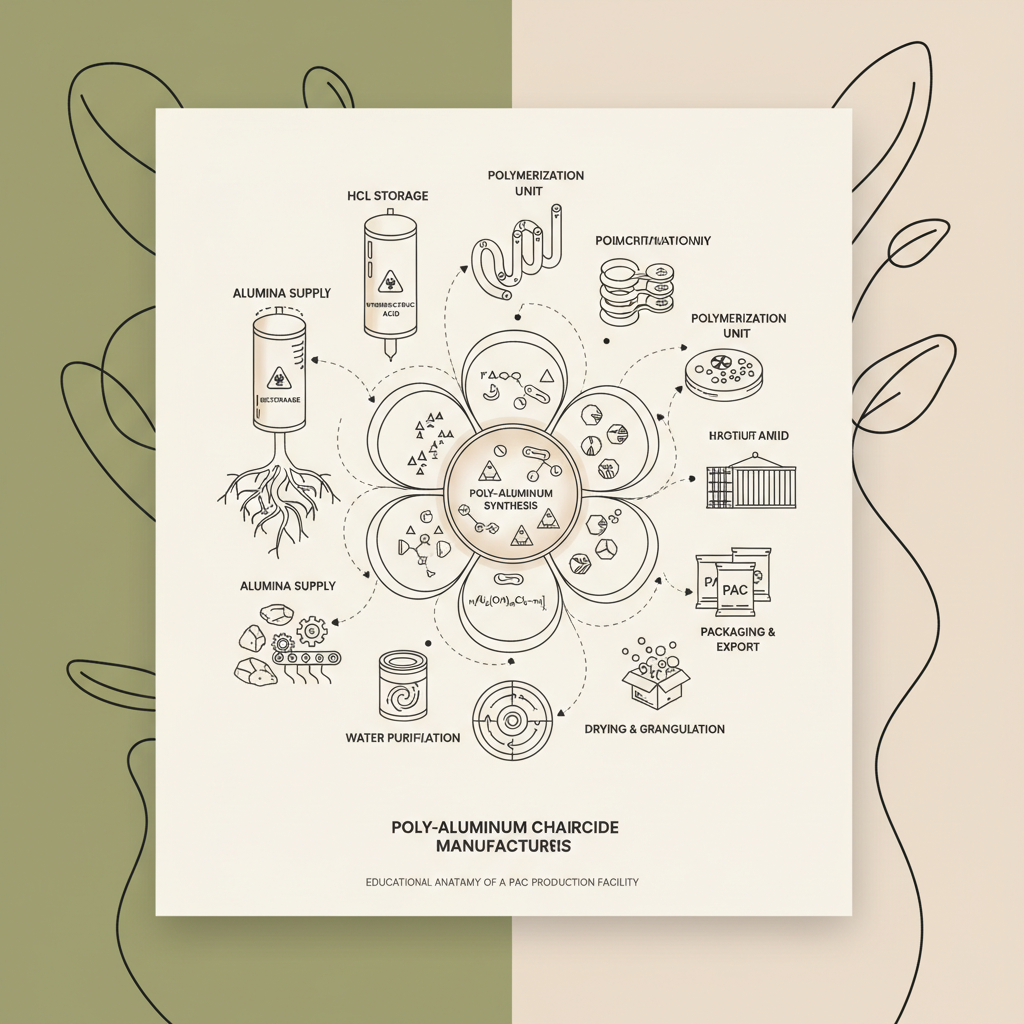
In the complex landscape of industrial water treatment, the implementation of pape represents a critical shift toward higher efficiency and environmental stewardship. As industries struggle with the dual challenge of maintaining operational uptime and meeting stringent ecological regulations, the strategic application of specialty chemicals has become the primary line of defense against system degradation and costly downtime.
Across the globe, the demand for high-performance chemical agents is skyrocketing as manufacturing processes become more intensive. The role of pape is not merely as an additive, but as a core catalyst for stability in cooling towers, boilers, and wastewater treatment facilities, ensuring that mineral deposits and biological growth do not compromise infrastructure.
Understanding the nuances of pape allows plant managers and engineers to optimize their chemical dosing, reduce water waste, and extend the lifespan of expensive machinery. By integrating these advanced solutions, companies can move from a reactive maintenance posture to a proactive, predictive model of system care.
Global Industry Relevance of pape
The global industrial sector is currently facing an unprecedented water crisis, where the scarcity of freshwater sources is clashing with the rising needs of chemical production. In this context, pape has emerged as a vital tool for water recycling and conservation. According to data aligned with ISO standards for environmental management, the reduction of scale and corrosion through advanced chemical treatment can reduce water blowdown requirements by up to 30%, significantly lowering the environmental footprint of heavy industry.
Furthermore, the economic impact of ignoring the precision of pape is staggering. Uncontrolled mineral scaling in heat exchangers can lead to a 10-15% decrease in heat transfer efficiency, resulting in millions of dollars in wasted energy globally. By implementing standardized chemical protocols, industries are not only protecting their assets but are also aligning with global sustainability goals set by international environmental agencies.
Defining pape in Modern Manufacturing
At its core, pape refers to a sophisticated system of specialized chemical agents—including Biocides, Algicides, and Phosphonate Antiscalants—designed to maintain the purity and functionality of industrial fluids. Rather than being a single product, it represents a methodology of chemical balance that prevents the crystallization of salts and the proliferation of biological films in closed-loop systems.
In the modern manufacturing context, this involves the strategic blending of Polycarboxylic Antiscalants and Biodegradable Dispersants. The goal is to create a chemical environment where minerals remain suspended in the fluid rather than adhering to metal surfaces. This molecular-level engineering is what differentiates a standard treatment from a high-performance pape approach.
Ultimately, the meaning of pape extends to the humanitarian need for clean water and safe industrial output. By preventing leakages caused by corrosion and reducing the reliance on harsh, non-biodegradable acids for cleaning, these chemical solutions ensure that industrial growth does not come at the cost of local ecosystem health.
Core Components of pape Efficiency
The efficiency of pape is built upon several technical pillars, the first being Chemical Stability. For an antiscalant to be effective, it must remain active across a wide range of pH levels and temperatures, ensuring that the protective barrier remains intact even during peak operational loads.
Another critical component is Biodegradability. Modern pape formulations prioritize biodegradable dispersants to ensure that the effluent water meets strict environmental discharge limits. This transition from persistent chemicals to eco-friendly alternatives is a cornerstone of the current industry evolution.
Finally, Synergistic Compatibility ensures that different agents—such as corrosion inhibitors and chelating agents—work together without neutralizing each other. The precise calibration of these components allows pape to provide comprehensive protection against both organic fouling and inorganic scaling simultaneously.
Practical Performance Metrics of pape
Evaluating the success of a pape program requires a data-driven approach. By measuring the "Cycles of Concentration" (COC), engineers can determine how effectively the antiscalants are preventing mineral precipitation. A higher COC indicates that the water can be reused more times before needing to be replaced, directly reflecting the performance of the chemical regime.
Beyond water savings, the impact on energy consumption is a primary KPI. When pape is optimized, the lack of scale buildup ensures that thermal conductivity remains at its theoretical maximum, reducing the fuel or electricity required to maintain process temperatures.
Comparative Efficiency of pape Implementation Methods
Global Applications and Use Cases
The practical application of pape spans multiple continents and industries. In the heavy industrial zones of Southeast Asia, where high humidity and temperatures accelerate biological fouling, the use of specialized biocides and algicides is essential to prevent "bio-slime" from clogging cooling systems. In these regions, a tailored pape strategy is the difference between continuous production and emergency shutdowns.
Conversely, in the desalination plants of the Middle East, the focus shifts toward Phosphonates and Polycarboxylic Antiscalants. Here, the high salinity of source water makes the systems prone to rapid calcium carbonate and sulfate scaling. By applying pape chemicals, these facilities can maintain high permeate flux and protect expensive reverse osmosis membranes from irreversible fouling.
Long-Term Value and Sustainability
Investing in a robust pape framework provides tangible economic advantages that extend far beyond the initial chemical cost. By reducing the frequency of acid washing and mechanical descaling, plants can significantly lower their operational expenditure (OPEX). More importantly, the extension of equipment life—such as boilers and piping—reduces capital expenditure (CAPEX) over a ten-year horizon.
From a sustainability perspective, the shift toward "Green Chemistry" within the pape category is driving a new era of corporate responsibility. The use of biodegradable chelating agents ensures that the industrial process does not contribute to the eutrophication of local waterways, thereby securing the "social license to operate" for manufacturing firms.
Ultimately, the long-term value of pape is found in the peace of mind it offers. The transition from a state of constant crisis management to one of stable, predictable performance allows engineering teams to focus on innovation rather than repair.
Future Innovations in pape Technology
The future of pape is being shaped by the integration of digital transformation and "smart" chemicals. We are seeing the rise of automated dosing systems that use real-time sensors to adjust the concentration of corrosion inhibitors based on the actual water chemistry, eliminating the waste associated with over-dosing.
Furthermore, nanotechnology is beginning to play a role in pape. Nano-encapsulated biocides can now be released slowly over time, providing long-term protection with a fraction of the chemical volume. This not only increases efficiency but drastically reduces the toxicity of the treatment process.
As global policies move toward a circular economy, the development of fully recyclable chemical agents will be the next frontier for pape. The goal is to create a closed-loop system where the treatment chemicals can be recovered and reused, bringing the concept of "zero liquid discharge" (ZLD) closer to reality.
Technical Analysis of pape Formulation Performance
| Chemical Category |
Scale Inhibition Score |
Eco-Friendliness |
Cost-Benefit Ratio |
| Phosphonate Antiscalants |
9.5 |
Moderate |
High |
| Polycarboxylic Dispersants |
8.8 |
High |
Medium |
| Biodegradable Agents |
7.2 |
Excellent |
High |
| Specialty Biocides |
N/A (Biological) |
Low-Moderate |
Essential |
| Chelating Agents |
8.0 |
Moderate |
Medium |
| Filming Agents |
6.5 |
High |
Medium |
FAQS
Traditional acid cleaning is a reactive process that removes scale after it has already formed, often damaging the metal surface in the process. In contrast, pape is a proactive approach that prevents scale from ever adhering to the surface. This eliminates the need for hazardous acid washes, reduces downtime, and significantly extends the operational lifespan of the equipment.
The duration depends on the specific formulation and the water chemistry, but most pape programs are designed for continuous dosing. When properly calibrated, they provide 24/7 protection. For batch treatments, the effects typically last until the chemical concentration drops below a critical threshold, which is why automated monitoring is highly recommended for industrial stability.
Yes, modern pape solutions are increasingly focused on biodegradable and non-toxic components. By utilizing biodegradable antiscalants and dispersants, companies can comply with ISO 14001 and other regional environmental regulations, ensuring that treated water does not harm the surrounding ecosystem upon discharge.
Absolutely. pape is designed to be compatible with most existing dosing pumps and filtration systems. The transition usually involves a system audit to determine the current water chemistry, followed by the introduction of the specialized agents into the current feed stream without requiring major structural changes to the plant.
Warning signs include a gradual increase in energy consumption for the same thermal output, frequent "slugs" of scale found in filters, or a rise in the frequency of biological growth (algae/slime) in cooling towers. If you are performing acid cleans more than once a year, it is a clear indicator that your current regime is insufficient and a specialized pape approach is needed.
While high-performance pape agents may have a higher per-kilogram cost than generic chemicals, the total cost of ownership is lower. This is achieved through reduced water consumption, lower energy bills, and the elimination of emergency repair costs. Most plants see a full return on investment (ROI) within the first 6 to 12 months of implementation.
Conclusion
In summary, the strategic implementation of pape represents the pinnacle of modern industrial water management. By combining high-efficiency antiscalants, biodegradable dispersants, and precise biocides, industries can effectively combat the twin threats of corrosion and scaling. The data clearly shows that moving from reactive cleaning to a proactive pape regime not only secures operational uptime but also aligns industrial growth with the urgent global need for environmental sustainability.
Looking forward, the integration of smart dosing and nanotechnology will further refine the efficiency of these systems. For any organization aiming to optimize its resource usage and protect its critical infrastructure, adopting a sophisticated chemical treatment strategy is no longer optional—it is a competitive necessity. We invite you to explore how these advanced solutions can transform your operations. Visit our website: www.lkpbtc.com