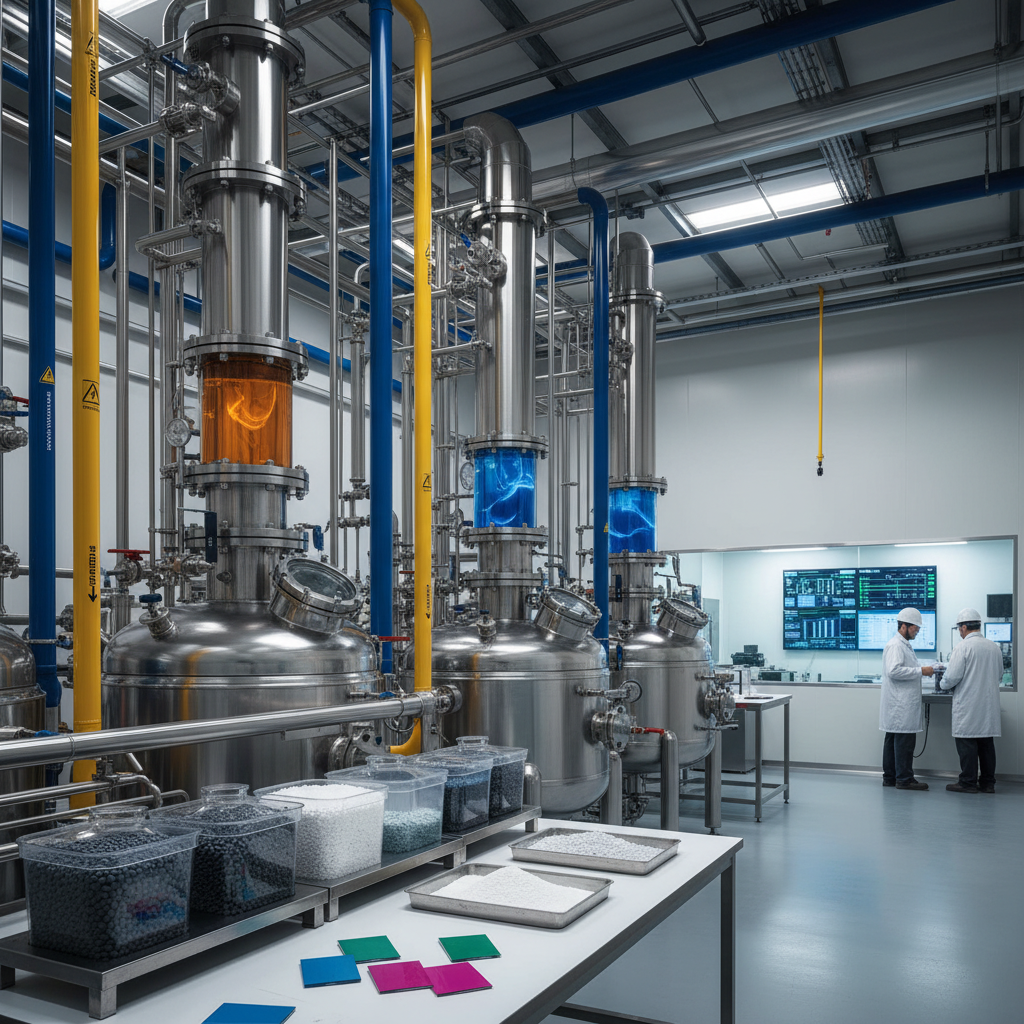
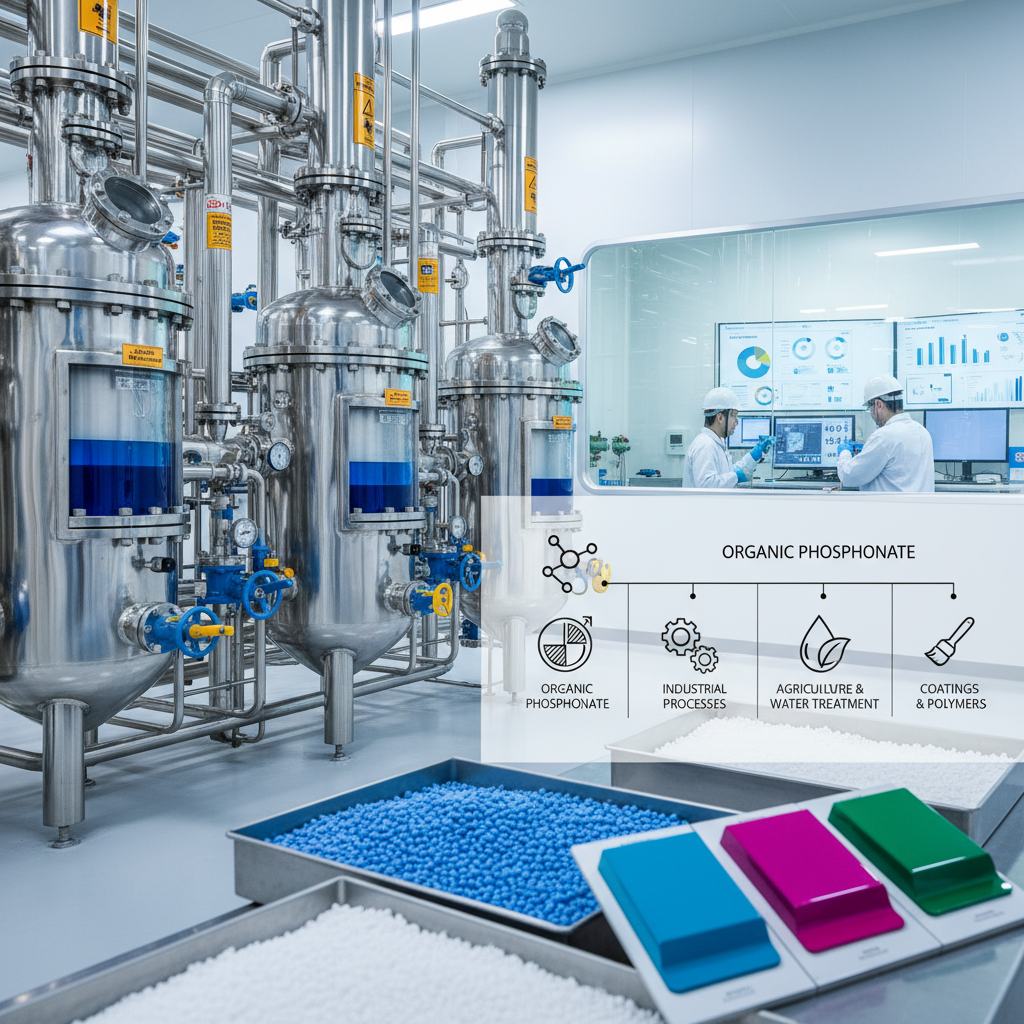
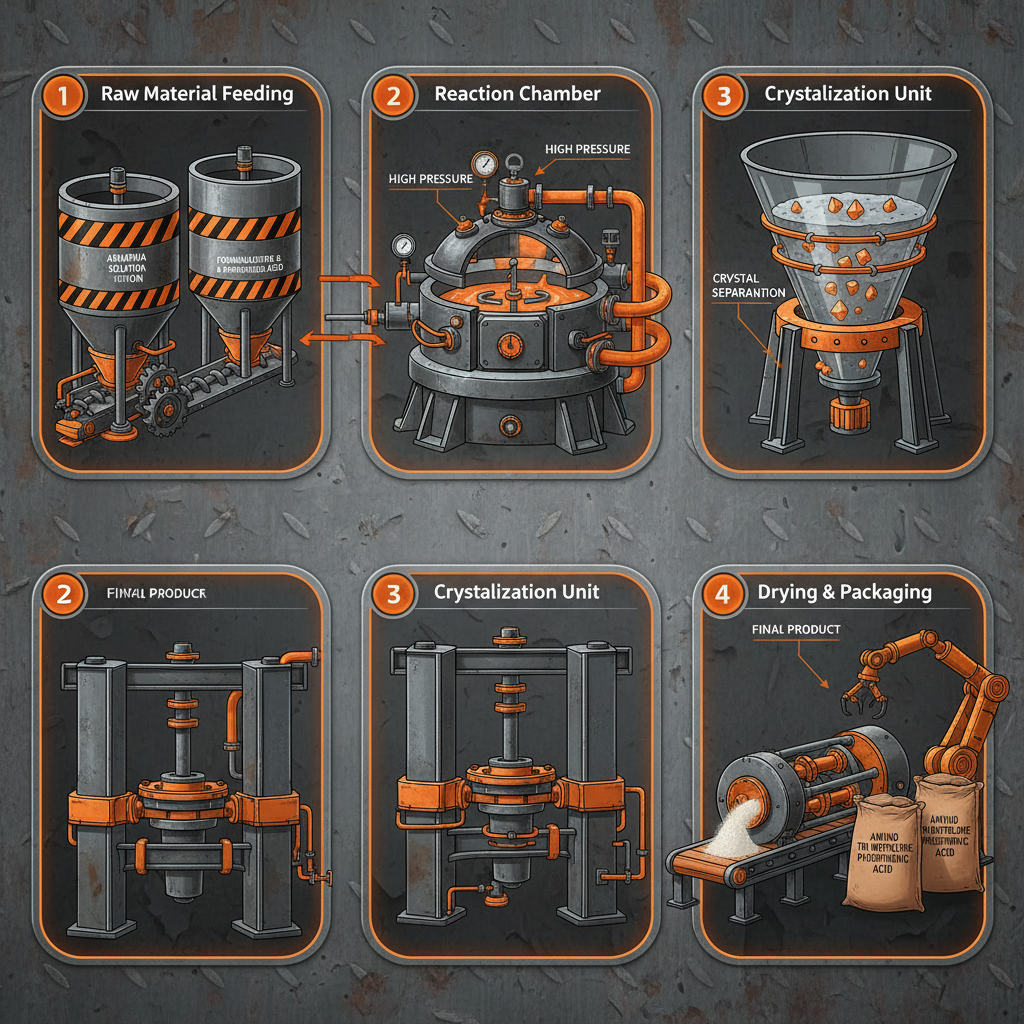
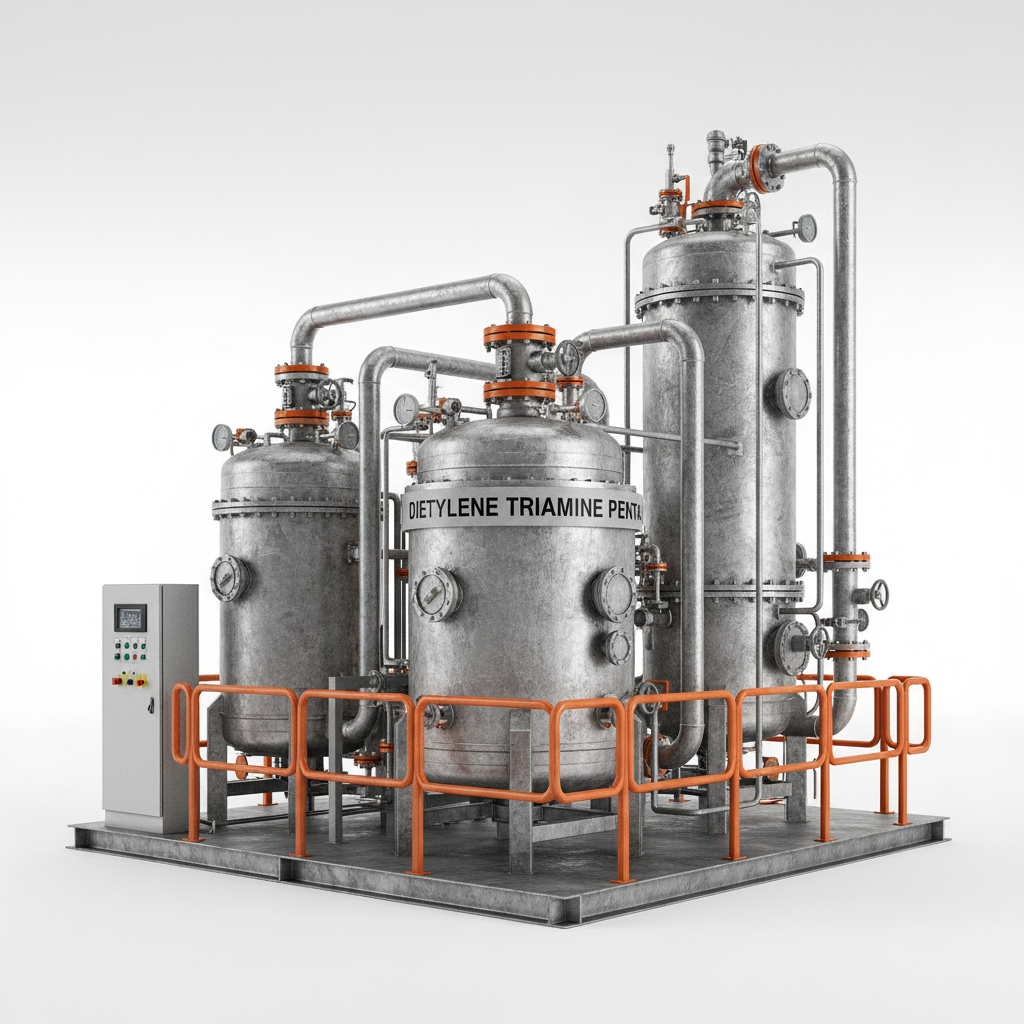
In the complex landscape of industrial water treatment and specialty chemicals, organic phosphonate compounds have emerged as indispensable tools for maintaining system efficiency. These sophisticated molecules are engineered to combat the perennial challenges of mineral scaling and metallic corrosion, ensuring that heat exchangers, cooling towers, and boilers operate at peak performance without costly downtime.
The global demand for high-performance water treatment chemicals is driven by an increasing need for energy efficiency and resource conservation. By utilizing organic phosphonate, industries can significantly reduce water consumption and extend the lifespan of critical infrastructure, aligning operational goals with global sustainability mandates.
Understanding the chemistry and application of these agents is not merely a technical necessity but a commercial advantage. From optimizing the chelation of heavy metals to preventing the precipitation of calcium carbonate, the strategic deployment of these chemicals ensures a seamless balance between industrial productivity and environmental stewardship.
Global Relevance and Industry Context of Organic Phosphonate
The global industrial sector is currently facing a dual crisis of aging infrastructure and tightening environmental regulations. According to ISO standards for water quality and efficiency, the accumulation of scale in industrial piping can reduce thermal efficiency by up to 15% in just a few months of operation. This is where organic phosphonate becomes critical, providing a chemical barrier that prevents the crystallization of minerals that would otherwise choke industrial systems.
From the massive desalination plants in the Middle East to the precision manufacturing hubs in East Asia, the reliance on these compounds is absolute. Without the threshold inhibition provided by phosphonate chemistry, the cost of descaling and equipment replacement would soar, potentially destabilizing the supply chains of essential chemicals and manufactured goods.
Defining Organic Phosphonate and Its Industrial Meaning
At its most fundamental level, organic phosphonate refers to a class of organic compounds containing the C-P-O bond. Unlike inorganic phosphates, these organic variants are significantly more stable and possess a superior ability to sequester metal ions. They act as "chelating agents," effectively wrapping around metal ions like calcium and magnesium to prevent them from reacting and forming hard scale.
In the context of modern industry, these chemicals are not just additives but essential functional components. They bridge the gap between raw water quality and the stringent requirements of high-pressure boiler systems. By altering the crystal structure of precipitates, they ensure that any minerals that do form remain as a soft, non-adherent sludge that can be easily flushed from the system.
Beyond scale inhibition, these compounds play a vital role in corrosion control. By forming a microscopic protective film on metal surfaces, organic phosphonate prevents oxygen and other corrosive agents from attacking the steel and copper substrates of industrial machinery, thereby extending the operational lifecycle of the plant.
Core Components and Technical Factors for Efficiency
The effectiveness of organic phosphonate is primarily determined by its thermal stability. In high-temperature environments, such as power plant boilers, the chemical must resist decomposition to maintain its inhibitive properties. This stability allows for a lower dosing frequency, reducing the overall chemical footprint of the facility.
Another critical factor is the "threshold effect," a unique property of organic phosphonate where concentrations far below the stoichiometric amount required to precipitate all ions can still prevent scale formation. This efficiency makes it a cost-effective choice for large-scale operations where treating millions of gallons of water is a daily requirement.
Lastly, the synergy between phosphonates and polycarboxylic polymers is essential. While the phosphonate handles the sequestration of ions, the polymers provide the dispersion necessary to keep those ions in suspension. Together, they form a comprehensive defense system that protects against both scaling and bio-fouling in complex aqueous environments.
Global Applications and Real-World Use Cases
The versatility of organic phosphonate is evident in its widespread adoption across diverse sectors. In the oil and gas industry, specifically during hydraulic fracturing and well stimulation, these agents are used to prevent scale buildup in deep-well casings, ensuring that flow rates remain constant and expensive work-over operations are minimized.
In the realm of textile and pulp and paper manufacturing, phosphonate-based chelants are used to remove trace metal impurities from process water. This is crucial because metals like iron or manganese can catalyze the decomposition of peroxides used in bleaching, leading to uneven fabric coloring or degraded paper quality. In these remote industrial zones, the reliability of the chemical supply is the backbone of production quality.
Performance Comparison of Organic Phosphonate Variants
Advantages and Long-Term Value Proposition
The primary advantage of integrating organic phosphonate into a water treatment regimen is the dramatic reduction in operational expenditure (OPEX). By preventing the formation of hard scale, companies avoid the need for aggressive acid cleaning, which not only consumes expensive chemicals but also thins the walls of metal pipes, leading to premature failure and safety risks.
Beyond the logical financial gains, there is a significant sustainability angle. Using these high-efficiency agents allows plants to increase their "cycles of concentration," meaning they can reuse the same water multiple times before discharging it. This reduces the strain on local freshwater sources and lowers the volume of wastewater that requires treatment, fostering a relationship of trust and responsibility with the local community.
Future Trends and Green Innovations in Chemistry
The future of organic phosphonate is moving toward "green chemistry" and biodegradability. Traditionally, the stability of the C-P bond made these compounds persistent in the environment. However, new research is focusing on the development of biodegradable phosphonates that maintain high performance during their industrial lifecycle but break down rapidly once they enter wastewater treatment plants.
Digital transformation is also playing a role. The integration of IoT sensors and AI-driven dosing systems allows for the real-time monitoring of water chemistry. Instead of static dosing, systems can now adjust the concentration of organic phosphonate based on the actual mineral load of the incoming water, eliminating waste and optimizing chemical consumption.
Furthermore, the shift toward carbon neutrality is pushing the industry to develop synthesis methods that use bio-based feedstocks rather than petroleum-derived precursors. This transition will ensure that the benefits of scale inhibition do not come at the cost of a high carbon footprint, aligning the chemical industry with the goals of the Paris Agreement.
Challenges and Expert Solutions in Implementation
One of the most persistent challenges in the use of organic phosphonate is the phenomenon of "phosphonate precipitation" in extremely high-calcium environments. When the concentration of calcium exceeds a certain threshold, the phosphonate itself can react and precipitate, potentially contributing to the very scaling it was meant to prevent.
To overcome this, experts recommend a hybrid approach: combining phosphonates with high-molecular-weight polyacrylates. The polymers act as a secondary defense, keeping the phosphonate-calcium complexes dispersed. Additionally, implementing a strict pretreatment filtration stage can remove the bulk of suspended solids, allowing the chemical agents to focus solely on dissolved ions.
Another challenge is the regulatory pressure regarding phosphorus discharge in sensitive water bodies, which can lead to eutrophication. The solution lies in the adoption of "phosphorus-free" alternatives or the implementation of advanced tertiary treatment stages, such as chemical precipitation or membrane filtration, to recover phosphorus from the effluent before it is released into the environment.
Comparative Analysis of Organic Phosphonate Application Parameters
| Chemical Variant |
Thermal Stability |
Calcium Tolerance |
Environmental Impact |
| HEDP |
High |
Moderate |
Low Biodegradability |
| ATMP |
Moderate |
High |
Moderate |
| NTMP |
Very High |
Moderate |
Low |
| PBTC |
High |
Very High |
Moderate |
| DTPMP |
Moderate |
High |
Moderate |
| Bio-Phosphonate |
Moderate |
Moderate |
High Biodegradability |
FAQS
The primary difference lies in the chemical bond; organic phosphonates contain a direct Carbon-Phosphorus (C-P) bond, making them far more stable and resistant to hydrolysis than inorganic phosphates. This allows them to work at much lower concentrations (the threshold effect) and maintain effectiveness in high-temperature or high-pH environments where inorganic phosphates would fail.
While they are primarily industrial, some specific food-grade phosphonates are used in very controlled amounts. However, most industrial variants are designed for closed-loop cooling or boiler systems. It is essential to check local regulatory approvals (such as NSF or FDA) before applying any organic phosphonate in systems that contact drinking water.
Dosage depends on the water hardness, cycle of concentration, and operating temperature. A typical starting point is determined by the calcium carbonate saturation index. We recommend performing a jar test or using a water analysis report to calculate the precise ppm required to maintain a protective threshold without causing precipitation.
Yes, most organic phosphonates are compatible with common biocides and algicides. In fact, they often work together; by preventing scale, the phosphonates remove the "shelter" where bacteria and algae typically grow, making the biocides more effective at cleaning the surfaces of the system.
Overdosing can lead to "phosphonate stress," where the excess chemical may actually facilitate the precipitation of calcium phosphonate salts if the water is extremely hard. This can create a thin, glassy scale. Monitoring the phosphorus levels in the effluent is the best way to avoid this issue.
Because these are sacrificial chemicals that are partially purged with blowdown water, they require continuous or periodic dosing. However, the protective film they create on metal surfaces can persist for several days even if dosing is temporarily interrupted, providing a safety buffer for the system.
Conclusion
The strategic application of organic phosphonate is a cornerstone of modern industrial water management. By effectively managing scale and corrosion, these compounds not only protect multi-million dollar assets but also optimize energy consumption and reduce the environmental footprint of manufacturing. From their unique threshold effect to their synergy with polymer dispersants, they provide a logical and highly efficient solution to the challenges of mineral-rich water.
As we move toward a more sustainable industrial future, the evolution of these chemicals into biodegradable and bio-based variants will be key. We encourage plant managers and chemical engineers to embrace these innovations and adopt precision dosing technologies to maximize the value of their water treatment programs. For high-quality solutions and expert guidance, visit our website: www.lkpbtc.com.