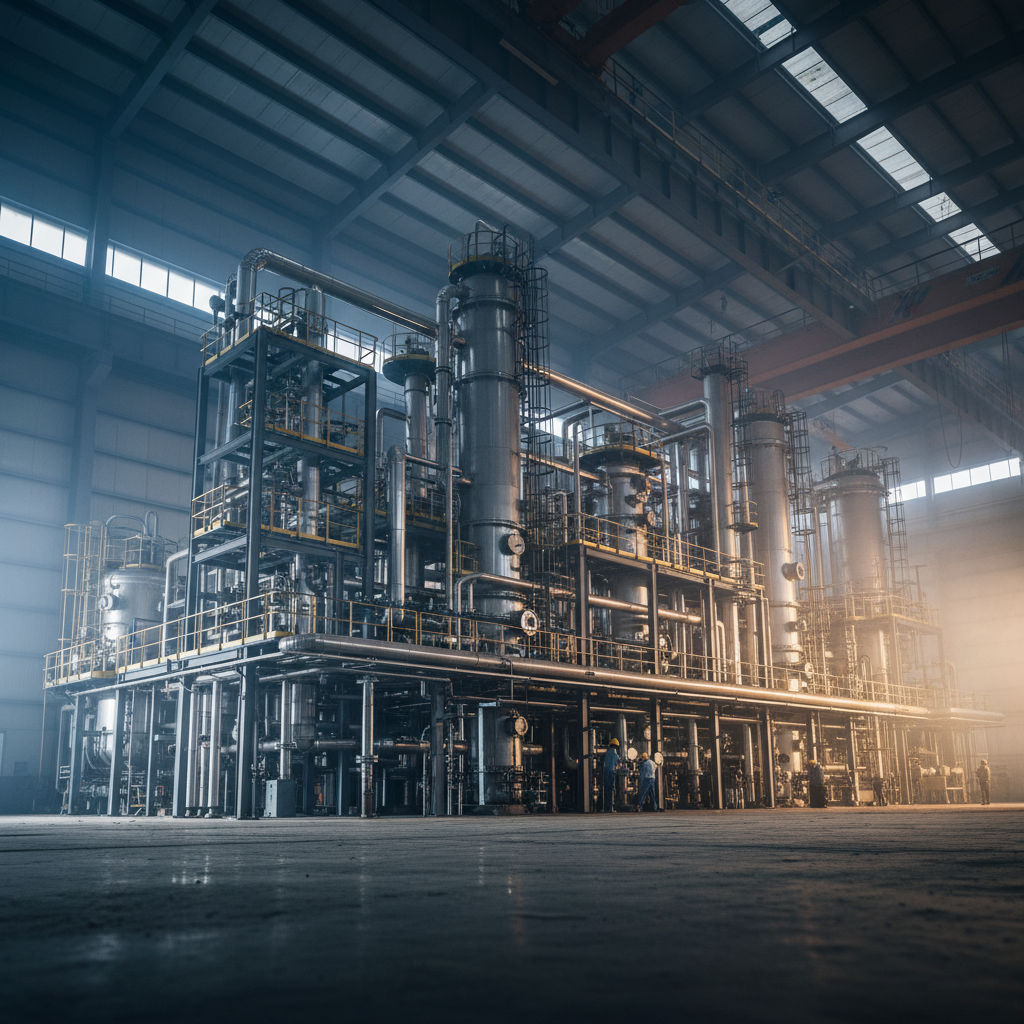
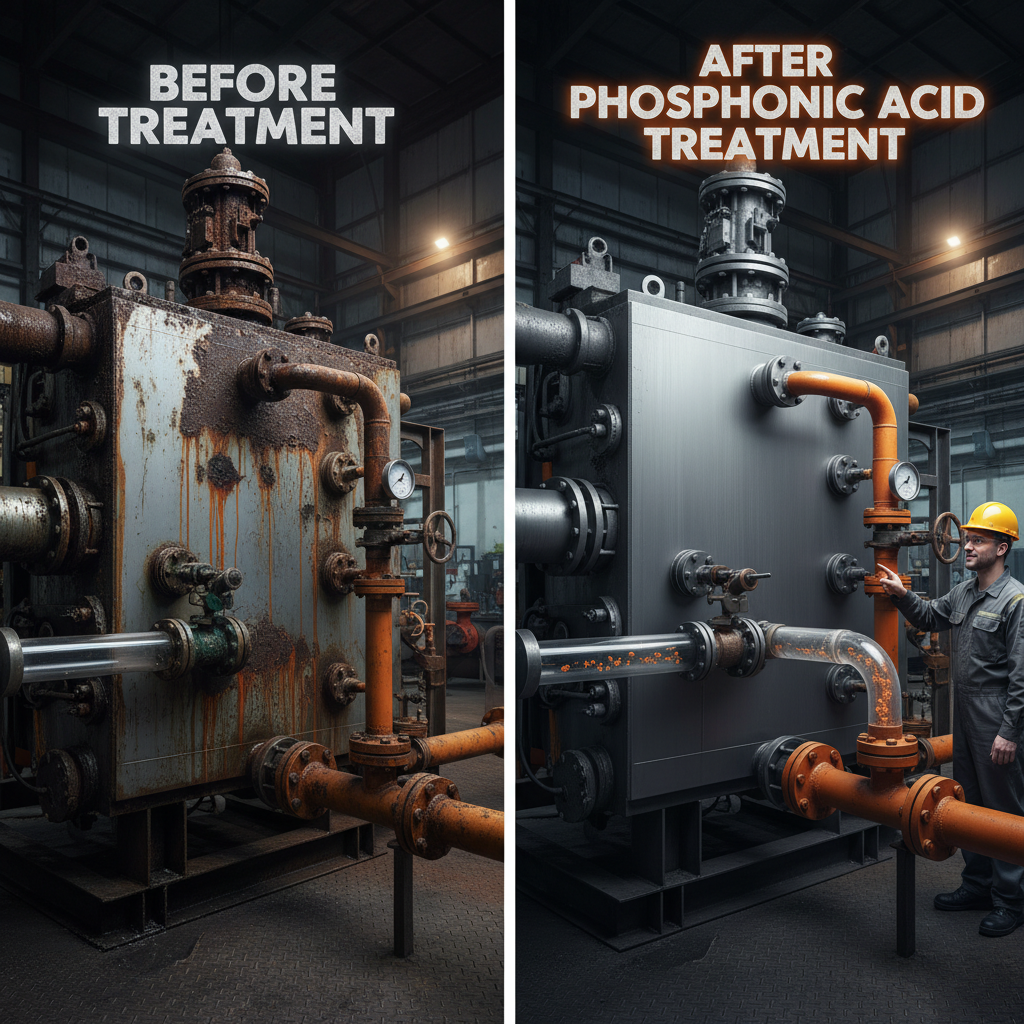
Scale and corrosion inhibitor chemicals are critical components in maintaining the integrity and efficiency of industrial systems worldwide. These specialized formulations combat the detrimental effects of scale buildup and corrosion, which can lead to significant operational costs, reduced equipment lifespan, and potential safety hazards. Understanding the principles behind these chemicals, their applications, and future advancements is paramount for industries ranging from power generation and oil & gas to water treatment and manufacturing. Effectively utilizing scale and corrosion inhibitor chemicals safeguards infrastructure and ensures sustainable operations.
The global demand for these chemicals is driven by increasingly stringent environmental regulations, the need for enhanced energy efficiency, and the growing complexity of industrial processes. A 2023 report by the World Bank highlighted the economic impact of corrosion, estimating annual losses exceeding $2.5 trillion globally. This underscores the crucial role scale and corrosion inhibitors play in mitigating these costs and promoting infrastructure longevity. Proper chemical treatment extends the lifespan of critical assets, minimizing downtime and maximizing return on investment.
Furthermore, advancements in chemical formulations are focusing on environmentally friendly alternatives and more effective long-term protection. As industries strive for sustainability, the development and implementation of eco-conscious scale and corrosion inhibitor chemicals will be vital for responsible industrial practices and a minimized environmental footprint.
Introduction to Scale and Corrosion Inhibitor Chemicals
Scale and corrosion are pervasive issues in numerous industrial sectors, leading to equipment failure, reduced efficiency, and increased maintenance costs. Scale, formed by the precipitation of minerals, restricts fluid flow and reduces heat transfer. Corrosion, on the other hand, weakens materials through chemical reactions with their environment. Scale and corrosion inhibitor chemicals are specifically designed to address these problems, extending the life of valuable assets.
These chemicals don’t simply mask the symptoms; they actively intervene in the processes that cause scale formation and corrosion. They achieve this through various mechanisms, including creating protective films, altering the chemical environment, or physically disrupting the buildup of scale. Proper selection and application of these inhibitors are essential for achieving optimal results and maximizing operational benefits.
Defining Scale and Corrosion Inhibitor Chemicals
Scale inhibitors are chemicals that prevent or slow down the precipitation of minerals, such as calcium carbonate, magnesium sulfate, and barium sulfate, from aqueous solutions. They work by disrupting the crystal growth process, keeping the minerals dissolved and preventing them from adhering to surfaces. This is particularly important in cooling water systems, boilers, and desalination plants.
Corrosion inhibitors, conversely, minimize the rate of corrosion by forming a protective layer on the metal surface, neutralizing corrosive agents, or altering the electrochemical reactions that drive corrosion. Different types of corrosion inhibitors are used depending on the metal being protected and the corrosive environment. These inhibitors are critical for maintaining the structural integrity of pipelines, storage tanks, and other metallic equipment.
Essentially, scale and corrosion inhibitor chemicals are integral to modern industry, protecting vital infrastructure and ensuring reliable operation across a wide spectrum of applications. Their development and implementation are vital to continued industrial progress.
Key Factors Influencing Inhibitor Effectiveness
The effectiveness of scale and corrosion inhibitors is determined by a multitude of factors. Water chemistry, including pH, temperature, and mineral content, plays a significant role. Inhibitor dosage and the method of application are also crucial. Inadequate dosage or improper application can result in insufficient protection.
Material compatibility is another critical consideration. The inhibitor must be compatible with the materials of the system it is protecting. Incompatibility can lead to corrosion or degradation of the inhibitor itself. Furthermore, the presence of other chemicals or contaminants in the system can also affect inhibitor performance, potentially reducing its effectiveness or even causing unwanted side effects.
Finally, regular monitoring and analysis of the system are essential for maintaining optimal inhibitor levels and ensuring continued protection. Routine water testing and corrosion monitoring can help identify potential problems early on and allow for timely adjustments to the treatment program. Selecting the correct scale and corrosion inhibitor chemicals for your specific application is vital.
Global Applications and Industry Use Cases
Scale and corrosion inhibitor chemicals find extensive application across a diverse range of industries. In the power generation sector, they are used to protect cooling water systems and boilers from scale buildup and corrosion, improving efficiency and preventing costly downtime. The oil & gas industry relies on these chemicals to safeguard pipelines and offshore platforms from corrosion, ensuring safe and reliable transportation of hydrocarbons.
Water treatment facilities utilize inhibitors to prevent scaling in desalination plants and maintain the integrity of distribution networks. Manufacturing facilities employ these chemicals to protect process equipment and cooling towers. In remote industrial zones, where access to maintenance and repair services is limited, effective corrosion prevention is especially critical.
Furthermore, the application extends to HVAC systems, marine vessels, and even the automotive industry, showcasing the broad relevance of scale and corrosion inhibitor chemicals in maintaining operational efficiency and extending equipment lifespan.
Inhibitor Effectiveness Comparison by Method
Advantages and Long-Term Value Proposition
The advantages of utilizing scale and corrosion inhibitor chemicals are substantial. Reduced maintenance costs are a primary benefit, as preventing scale buildup and corrosion minimizes the need for repairs and replacements. Increased equipment lifespan extends the return on investment, avoiding premature asset retirement.
Enhanced operational efficiency is another key advantage. Unimpeded flow and heat transfer translate to lower energy consumption and improved process performance. Moreover, these chemicals contribute to improved safety by preventing equipment failures that could lead to hazardous situations. Investing in quality scale and corrosion inhibitor chemicals ensures long-term operational reliability.
Future Trends and Innovations in Inhibition Technology
The future of scale and corrosion inhibition is focused on developing more environmentally friendly and sustainable solutions. Research is underway to create biodegradable inhibitors and formulations with lower toxicity. Nanotechnology is also showing promise, with the potential to deliver inhibitors more effectively and create self-healing coatings.
Digitalization and automation are playing an increasing role, with the development of intelligent monitoring systems that can optimize inhibitor dosage in real-time based on system conditions. The integration of machine learning algorithms allows for predictive maintenance and proactive prevention of corrosion and scale issues.
Challenges and Solutions in Inhibitor Implementation
Despite the benefits, implementing scale and corrosion inhibitor programs can present challenges. Proper inhibitor selection for specific systems requires thorough analysis and expertise. Maintaining optimal inhibitor levels and ensuring consistent application can be complex. Overcoming these challenges requires collaboration between chemical suppliers, engineers, and plant operators.
Innovative solutions include the development of automated dosing systems, remote monitoring capabilities, and comprehensive training programs for personnel. Furthermore, adopting a holistic approach that considers water chemistry, material compatibility, and operational practices is essential for maximizing the effectiveness of inhibitor programs.
Continuous improvement through data analysis and regular performance evaluations will drive the optimization of scale and corrosion inhibitor chemicals programs and ensure long-term asset protection.
Summarizing Key Characteristics of Common Scale and Corrosion Inhibitors
| Inhibitor Type |
Primary Mechanism |
Typical Application |
Environmental Impact (1-10, 1=Low, 10=High) |
| Polyphosphates |
Crystal distortion & dispersion |
Cooling water systems |
6 |
| Azoles |
Passivation of metal surfaces |
Copper & copper alloy protection |
7 |
| Film-Forming Amines |
Protective hydrophobic film |
Steam condensate lines |
5 |
| Zinc Phosphates |
Sacrificial anode protection |
Closed cooling systems |
8 |
| Molybdate |
Passivation & anodic inhibition |
Steel pipelines |
4 |
| Organic Phosphonates |
Scale dispersion & chelation |
Boiler water treatment |
6 |
FAQS
Scale inhibitors prevent mineral deposits from forming on surfaces, while corrosion inhibitors protect metal surfaces from chemical degradation. Scale inhibitors work by disrupting crystal growth, whereas corrosion inhibitors form protective layers or neutralize corrosive agents. Both are crucial for maintaining system integrity, but they address different problems. Properly identifying the dominant issue informs the selection of the appropriate scale and corrosion inhibitor chemicals.
Inhibitor levels should be monitored regularly, typically every 1-3 months, depending on the system's operating conditions and the inhibitor's degradation rate. Regular monitoring ensures that the inhibitor concentration remains within the optimal range for effective protection. Changes in water chemistry or operating parameters may necessitate more frequent testing.
Not all inhibitors are equally environmentally friendly. Some older formulations contain chemicals with high toxicity or persistence in the environment. However, there is a growing trend toward developing biodegradable and low-toxicity inhibitors. When selecting an inhibitor, it’s important to consider its environmental impact and choose products that comply with relevant regulations.
Overdosing can lead to several issues, including reduced system efficiency, foaming, and potential corrosion problems. Some inhibitors can cause deposits or interfere with other treatment chemicals if used in excessive amounts. It’s crucial to follow the manufacturer's recommended dosage guidelines and monitor system performance closely.
Yes, scale and corrosion inhibitors are often used together in a combined treatment program. They address different aspects of system protection and can provide synergistic benefits. However, it’s important to ensure compatibility between the different inhibitors and avoid any adverse reactions. A qualified water treatment specialist can help design an effective combined program.
Choosing the right inhibitor requires a thorough understanding of the system's operating conditions, water chemistry, materials of construction, and specific corrosion or scale problems. Factors to consider include pH, temperature, flow rate, and the presence of other chemicals. Consulting with a water treatment expert is highly recommended to select the most appropriate scale and corrosion inhibitor chemicals for your needs.
Conclusion
In conclusion, scale and corrosion inhibitor chemicals represent a vital component of modern industrial infrastructure management. Their application directly translates to reduced operational costs, extended equipment life, improved efficiency, and enhanced safety. Understanding the principles behind these chemicals, their diverse applications, and the evolving landscape of innovation is critical for ensuring the sustainable operation of vital systems across numerous sectors.
Looking ahead, continued research and development focused on environmentally friendly formulations, intelligent monitoring systems, and proactive treatment strategies will be crucial. By embracing these advancements and adopting a holistic approach to corrosion and scale control, industries can safeguard their assets, minimize environmental impact, and achieve long-term operational excellence. Visit our website at www.lkpbtc.com to learn more about our comprehensive range of inhibitor solutions.