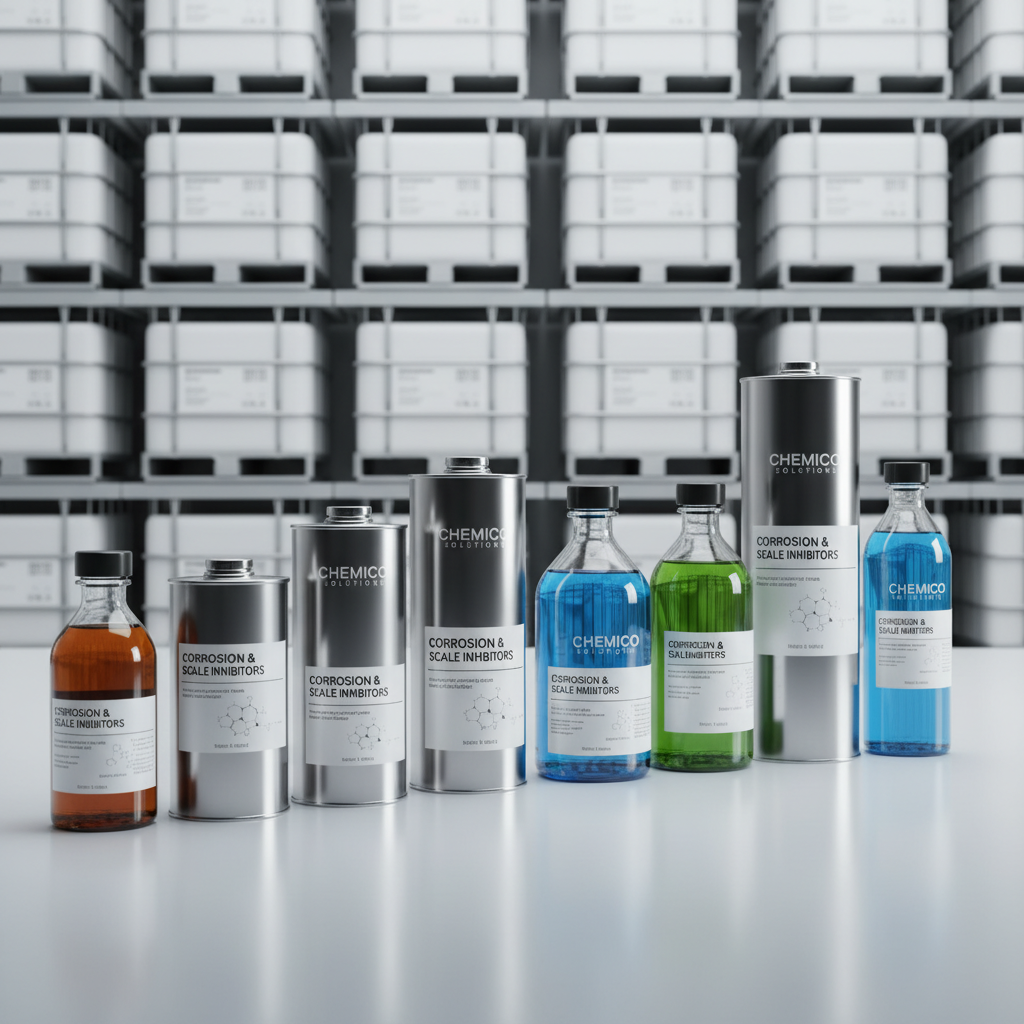
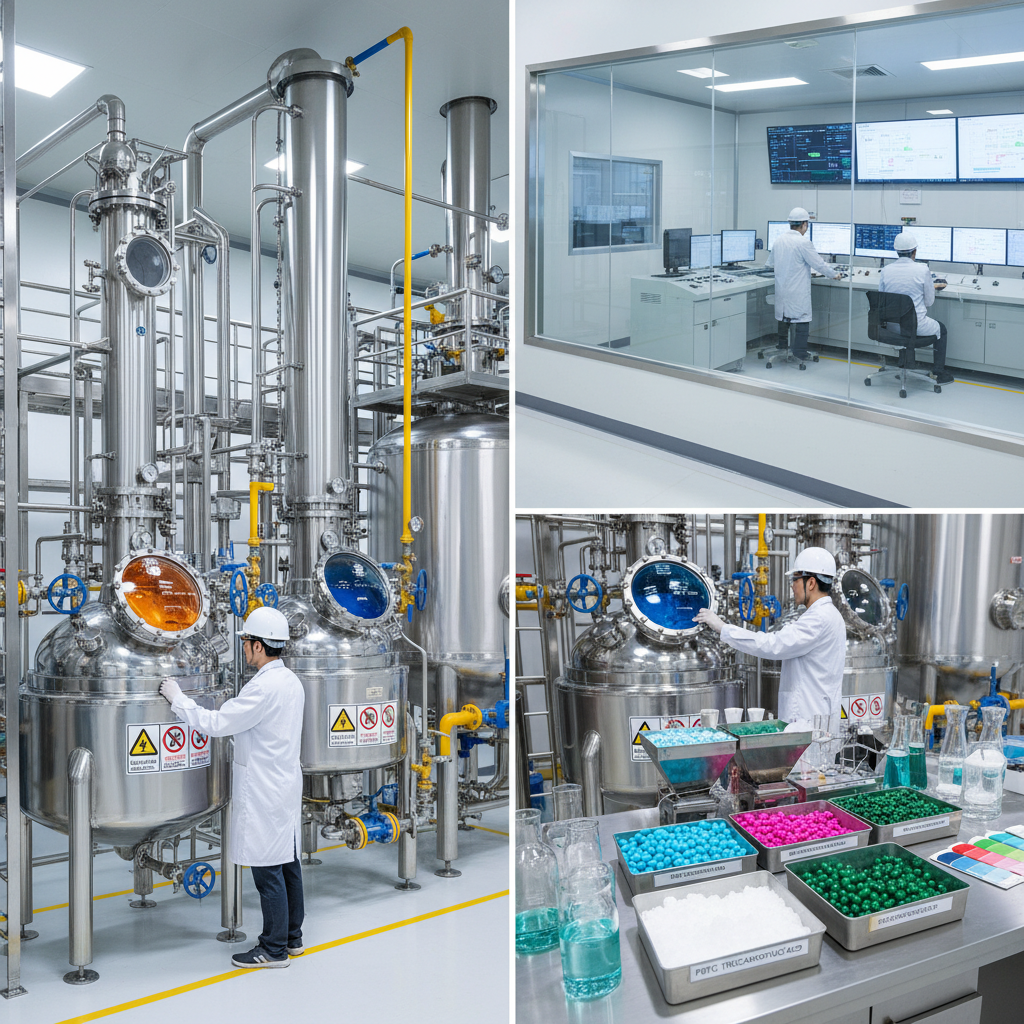
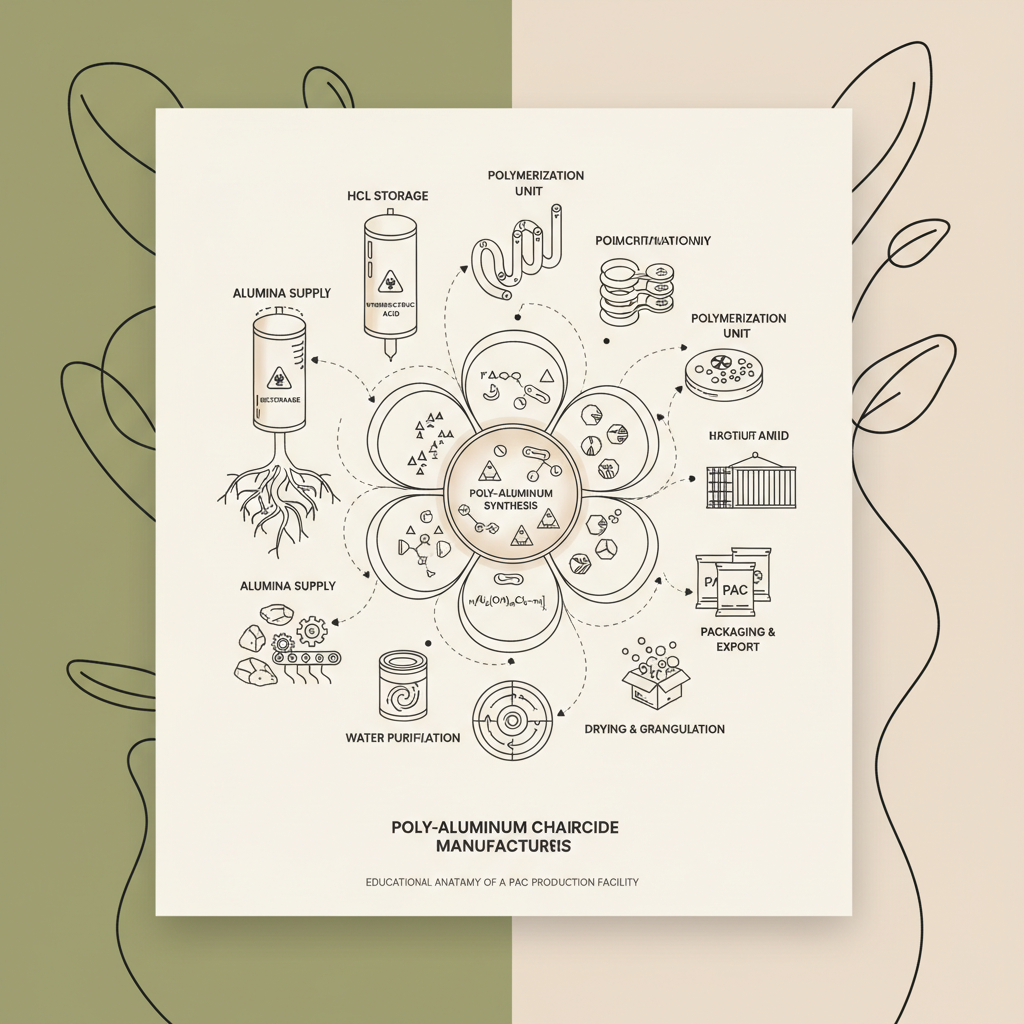
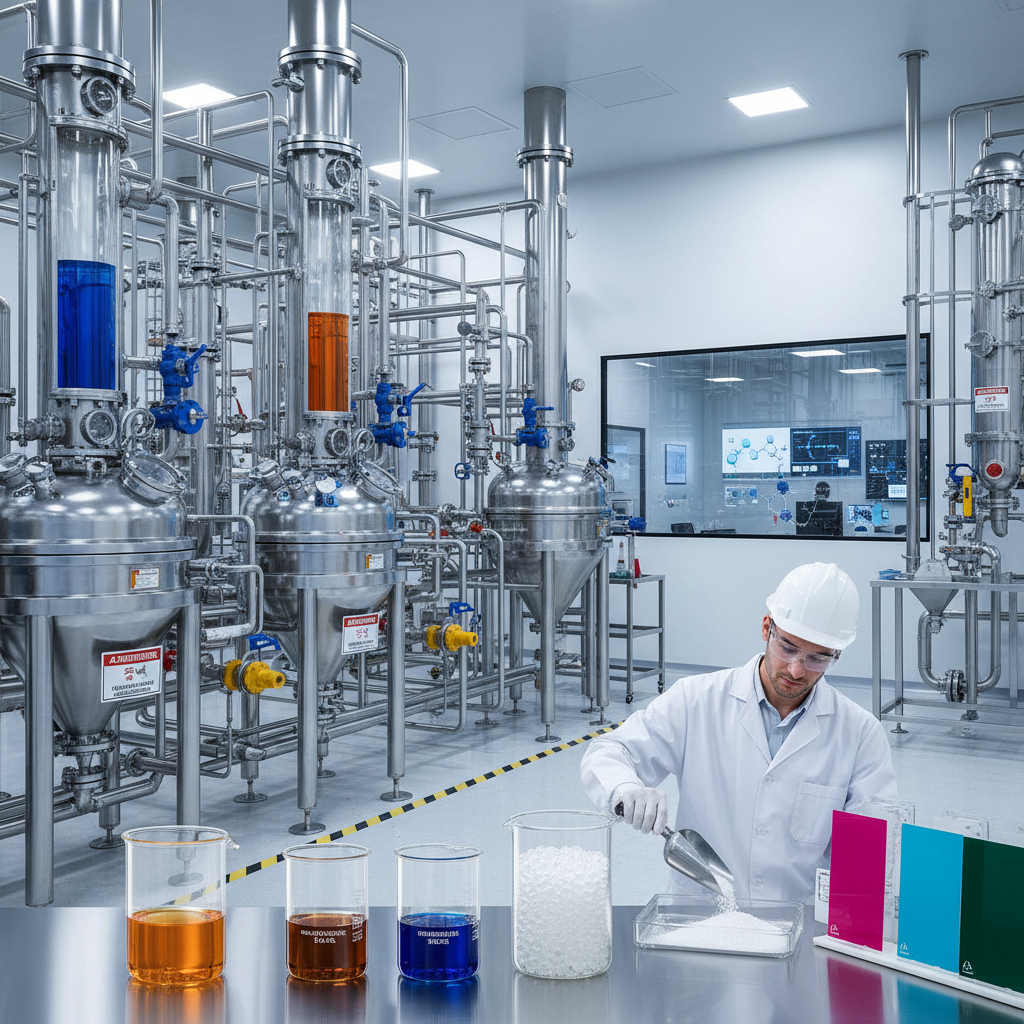
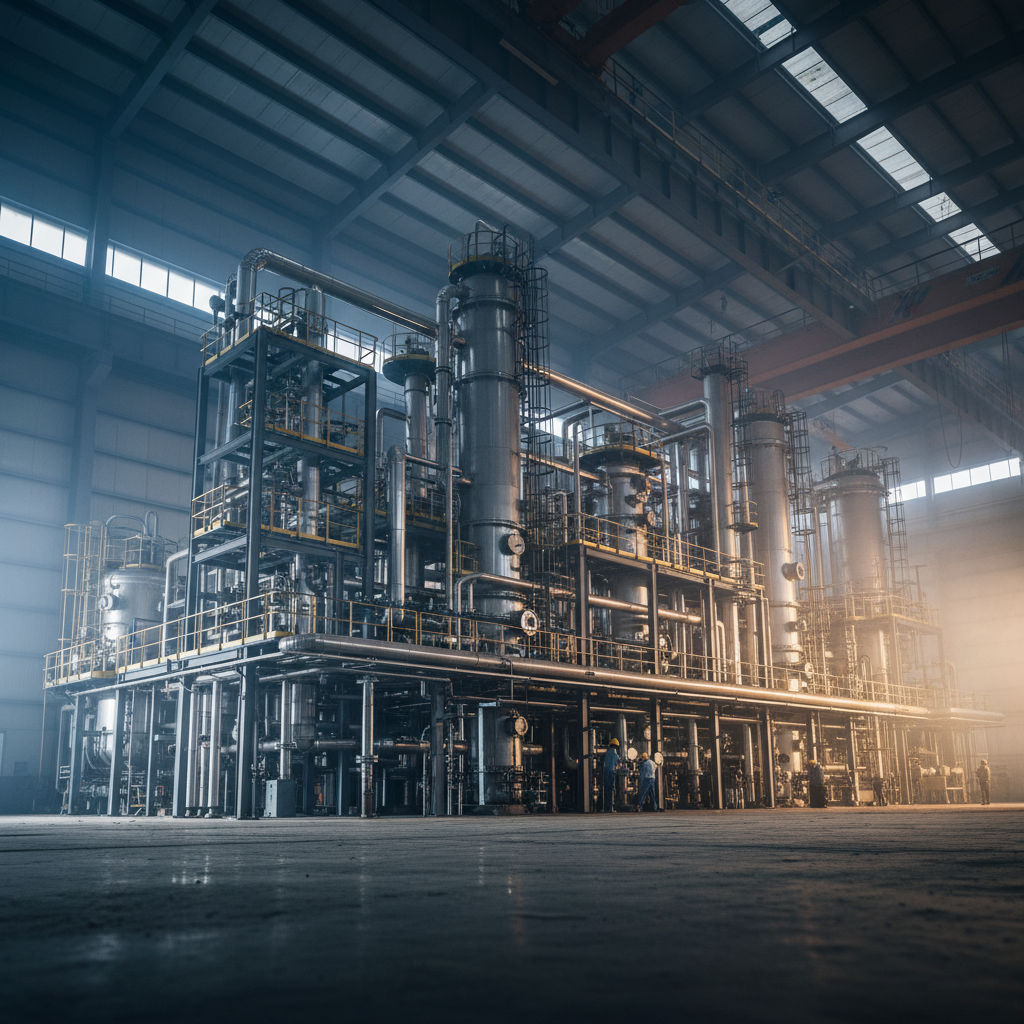
Corrosion and scale inhibitors represent a vital, often unseen, layer of protection in countless industrial processes and infrastructure systems globally. The degradation of materials through corrosion costs industries billions annually, impacting everything from oil and gas pipelines to water treatment facilities. Effective corrosion & scale inhibitors significantly extend asset lifespan, reduce maintenance costs, and enhance operational safety. Understanding the science behind these inhibitors, their application, and emerging trends is crucial for ensuring long-term sustainability and economic viability across diverse sectors.
The global market for corrosion & scale inhibitors is driven by stringent environmental regulations, an aging infrastructure base, and increasing demand for efficient resource utilization. Data from the UN Environment Programme highlights the significant economic and environmental impact of corrosion, estimated at 3-4% of global GDP. The need to mitigate these losses necessitates continuous innovation in inhibitor technology and responsible chemical management.
Addressing the challenges of corrosion and scale build-up is not merely a technical issue; it directly impacts humanitarian needs by ensuring reliable access to clean water, efficient energy distribution, and the safety of critical infrastructure. From protecting essential pipelines in developing nations to safeguarding vital components in emergency response systems, corrosion & scale inhibitors play an indispensable role in maintaining societal well-being.
The Importance of Corrosion & Scale Inhibitors
Corrosion and scale build-up represent a significant threat to the integrity and efficiency of industrial equipment and infrastructure. Without appropriate mitigation strategies, these processes can lead to costly repairs, production downtime, and even catastrophic failures. The implementation of effective corrosion & scale inhibitors is therefore paramount in ensuring operational reliability and minimizing economic losses.
Beyond the purely economic considerations, the proper management of corrosion and scale is critical for environmental protection. Leaks and failures caused by corrosion can release harmful pollutants into the environment, impacting water quality, soil health, and ecosystems. Proactive inhibitor programs contribute to a more sustainable and responsible approach to industrial operations.
Defining Corrosion & Scale Inhibitors
Corrosion & scale inhibitors are chemical compounds added to fluids – typically water or oil – to reduce the rate of corrosion of metals and prevent the formation of scale deposits. Corrosion is the deterioration of a material, usually a metal, due to a chemical reaction with its environment. Scale, on the other hand, is the build-up of insoluble mineral deposits, often calcium carbonate or magnesium silicate, on surfaces in contact with water.
These inhibitors work through various mechanisms, including forming a protective film on the metal surface, neutralizing corrosive agents, or disrupting the crystal growth of scale-forming minerals. Their application extends to a vast range of industries, from power generation and oil refining to water treatment and chemical processing.
The connection to modern industry and humanitarian needs is profound. Reliable infrastructure reliant on metal components, like pipelines for clean water or power plants providing energy, would rapidly degrade without these vital protective measures. Effectively mitigating corrosion and scale maintains resource availability, safety, and sustainability.
Key Components of Effective Inhibition
Durability: A key aspect of effective corrosion & scale inhibitors is their ability to maintain performance over extended periods. The inhibitor film must be stable and resistant to disruption from factors such as temperature fluctuations, flow rates, and changes in fluid chemistry.
Compatibility: Inhibitors must be compatible with the materials they are protecting and with other chemicals present in the system. Incompatibility can lead to reduced effectiveness, accelerated corrosion, or even the formation of harmful byproducts. Selecting the right inhibitor blend is crucial for optimal performance.
Concentration Control: Maintaining the correct inhibitor concentration is vital. Under-dosing can result in inadequate protection, while over-dosing may lead to environmental concerns or increased costs. Regular monitoring and adjustment of inhibitor levels are essential.
Practical Applications Across Industries
Corrosion & scale inhibitors find widespread application in the oil and gas industry, protecting pipelines, storage tanks, and processing equipment from the corrosive effects of crude oil, saltwater, and hydrogen sulfide. They are also crucial in power plants, preventing scale build-up in boilers and cooling water systems, thereby maintaining energy efficiency.
The water treatment industry relies heavily on these inhibitors to prevent corrosion in distribution networks and scale formation in desalination plants. In remote industrial zones, where maintaining infrastructure can be particularly challenging, robust inhibitor programs are essential for ensuring reliable operations. Similarly, in post-disaster relief operations, portable water purification systems often incorporate corrosion & scale inhibitors to deliver safe and clean drinking water.
Comparative Effectiveness of Different Corrosion & Scale Inhibitor Methods
Advantages & Long-Term Value Proposition
The tangible benefits of utilizing corrosion & scale inhibitors are significant. Reduced maintenance costs, extended equipment lifespan, and improved operational efficiency directly translate to increased profitability. Furthermore, proactively preventing corrosion minimizes the risk of unexpected downtime and associated production losses.
Beyond the economic advantages, employing effective inhibitor programs demonstrates a commitment to sustainability and environmental responsibility. By minimizing leaks and failures, companies can reduce their environmental footprint and contribute to a cleaner, safer future. These actions build trust with stakeholders and enhance corporate reputation.
Future Trends & Innovation in Inhibitor Technology
The field of corrosion & scale inhibition is continuously evolving. Current research focuses on developing "green" inhibitors derived from renewable resources, reducing the environmental impact of chemical treatments. Nanotechnology is also playing a growing role, with nanoparticles offering enhanced protective properties and targeted delivery of inhibitors.
The integration of digital technologies, such as real-time monitoring and predictive analytics, is revolutionizing inhibitor program management. These tools enable proactive identification of potential corrosion hotspots and optimization of inhibitor dosage, maximizing efficiency and minimizing costs. These advancements support sustainability and drive improvements in operational efficiency.
Challenges & Innovative Solutions
A common challenge in corrosion & scale inhibition is the formation of biofilms on surfaces, which can hinder the effectiveness of inhibitors. Innovative solutions include the use of biocides in conjunction with inhibitors or the development of inhibitors specifically designed to penetrate and disrupt biofilms.
Another challenge is the increasing complexity of industrial systems, with diverse materials and operating conditions. Tailoring inhibitor formulations to specific applications and conducting thorough compatibility testing are crucial for success. The development of multi-functional inhibitors that address both corrosion and scale issues is a promising area of research.
Furthermore, ensuring consistent inhibitor delivery and monitoring performance in remote or difficult-to-access locations remains a logistical hurdle. Automated dosing systems and remote monitoring technologies are helping to overcome these challenges, providing reliable and cost-effective protection.
Summary of Key Challenges and Potential Solutions in Corrosion & Scale Inhibition
| Challenge |
Impact on Inhibition |
Potential Solution |
Implementation Cost (1-10) |
| Biofilm Formation |
Reduced inhibitor contact with metal surfaces |
Biocide Addition or Biofilm-Penetrating Inhibitors |
6 |
| System Complexity |
Difficulty in selecting a universal inhibitor |
Tailored Inhibitor Formulations and Compatibility Testing |
8 |
| Inhibitor Degradation |
Loss of protective properties over time |
Stabilized Inhibitor Compounds and Controlled Release Technologies |
7 |
| Remote Location Monitoring |
Delayed detection of corrosion/scale issues |
Automated Dosing Systems & Remote Sensors |
9 |
| Environmental Regulations |
Restrictions on certain inhibitor chemistries |
Development of "Green" Inhibitors |
5 |
| Cost of Inhibitor Programs |
Budget constraints hindering implementation |
Life-Cycle Cost Analysis & Optimized Dosage Strategies |
4 |
FAQS
The lifespan of equipment protected by corrosion & scale inhibitors varies greatly depending on the severity of the corrosive environment, the specific inhibitor used, and the quality of maintenance. However, properly implemented inhibitor programs can often extend equipment lifespan by 2-5 times, or even more in some cases. Regular monitoring and adjustments to the inhibitor dosage are crucial for maximizing protection and achieving optimal longevity.
Traditionally, some corrosion & scale inhibitors contained chemicals with potential environmental impacts. However, significant advancements have been made in developing “green” inhibitors derived from renewable sources, such as plant extracts and biodegradable polymers. These newer formulations are designed to minimize environmental harm while providing effective corrosion protection. Responsible chemical management and proper disposal practices are also essential.
The frequency of inhibitor level monitoring depends on the specific application and the potential for corrosion or scale formation. As a general guideline, monitoring should be conducted at least monthly, and more frequently in systems with high flow rates, fluctuating temperatures, or known corrosion issues. Regular analysis of fluid samples can help ensure that inhibitor levels remain within the optimal range.
Overdosing on corrosion & scale inhibitors can lead to several undesirable consequences, including increased operating costs, potential for environmental contamination, and even interference with other chemical processes. In some cases, excessive inhibitor concentrations can cause fouling or deposition on surfaces, reducing heat transfer efficiency or creating other operational problems. It is crucial to follow recommended dosage guidelines carefully.
Yes, corrosion & scale inhibitors are often used in conjunction with other water treatment chemicals, such as biocides, dispersants, and oxygen scavengers, to provide comprehensive water management. However, it's vital to ensure compatibility between all chemicals used in the system to avoid adverse reactions or reduced effectiveness. Consulting with a water treatment specialist is recommended.
Selecting the appropriate corrosion & scale inhibitor requires a thorough understanding of the system’s operating conditions, the materials of construction, the type of corrosion or scale formation occurring, and any relevant regulatory requirements. Factors to consider include pH, temperature, flow rate, and the presence of other chemicals. It’s highly recommended to collaborate with a qualified professional to perform a detailed assessment and recommend the optimal inhibitor solution.
Conclusion
In conclusion, corrosion & scale inhibitors are indispensable tools for protecting infrastructure, enhancing operational efficiency, and promoting sustainability across a multitude of industries. From extending the lifespan of critical equipment to safeguarding the environment, the benefits of proactive inhibitor programs are substantial and far-reaching. By understanding the underlying principles of inhibition, embracing innovative technologies, and prioritizing responsible chemical management, we can effectively mitigate the costly and damaging effects of corrosion and scale build-up.
Looking ahead, continued research and development in “green” inhibitor technologies, coupled with the integration of digital monitoring and predictive analytics, will further enhance the effectiveness and sustainability of corrosion control strategies. Prioritizing preventative maintenance and investing in robust inhibitor programs is not merely a cost-saving measure; it's a commitment to long-term reliability, environmental stewardship, and the continued advancement of industrial capabilities.