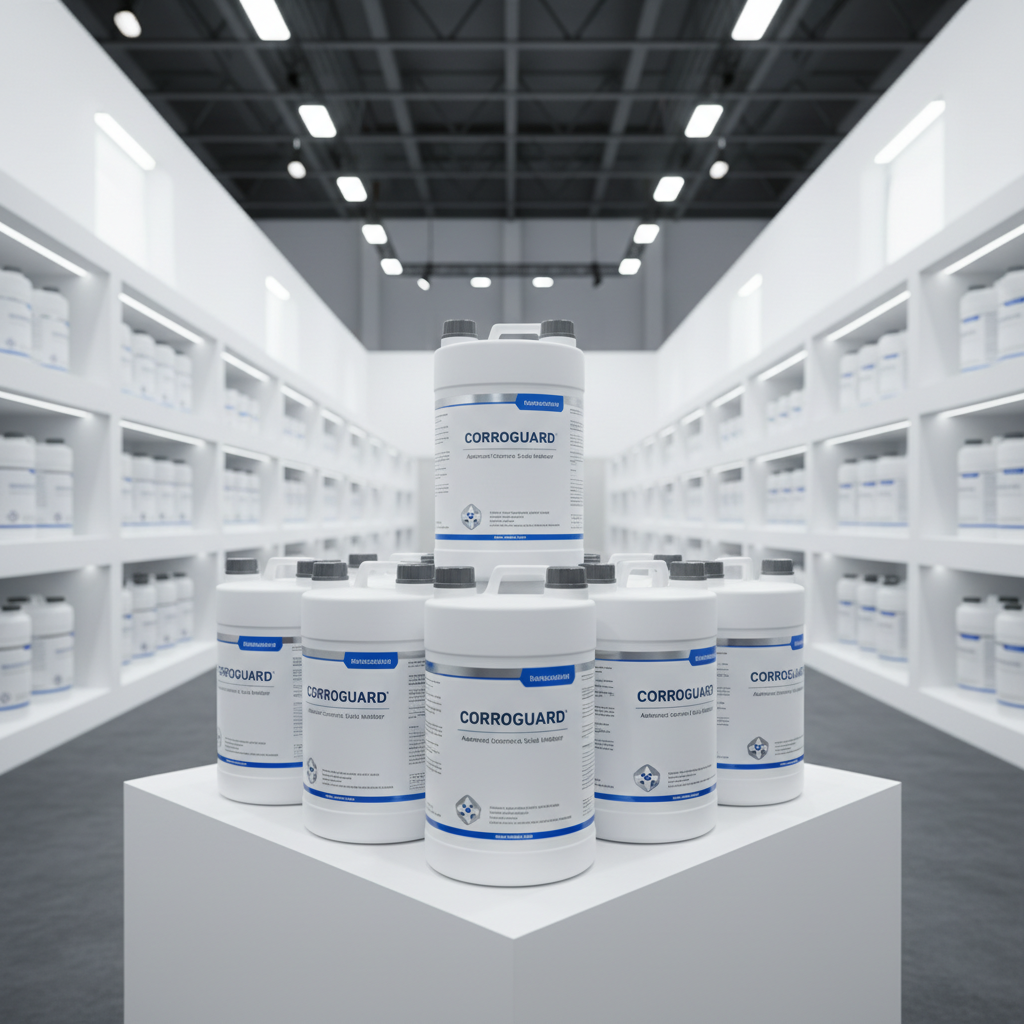
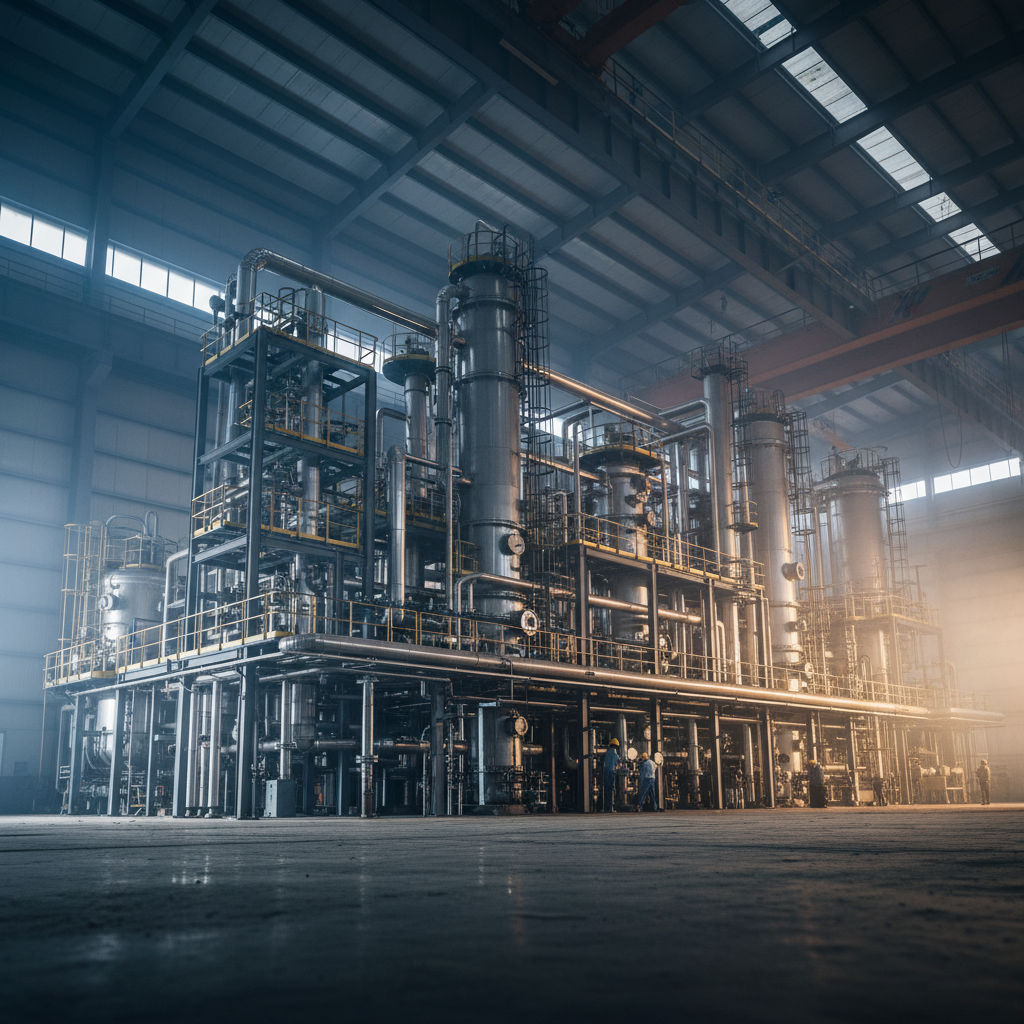
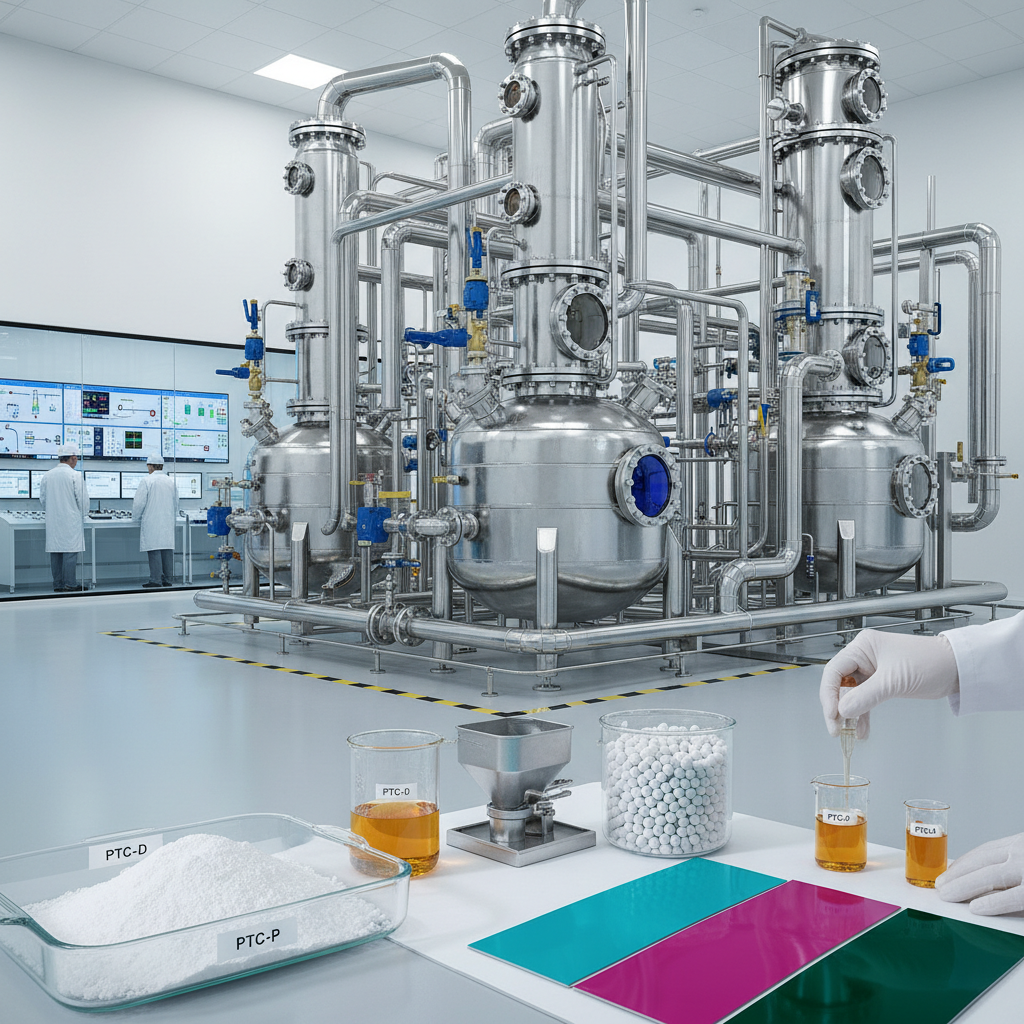
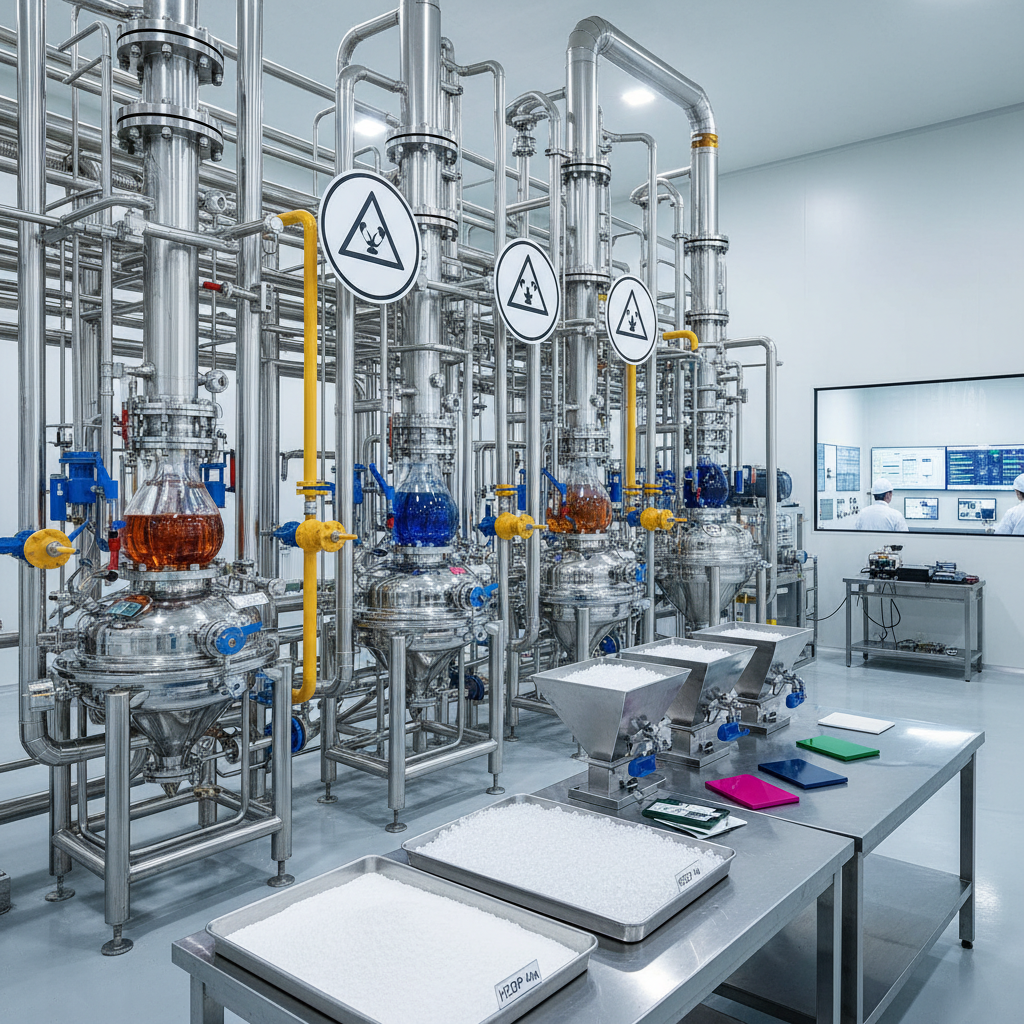
Corrosion scale inhibitor technologies are crucial in safeguarding industrial infrastructure and extending the lifespan of critical equipment. Globally, the costs associated with corrosion are astronomical, estimated to be trillions of dollars annually. Effective corrosion scale inhibitors offer a proactive approach to mitigating these expenses and ensuring operational reliability. Understanding the principles and applications of these inhibitors is paramount for industries ranging from oil and gas to water treatment and power generation, ultimately contributing to sustainable and cost-effective operations.
The demand for advanced corrosion scale inhibitor solutions is increasing due to stringent environmental regulations and the need for enhanced efficiency. These inhibitors not only prevent the build-up of damaging scales, but also optimize heat transfer and reduce energy consumption. This is particularly important in industries striving to minimize their environmental footprint and improve profitability. The implementation of superior corrosion control strategies is no longer a luxury, but a necessity for long-term success and responsible resource management.
The development and deployment of innovative corrosion scale inhibitor formulations are vital for addressing the challenges posed by increasingly harsh operating conditions and complex fluid chemistries. By understanding the mechanisms of scale formation and the inhibitory action of various chemical compounds, engineers and scientists can tailor solutions to specific applications, maximizing protection and minimizing environmental impact. This proactive approach supports economic growth and preserves valuable assets for future generations.
Introduction to Corrosion Scale Inhibitor
A corrosion scale inhibitor is a substance added to a fluid system to reduce or prevent the formation of scale deposits on surfaces. These deposits, often composed of mineral salts like calcium carbonate or barium sulfate, can significantly impede heat transfer, reduce flow rates, and ultimately lead to equipment failure. Effective scale control is crucial for maintaining the efficiency and longevity of industrial processes.
The importance of corrosion scale inhibitor technologies extends beyond simply preventing equipment damage. By optimizing system performance, these inhibitors contribute to energy savings, reduced water consumption, and lower operating costs. This aligns with the growing emphasis on sustainability and responsible resource management across various industries, making them an integral component of modern industrial practice.
Defining Corrosion Scale Inhibitor
Essentially, a corrosion scale inhibitor functions by interfering with the crystallization process of scale-forming minerals. They can achieve this through various mechanisms, including distorting crystal growth, preventing crystal aggregation, or dispersing existing scale particles. The selection of the appropriate inhibitor depends on the specific fluid chemistry, operating conditions, and type of scale being targeted.
The connection to modern industry is readily apparent when considering applications in power generation, oil and gas production, and water desalination. Without effective scale inhibitors, these processes would be severely hampered by fouling, leading to costly downtime and reduced efficiency. They are also increasingly vital in humanitarian contexts, such as providing potable water in areas with hard water sources.
Beyond basic chemical inhibition, modern formulations often incorporate advanced polymers and synergistic additives to enhance performance and broaden their applicability. This continuous innovation ensures that corrosion scale inhibitor technologies remain relevant and effective in addressing the evolving challenges of industrial operations.
Key Factors in Inhibitor Performance
Durability is a crucial factor. An effective corrosion scale inhibitor must maintain its effectiveness over extended periods, even under harsh operating conditions such as high temperatures and pressures. This often necessitates the use of thermally stable and chemically resistant formulations.
Scalability refers to the inhibitor’s ability to be effectively applied across varying system sizes and complexities. A versatile solution can be easily adapted to different industrial settings, from small-scale cooling systems to large-scale power plants, without significant modifications to dosage or application procedures.
Cost Efficiency is paramount for widespread adoption. While highly effective inhibitors are valuable, their economic viability is determined by balancing performance with cost. A cost-effective inhibitor minimizes operational expenses without compromising protection against scale formation.
Environmental Compatibility is becoming increasingly important. Modern inhibitors are designed to be environmentally friendly, minimizing toxicity and biodegradability, and adhering to stringent regulatory standards. This ensures sustainable operation and reduces environmental impact.
Compatibility with System Materials is essential to avoid adverse interactions. The corrosion scale inhibitor must be compatible with the materials used in the system, such as metals, polymers, and elastomers, to prevent corrosion or degradation.
Specificity to Scale Type ensures targeted and effective inhibition. Different scales require different inhibitors. Understanding the predominant scale formation mechanism (e.g., calcium carbonate, silica) is crucial for selecting the appropriate inhibitor.
Global Applications of Corrosion Scale Inhibitor
The applications of corrosion scale inhibitor are incredibly diverse and span numerous industries globally. In the oil and gas sector, they are essential for maintaining flow assurance in pipelines and preventing scale build-up in downhole equipment. In the power generation industry, they protect heat exchangers and cooling towers from fouling, maximizing energy efficiency.
Water treatment facilities rely heavily on corrosion scale inhibitor to prevent scaling in desalination plants, cooling water systems, and potable water distribution networks. These applications are particularly critical in regions with limited freshwater resources. Moreover, the chemical processing industry utilizes them extensively to protect reactors, distillation columns, and other critical equipment.
Geographically, the demand for corrosion scale inhibitor is strongest in regions with challenging water chemistry or harsh operating conditions, such as the Middle East, Southeast Asia, and parts of North America. Organizations like the International Water Association (IWA) and the American Water Works Association (AWWA) promote best practices in scale control and advocate for the use of effective inhibitor technologies.
Corrosion Scale Inhibitor Effectiveness by Method
Advantages and Long-Term Value
The advantages of utilizing effective corrosion scale inhibitor solutions are multifaceted. Tangibly, they translate to significant cost savings through reduced maintenance, extended equipment life, and minimized downtime. The improved heat transfer efficiency also leads to lower energy consumption and reduced carbon emissions.
Beyond the economic benefits, the long-term value extends to enhanced safety and environmental sustainability. Preventing scale build-up reduces the risk of equipment failure, protecting personnel and minimizing the potential for environmental contamination. The reduction in water and chemical usage further supports responsible resource management.
Future Trends and Innovations
The future of corrosion scale inhibitor technology is focused on developing more sustainable and intelligent solutions. Research is underway on bio-based inhibitors derived from renewable resources, offering a more environmentally friendly alternative to traditional chemical formulations.
Digitalization and the integration of sensors and data analytics are also playing a key role. Real-time monitoring of scale formation and inhibitor performance allows for optimized dosage control and proactive intervention, further enhancing efficiency and reducing costs. Predictive modeling, utilizing machine learning algorithms, will help anticipate scaling issues before they arise.
Challenges and Solutions
Despite significant advancements, challenges remain in the field of corrosion scale inhibitor. One common limitation is the difficulty in effectively controlling scale formation in complex fluid systems with varying chemistries and operating conditions. Another challenge is the potential for inhibitor degradation over time, reducing its effectiveness.
Innovative solutions are addressing these issues. The development of multi-functional inhibitors capable of targeting multiple scale types and resisting degradation is gaining traction. Advanced monitoring and control systems, coupled with adaptive dosage algorithms, are also helping to overcome these limitations. Collaboration between researchers, engineers, and chemical suppliers is crucial for driving continued innovation.
The growing emphasis on green chemistry and sustainability is also driving the development of environmentally friendly inhibitors with reduced toxicity and improved biodegradability. The integration of nanotechnology offers exciting possibilities for creating inhibitors with enhanced performance and targeted delivery.
Summary of Key Factors Influencing Corrosion Scale Inhibitor Selection
| Fluid Chemistry |
Operating Temperature |
Scale Type |
Environmental Regulations |
| High salinity, pH levels, presence of organic compounds |
Low (below 50°C), Medium (50-150°C), High (above 150°C) |
Calcium Carbonate, Barium Sulfate, Silica, Iron Oxide |
Stringent limits on discharge of chemicals, biodegradability requirements |
| Presence of oxidizing agents, corrosive gases |
Impact on inhibitor stability and effectiveness |
Mixed scales, requiring broader spectrum inhibitors |
Compliance with local and international environmental standards |
| Compatibility with other water treatment chemicals |
Effect on inhibitor degradation rate |
Precipitation of multiple scales simultaneously |
Preference for eco-friendly and biodegradable options |
| Influence on inhibitor solubility and performance |
Optimal temperature range for inhibitor effectiveness |
Impact of scale morphology on inhibitor performance |
Importance of minimizing environmental impact |
| Potential for inhibitor interaction with other fluid components |
Influence on inhibitor kinetics and dosage requirements |
Need for customized inhibitor formulations |
Focus on sustainable and responsible chemical management |
| Impact on inhibitor effectiveness and longevity |
Requirement for thermally stable inhibitors |
Selection of inhibitors specifically designed for the identified scale |
Adoption of best practices for chemical handling and disposal |
FAQS
Different corrosion scale inhibitor formulations work via distinct mechanisms. Some, like phosphonates, are effective at dispersing scale crystals, preventing their adhesion to surfaces. Others, such as polymers, interfere with crystal growth. The choice depends on the specific scale type (calcium carbonate, silica, etc.), fluid chemistry, and operating conditions. Understanding these differences is crucial for selecting the most effective inhibitor for a given application. Dosage requirements also vary significantly based on inhibitor type and severity of scaling.
Determining the optimal dosage requires a thorough understanding of your system's water chemistry, flow rates, and operating temperatures. A common approach involves laboratory scale testing to evaluate the effectiveness of different dosages under simulated conditions. Monitoring scale formation and adjusting the dosage accordingly is also crucial. Professional water treatment consultants can provide expert guidance on dosage optimization, ensuring cost-effectiveness and maximizing inhibitor performance.
Yes, corrosion scale inhibitor are often used in conjunction with other water treatment chemicals, such as biocides and corrosion inhibitors. However, compatibility must be carefully considered. Some chemicals can react with each other, reducing their effectiveness or causing unwanted side effects. It is essential to consult with a water treatment specialist to ensure that the combination of chemicals is compatible and optimized for your specific system.
Environmental concerns are increasingly important. Many traditional inhibitors contain phosphates or other chemicals that can contribute to eutrophication. Modern formulations are moving towards more sustainable options, such as bio-based inhibitors and products with improved biodegradability. Compliance with local and international environmental regulations is essential, and proper disposal practices should always be followed. Choosing environmentally friendly options demonstrates a commitment to responsible resource management.
Regular monitoring is critical to ensure continued effectiveness. This includes visual inspections for scale formation, water analysis to track inhibitor levels and scale formation potential, and performance monitoring of heat exchangers and other equipment. The frequency of monitoring depends on the severity of the scaling risk and the criticality of the system. Proactive monitoring allows for timely adjustments to the inhibitor program, preventing costly downtime and ensuring optimal performance.
Both overdosing and underdosing can have negative consequences. Overdosing can lead to increased costs, potential environmental concerns, and, in some cases, adverse effects on system materials. Underdosing, on the other hand, can result in inadequate scale control, leading to reduced efficiency, equipment damage, and costly downtime. Maintaining the optimal dosage requires careful monitoring and adjustment based on system conditions and performance data.
Conclusion
In summary, corrosion scale inhibitor technologies are indispensable for maintaining the integrity and efficiency of industrial systems worldwide. From preventing costly equipment failures to promoting sustainable resource management, their benefits are far-reaching. Effective implementation requires a thorough understanding of fluid chemistry, scale formation mechanisms, and the nuances of different inhibitor formulations.
Looking ahead, continued innovation in bio-based inhibitors, digital monitoring, and predictive modeling will further enhance the effectiveness and sustainability of corrosion control strategies. By embracing these advancements, industries can safeguard their investments, minimize environmental impact, and ensure reliable operation for years to come. For more information and tailored solutions, visit our website: corrosion scale inhibitor.