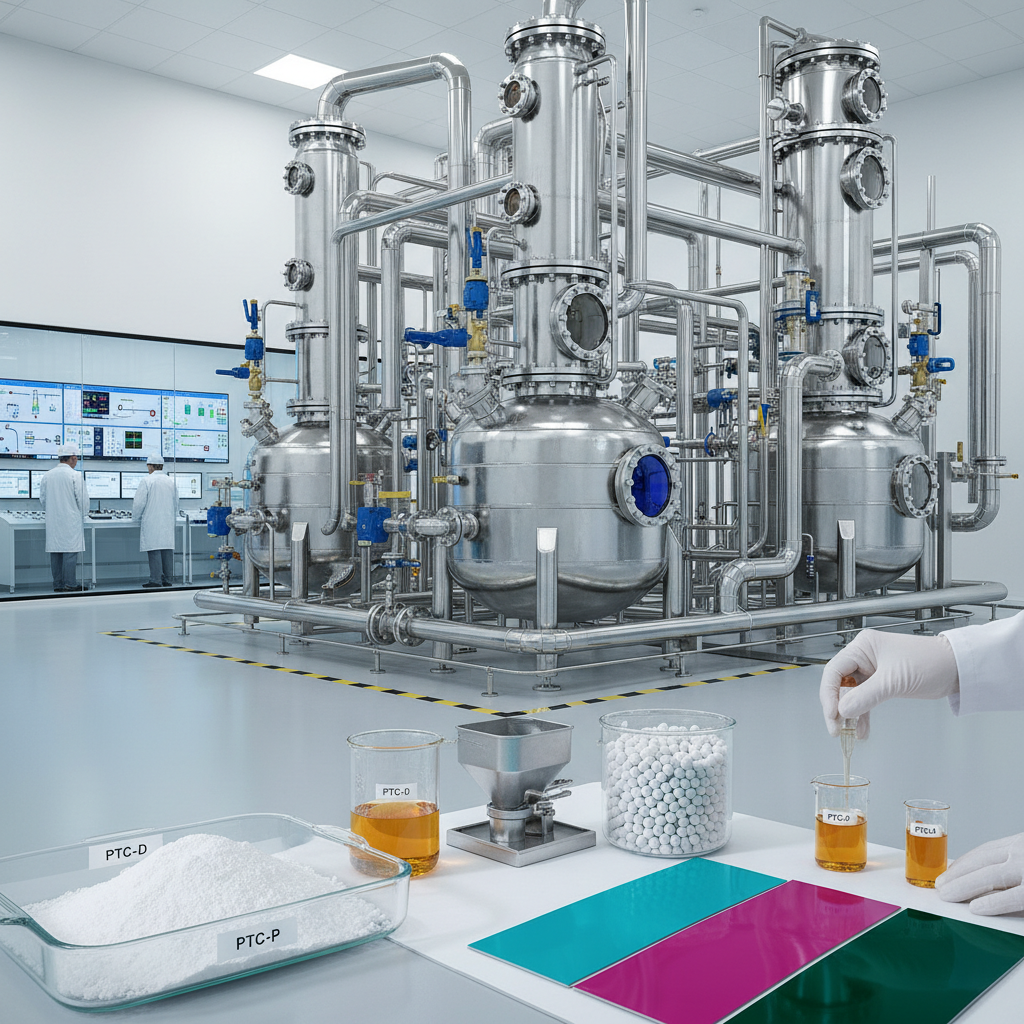
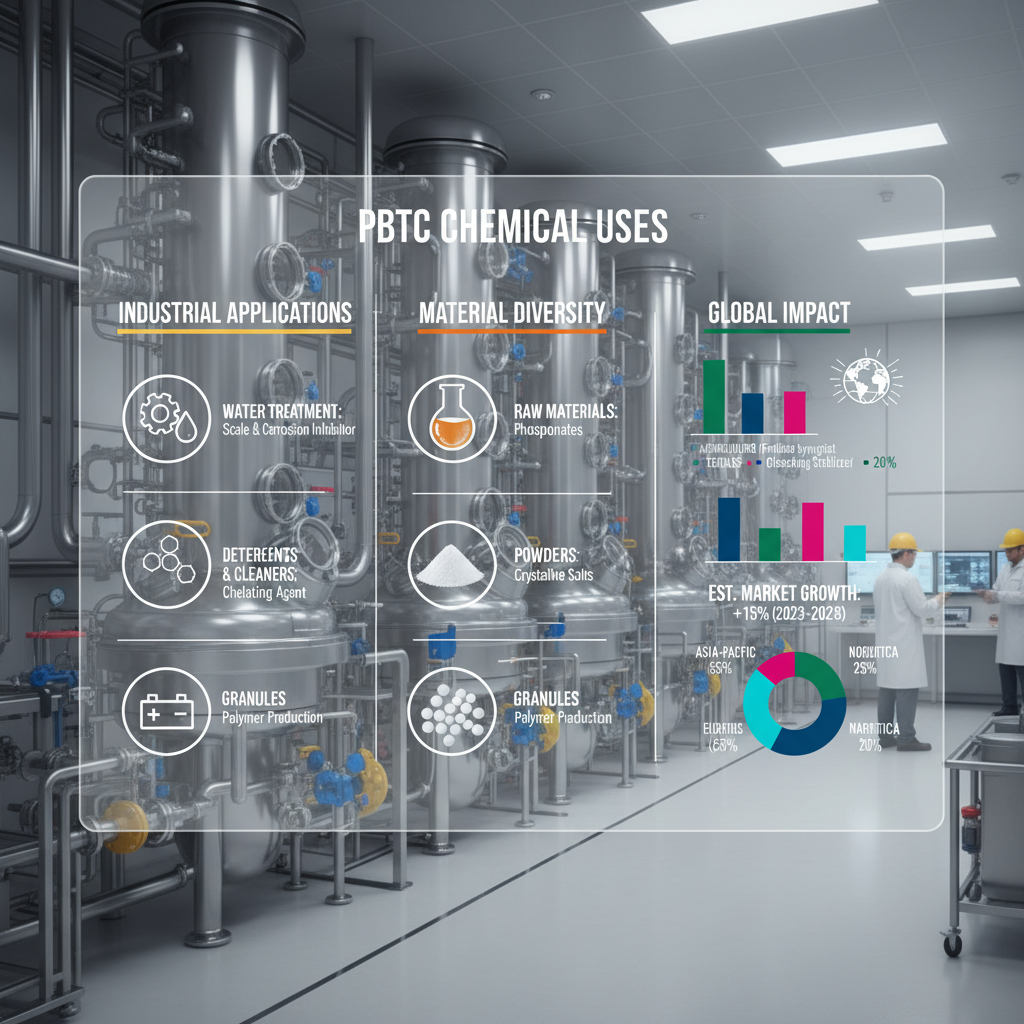
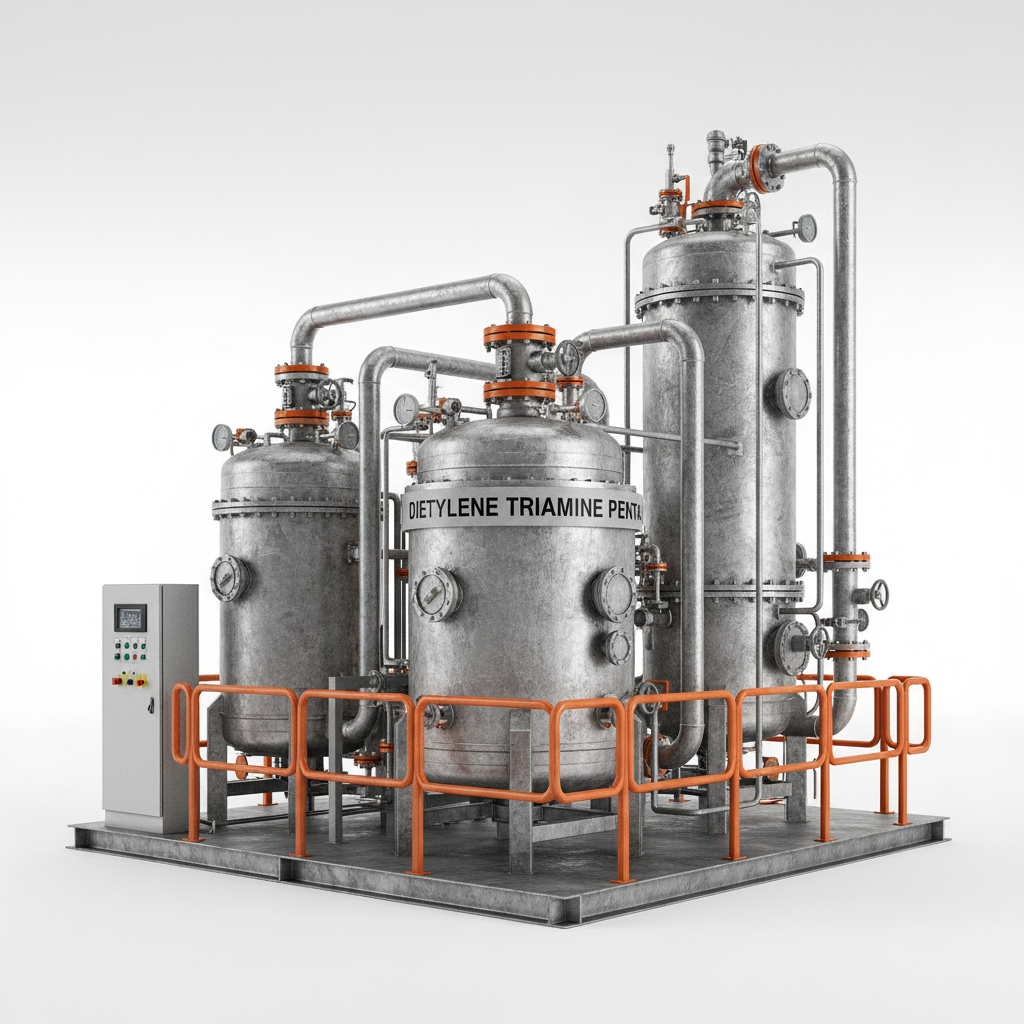
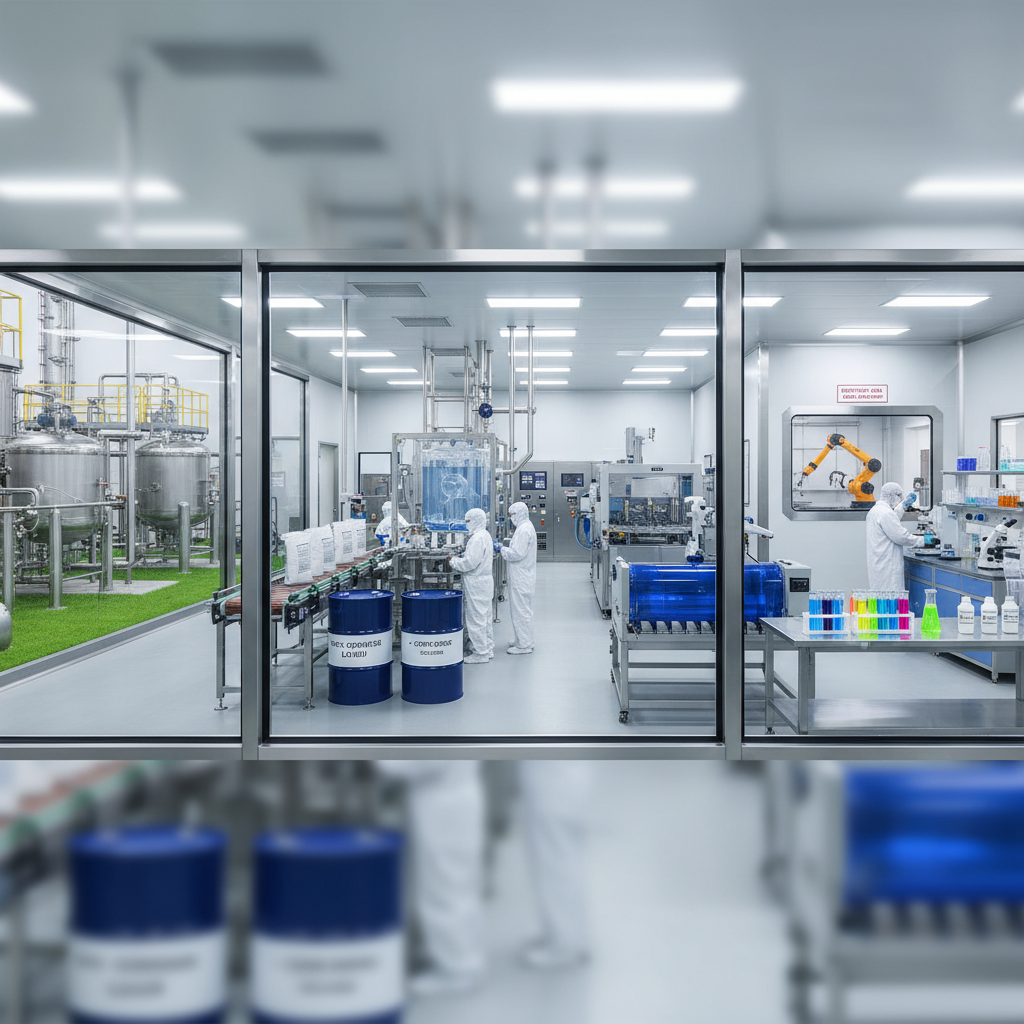
Understanding the diverse range of pbtc chemical uses is essential for modern industrial water treatment and chemical processing. PBTC (2-phosphonobutane-1,2,4-tricarboxylic acid) stands as a powerhouse in the realm of specialty chemicals, specifically designed to mitigate the destructive effects of mineral scaling and corrosion in complex aqueous systems. By providing superior sequestration and inhibition, it ensures the longevity of expensive industrial infrastructure.
Globally, the demand for high-efficiency scale inhibitors has surged as industries shift toward more sustainable water recycling practices. The versatility of pbtc chemical uses extends across multiple sectors, from heavy manufacturing to precision cooling, where maintaining optimal heat transfer efficiency is non-negotiable for operational safety and productivity.
For procurement managers and chemical engineers, mastering the applications of PBTC allows for a strategic balance between cost-efficiency and system reliability. Whether it is preventing calcium carbonate buildup in a cooling tower or stabilizing a detergent formulation, the strategic implementation of PBTC provides a critical edge in maintaining systemic stability and reducing unplanned downtime.
Global Industrial Relevance of PBTC Applications
In the current global industrial landscape, the efficient management of water resources is a priority aligned with ISO 14001 standards and UN Sustainable Development Goals. The prevalence of pbtc chemical uses is directly linked to the need for reducing water waste; by preventing scale, industries can reuse process water more times before requiring a complete blowdown, thereby saving millions of cubic meters of water annually.
Furthermore, as emerging economies in Asia and Latin America expand their manufacturing bases, the risk of equipment failure due to poor water quality increases. PBTC provides a scalable solution that addresses these challenges, ensuring that high-pressure boilers and cooling systems remain operational under stressful mineral loads, which is critical for maintaining the stability of the global supply chain.
Defining PBTC and its Chemical Significance
At its core, PBTC is a high-performance phosphonate that acts as both a sequestering agent and a threshold inhibitor. When we discuss pbtc chemical uses, we are referring to its ability to distort the crystal growth of minerals like calcium carbonate and calcium sulfate, preventing them from adhering to metal surfaces. This molecular interference is what keeps industrial pipes clear and efficient.
Beyond simple scale prevention, PBTC is highly valued for its stability in high-temperature and high-pH environments. Unlike some traditional antiscalants that decompose under extreme thermal stress, PBTC maintains its integrity, making it an indispensable component in the "Built Scale & Corrosion Inhibitors" category of specialty chemicals.
This chemical significance translates into a humanitarian and economic benefit: lower energy consumption. Scale acts as an insulator; even a thin layer of mineral buildup can force a boiler to consume significantly more fuel to achieve the same temperature. By utilizing PBTC, industries reduce their carbon footprint and operational overhead.
Core Performance Factors of PBTC
One of the primary factors driving pbtc chemical uses is its exceptional Thermal Stability. In high-pressure steam systems, the chemical must withstand temperatures that would neutralize standard organic polymers. PBTC's unique structure allows it to remain active, providing continuous protection against mineral precipitation.
Cost Efficiency is another critical driver. While some niche chemicals offer similar inhibition, PBTC provides a superior "performance-to-price" ratio. Because it is effective at very low concentrations (threshold inhibition), operators can achieve maximum protection with minimal chemical dosing, reducing the overall cost of ownership for water treatment programs.
Finally, its Synergistic Compatibility allows it to be blended with other agents, such as Biocides or Polycarboxylic Antiscalants. This versatility means that a single treatment regimen can address scaling, corrosion, and biological fouling simultaneously, simplifying the logistics of chemical inventory management.
Real-World Use Cases and Global Reach
The practical application of pbtc chemical uses is most evident in large-scale cooling towers and reverse osmosis (RO) membranes. In the Middle East, where water salinity is naturally high, PBTC is used to prevent the rapid fouling of desalination plants, ensuring a steady supply of potable water for millions of people.
In the North American oil and gas sector, PBTC is deployed in "downhole" applications to prevent scale from blocking production tubing. By keeping the flow paths open, energy companies can maintain higher extraction rates and reduce the need for costly mechanical cleaning operations.
Efficiency Analysis of PBTC Chemical Uses across Industries
Tangible Advantages and Long-Term Value
The long-term value of investing in proper pbtc chemical uses is found in the dramatic extension of asset life. When scale is controlled, the metal surfaces of heat exchangers are not subjected to "under-deposit corrosion," which often leads to catastrophic leaks and expensive replacements. This reliability builds trust within operational teams and ensures safety for the workers.
From a sustainability perspective, the use of PBTC contributes to "Green Chemistry" goals by reducing the volume of harsh acids required for descaling. Instead of periodically shutting down a plant to perform aggressive chemical cleaning, a continuous, low-dose PBTC program maintains a clean system, reducing the amount of chemical waste discharged into the environment.
Future Trends in Scale Inhibition Technology
As we look forward, the evolution of pbtc chemical uses is moving toward "smart dosing" systems. By integrating real-time sensors that monitor mineral concentration and pH, AI-driven pumps can adjust PBTC levels instantly, ensuring that not a single drop of chemical is wasted while maintaining 100% protection.
There is also a growing trend toward the development of biodegradable phosphonates. While PBTC is already highly efficient, research is focused on enhancing its environmental breakdown profile to meet stricter EU and North American wastewater regulations without sacrificing its legendary scale-inhibiting power.
Moreover, the integration of PBTC into nano-encapsulated delivery systems is being explored. This would allow for the "timed release" of the chemical in deep-well oil applications, extending the time between treatments from months to years, significantly lowering the operational risk in remote industrial zones.
Overcoming Challenges in Chemical Deployment
Despite the benefits, one common challenge in pbtc chemical uses is the potential for incompatibility with certain high-calcium brines, which can lead to the formation of calcium-phosphonate precipitates. Expert insight suggests that this can be overcome by pre-blending PBTC with specific polycarboxylic dispersants to keep the phosphonate in a soluble state.
Another hurdle is the precise calibration of dosage. Over-dosing can lead to nutrient loading in discharge water, potentially contributing to eutrophication in local water bodies. The solution lies in rigorous water analysis and the use of specialized monitoring tools to ensure the dose is "just right."
Finally, the transition from traditional scale inhibitors to PBTC often requires a "system flush" to remove existing scale. We recommend a phased approach: a targeted acidification process followed by the introduction of a PBTC-based maintenance program to ensure a clean slate and maximum future efficiency.
Comparative Analysis of PBTC Deployment Strategies
| Application Strategy |
Risk Level |
Efficiency Gain |
Maintenance Cost |
| Continuous Low-Dose |
Low |
High (9/10) |
Low |
| Shock Treatment |
Medium |
Medium (6/10) |
Moderate |
| Synergistic Blend |
Very Low |
Maximum (10/10) |
Moderate |
| Manual Batching |
High |
Low (4/10) |
High |
| AI-Optimized Dosing |
Low |
High (9.5/10) |
Low |
| Pre-treatment Filming |
Medium |
Medium (7/10) |
Moderate |
FAQS
PBTC offers superior thermal stability and effectiveness in high-pH environments. While standard phosphonates might degrade or precipitate in high-temperature boilers, PBTC maintains its structural integrity, providing consistent threshold inhibition and preventing mineral scale more effectively at lower concentrations.
Yes, pbtc chemical uses are common in Reverse Osmosis (RO) desalination. It prevents the scaling of membranes by calcium and magnesium salts, which significantly extends the life of the membranes and reduces the frequency of chemical cleaning cycles.
Generally, yes. PBTC is designed to be chemically stable and compatible with most common biocides and algicides. In fact, using them together is the industry standard for a "comprehensive water treatment program" to fight both mineral scale and biological slime simultaneously.
Dosage depends on the Langelier Saturation Index (LSI) of your water, the flow rate, and the temperature. We recommend conducting a water analysis to determine the concentration of calcium and alkalinity, then performing a jar test to find the minimum effective concentration for your specific water chemistry.
PBTC is highly efficient, meaning very little is required for protection. However, like all phosphonates, it can contribute to phosphorus levels in wastewater. This is managed through proper dilution and by using modern wastewater treatment processes to remove phosphates before discharge.
PBTC is primarily a preventative inhibitor, not a descaler. While it can prevent new scale from forming and may slow the growth of existing crystals, it cannot dissolve thick layers of existing carbonate scale. A targeted acid wash is usually required before starting a PBTC program.
Conclusion
In summary, the strategic application of pbtc chemical uses represents a critical intersection of chemical engineering and operational efficiency. By leveraging its unique ability to inhibit scale at threshold levels, maintain stability under extreme thermal stress, and integrate seamlessly with other water treatment agents, industries can significantly reduce their energy consumption and extend the lifespan of their infrastructure.
Looking ahead, the shift toward AI-driven dosing and more sustainable chemical profiles will only enhance the value of PBTC in the global market. For companies seeking to optimize their water treatment programs, the transition to high-performance phosphonates like PBTC is not just a technical upgrade, but a strategic move toward industrial sustainability and reliability. Visit our website: www.lkpbtc.com