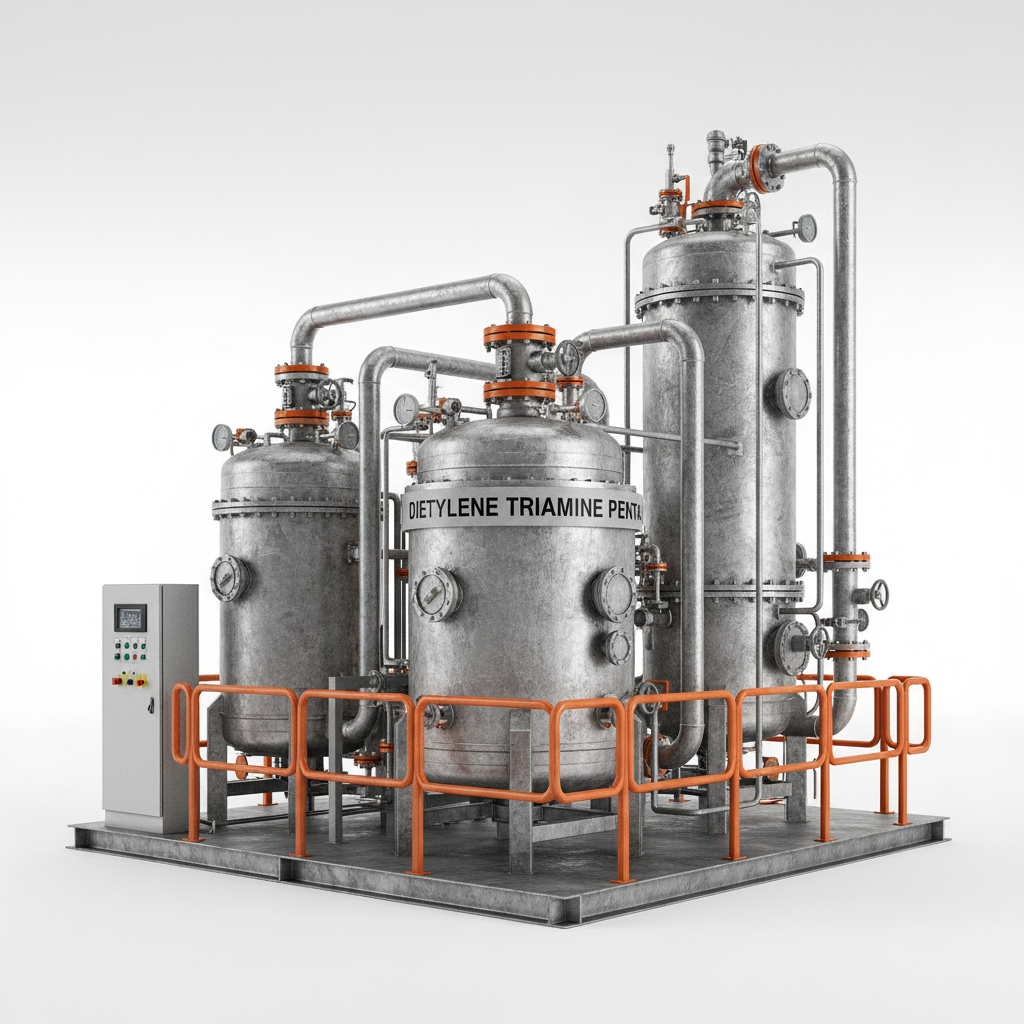
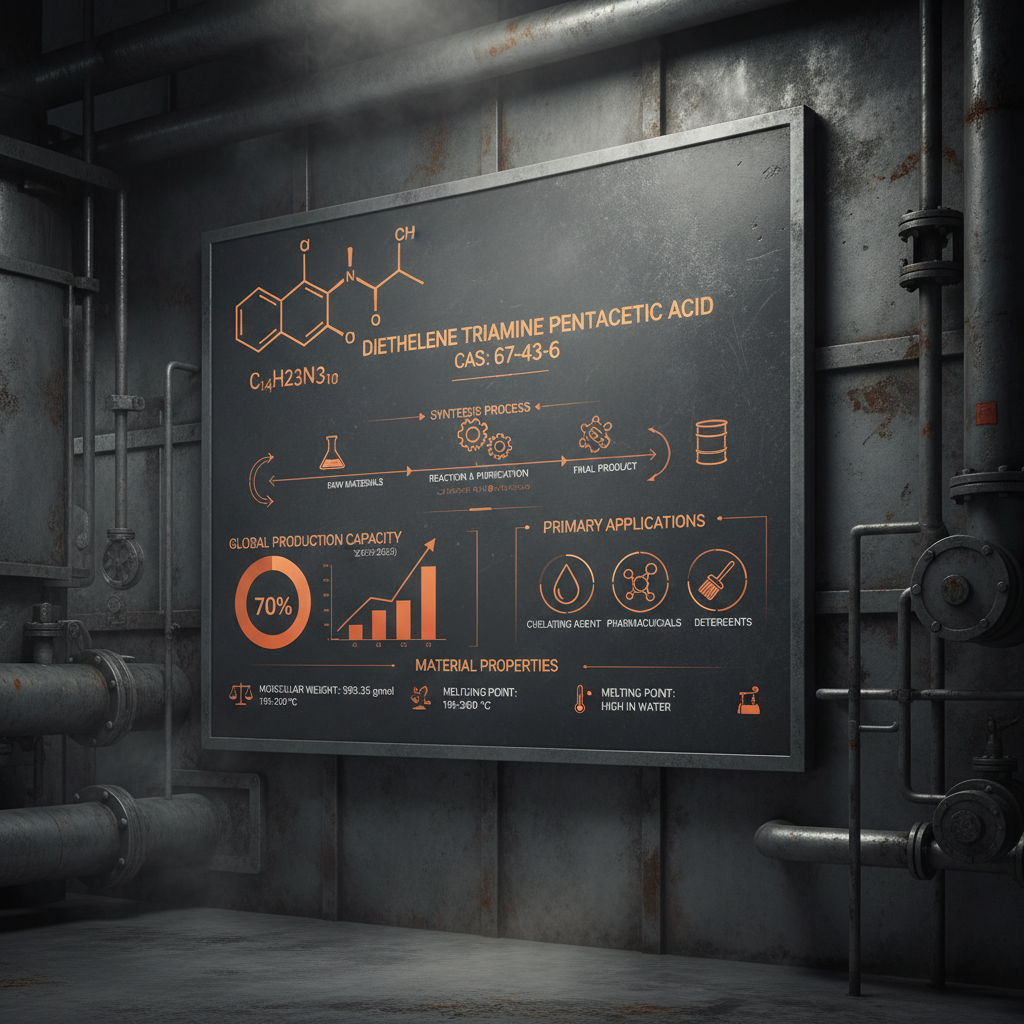
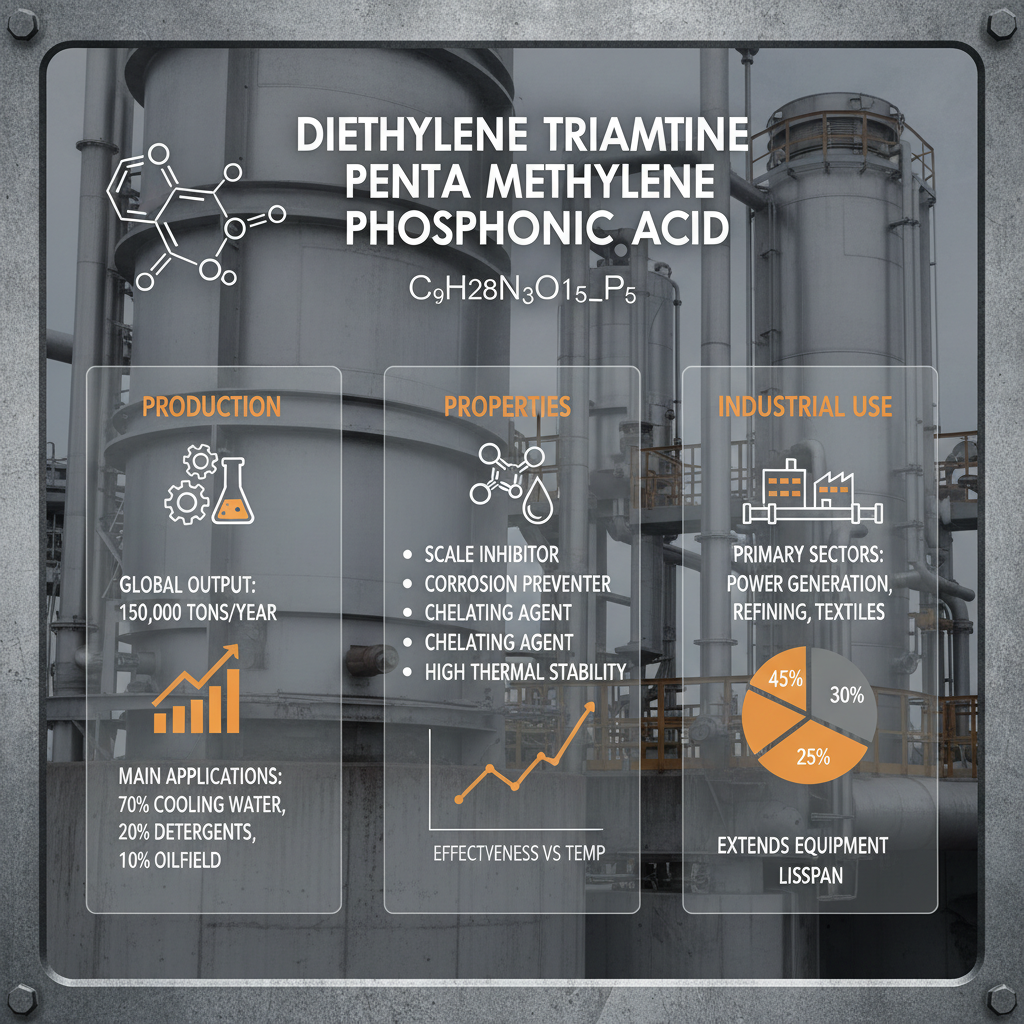
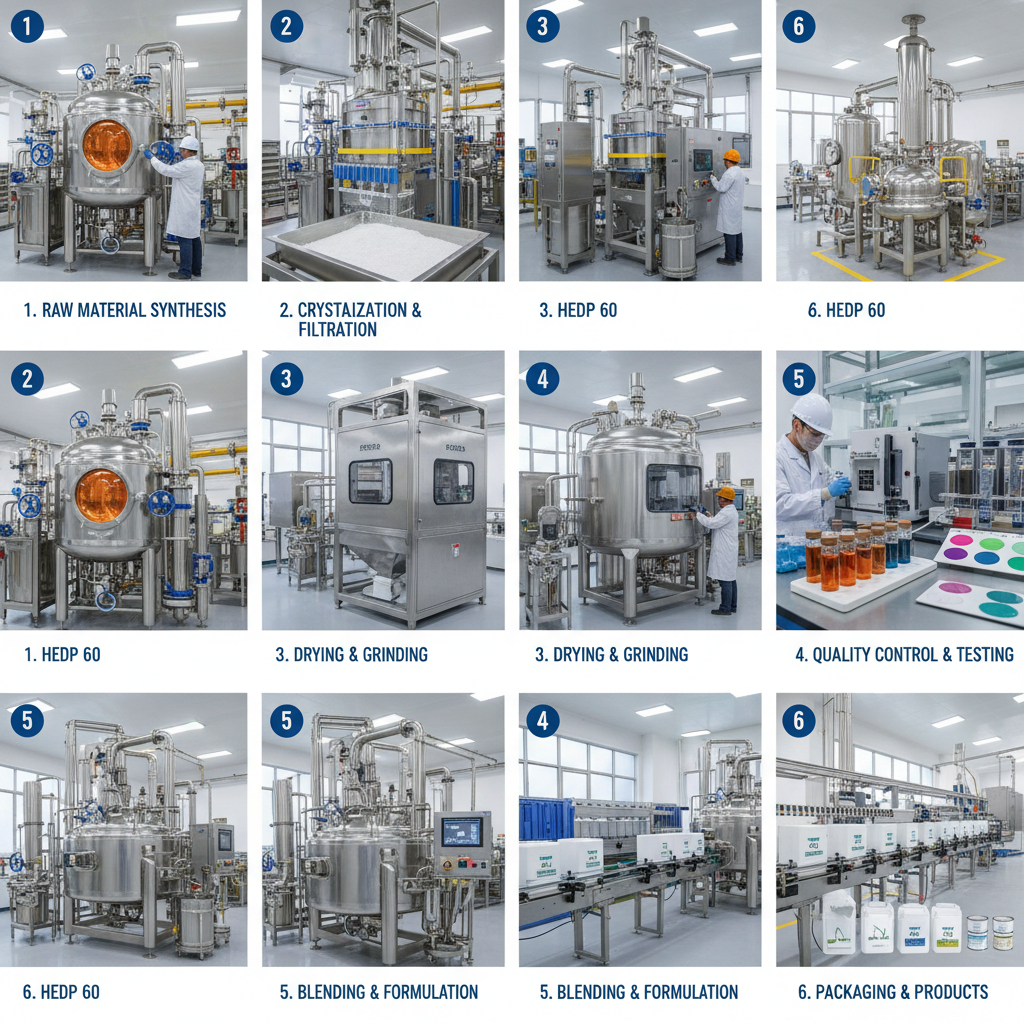
Diethylene triamine penta, often used as a curing agent in epoxy resin systems, represents a significant advancement in material science with wide-ranging industrial applications. Its unique chemical properties contribute to the creation of durable, high-performance materials crucial in sectors like coatings, adhesives, and composite manufacturing. Understanding its functionality and potential is paramount for engineers and materials scientists seeking innovative solutions.
The global demand for high-performance materials is continuously increasing, driven by infrastructure development, automotive advancements, and the aerospace industry. Diethylene triamine penta plays a critical role in meeting these demands by enhancing the mechanical strength and chemical resistance of various products. This demand is influenced by factors like increasing urbanization and stringent performance standards.
Diethylene triamine penta addresses a crucial challenge in materials science: achieving a balance between material strength, flexibility, and cost-effectiveness. Traditional curing agents often fall short in one or more of these areas. The unique molecular structure of this compound offers a superior solution, leading to more reliable and longer-lasting products across numerous applications.
The Chemical Composition of diethylene triamine penta
Diethylene triamine penta is a polyamine compound characterized by its five amine groups, which are responsible for its reactivity with epoxy resins. Its chemical formula is C8H23N5, and its molecular weight is approximately 189.31 g/mol. The presence of multiple amine groups allows for extensive crosslinking, leading to a highly robust and durable polymer network.
Understanding the chemical structure of diethylene triamine penta is crucial for optimizing its use in specific applications. The arrangement of amine groups influences the curing speed, final mechanical properties, and chemical resistance of the resulting epoxy system. Precise control over these factors is vital for achieving desired performance characteristics.
Global Production and Market Trends of diethylene triamine penta
The global production of diethylene triamine penta is concentrated in several key regions, including China, North America, and Europe. China currently holds the largest market share due to its robust manufacturing infrastructure and growing demand from various industries. The market is driven by increasing construction activity, automotive production, and the aerospace sector.
According to industry reports, the diethylene triamine penta market is expected to grow at a compound annual growth rate (CAGR) of approximately 6-8% over the next five years. This growth is attributed to the increasing adoption of epoxy resins in various applications and the rising demand for high-performance materials. Market dynamics are also influenced by fluctuating raw material prices and regulatory changes.
The demand for environmentally friendly curing agents is also shaping market trends. Manufacturers are increasingly focusing on developing and producing diethylene triamine penta variants with lower volatile organic compound (VOC) emissions, catering to the growing demand for sustainable materials and contributing to improved worker safety.
The Role of Diethylene Triamine Penta in Epoxy Resin Systems
Diethylene triamine penta acts as a curing agent, initiating the polymerization process of epoxy resins. Its amine groups react with the epoxy rings, forming a crosslinked network that transforms the liquid resin into a solid, durable material. The ratio of diethylene triamine penta to epoxy resin is critical for achieving optimal curing and desired material properties.
The effectiveness of diethylene triamine penta as a curing agent is linked to its ability to provide fast curing at room temperature or with mild heating. This fast curing is particularly beneficial in applications where rapid processing is required. Moreover, it impacts the glass transition temperature (Tg) of the cured epoxy, influencing its performance at elevated temperatures.
The resulting epoxy network’s properties – tensile strength, flexural modulus, impact resistance, and chemical resistance – are all profoundly affected by the choice and concentration of the curing agent. Diethylene triamine penta consistently demonstrates an ability to impart excellent mechanical characteristics and resilience in the final cured product, making it ideal for demanding applications.
Key Performance Indicators of Diethylene Triamine Penta
Assessing the performance of diethylene triamine penta requires evaluating several key indicators. These include its reactivity with epoxy resins, which determines the curing speed, and the resulting mechanical properties of the cured epoxy, such as tensile strength, flexural modulus, and impact resistance.
Chemical resistance is another vital performance indicator. Diethylene triamine penta contributes to the epoxy system's resistance to various chemicals, including acids, bases, solvents, and oils. This characteristic is crucial for applications where the material will be exposed to harsh chemical environments.
Performance Metrics Comparison for Diethylene Triamine Penta Curing Agents
Applications Across Diverse Industries using diethylene triamine penta
Diethylene triamine penta finds extensive application in the coatings industry, where it enhances the durability, chemical resistance, and adhesion of protective coatings for various surfaces. These coatings are used in automotive, marine, and industrial sectors.
In the adhesives sector, diethylene triamine penta is used to formulate high-strength adhesives for bonding metals, plastics, and composites. These adhesives are critical in aerospace, automotive, and construction applications where reliable bonding is essential.
Advantages and Sustainable Aspects of diethylene triamine penta
The primary advantage of diethylene triamine penta lies in its ability to provide superior mechanical properties to cured epoxy systems, enhancing their strength, toughness, and resistance to cracking. This leads to longer product lifecycles and reduced maintenance costs.
Increasingly, sustainability considerations are driving the adoption of diethylene triamine penta. Some formulations boast lower VOC emissions compared to alternative curing agents, contributing to improved air quality and reduced environmental impact. The durability of the resulting epoxy systems also reduces the need for frequent replacements, conserving resources.
Beyond performance, the relative cost-effectiveness of diethylene triamine penta, coupled with its ease of use, makes it an attractive option for manufacturers seeking efficient and reliable solutions. This balance of performance, sustainability, and affordability solidifies its position as a preferred curing agent in various industries.
Future Innovations and Emerging Trends related to diethylene triamine penta
Ongoing research focuses on modifying diethylene triamine penta to enhance its performance characteristics and reduce its environmental footprint. This includes developing bio-based variants derived from renewable resources, offering a more sustainable alternative to traditional petrochemical-based products.
Integration with nanotechnology is another emerging trend. Incorporating nanoparticles into diethylene triamine penta-cured epoxy systems can further enhance mechanical properties, thermal stability, and electrical conductivity, opening up new applications in advanced composites and electronics.
Digitalization and automation are also influencing the future of diethylene triamine penta applications. Automated mixing and dispensing systems, coupled with real-time monitoring and control, are optimizing curing processes and ensuring consistent product quality.
Table Summarizing the Analysis of Future Trends in Diethylene Triamine Penta Applications
| Trend Category |
Key Characteristics |
Potential Impact on Diethylene Triamine Penta |
Implementation Timeline |
| Bio-Based Formulations |
Renewable feedstock, reduced carbon footprint |
Increased sustainability, compliance with environmental regulations |
5-10 years |
| Nanotechnology Integration |
Enhanced mechanical properties, improved conductivity |
Expanded applications in advanced composites and electronics |
3-7 years |
| Automated Processing |
Precise mixing, real-time monitoring, consistent quality |
Reduced waste, optimized curing cycles, improved efficiency |
2-5 years |
| Self-Healing Epoxy Systems |
Microcapsules containing healing agents |
Increased durability, extended service life, reduced maintenance |
7-12 years |
| Smart Coatings with Sensors |
Integrated sensors for structural health monitoring |
Proactive maintenance, improved safety, enhanced performance |
5-10 years |
| Low-VOC Formulations |
Reduced emission of volatile organic compounds |
Improved air quality, enhanced worker safety, environmental compliance |
Ongoing |
FAQS
Diethylene triamine penta offers a compelling combination of benefits, including faster curing speeds, excellent mechanical properties in the resulting epoxy system (high tensile strength, flexural modulus, and impact resistance), and good chemical resistance. It also provides a good balance between performance and cost-effectiveness, making it suitable for a wide range of applications compared to specialized or more expensive alternatives.
The stoichiometric ratio between diethylene triamine penta and epoxy resin is crucial. An incorrect ratio can lead to incomplete curing, resulting in a soft, tacky, or brittle material. Excess amine groups can plasticize the epoxy, reducing its strength, while insufficient amine groups leave unreacted epoxy, impacting chemical resistance. Carefully following the manufacturer's recommended ratio is essential for optimal performance.
While not inherently "green", ongoing research focuses on developing bio-based variants of diethylene triamine penta derived from renewable resources. Additionally, formulations with lower VOC (volatile organic compound) emissions are becoming available, reducing air pollution. However, proper handling and disposal are always necessary to minimize environmental impact, adhering to local regulations.
Diethylene triamine penta is a corrosive substance. Always wear appropriate personal protective equipment (PPE), including gloves, safety glasses, and a respirator when handling. Work in a well-ventilated area to avoid inhaling fumes. Avoid contact with skin and eyes. In case of contact, rinse thoroughly with water and seek medical attention. Review the Safety Data Sheet (SDS) for detailed safety information.
Diethylene triamine penta is particularly well-suited for applications requiring fast curing at room temperature, high mechanical strength, and good chemical resistance. This includes applications like industrial coatings, adhesives, composite materials, and flooring systems. It's also favored where a cost-effective solution is needed without compromising performance.
Temperature significantly impacts the curing rate. Higher temperatures accelerate the reaction between diethylene triamine penta and the epoxy resin, reducing curing time. However, excessively high temperatures can lead to uncontrolled exothermic reactions and potential degradation. Conversely, lower temperatures slow down the curing process. Controlling the temperature within the recommended range ensures optimal curing and properties.
Conclusion
In summary, diethylene triamine penta stands as a vital component in the realm of epoxy resin technology, offering a unique blend of performance characteristics, cost-effectiveness, and adaptability. From enhancing the durability of coatings and adhesives to enabling the creation of high-strength composite materials, its applications span across numerous industries. Its capacity to deliver fast curing, robust mechanical properties, and impressive chemical resistance makes it a preferred choice for demanding engineering applications.
Looking ahead, ongoing innovations, including bio-based formulations and nanotechnology integration, promise to further enhance the sustainability and functionality of diethylene triamine penta. Embracing these advancements will be crucial for meeting the evolving needs of industries seeking high-performance materials with reduced environmental impact. For further information and tailored solutions, visit our website at www.lkpbtc.com.