
Polyamino Polyether Methylene Phosphonic Acid (PAPEMP) FAQ: Grade Selection, Packaging and Safety Documents
QUESTIONS & ANSWERS
Polyamino Polyether Methylene Phosphonic Acid (PAPEMP) FAQ: Grade Selection, Packaging and Safety Documents
This FAQ answers the questions buyers and procurement teams most commonly ask about polyamino polyether methylene phosphonic acid (PAPEMP): what it is, which applications it suits, how to read the specification table, what packaging is available, and what safety documentation to request before shipment. All answers are drawn from Hebei Longke Water Treatment Co., Ltd.'s published product information.

Polyamino Polyether Methylene Phosphonic Acid (PAPEMP) — Buyer FAQ
Polyamino polyether methylene phosphonic acid (PAPEMP) is a first-generation water treatment agent widely used in industrial cooling water systems, oilfield refill water systems, reverse osmosis (RO) units, and multistep flash vaporization systems. The questions below cover grade selection, key specification parameters, packaging options, storage requirements, and the safety documents you should request before placing an order.
For full product details and to contact Hebei Longke Water Treatment Co., Ltd. directly, visit the PAPEMP product page.
What is PAPEMP and what does it do?
PAPEMP (polyamino polyether methylene phosphonic acid) is a water treatment chemical that combines high chelation and dispersion performance with strong scale-inhibition properties. It targets calcium carbonate (CaCO₃), calcium sulfate (CaSO₄), and calcium phosphate (Ca₃(PO₄)₂) scale, and it can also inhibit silica scale formation. In addition, PAPEMP stabilises transition metal ions — including zinc (Zn), manganese (Mn), and iron (Fe) — which helps prevent fouling and corrosion in the treated system.
Which water treatment systems is PAPEMP suitable for?
According to the published product data from Hebei Longke Water Treatment Co., Ltd., PAPEMP is designed for:
- Circulating cooling water systems operating at high hardness, high alkalinity, or elevated pH
- Oilfield refill water systems subject to similar harsh conditions
- Reverse osmosis (RO) systems where high salt concentration and high turbidity are present
- Multistep flash vaporization systems, including high-temperature, high-turbidity environments such as coal gasification plants
- Textile dyeing processes as a yellow-turnback inhibition agent
It is also documented as a functional alternative to conventional chelating agents such as EDTA, DTPA, and NTA in industrial processes.
How do I read the PAPEMP specification table?
The published specification for PAPEMP covers five key parameters:
| Parameter | Specification |
|---|---|
| Appearance | Amber transparent liquid |
| Active component | ≥ 40.0 % |
| Phosphoric acid (as PO₄³⁻) | ≤ 1.0 % |
| Density (20 °C) | 1.15 – 1.25 g/cm³ |
| pH (1 % water solution) | ≤ 2.5 |
The molecular weight is approximately 600. The active-component floor of 40 % and the low phosphoric acid ceiling of 1 % are the two purity markers most commonly referenced in procurement documents. The pH limit of 2.5 (measured on a 1 % solution) reflects the product's acidic character and is relevant to handling and compatibility assessments.
What packaging options are available?
Hebei Longke Water Treatment Co., Ltd. offers PAPEMP in two standard container sizes:
- 200 L plastic drum (also stated as 250 kg net plastic drum in some product records)
- 1,000 L IBC (Intermediate Bulk Container)
Custom packaging to a buyer's specific requirement is also mentioned in the product documentation. For export orders, the standardised drum and IBC formats are designed for safe global transportation.
How should PAPEMP be stored, and what is its shelf life?
The product should be stored in a shady, dry place away from direct sunlight and moisture. The published shelf life is 10 to 12 months from the date of production under these conditions. No special refrigeration is specified, but the storage environment should remain consistent with the stated temperature and humidity guidelines implied by a shady, dry location.
What safety precautions apply when handling PAPEMP?
PAPEMP is an acidic product. The following handling guidelines are stated in the product documentation:
- Observe appropriate labour protection during all handling operations.
- Avoid contact with eyes and skin.
- If the liquid is splashed on the body, rinse immediately with plenty of water.
Buyers should request the Material Safety Data Sheet (MSDS) — referenced in Hebei Longke Water Treatment Co., Ltd.'s product documentation — prior to shipment. The MSDS provides comprehensive guidelines for safe handling, first-aid measures, and transport classification.
How does PAPEMP compare to EDTA and NTA as a chelating agent?
The published product comparison table highlights three performance differences between PAPEMP and traditional EDTA/NTA chelating agents:
| Performance metric | Traditional EDTA / NTA | PAPEMP |
|---|---|---|
| Calcium tolerance | Moderate | Excellent (high hardness) |
| Thermal stability | Standard | High (suitable for flash vaporization) |
| Silica inhibition | Low | High efficiency |
| Metal ion stability | General | Specialised (Zn, Mn, Fe) |
Because of the higher calcium tolerance and specialised silica inhibition, PAPEMP is positioned in the product documentation as more effective in extreme industrial environments where EDTA and NTA may underperform. Operating cost is described as lower due to reduced dosage requirements and longer treatment cycles, though buyers should verify actual dosage requirements with technical support before selecting a treatment programme.
Can PAPEMP be used in high-temperature reverse osmosis systems?
Yes. According to the published product documentation, PAPEMP is specifically designed for reverse osmosis and multistep flash vaporization systems, including high-temperature and high-turbidity environments. Its high thermal stability differentiates it from conventional scale inhibitors in these applications. Buyers are encouraged to consult Hebei Longke Water Treatment Co., Ltd.'s technical team for application-specific dosage guidance.
THE PEOPLE

About the author
THE COMPANY
Hebei Longke Water Treatment Co., Ltd.
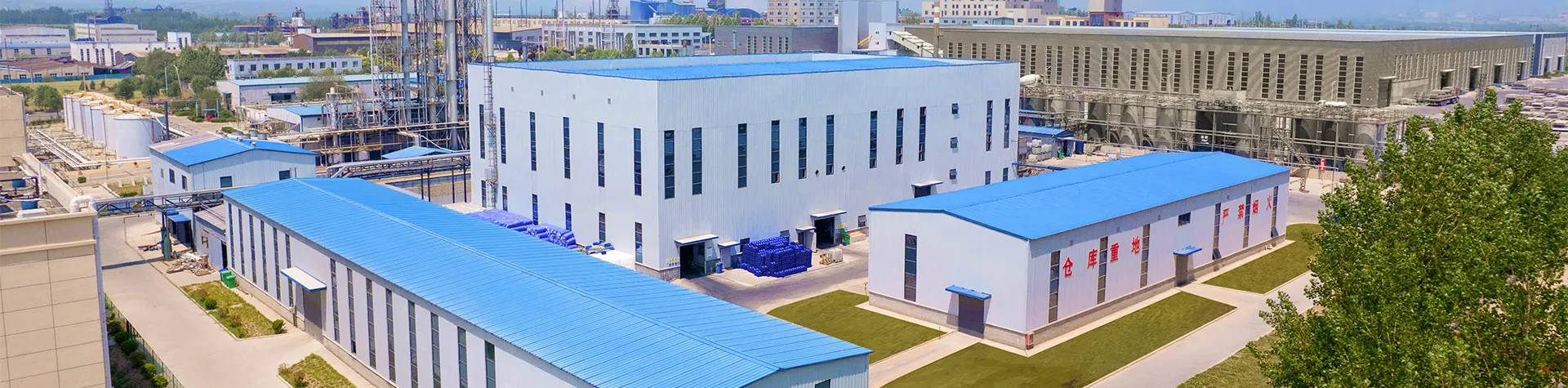
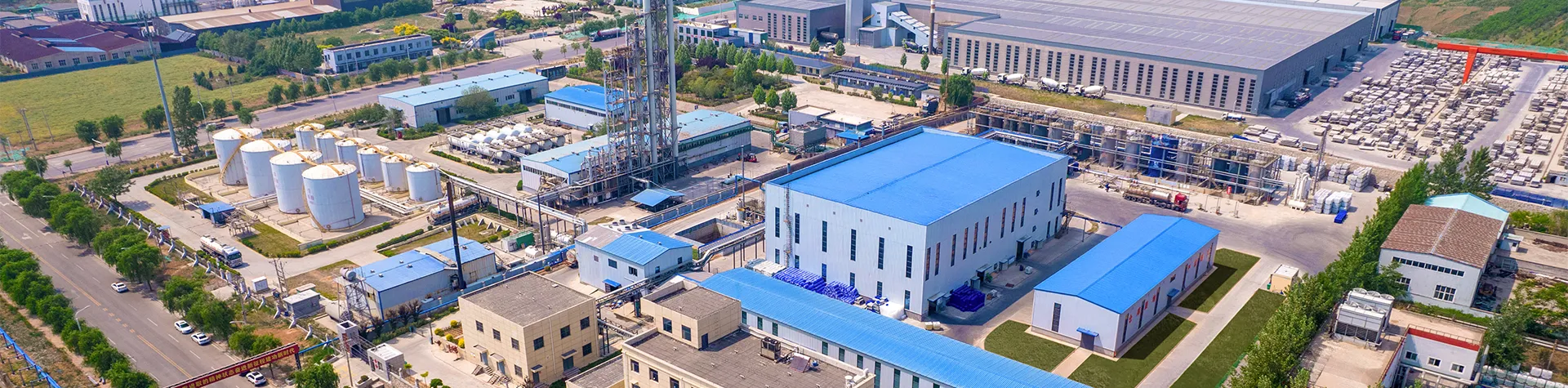
Hebei Longke Water Treatment Co., Ltd. No. 3, North of Haohua East Road, North Park, Neiqiu county Industrial Zone, Xingtai City, Hebei Province, adjacent to Beijing-Zhuhai Expressway and Beijing-Guangzhou Railway in the west, with convenient transportation and superior geographical location.…
About Us ↗Visit company website ↗YOUR NEXT STEP
Bring your brief. Start a useful conversation.
Use case, specification, quantity and delivery window: make the next conversation specific.
-
PBTC price: how to choose the right sodium salt grade and formNewsNov.03,2026
-
Polyamino Polyether Methylene Phosphonic Acid (PAPEMP) FAQ: Grade Selection, Packaging and Safety DocumentsNewsOct.28,2026
-
Choosing Isothiazolinones (CMIT/MIT): Application Fit and Specification ChecksNewsOct.24,2026
-
Choosing LK-3100 Carboxylate-Sulfonate-Nonion Terpolymer: Application Fit and Specification ChecksNewsOct.24,2026
-
1 Hydroxy Ethylidene 1 1 Diphosphonic Acid HEDP and HEDP·Na4 FAQ: Grade Selection, Packaging and Safety NotesNewsOct.24,2026
-
Industrial Preservation Guide for Chloro Methyl IsothiazolinoneNewsJul.01,2026