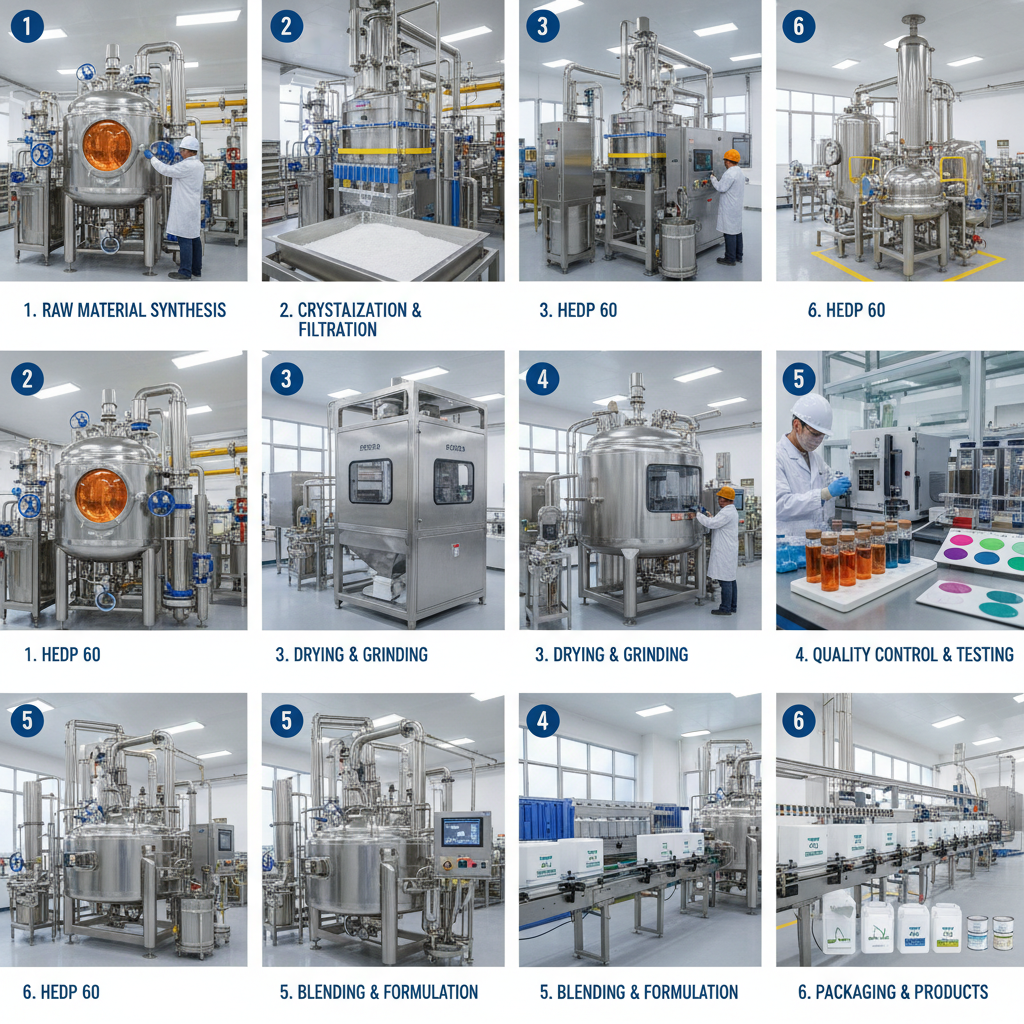
Selecting a reliable flocculant factory is a critical decision for industries managing large-scale water treatment, wastewater processing, and mineral recovery. In the specialized chemical manufacturing sector, the efficacy of a flocculant directly impacts the clarity of effluent, the efficiency of sludge Dewatering, and overall operational compliance with environmental regulations.
Many procurement managers face challenges in balancing chemical purity, dosing efficiency, and long-term stability. Inconsistent polymer quality from suppliers can lead to unexpected turbidity spikes, increased sludge volume, and higher operational costs, creating a need for manufacturers who integrate rigorous scientific research with industrial-scale production.
This professional analysis provides a comprehensive framework for evaluating flocculant production capabilities, understanding the technical relationship between polymer types and application results, and establishing a standard for choosing a chemical partner that ensures consistent water treatment performance.

Core Production Capabilities of a Flocculant Factory

A professional flocculant factory must operate as an integrated entity combining scientific research, precise production, and technical service. The ability to maintain a stable chemical analysis room and instrument room is essential for providing routine water quality analysis and dynamic simulation experiments. This infrastructure allows a manufacturer to transition from generic chemical supply to providing application-specific solutions tailored to the unique water chemistry of the end-user.
For enterprises like Hebei Longke Water Treatment Co., Ltd., the integration of research and production ensures that products—ranging from flocculants to specialized corrosion inhibitors—meet the rigorous demands of refining, chemical plants, and power generation sectors. The presence of a controlled laboratory environment allows for static screening of circulating cooling water, ensuring that the flocculants produced are optimized for specific ionic strengths and pH levels found in industrial settings.
Technical Distinctions in Flocculant Chemistry
Flocculants are categorized by their charge and molecular structure, which determines their interaction with suspended particles. Anionic, cationic, and non-ionic polymers are designed to neutralize charges on particles, allowing them to aggregate into larger "flocs" that settle quickly. The precision of the polymerization process in the factory determines the molecular weight and charge density, which are the two primary drivers of flocculation speed and sludge compactness.
Beyond standard flocculants, specialized chemical manufacturing often involves the synergy of multiple agents. For instance, integrating flocculants with polycarboxylic antiscalants or phosphonate chelating agents can prevent the interference of scale-forming ions, such as calcium and magnesium, which might otherwise hinder the aggregation process in complex industrial wastewater streams.
Industrial Applications and Solution Matching
The application of flocculants varies significantly across different industrial landscapes. In sewage treatment, the goal is often the removal of organic suspended solids and phosphorus. In the steel and chemical fertilizer industries, the focus shifts to removing heavy metal precipitates and inorganic particulates. The effectiveness of the chemical depends on the matching of the polymer's charge to the zeta potential of the particles being removed.
In open wide circulating cool water systems, the challenge is twofold: removing suspended debris while preventing corrosion and scale. This is where a comprehensive product portfolio becomes valuable. Combining a high-efficiency flocculant with a scale and corrosion inhibitor, such as those utilizing organophosphoric and polycarboxylic acids, ensures that the system remains free of biological fouling and mineral deposits without compromising the structural integrity of the steel and iron components.
Evaluation Metrics for Polymer Performance
To objectively measure the value provided by a flocculant factory, buyers must look beyond the price per kilogram and analyze the "performance-to-dose" ratio. This is typically evaluated through a series of normalized indices that measure floc strength, settling velocity, and the final supernatant turbidity. The following conceptual framework illustrates the relative impact of different technical factors on overall treatment efficiency.
This illustrative data shows that while polymer purity is fundamental, the alignment between the polymer's charge density and the water's specific ionic composition (Application Match) provides the highest relative gain in treatment efficiency. A manufacturer that provides simulation experiments can optimize this match, significantly reducing the required dosage (ppm) and lowering the overall chemical footprint.
Strategic Sourcing and Supplier Audit Criteria
When auditing a flocculant factory, procurement teams should prioritize the stability of the raw material supply chain and the precision of the quality control (QC) process. A reliable supplier should provide detailed specifications, including solid content, pH levels of solutions, and density. For specialized agents, the concentration of active ingredients (such as total phosphoric acid in scale inhibitors) is a non-negotiable metric for ensuring dosage accuracy in the field.
Furthermore, the logistics capability of the manufacturer—specifically their ability to provide various packaging options like 200L drums or 1000L IBC tanks—reflects their experience in handling industrial-scale requirements. The storage conditions recommended by the factory, such as keeping products in shady, dry rooms, are also indicators of the chemical's stability and the manufacturer's commitment to maintaining product integrity during transit.
Operational Risks in Chemical Procurement
One of the primary risks in sourcing from an unverified flocculant factory is "batch variance." Small changes in the polymerization temperature or monomer purity can result in products with different molecular weights, leading to inconsistent floc sizes and potential system failures. This is particularly dangerous in continuous-flow systems where dosing is automated via metering pumps; a change in viscosity or activity can lead to under-dosing (causing turbidity) or over-dosing (causing "polymer blinding" of filters).
Another significant risk is the lack of safety documentation. Because many water treatment chemicals are acidic or caustic, the absence of clear labor protection guidelines and safety data sheets can lead to operational hazards. Professional manufacturers emphasize the need for protective equipment and provide clear protocols for rinsing skin or eyes upon contact, reflecting a mature approach to chemical safety and corporate responsibility.
Decision Framework for Water Treatment Chemicals
The final selection of a chemical partner should be based on a weighted matrix that considers technical capability, product range, and support services. Rather than seeking the lowest unit cost, the focus should be on the total cost of ownership, which includes chemical consumption, sludge disposal costs, and equipment maintenance. The following table compares three common sourcing approaches for industrial flocculants and associated treatment agents.
| Sourcing Approach | Key Advantage | Primary Risk | Best Use Case |
|---|---|---|---|
| Commodity Supplier | Lowest Initial Price | High Batch Variance | Simple, Stable Water |
| Specialized Factory | Consistent Purity | Rigid Specifications | Regulated Effluents |
| Integrated Solution Provider | Application Optimization | Higher Unit Cost | Complex Industrial Waste |
| Local Distributor | Rapid Delivery | Limited Tech Support | Small-Scale Operations |
| Custom Synthesizer | Exact Charge Matching | Long Lead Times | Unique Chemical Streams |
| Global Manufacturer | Standardized Quality | Logistics Complexity | Multi-Site Corporations |
For most industrial applications in the refining or power sectors, the "Integrated Solution Provider" model is the most sustainable. By partnering with a factory that understands the interplay between flocculants, biocides, and corrosion inhibitors, companies can achieve a synergistic effect that maximizes water recovery and minimizes the environmental footprint of their operations.
Frequently Asked Questions
Consistency is maintained through rigorous QC protocols, including the use of stabilized instrument rooms for analyzing molecular weight and charge density before any batch is released for shipping.
Buyers should request the solid content percentage, pH level of a 1% aqueous solution, density, and the specific ionic charge (anionic/cationic) of the polymer.
No. The effectiveness depends on the particle charge and water chemistry. A professional factory will perform a "jar test" or static screening to find the optimal polymer for your specific waste stream.
Dosage varies widely, but for many scale and corrosion inhibitors combined with flocculants, a concentration of 5-20ppm based on supplementary water is common, though this must be verified by site-specific testing.
They should be stored in a shady, dry room. Many industrial polymers have a shelf life of approximately ten months when kept under these conditions to avoid thermal degradation.
Operators must use appropriate labor protection (gloves, goggles) and ensure immediate rinsing with plenty of water in case of skin or eye contact.
Conclusion
The selection of a flocculant factory transcends a simple procurement transaction; it is the establishment of a technical partnership. By prioritizing manufacturers that integrate laboratory analysis with industrial production—such as those capable of providing dynamic simulation and a broad spectrum of specialized water treatment chemicals—companies can ensure operational stability and environmental compliance.
For organizations seeking to optimize their water treatment processes, reviewing the specific product capabilities and technical specifications at www.lkpbtc.com can provide the necessary data to make an informed decision based on application-specific requirements.