


ახალი ამბები
-
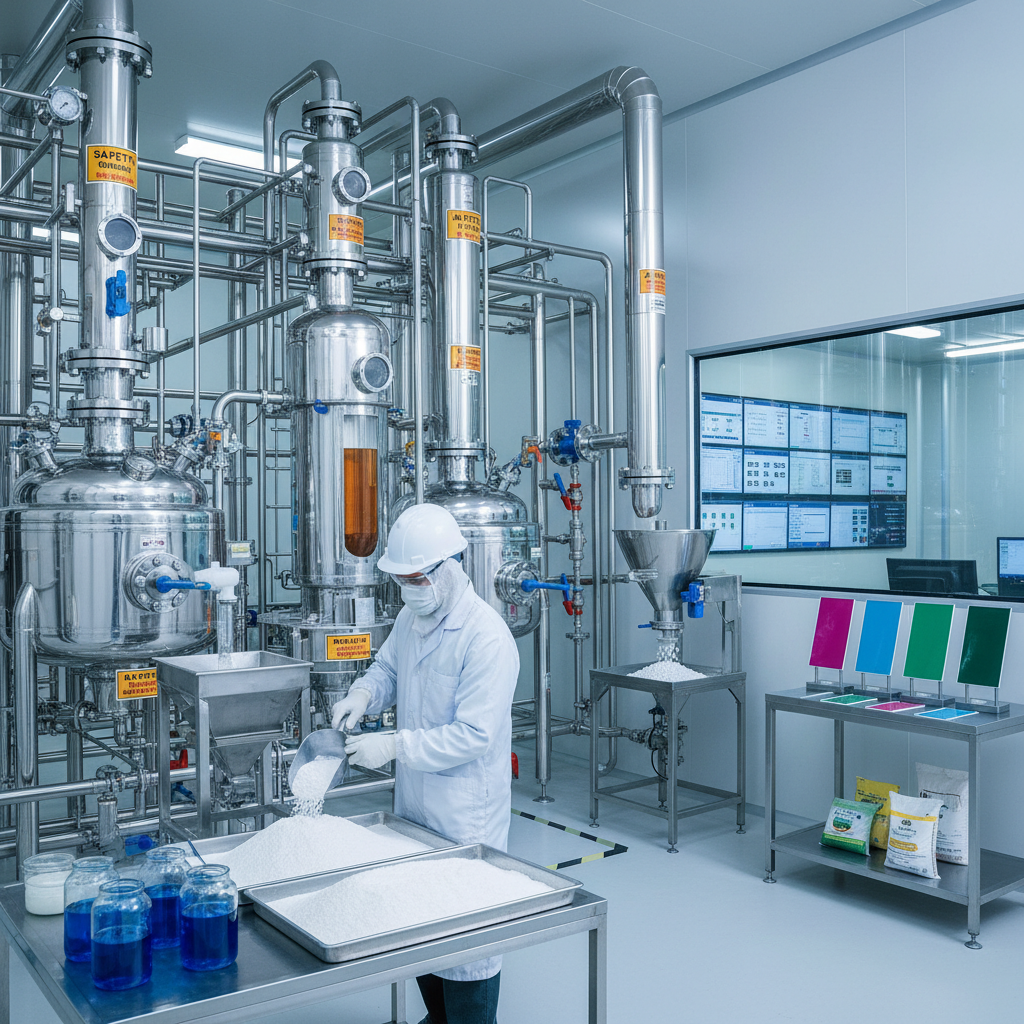 Poly Aluminium Chloride (PAC) is a highly effective inorganic polymer flocculant widely used in water and wastewater treatment. Its superior performance in removing suspended solids, turbidity, and color makes it a crucial component in various industrial and municipal applications. This article provides a detailed overview of PAC flocculant, its applications, advantages, and key considerations for optimal use. Understanding PAC flocculant’s properties is key to achieving efficient water purification. PAC works by neutralizing the negative charges of suspended particles in water, causing them to destabilize and aggregate into larger, settleable flocs. Unlike traditional aluminium sulfate (alum), PAC is effective over a broader pH range and requires lower dosages, leading to cost savings and reduced sludge volume. It exhibits excellent performance in cold water conditions where alum’s effectiveness diminishes. PAC finds widespread application in various sectors. Municipal water treatment plants utilize it for clarifying drinking water by removing turbidity and color. Wastewater treatment facilities employ PAC to remove suspended solids, phosphorus, and other pollutants before discharge. Industrial applications include paper mills (for retention and drainage), textile dyeing (for color removal), and oil refineries (for oil-water separation).Წაიკითხე მეტი
 -
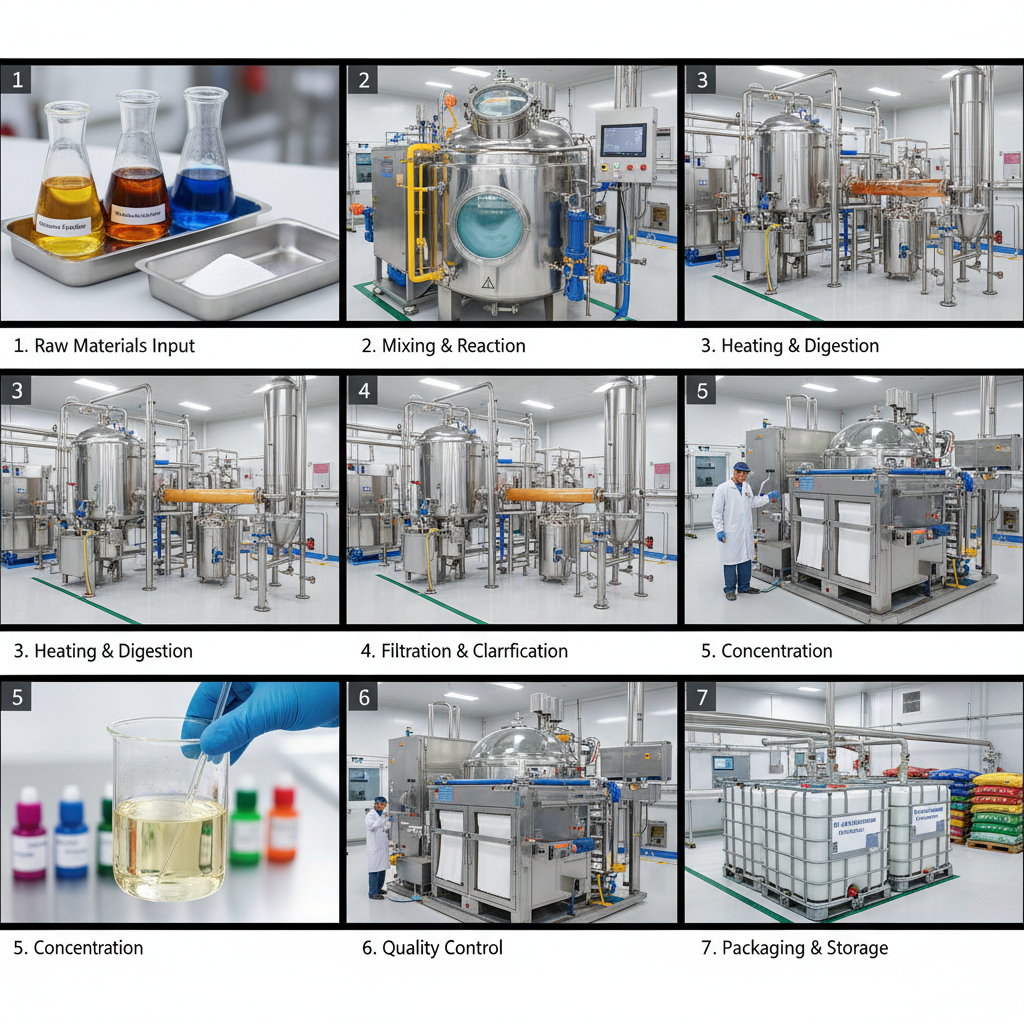 Poly aluminium chloride (PAC) solution is a highly effective coagulant widely used in water and wastewater treatment. Its versatility and efficiency make it a preferred choice for various industrial applications. This article provides an in-depth exploration of PAC solution, its applications, benefits, and considerations for optimal usage. Understanding the properties of poly aluminium chloride solution is essential for achieving efficient and cost-effective water purification. We’ll delve into its chemical composition, the factors influencing its performance, and its role in ensuring water safety. Poly aluminium chloride is a group of aluminium chlorides that have been through the process of polymerization. This process results in a higher charge density than traditional aluminium salts like alum, making PAC a more potent coagulant. It’s typically available as a liquid solution with varying aluminium content, expressed as Al2O3. PAC offers advantages such as working effectively over a wider pH range and producing less sludge compared to other coagulants. The chemical formula for PAC is [Al2(OH)nCl6-n]m, where ‘n’ and ‘m’ represent varying degrees of polymerization.Წაიკითხე მეტი
 -
 Are you searching for a reliable and efficient water treatment solution? Poly Aluminium Chloride (PAC) is a widely used coagulant in various industrial and municipal water treatment processes. This article will provide a detailed overview of jual poly aluminium chloride, its applications, benefits, and considerations when choosing a supplier. Understanding PAC and its proper application is crucial for achieving optimal water purification results. We’ll explore why LKP BTC is a trusted partner for all your PAC needs. Poly Aluminium Chloride is an inorganic polymer with the general formula [Al2(OH)nCl6-n]m. It's produced through the hydrolysis of aluminium chloride, resulting in a highly charged coagulant effective in removing suspended solids, turbidity, and color from water.Წაიკითხე მეტი
 -
 Effective water treatment is crucial for a wide range of industries and applications. Poly aluminium chloride (PAC) coagulant stands out as a highly effective solution for removing impurities and clarifying water. This article provides a detailed overview of PAC, its applications, benefits, and considerations for optimal use. Understanding the properties and applications of poly aluminium chloride coagulant is essential for professionals in water treatment, wastewater management, and related fields. Poly aluminium chloride is a type of inorganic polymer widely used as a coagulant in water and wastewater treatment. It is formed by the hydrolysis of aluminium chloride, resulting in a solution containing a variety of aluminium polymers with varying charge densities. This complex structure allows PAC to effectively neutralize the negative charges of suspended particles in water, promoting their coagulation and subsequent removal through sedimentation or filtration. Unlike traditional aluminium salts like alum, PAC exhibits excellent performance across a broader pH range and at lower temperatures.Წაიკითხე მეტი
 -
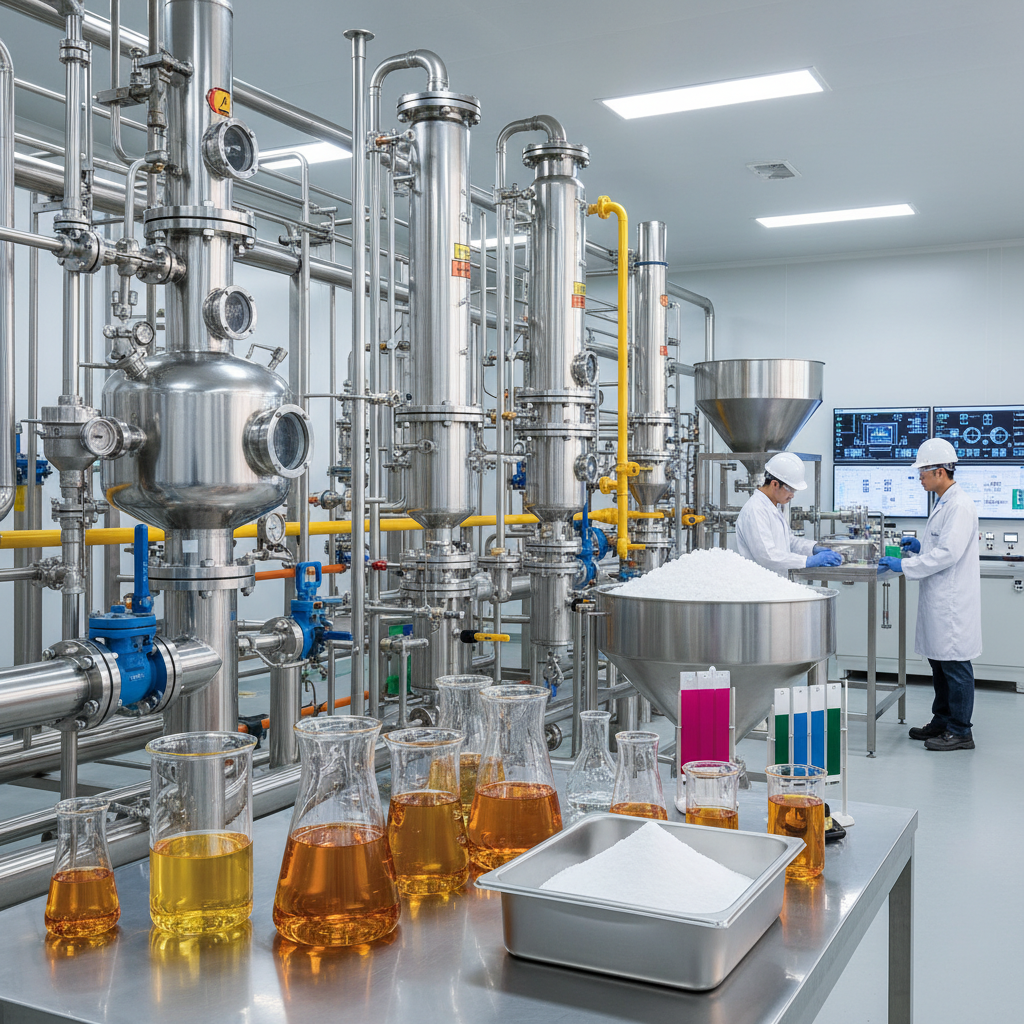 In water and wastewater treatment, achieving clarity and purity relies heavily on effective coagulation. Poly Aluminium Chloride (PAC) coagulant is a widely utilized solution, celebrated for its high efficiency and versatility. This article dives deep into the properties, applications, benefits, and considerations surrounding PAC, offering a thorough understanding for professionals and anyone involved in water treatment processes. Understanding the nuances of PAC can significantly improve treatment plant performance and water quality. Poly Aluminium Chloride is a highly effective inorganic polymer widely employed as a coagulant in water and wastewater treatment. It’s created through the partial neutralization of aluminium hydroxide with hydrochloric acid. This process generates a range of polymeric aluminium species with varying charge densities, making it exceptionally effective at destabilizing suspended particles in water. Unlike traditional alum, PAC functions effectively over a broader pH range, reducing the need for pH adjustments during treatment.Წაიკითხე მეტი
 -
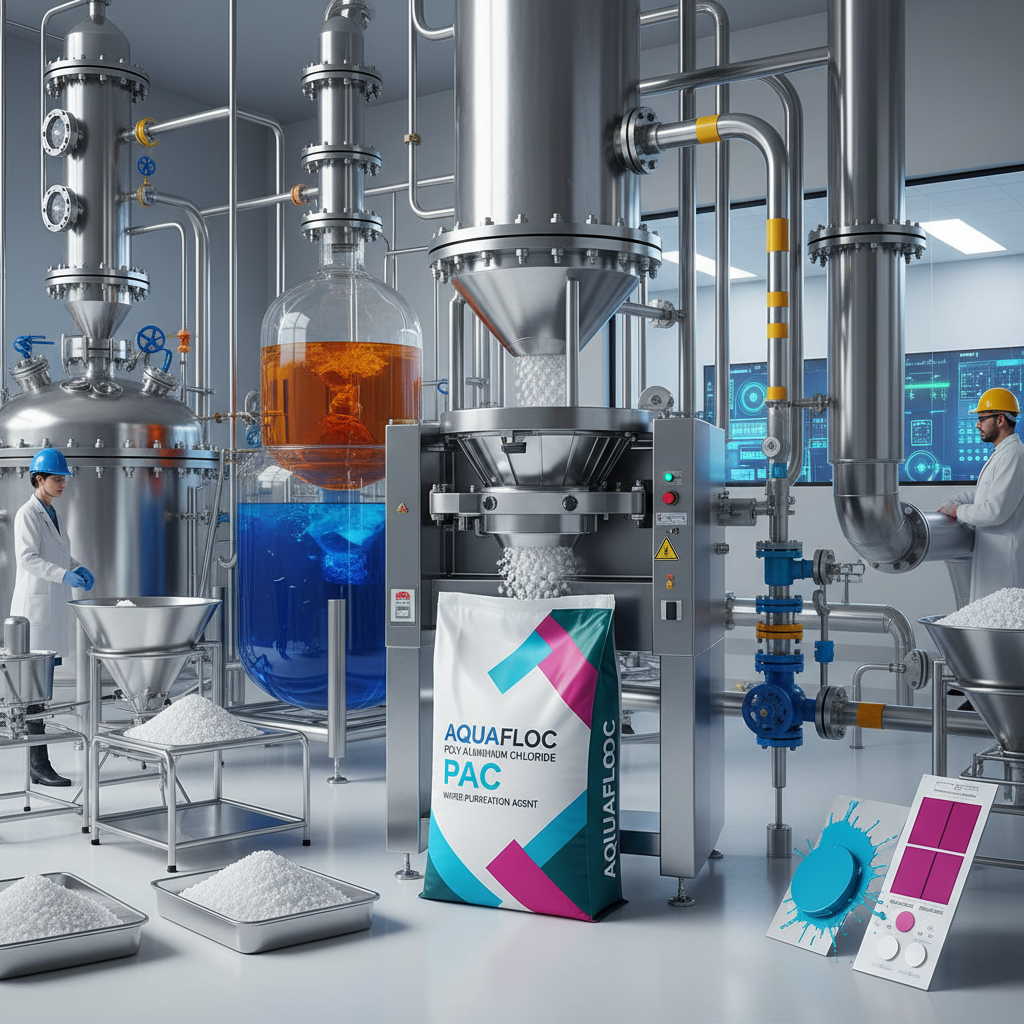 Poly Aluminium Chloride, often shortened to PAC, is a widely used coagulant in water treatment and industrial processes. Its effectiveness in removing impurities and reducing turbidity makes it a crucial component in ensuring water quality. This article will delve into the properties, applications, benefits, and factors to consider when sourcing PAC. Understanding PAC is essential for optimizing water purification and enhancing operational efficiency. We'll cover everything from its chemical composition to its crucial role in wastewater treatment. PAC is a highly effective inorganic polymer coagulant. It is produced by reacting aluminum hydroxide with hydrochloric acid. The resulting product is a clear, yellowish liquid containing a variety of aluminium polymers with varying basicities. Its high charge neutralization ability makes it superior to traditional coagulants like alum in many applications. PAC works by destabilizing negatively charged particles in water, causing them to clump together (coagulate) and settle out. The versatility and efficiency of PAC contribute to its widespread adoption across numerous industries.Წაიკითხე მეტი
 -
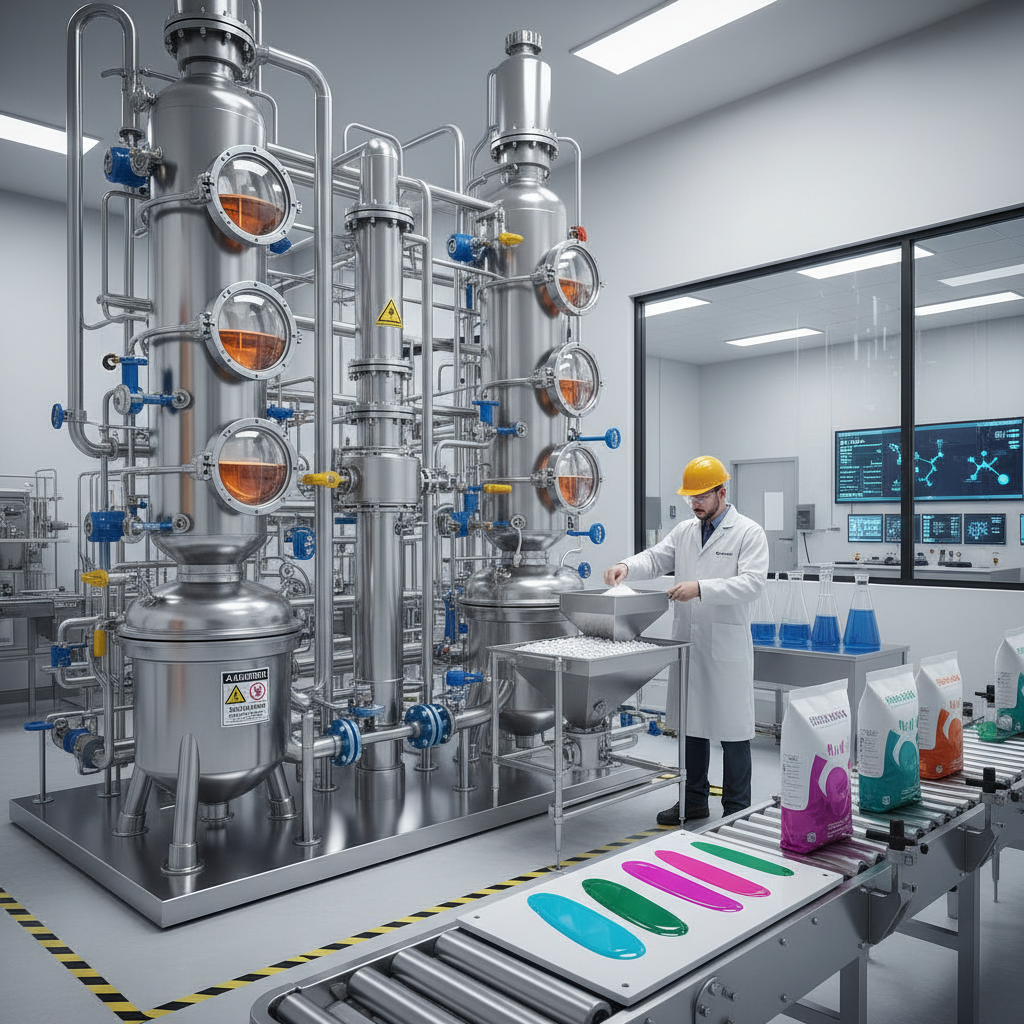 Aluminum chloride liquid is a versatile chemical compound with applications spanning numerous industries, from petrochemicals to pharmaceuticals. Understanding its properties, uses, and safety considerations is crucial for professionals working with this important substance. This article will provide a detailed overview of aluminum chloride liquid, its production, applications, handling procedures, and where to source high-quality products. For reliable supply and specifications, visit LKPBTC, a trusted supplier of industrial chemicals. It’s an important Lewis acid and is commonly produced by reacting aluminum metal with hydrochloric acid. The liquid form is often preferred for ease of handling and precise dosing in various chemical processes. It's hygroscopic, meaning it readily absorbs moisture from the air, and this reaction generates heat and hydrochloric acid fumes. LKPBTC ensures that our aluminum chloride liquid is carefully packaged to prevent moisture contamination during transit and storage. The versatility of aluminum chloride liquid drives its wide-ranging applications. A primary use is as a catalyst in Friedel-Crafts reactions, vital for the production of various organic chemicals, including pharmaceuticals, dyes, and polymers.Წაიკითხე მეტი
 -
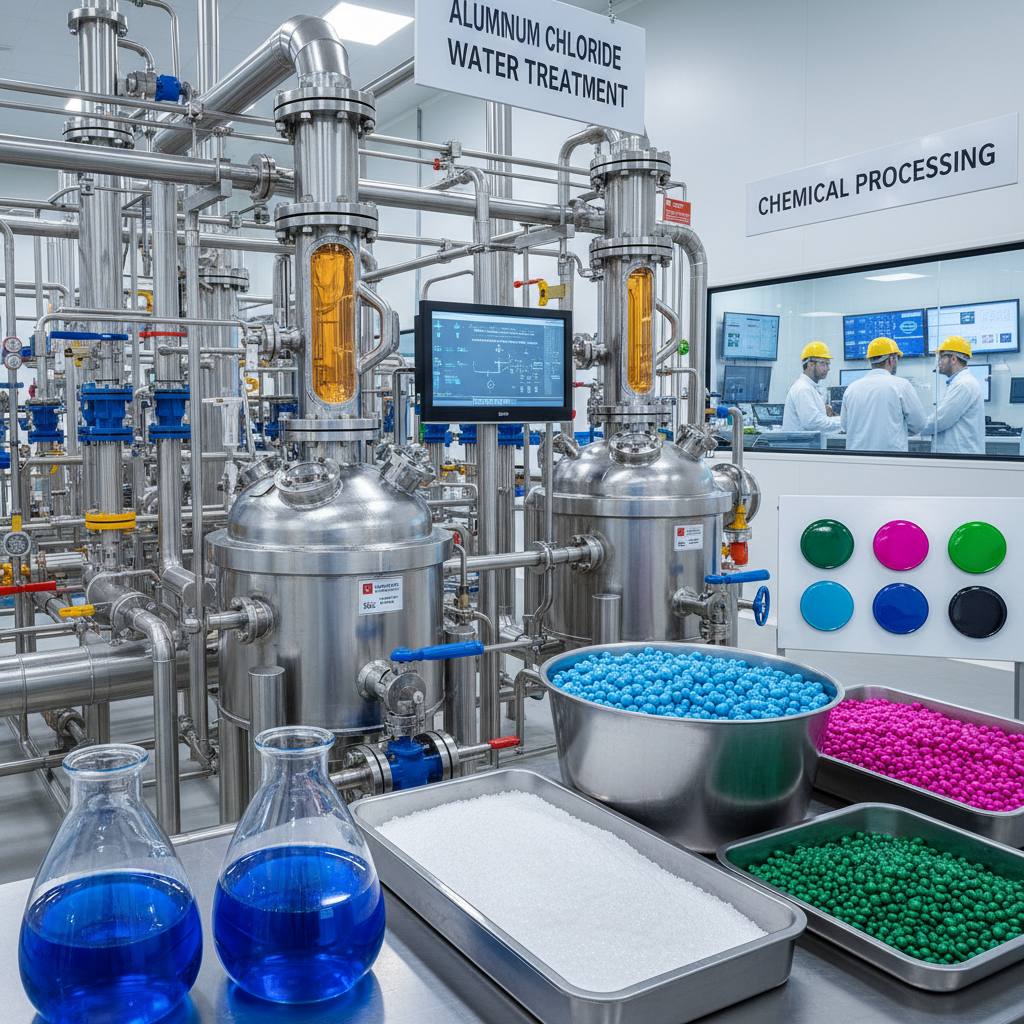 Effective water treatment is vital for numerous industrial processes and municipal water supplies. Aluminum chloride is a widely used coagulant in water treatment plants due to its efficiency and cost-effectiveness. This article explores the principles of aluminum chloride water treatment, its applications, advantages, and considerations for optimal implementation. Understanding these aspects is crucial for ensuring clean and safe water resources. We will delve into how aluminum chloride water treatment can significantly improve water quality. Aluminum chloride (AlCl₃) functions as a coagulant by neutralizing the negative charges of suspended particles in water. These particles, such as clay, silt, and organic matter, normally repel each other, preventing them from clumping together. When aluminum chloride is added, the aluminum ions (Al³⁺) neutralize these charges, allowing the particles to aggregate. This process, known as coagulation, forms larger, heavier flocs that can be easily removed through sedimentation or filtration. The resulting clarity and purity of the water make it suitable for various applications.Წაიკითხე მეტი
 -
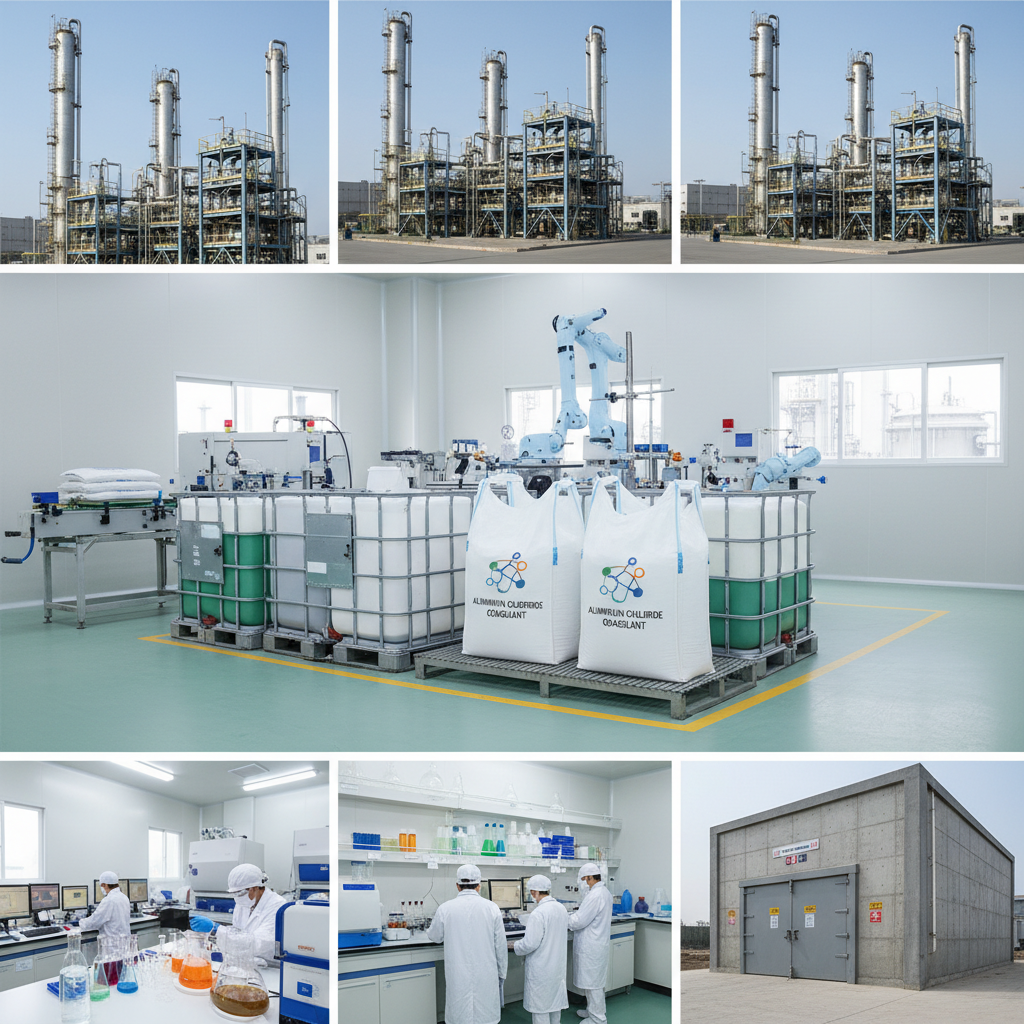 Aluminum chloride coagulant is a widely used chemical in water treatment and industrial processes for removing impurities and clarifying liquids. Its effectiveness stems from its ability to neutralize the charges of suspended particles, causing them to aggregate and settle. This article will explore the properties, applications, advantages, and considerations when utilizing aluminum chloride coagulant, offering a detailed overview for professionals and those involved in water and wastewater management. Choosing the right coagulant is crucial for efficient and cost-effective treatment. Aluminum chloride (AlCl₃) is an inorganic salt that exists as a white crystalline powder or in solution. As a coagulant, it functions by introducing positively charged aluminum ions into the water. These ions neutralize the negative charges on colloidal particles – like clay, silt, and organic matter – that cause turbidity. Neutralizing these charges allows the particles to clump together, forming larger, heavier flocs that settle out of the water. The specific formulation and concentration of the aluminum chloride are vital to optimal performance, depending on the characteristics of the water being treated.Წაიკითხე მეტი
 -
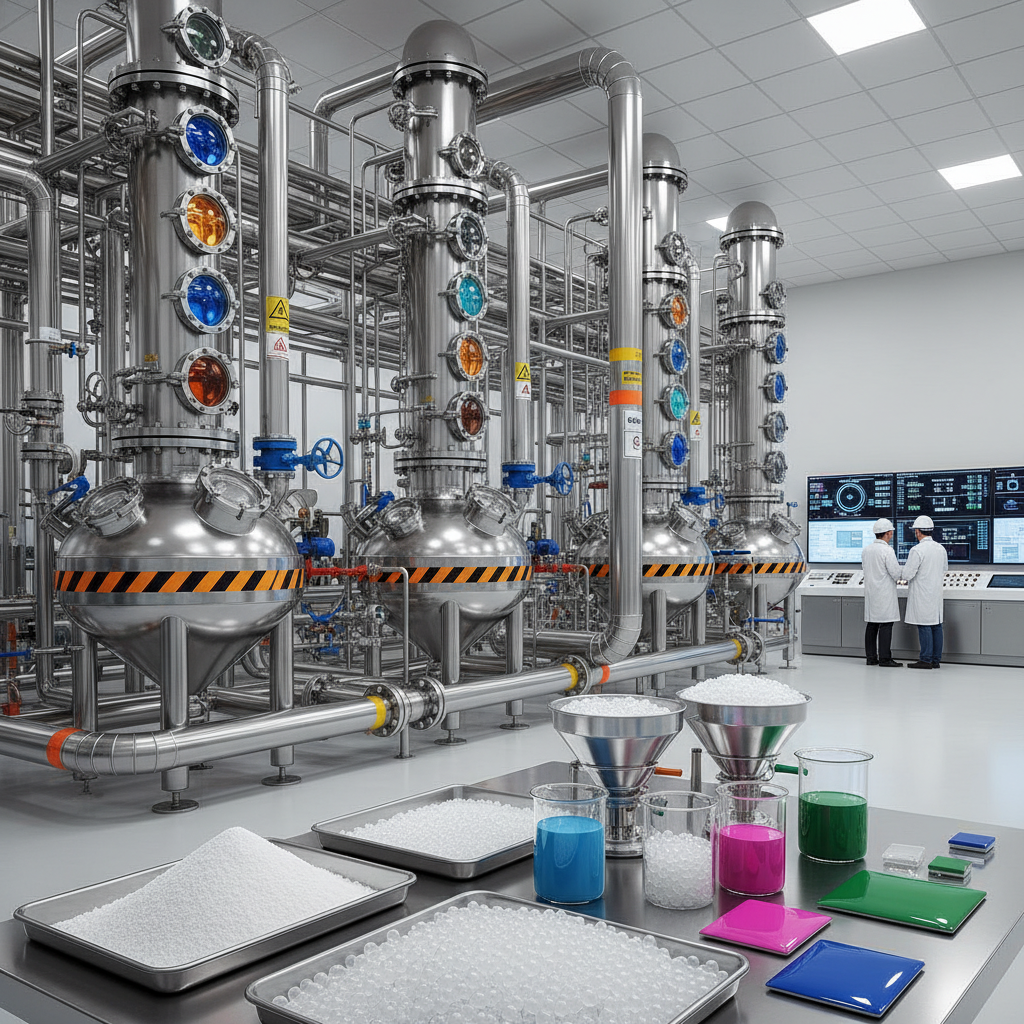 Aluminum chloride is a versatile chemical compound with a wide range of industrial applications. From acting as a catalyst in organic synthesis to being a key component in antiperspirants, its uses are diverse and crucial. This article provides an in-depth look at aluminum chloride products, exploring their types, applications, safety considerations, and the advantages of sourcing from a reputable supplier like LKPBTC. Understanding these compounds is vital for businesses relying on their unique properties. Aluminum chloride isn't just one single substance; it manifests in various forms, each possessing unique characteristics that lend themselves to specific applications. Anhydrous aluminum chloride (AlCl3) is the most common form, appearing as a white, crystalline solid. This form is highly reactive and serves as a powerful Lewis acid catalyst. Then there's basic aluminum chloride, which exists as hydrated forms, like aluminum chloride hexahydrate (AlCl3·6H2O). This form is typically found as granules or flakes and is more commonly used in water treatment processes.Წაიკითხე მეტი
უახლესი სიახლეები და ბლოგები
მეტის ნახვა -
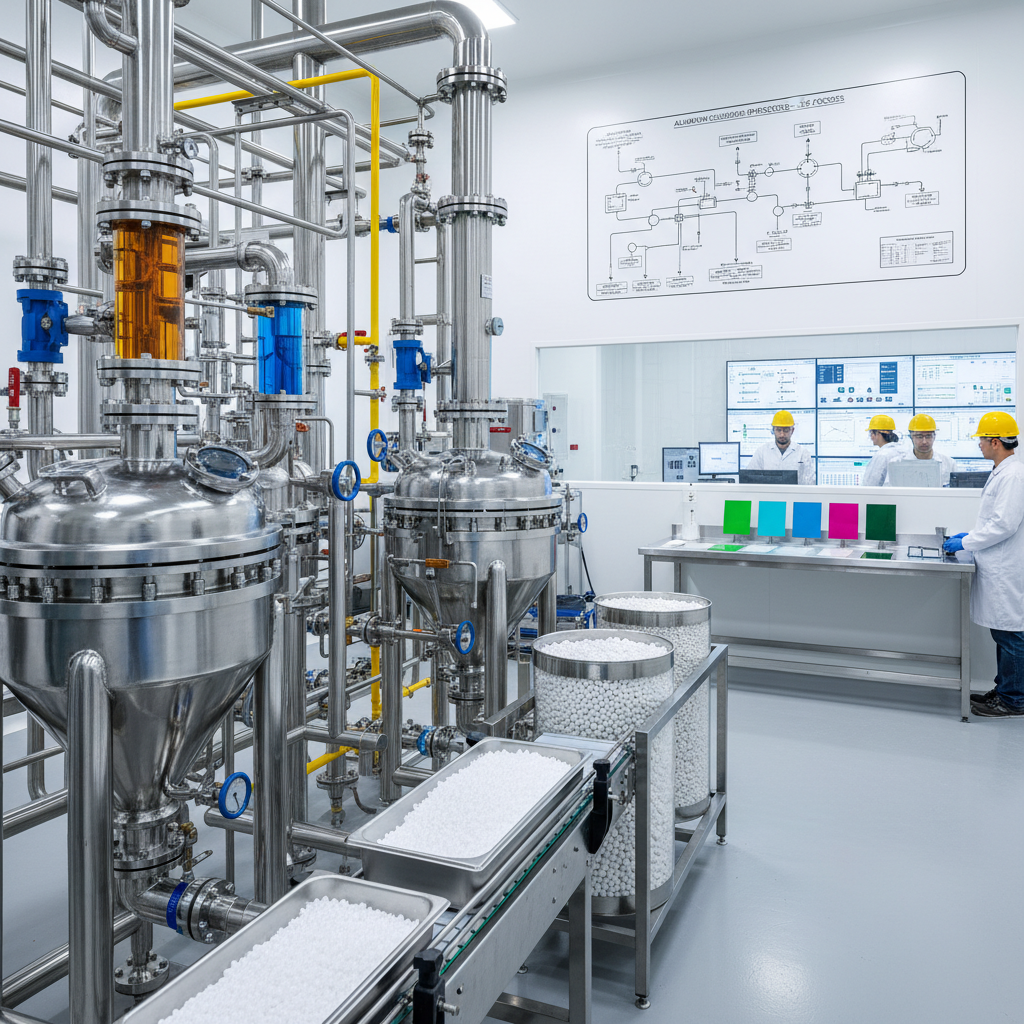 Comprehensive Analysis on Why Aluminum Chlorohydrate Safe for UseWhen exploring the ingredients of modern antiperspirants and water treatment chemicals, one common question arises: is aluminum chlorohydrate safe? This inorganic compound is widely utilized for its exceptional ability to reduce sweat and purify water, but its safety profile is often debated in consumer circles. Understanding the chemical nature and the regulatory stance on this ingredient is essential for manufacturers and consumers alike. In this guide, we will provide a professional, data-backed analysis of its safety, applications, and how it interacts with the human body to provide a clear answer to your safety concerns.წაიკითხე მეტი
 -
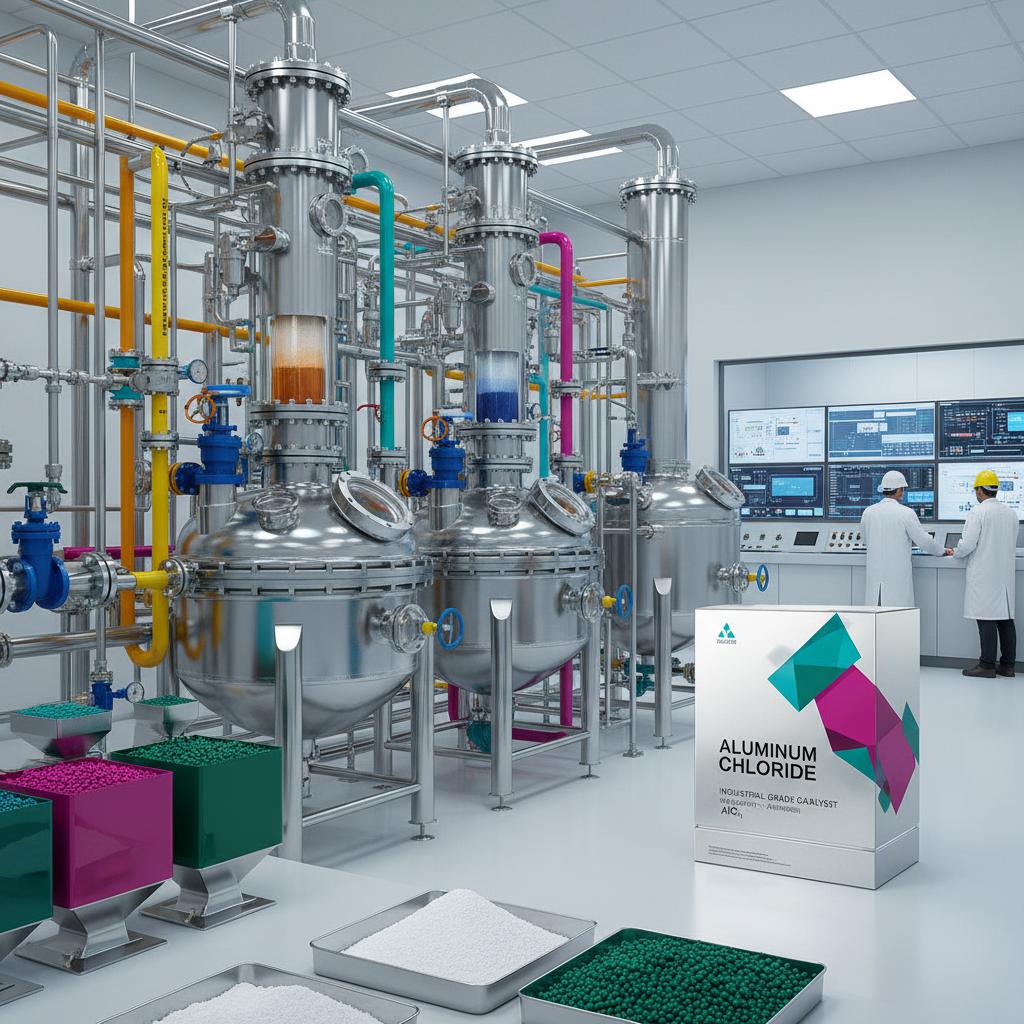 Industrial Applications and Guide to Chloride of AluminiumIn the realm of industrial chemistry and water treatment, chloride of aluminium serves as a cornerstone compound. Known for its exceptional coagulant properties, this versatile chemical is indispensable for purifying water, processing paper, and refining various textiles. Whether you are managing a large-scale wastewater facility or seeking high-purity chemical precursors for manufacturing, understanding the nuances of this compound is key to optimizing operational efficiency. In this guide, we will explore its chemical properties, various industrial grades, and why it remains a preferred choice for global engineers.წაიკითხე მეტი
 -
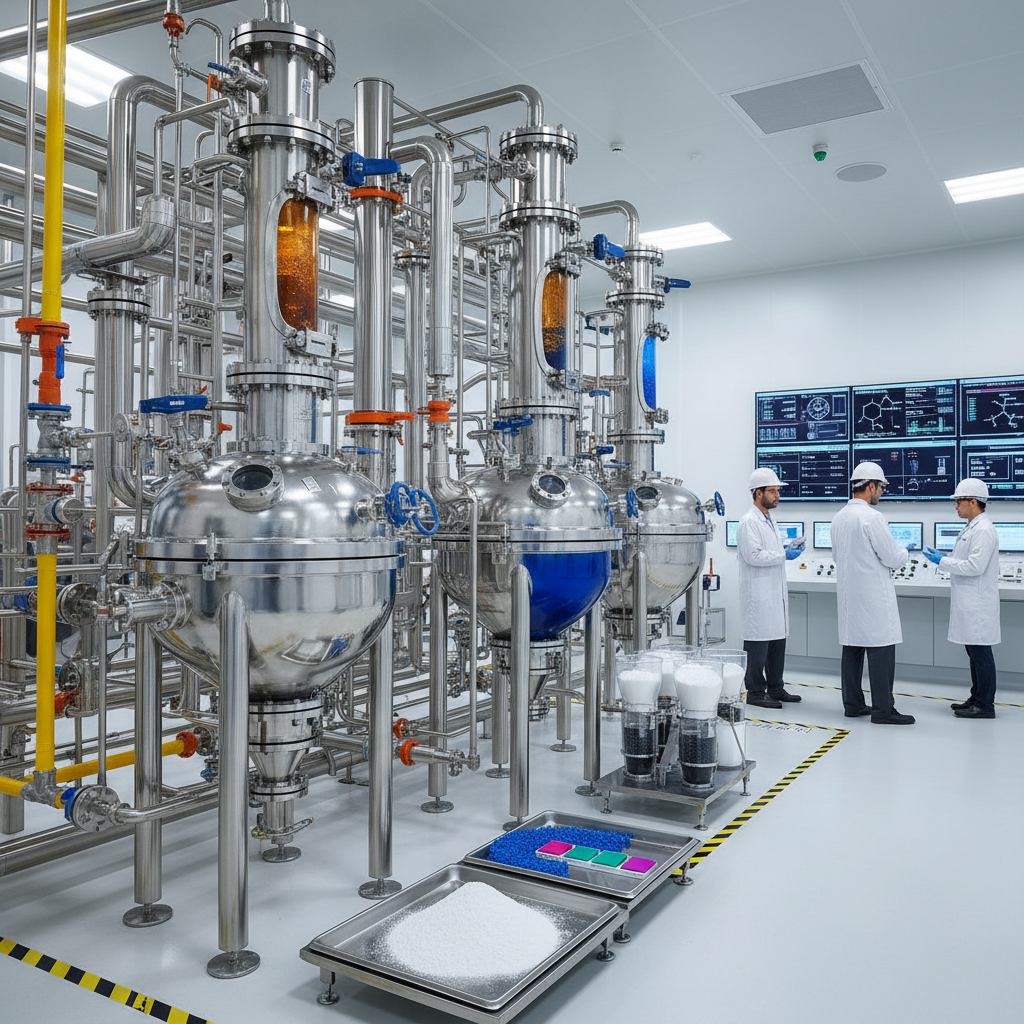 Exploring Aluminium Chloride Properties Applications and Sourcing InformationAluminium chloride (AlCl3) is a widely used chemical compound with diverse applications across various industries. From acting as a catalyst in organic chemistry to its role in antiperspirants, its versatility is undeniable. This article will delve into the properties of aluminium chloride, its key applications, considerations for handling, and how to source high-quality material. We'll also explore the different forms available and their specific uses, helping you understand whether you need anhydrous aluminium chloride or a different grade for your application.წაიკითხე მეტი
 -
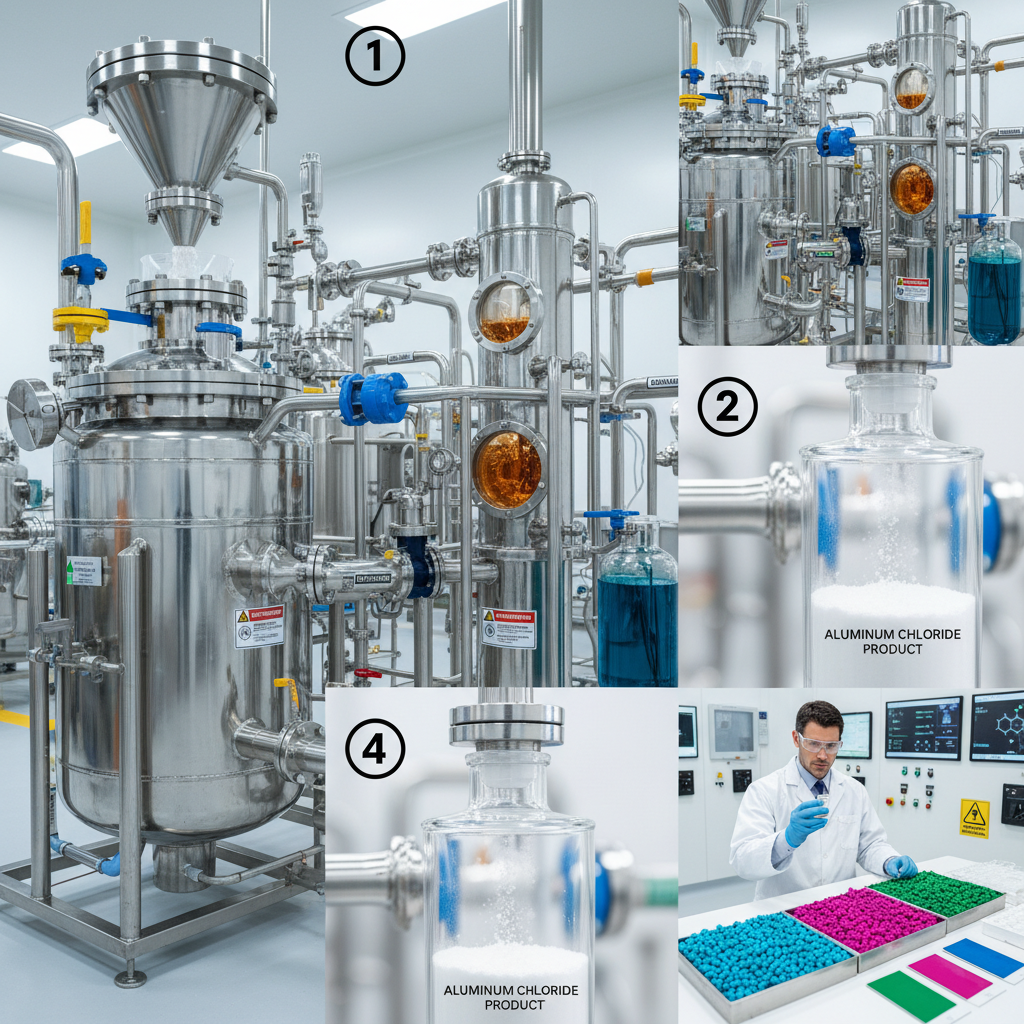 Comprehensive Guide to Chloride Aluminium Properties Applications and SourcingChloride aluminium (AlCl₃), a versatile inorganic compound, plays a critical role across various industrial sectors. From acting as a catalyst in organic synthesis to functioning as an antiperspirant, its applications are diverse. This article delves into the properties, manufacturing processes, key applications, and considerations when sourcing chloride aluminium, offering a comprehensive guide for professionals and businesses. Understanding its chemical behaviour is key to safe and effective implementation in diverse processes.წაიკითხე მეტი