



Comprehensive Guide to Aluminum Chloride Water Treatment and its Effective Applications
Aluminum Chloride Water Treatment: A Comprehensive Guide
Effective water treatment is vital for numerous industrial processes and municipal water supplies. Aluminum chloride is a widely used coagulant in water treatment plants due to its efficiency and cost-effectiveness. This article explores the principles of aluminum chloride water treatment, its applications, advantages, and considerations for optimal implementation. Understanding these aspects is crucial for ensuring clean and safe water resources. We will delve into how aluminum chloride water treatment can significantly improve water quality.
How Aluminum Chloride Works in Water Treatment
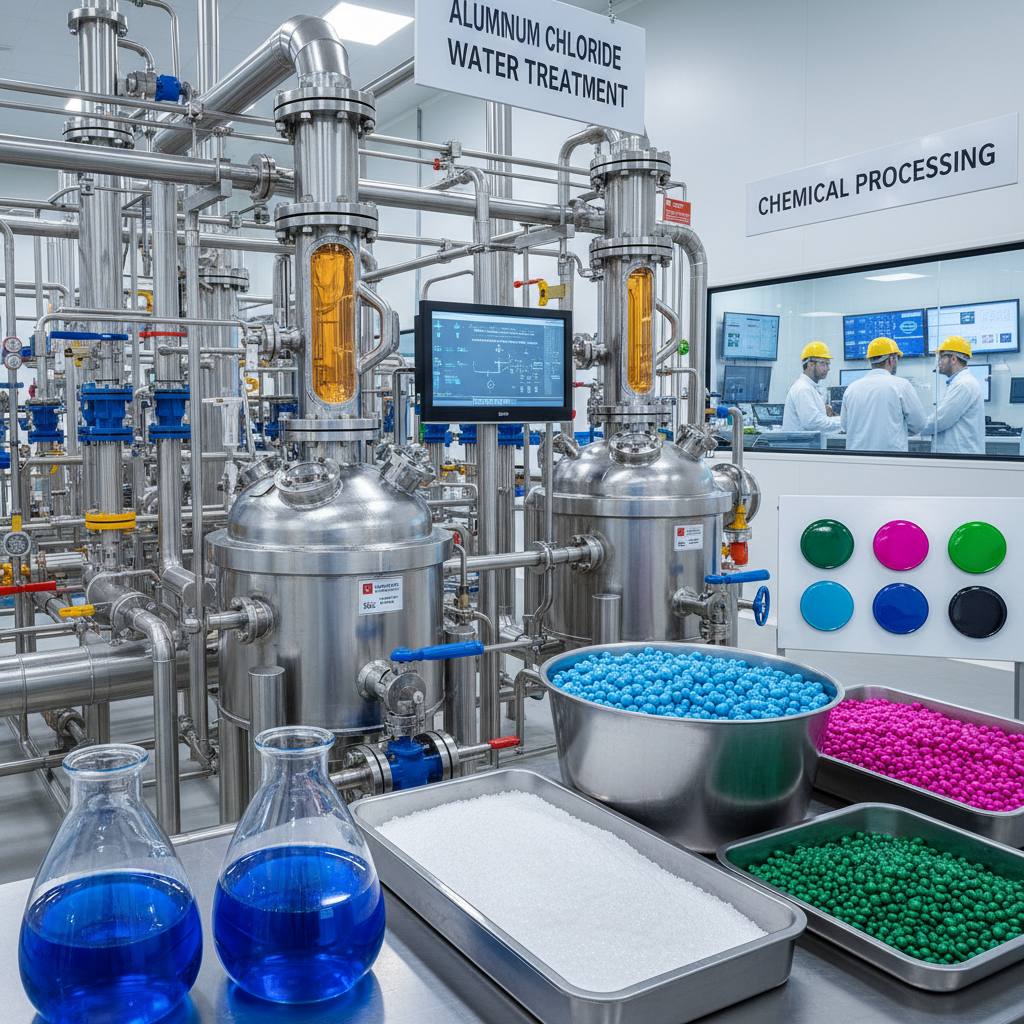
Aluminum chloride (AlCl₃) functions as a coagulant by neutralizing the negative charges of suspended particles in water. These particles, such as clay, silt, and organic matter, normally repel each other, preventing them from clumping together. When aluminum chloride is added, the aluminum ions (Al³⁺) neutralize these charges, allowing the particles to aggregate. This process, known as coagulation, forms larger, heavier flocs that can be easily removed through sedimentation or filtration. The resulting clarity and purity of the water make it suitable for various applications. LKPTBTC provides high-quality aluminum chloride for efficient water purification.
Key Highlights: Aluminum chloride neutralizes charges of suspended particles, enabling coagulation and floc formation, which are then removed by sedimentation or filtration.
Applications of Aluminum Chloride in Water Treatment
Aluminum chloride is versatile and employed in several water treatment scenarios. These include: Municipal Water Treatment: Removing turbidity and color from drinking water sources. Industrial Wastewater Treatment: Treating effluent from various industries, such as textile, paper, and food processing. Wastewater Clarification: Enhancing the efficiency of wastewater treatment plants. Color Removal: Eliminating unwanted color from water, improving aesthetic quality. Its effectiveness and relatively low cost make it a preferred choice for a wide range of applications.
Application Areas:
• Municipal drinking water treatment
• Industrial wastewater purification
• Wastewater clarification processes
• Color removal for improved water quality
Aluminum Chloride Water Treatment vs. Other Coagulants
While several coagulants are available, aluminum chloride offers distinct advantages. Compared to alum (aluminum sulfate), it generally requires a lower dosage and produces less sludge. Ferric chloride, another common coagulant, can sometimes impart a yellowish color to the treated water, which is not observed with aluminum chloride. Polyacrylamide, often used as a polymer aid, can be more expensive and requires careful dosage control. LKPTBTC's aluminum chloride consistently delivers superior performance at a competitive price.
Factors Affecting Aluminum Chloride Dosage and Performance
Optimal aluminum chloride dosage depends on several factors, including water temperature, pH, alkalinity, and the type and concentration of suspended particles. Lower water temperatures generally require higher dosages. The pH should be within the range of 5.5 to 7.5 for optimal coagulation. Alkalinity can affect the pH and therefore the efficiency of the process. Jar tests are crucial for determining the optimal dosage for specific water conditions. Regular monitoring and adjustment of the dosage are essential for maintaining effective treatment. Contact LKPTBTC for expert advice on dosage optimization.
Safety Considerations When Handling Aluminum Chloride
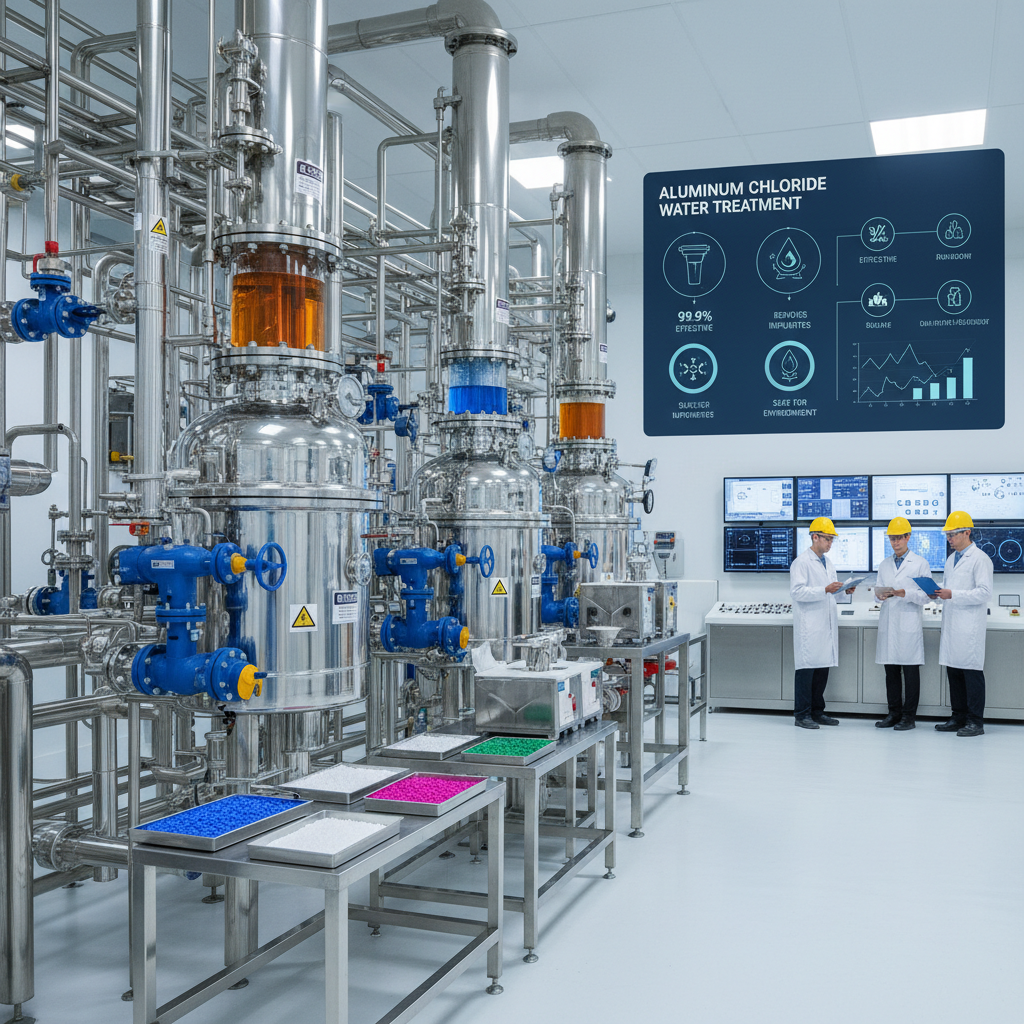
Aluminum chloride is a corrosive substance and should be handled with care. Always wear appropriate personal protective equipment (PPE), including gloves, safety glasses, and a respirator when handling the product. Avoid contact with skin and eyes. In case of contact, rinse thoroughly with water and seek medical attention. Store aluminum chloride in a cool, dry, and well-ventilated area, away from incompatible materials. Refer to the Safety Data Sheet (SDS) for detailed safety information. LKPTBTC provides comprehensive safety information and support.
Conclusion: Effective and Reliable Water Treatment with Aluminum Chloride
Aluminum chloride remains a cornerstone of effective water treatment, offering a cost-efficient and reliable solution for removing impurities and ensuring water quality. By understanding its mechanisms, applications, and safety precautions, industries and municipalities can optimize its use for sustainable water management. LKPTBTC is committed to providing high-quality aluminum chloride and expert support for all your water treatment needs.
Frequently Asked Questions (FAQs)
What is the optimal pH range for aluminum chloride coagulation?
The optimal pH range for aluminum chloride coagulation is generally between 5.5 and 7.5. Within this range, aluminum ions are most effective at neutralizing the negative charges of suspended particles. Outside of this range, coagulation efficiency decreases, and the formation of aluminum hydroxide precipitates can occur. Regular pH monitoring and adjustment are essential for maximizing the effectiveness of aluminum chloride treatment. The specific optimal pH may vary depending on the characteristics of the water being treated, such as alkalinity and temperature.
How do I determine the correct dosage of aluminum chloride?
Determining the correct dosage requires conducting jar tests. Jar tests involve adding varying doses of aluminum chloride to samples of the water to be treated and observing the formation of flocs. The optimal dosage is the one that produces the largest, most stable flocs within a reasonable timeframe. Factors like water temperature, pH, and alkalinity must be considered during jar testing. It's also important to monitor the treated water quality to ensure the dosage remains appropriate. Consult with a water treatment specialist for guidance.
What are the potential byproducts of aluminum chloride water treatment?
While aluminum chloride is generally safe, potential byproducts include residual aluminum in the treated water. However, this is typically maintained at low, acceptable levels by optimizing the dosage and treatment process. The formation of aluminum hydroxide precipitates can also occur if the pH is too high. Proper treatment and monitoring ensure that byproduct concentrations remain within regulatory limits and do not pose a health risk.
-
Comprehensive Analysis on Why Aluminum Chlorohydrate Safe for UseNewsApr.16,2026
-
Industrial Applications and Guide to Chloride of AluminiumNewsApr.09,2026
-
Exploring Aluminium Chloride Properties Applications and Sourcing InformationNewsApr.07,2026
-
Comprehensive Guide to Chloride Aluminium Properties Applications and SourcingNewsApr.04,2026
-
Understanding Aluminium Chloride Properties Applications and Sourcing DetailsNewsMar.31,2026
-
Understanding Aluminium Chloride Properties Applications and SourcingNewsMar.28,2026