



Industrial Applications and Guide to Chloride of Aluminium
The Essential Guide to Chloride of Aluminium in Industrial Applications
In the realm of industrial chemistry and water treatment, chloride of aluminium serves as a cornerstone compound. Known for its exceptional coagulant properties, this versatile chemical is indispensable for purifying water, processing paper, and refining various textiles. Whether you are managing a large-scale wastewater facility or seeking high-purity chemical precursors for manufacturing, understanding the nuances of this compound is key to optimizing operational efficiency. In this guide, we will explore its chemical properties, various industrial grades, and why it remains a preferred choice for global engineers.
Understanding the Chemical Nature of Chloride of Aluminium
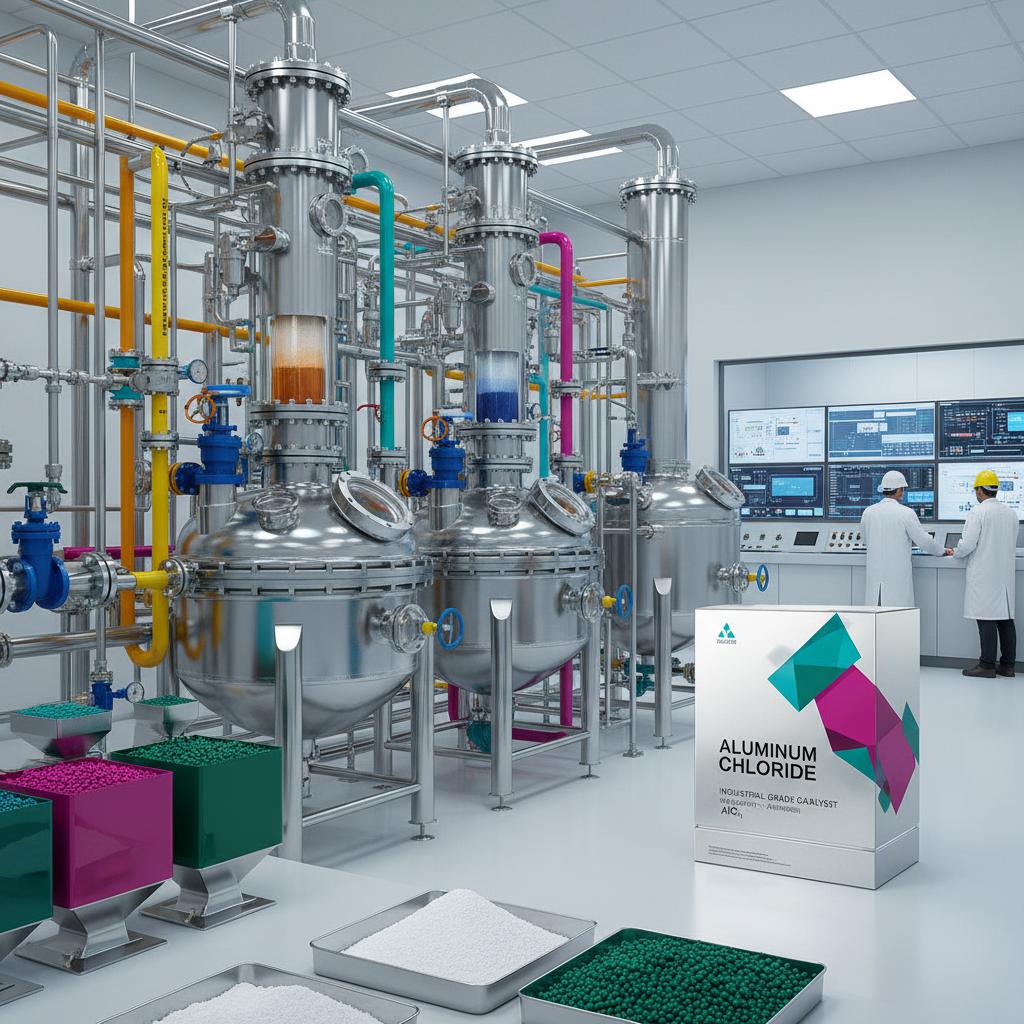
The chemical formula for chloride of aluminium, commonly referred to as aluminium chloride, typically exists in two forms: anhydrous and hydrated. Anhydrous aluminium chloride is a powerful Lewis acid, widely used as a catalyst in Friedel-Crafts reactions to create various organic compounds. On the other hand, the hydrated form is more frequently utilized in water treatment processes due to its ability to neutralize the negative charges on suspended particles, allowing them to clump together and be easily filtered out. This dual nature makes the compound a critical asset across both organic synthesis and environmental engineering.
Pro Tip: When handling anhydrous forms, strict moisture control is required, as the compound reacts violently with water to release hydrogen chloride gas.
Primary Industrial Applications of Chloride of Aluminium
The utility of chloride of aluminium spans multiple sectors. In municipal water treatment, it acts as a primary coagulant to remove turbidity and organic matter. In the paper industry, it is used for sizing and improving the strength of the paper fibers. Furthermore, it plays a vital role in the textile industry as a mordant, ensuring that dyes adhere more effectively to the fabric. Its ability to act as a catalyst also makes it essential in the production of ethylbenzene, a precursor to styrene. These diverse applications underscore the economic importance of high-purity aluminium salts in modern industry.
Comparing Grades of Chloride of Aluminium
Depending on the end-use, different grades of chloride of aluminium are required. While industrial grade is sufficient for water treatment, pharmaceutical and laboratory applications demand high-purity analytical grades. Choosing the wrong grade can lead to impurities in the final product or inefficiency in the chemical reaction. The following table provides a clear comparison between the most common industrial forms to help you make an informed procurement decision.
Technical Specifications of Chloride of Aluminium
To ensure consistency in industrial processes, strictly adhering to technical specifications is mandatory. The quality of chloride of aluminium is typically measured by its Al2O3 content and the level of trace impurities such as iron or heavy metals. For those operating in water treatment, the pH stability and the concentration of the solution are the most critical parameters for dosing accuracy. Below are the standard specifications for commercial-grade aluminium chloride solutions.
Safety and Handling Protocols for Aluminium Chloride
Due to its corrosive nature, the handling of chloride of aluminium requires stringent safety protocols. The compound can cause severe skin burns and eye damage upon contact. Workers should always wear appropriate Personal Protective Equipment (PPE), including acid-resistant gloves, safety goggles, and face shields. Proper ventilation is critical, especially when dealing with anhydrous forms that may release acidic fumes. Storage tanks should be constructed from corrosion-resistant materials such as FRP (Fiberglass Reinforced Plastic) or high-density polyethylene to prevent leaks and structural failure.
Conclusion: Optimizing Processes with High-Quality Aluminium Chloride
Whether used as a powerful catalyst in the lab or as a vital coagulant in water treatment, chloride of aluminium is a pillar of industrial chemistry. Its efficiency depends heavily on purity and correct application. By selecting the right grade and adhering to strict safety and handling guidelines, companies can significantly enhance their production quality and environmental compliance. For those seeking a reliable supplier of high-grade aluminium salts, partnering with an expert provider is the first step toward operational excellence.
Frequently Asked Questions (FAQs)
What is the main difference between anhydrous and hydrated chloride of aluminium?
The primary difference lies in their water content and resulting chemical behavior. Anhydrous aluminium chloride contains no water and is a very strong Lewis acid, making it ideal as a catalyst for organic synthesis (like Friedel-Crafts reactions). Hydrated aluminium chloride, often supplied as an aqueous solution, is a coagulant used mainly for water purification. While the anhydrous form is a volatile powder that reacts violently with moisture, the hydrated form is a stable liquid suitable for dosing in water treatment plants.
How does aluminium chloride work in water treatment?
In water treatment, chloride of aluminium works through a process called coagulation. Most impurities in water, such as clay and organic matter, are negatively charged, which causes them to repel each other and stay suspended. The aluminium ions (Al3+) from the chloride of aluminium neutralize these negative charges. This allows the particles to collide and stick together, forming larger "flocs" that can be easily removed by sedimentation or filtration, resulting in crystal-clear water.
Is chloride of aluminium corrosive to metals?
Yes, it is highly corrosive. Because it is an acidic salt, it can rapidly degrade many common metals, including carbon steel and certain grades of stainless steel. This is why it is imperative to use specialized storage and piping materials. We recommend using high-density polyethylene (HDPE), polypropylene (PP), or fiberglass-reinforced plastic (FRP) for all contact surfaces. Regular inspections of storage tanks and valves are necessary to prevent leaks that could lead to environmental hazards or equipment damage.
How should I store aluminium chloride to ensure a long shelf life?
For anhydrous aluminium chloride, the most critical factor is the total exclusion of moisture; it must be stored in hermetically sealed containers in a cool, dry, well-ventilated area. For the hydrated solution form, it should be stored in acid-resistant tanks away from strong bases and oxidizing agents. Ensuring the storage area is temperature-controlled can prevent precipitation of the salt in cold weather. Always label containers clearly and keep them in a secondary containment area to manage potential spills effectively.
-
Comprehensive Analysis on Why Aluminum Chlorohydrate Safe for UseNewsApr.16,2026
-
Industrial Applications and Guide to Chloride of AluminiumNewsApr.09,2026
-
Exploring Aluminium Chloride Properties Applications and Sourcing InformationNewsApr.07,2026
-
Comprehensive Guide to Chloride Aluminium Properties Applications and SourcingNewsApr.04,2026
-
Understanding Aluminium Chloride Properties Applications and Sourcing DetailsNewsMar.31,2026
-
Understanding Aluminium Chloride Properties Applications and SourcingNewsMar.28,2026