


Understanding Aluminium Chloride Properties Applications and Sourcing Details
Understanding Aluminium Chloride: Properties, Applications & Sourcing
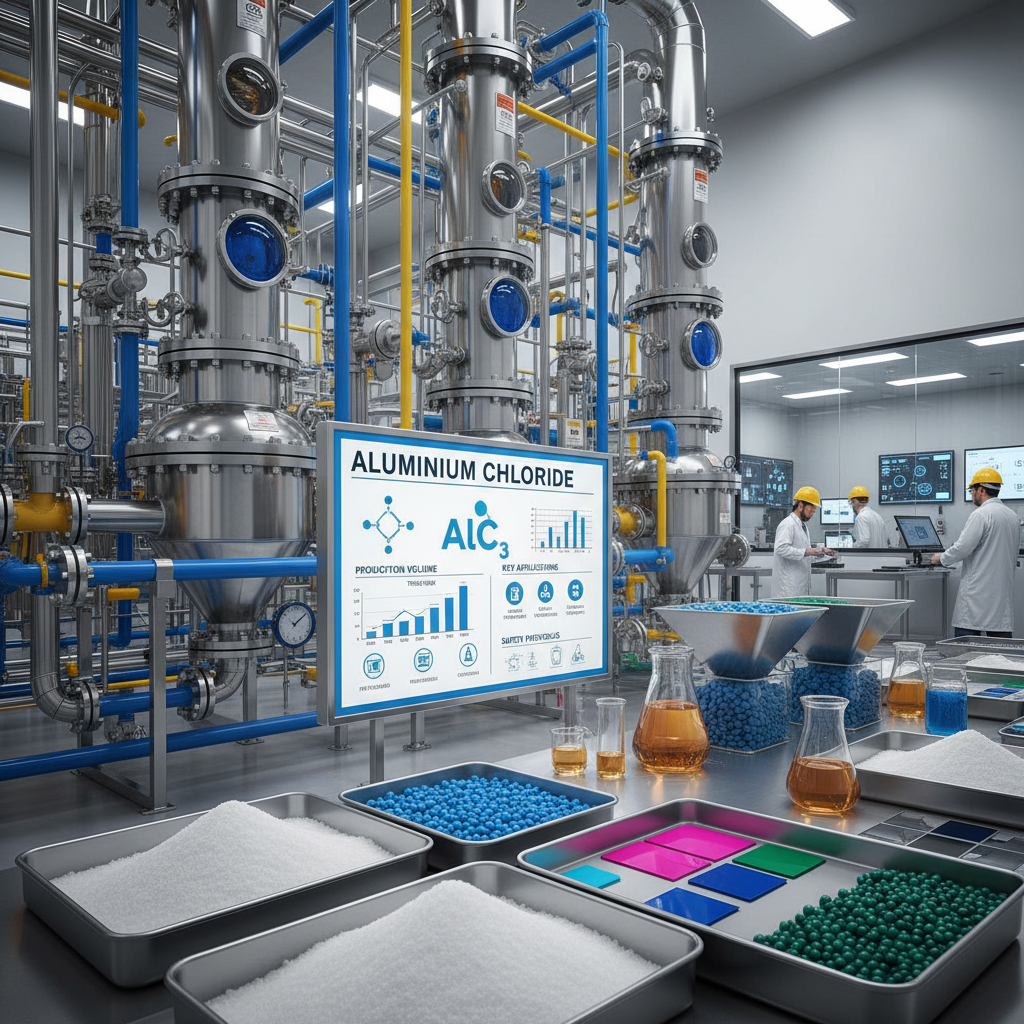
Aluminium chloride (AlCl₃) is a crucial chemical compound with a broad spectrum of industrial applications. From acting as a catalyst in organic synthesis to being a key component in antiperspirants, its versatility is remarkable. This article delves into the properties of aluminium chloride, its various uses, safety considerations, and how to source a reliable supplier like LKPBTC. Choosing the right grade and supplier is essential for optimal performance in your specific application.
The Chemical Properties of Aluminium Chloride
Aluminium chloride exists in several forms, but the most common is anhydrous aluminium chloride, a white crystalline solid. It’s highly reactive with water, releasing heat and forming hydrochloric acid and aluminium hydroxide. This reactivity makes it an effective Lewis acid catalyst. It’s also soluble in various organic solvents, broadening its utility in chemical reactions. The compound exhibits a sublimation temperature around 178 °C, which is useful for purification processes. Understanding these properties is vital for safe handling and effective application. The high reactivity is a key factor in its catalytic abilities.
Key Highlights: Highly reactive with water, forming hydrochloric acid and aluminium hydroxide. A potent Lewis acid catalyst, soluble in organic solvents, and exhibits sublimation at 178 °C.
Diverse Applications of Aluminium Chloride
The applications of aluminium chloride are extensive. In the chemical industry, it serves as a catalyst for Friedel-Crafts alkylation and acylation reactions, crucial in the production of various organic compounds. It’s a key ingredient in antiperspirants, where it forms a temporary plug in sweat ducts. Aluminium chloride is also used in the production of dyes, pharmaceuticals, and even as a clarifying agent in water treatment. Furthermore, it finds application in the petroleum industry for cracking hydrocarbons.
Application Benefits:
• Catalyst in organic synthesis (Friedel-Crafts reactions)
• Active ingredient in antiperspirants
• Clarifying agent in water purification
• Used in dye and pharmaceutical production
Aluminium Chloride Grades and Purity Levels
Aluminium chloride isn’t a one-size-fits-all product. Different grades are available based on purity and intended application. Industrial grade is typically 98% pure and used for general applications. Pharmaceutical grade requires higher purity levels, often exceeding 99%, and undergoes stringent quality control. Reagent grade is suitable for laboratory use and demands exceptional purity. LKPBTC offers a range of grades to meet diverse client needs.
Safety Considerations When Handling Aluminium Chloride
Handling aluminium chloride requires strict adherence to safety protocols. It’s corrosive and reacts violently with water, releasing hydrochloric acid fumes. Always wear appropriate personal protective equipment (PPE), including gloves, safety glasses, and a respirator when handling the compound. Ensure adequate ventilation in the work area. Avoid contact with skin and eyes. In case of contact, immediately flush with plenty of water and seek medical attention. Store in a tightly closed container in a cool, dry place away from moisture.
Sourcing Aluminium Chloride: Why Choose LKPBTC?
Choosing a reliable supplier is paramount when sourcing aluminium chloride. LKPBTC offers high-quality aluminium chloride in various grades, coupled with competitive pricing and exceptional customer service. We prioritize stringent quality control measures to ensure our products meet the highest industry standards. Our efficient logistics network guarantees timely and secure delivery. Partner with LKPBTC for a reliable and consistent supply of this critical chemical compound.
Conclusion: Your Trusted Partner for Aluminium Chloride
By choosing LKPBTC as your supplier, you gain access to high-quality aluminium chloride, competitive pricing, and reliable service. We are committed to meeting your specific requirements and ensuring your operational success. Contact us today to discuss your needs.
Frequently Asked Questions (FAQs)
What are the main hazards associated with aluminium chloride?
Aluminium chloride is a corrosive substance that reacts violently with water, releasing heat and hydrochloric acid fumes. Exposure can cause severe burns to skin and eyes, and inhalation of the fumes can damage the respiratory system. Always handle with appropriate personal protective equipment (PPE) and ensure adequate ventilation. Proper storage away from moisture is also crucial to prevent accidental reactions. It's important to consult the Safety Data Sheet (SDS) for detailed hazard information and safety precautions.
Can aluminium chloride be used in applications involving food contact?
Generally, aluminium chloride is not approved for direct food contact applications. While it may be used in processes that indirectly impact food production, such as water treatment, its direct addition to food is typically prohibited due to potential toxicity concerns. Always refer to relevant food safety regulations and standards to ensure compliance. Using a food-grade alternative is recommended for any application involving direct contact with food.
What is the shelf life of aluminium chloride?
The shelf life of aluminium chloride depends on storage conditions. When stored in a tightly closed container in a cool, dry place, protected from moisture and direct sunlight, it can maintain its quality for several years. However, exposure to moisture will cause it to degrade and release hydrochloric acid. Always check the product packaging for the manufacturer’s recommended storage conditions and expiration date.
What packaging options does LKPBTC offer for aluminium chloride?
LKPBTC offers aluminium chloride in a variety of packaging options to meet diverse customer needs, including 25kg bags, 50kg bags, and 1000kg jumbo bags. We also offer customized packaging solutions upon request. Our packaging is designed to ensure the product’s integrity during transportation and storage, preventing moisture ingress and contamination.
-
Comprehensive Analysis on Why Aluminum Chlorohydrate Safe for UseNewsApr.16,2026
-
Industrial Applications and Guide to Chloride of AluminiumNewsApr.09,2026
-
Exploring Aluminium Chloride Properties Applications and Sourcing InformationNewsApr.07,2026
-
Comprehensive Guide to Chloride Aluminium Properties Applications and SourcingNewsApr.04,2026
-
Understanding Aluminium Chloride Properties Applications and Sourcing DetailsNewsMar.31,2026
-
Understanding Aluminium Chloride Properties Applications and SourcingNewsMar.28,2026