



Exploring Aluminium Chloride Properties Applications and Sourcing Information
Understanding Aluminium Chloride: Properties, Applications and Sourcing
Aluminium chloride (AlCl3) is a widely used chemical compound with diverse applications across various industries. From acting as a catalyst in organic chemistry to its role in antiperspirants, its versatility is undeniable. This article will delve into the properties of aluminium chloride, its key applications, considerations for handling, and how to source high-quality material. We'll also explore the different forms available and their specific uses, helping you understand whether you need anhydrous aluminium chloride or a different grade for your application.

Chemical Properties of Aluminium Chloride
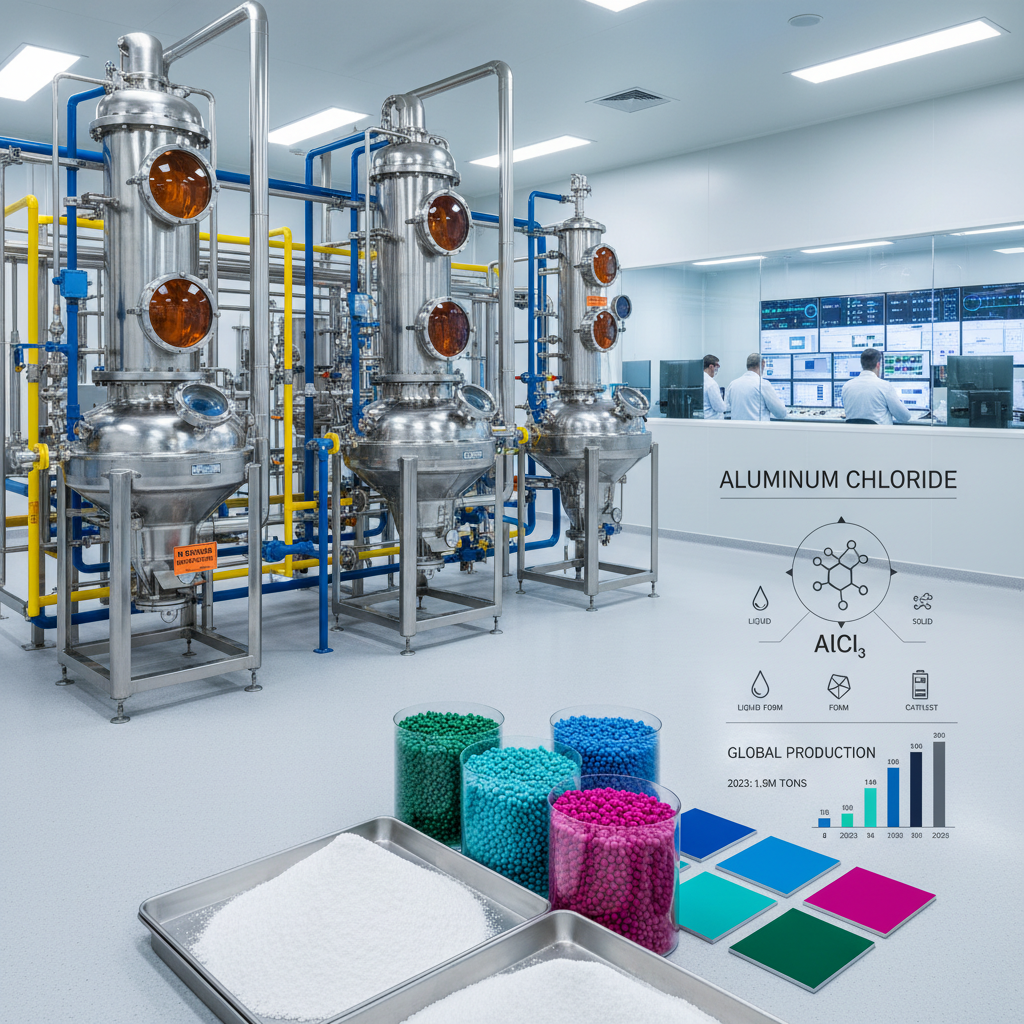
Aluminium chloride exists in various forms, the most common being anhydrous (AlCl3) and hexahydrate (AlCl3·6H2O). Anhydrous aluminium chloride is a white, crystalline solid that readily reacts with water, releasing heat and forming hydrochloric acid. This reactivity is a key aspect of its catalytic properties. The hexahydrate form is a soluble solid, often used in applications where a water-based solution is required. Aluminium chloride is a Lewis acid, meaning it accepts electron pairs, which explains its catalytic activity in Friedel-Crafts reactions. It’s crucial to store aluminium chloride in airtight containers to prevent moisture absorption and maintain its purity.
Key Highlights: Aluminium chloride’s Lewis acidity and reactivity with water are pivotal to its diverse applications. Proper storage is vital to maintain its integrity.
Key Applications of Aluminium Chloride
The applications of aluminium chloride are extensive. In organic chemistry, it serves as a catalyst in Friedel-Crafts alkylation and acylation reactions, crucial for synthesizing a wide array of organic compounds. It’s a key ingredient in many antiperspirants, working to reduce sweating by forming a temporary plug in sweat ducts. Furthermore, it's used in the production of aluminium metal, as a mordant in dyeing textiles, and in the petroleum industry for cracking hydrocarbons. Its ability to coagulate impurities makes it valuable in water purification processes. The versatility of aluminium chloride ensures consistent demand across diverse sectors.
Application Benefits:
• Catalyst in organic synthesis
• Active ingredient in antiperspirants
• Used in aluminium metal production
• Water purification and textile dyeing
Anhydrous vs. Hexahydrate Aluminium Chloride: A Comparison
Choosing between anhydrous and hexahydrate aluminium chloride depends on your specific application. Anhydrous form is preferred when a completely water-free environment is required, such as in certain catalytic reactions. The hexahydrate form is easier to handle and dissolve in water, making it suitable for applications like water treatment or as an ingredient in solutions. The reactivity of anhydrous aluminium chloride requires careful handling and storage.
Sourcing High-Quality Aluminium Chloride
When sourcing aluminium chloride, it’s critical to choose a reputable supplier to ensure product purity and consistency. LKPBTC provides high-quality aluminium chloride in various grades and quantities, meeting stringent industry standards. We offer both anhydrous and hexahydrate forms, with detailed specifications and comprehensive support. Look for suppliers who provide Certificates of Analysis (COA) to verify the purity and composition of the material. Consider packaging, shipping, and lead times when making your selection.
Safety Considerations When Handling Aluminium Chloride
Aluminium chloride is corrosive and can cause burns upon contact with skin or eyes. Always wear appropriate personal protective equipment (PPE), including gloves, safety glasses, and a lab coat. Avoid inhaling dust or fumes, and work in a well-ventilated area. In case of contact, immediately flush the affected area with plenty of water and seek medical attention. Store aluminium chloride in a cool, dry place, away from incompatible materials such as strong bases and oxidizers. Refer to the Safety Data Sheet (SDS) for detailed safety information.
Conclusion: A Versatile Chemical with Broad Applications
Aluminium chloride remains a vital chemical compound across many industries. Understanding its properties, forms, and safety considerations are paramount for its effective and responsible use. LKPBTC is committed to providing high-quality aluminium chloride and expert support to meet your specific needs.
Frequently Asked Questions (FAQs)
What are the main hazards associated with aluminium chloride?
Aluminium chloride is corrosive and can cause severe skin and eye burns. It's also irritating to the respiratory system. Reacting with water releases heat and hydrochloric acid fumes, posing an additional hazard. Proper PPE, including gloves, safety glasses, and a respirator if handling powder form, is essential. Always work in a well-ventilated area and follow the safety guidelines outlined in the Safety Data Sheet (SDS). Immediate medical attention is crucial in case of contact.
How should aluminium chloride be stored to maintain its quality?
Aluminium chloride should be stored in a cool, dry, and well-ventilated area, away from direct sunlight and incompatible materials like strong bases and oxidizers. It's crucial to keep the containers tightly sealed to prevent moisture absorption, which can degrade the product and release hydrochloric acid. Anhydrous aluminium chloride is particularly sensitive to moisture and requires especially careful storage.
Can aluminium chloride be used in cosmetics?
Yes, aluminium chloride is commonly used as the active ingredient in antiperspirants. It works by forming a gel-like plug in sweat ducts, reducing perspiration. However, its use in cosmetics is regulated, and concentrations are carefully controlled to ensure safety. The concentration used in antiperspirants is generally considered safe for topical application, but individuals with sensitive skin may experience irritation.
Where can I find a Certificate of Analysis (COA) for LKPBTC's aluminium chloride?
Certificates of Analysis (COA) for all our aluminium chloride products are readily available upon request. When you contact our sales team, simply request the COA for the specific grade and batch you are interested in. The COA provides detailed information about the product's purity, composition, and adherence to quality standards.
-
Comprehensive Analysis on Why Aluminum Chlorohydrate Safe for UseNewsApr.16,2026
-
Industrial Applications and Guide to Chloride of AluminiumNewsApr.09,2026
-
Exploring Aluminium Chloride Properties Applications and Sourcing InformationNewsApr.07,2026
-
Comprehensive Guide to Chloride Aluminium Properties Applications and SourcingNewsApr.04,2026
-
Understanding Aluminium Chloride Properties Applications and Sourcing DetailsNewsMar.31,2026
-
Understanding Aluminium Chloride Properties Applications and SourcingNewsMar.28,2026