


Comprehensive Guide to Chloride Aluminium Properties Applications and Sourcing
Understanding Chloride Aluminium: Properties, Applications & Sourcing
Chloride aluminium (AlCl₃), a versatile inorganic compound, plays a critical role across various industrial sectors. From acting as a catalyst in organic synthesis to functioning as an antiperspirant, its applications are diverse. This article delves into the properties, manufacturing processes, key applications, and considerations when sourcing chloride aluminium, offering a comprehensive guide for professionals and businesses. Understanding its chemical behaviour is key to safe and effective implementation in diverse processes.
Chemical and Physical Properties of Chloride Aluminium
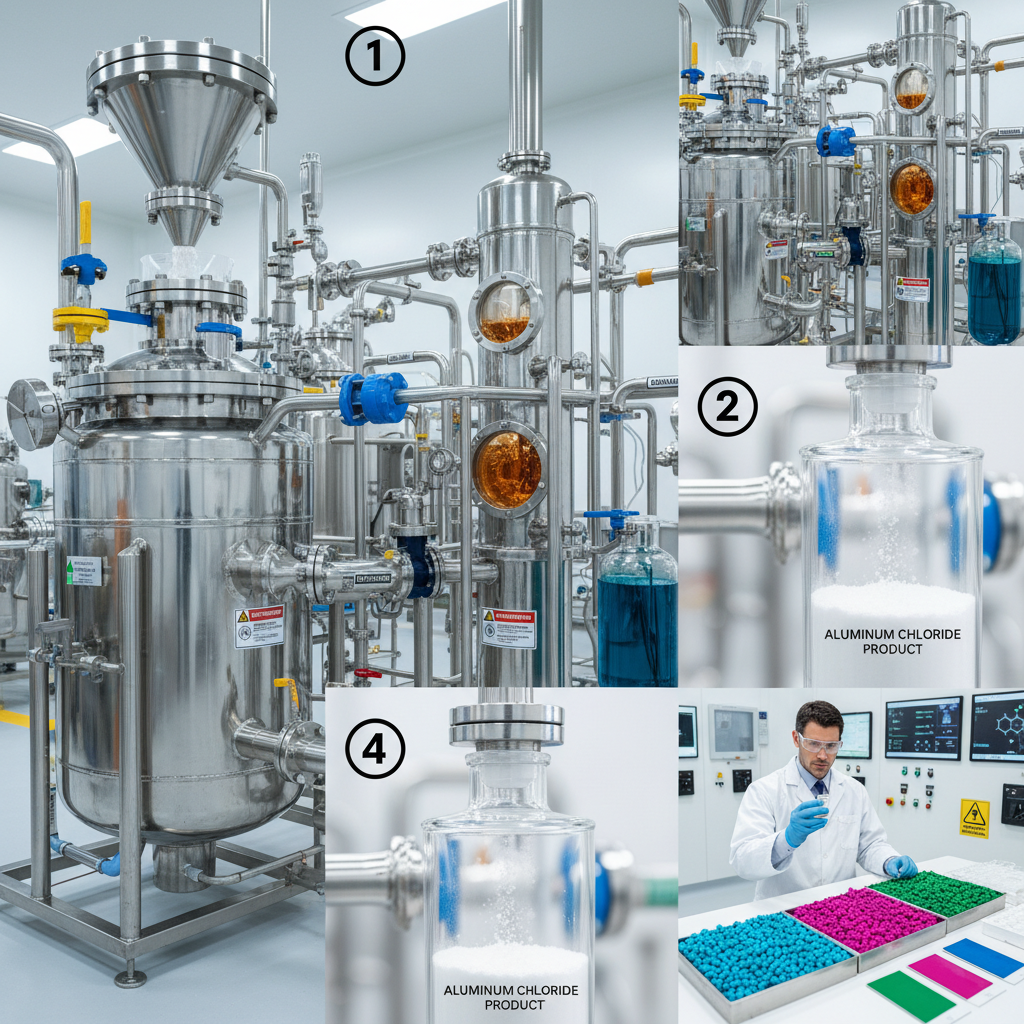
Chloride aluminium is typically encountered as a white crystalline solid. It’s highly hygroscopic, meaning it readily absorbs moisture from the air, forming a corrosive solution. It exists in various forms, including anhydrous AlCl₃ and hexahydrate AlCl₃·6H₂O. The anhydrous form is a Lewis acid, powerfully accepting electron pairs. This property makes it a valuable catalyst in numerous chemical reactions. Its molecular weight and solubility vary depending on the hydration level. The corrosive nature necessitates careful handling and storage procedures.
Key Properties: High reactivity, strong Lewis acidity, hygroscopic nature, corrosive to metals, widely used as a catalyst.
Manufacturing Processes for Chloride Aluminium
Chloride aluminium is primarily produced through two methods: the direct chlorination of aluminium metal and the reaction of aluminium oxide with chlorine gas in the presence of a reducing agent like carbon. The direct chlorination route yields high-purity AlCl₃, suitable for specialized applications. The reaction with aluminium oxide is generally more cost-effective but may result in a lower-purity product. Regardless of the method, rigorous quality control is vital to ensure the final product meets industry specifications. LKPBTC offers consistently high-quality aluminium chloride meeting diverse industrial requirements.
Manufacturing Method Benefits:
• Direct Chlorination: High purity, suited for sensitive applications
• Aluminium Oxide Route: Cost-effective, large-scale production
• Both Methods require strict quality control
Key Applications of Chloride Aluminium
The applications of chloride aluminium are widespread. In the chemical industry, it’s a crucial catalyst in Friedel-Crafts alkylation and acylation reactions, essential for producing pharmaceuticals, polymers, and dyes. It’s also used in the production of aluminium metal, as a flocculant in water treatment, and as an antiperspirant in cosmetics. Its ability to act as a Lewis acid makes it a valuable reagent in organic synthesis. Different grades of chloride aluminium cater to the specific demands of each application.
Sourcing Chloride Aluminium: Key Considerations
When sourcing chloride aluminium, several factors are paramount. Purity, form (anhydrous or hydrated), packaging, and supplier reliability are all critical. Ensure the supplier can provide a certificate of analysis confirming the product’s purity and compliance with relevant standards. Consider the supplier’s ability to handle and ship this corrosive material safely and efficiently. LKPBTC specializes in the safe and reliable supply of high-quality chloride aluminium.
Safety and Handling Precautions
Chloride aluminium is a corrosive substance and requires careful handling. Always wear appropriate personal protective equipment (PPE), including gloves, eye protection, and a respirator. Avoid contact with skin, eyes, and clothing. Work in a well-ventilated area. In case of contact, immediately flush the affected area with plenty of water. Store chloride aluminium in a cool, dry place, away from moisture and incompatible materials. Refer to the Material Safety Data Sheet (MSDS) for detailed safety information. Proper handling is essential to prevent accidents and ensure worker safety.
Conclusion: Choosing the Right Chloride Aluminium Partner
Selecting a reliable supplier like LKPBTC ensures access to high-quality chloride aluminium with consistent purity and reliable delivery. Understanding the properties, applications, and safety considerations associated with this chemical is vital for optimizing its use in various industrial processes. Prioritize safety and quality to achieve optimal results.
Frequently Asked Questions (FAQs)
What are the typical purity levels available for chloride aluminium?
Chloride aluminium is typically available in purity levels ranging from 98% to 99.999% (5N). The required purity depends on the specific application. For catalytic applications or high-precision chemical synthesis, higher purity grades are essential to avoid unwanted side reactions. Lower purity grades may be suitable for applications like water treatment where minor impurities are less critical. We at LKPBTC can offer custom purity levels according to your needs. Always request a Certificate of Analysis (COA) to verify the purity of the product.
How should chloride aluminium be stored to maintain its quality?
Due to its hygroscopic nature, chloride aluminium must be stored in a tightly sealed container in a cool, dry, and well-ventilated area. Exposure to moisture will cause the material to hydrolyze, forming hydrochloric acid and aluminium hydroxide. Protect it from direct sunlight and avoid storing it near incompatible materials such as strong bases or oxidizers. Use containers made of materials resistant to corrosion, such as polyethylene or glass. Long-term storage should be monitored to ensure the material remains dry and free from contamination.
What safety measures are crucial when handling chloride aluminium?
Chloride aluminium is corrosive and requires strict safety precautions. Always wear appropriate PPE, including chemical-resistant gloves, safety goggles, and a respirator if dust or fumes are present. Avoid contact with skin, eyes, and clothing. Work in a well-ventilated area or use a fume hood. In case of contact, immediately flush the affected area with plenty of water and seek medical attention. Review the Material Safety Data Sheet (MSDS) before handling to understand all hazards and safety measures.
Can chloride aluminium be used in the production of polymers?
Yes, chloride aluminium is used as a catalyst in the polymerization of various monomers, particularly in the production of polyethylene and polypropylene. Its Lewis acidic properties facilitate the initiation and propagation of polymerization reactions. It can also be used as a crosslinking agent in certain polymer systems. The specific grade and concentration of chloride aluminium used will vary depending on the desired polymer properties and the polymerization process employed.
-
Comprehensive Analysis on Why Aluminum Chlorohydrate Safe for UseNewsApr.16,2026
-
Industrial Applications and Guide to Chloride of AluminiumNewsApr.09,2026
-
Exploring Aluminium Chloride Properties Applications and Sourcing InformationNewsApr.07,2026
-
Comprehensive Guide to Chloride Aluminium Properties Applications and SourcingNewsApr.04,2026
-
Understanding Aluminium Chloride Properties Applications and Sourcing DetailsNewsMar.31,2026
-
Understanding Aluminium Chloride Properties Applications and SourcingNewsMar.28,2026