


Understanding Aluminium Chloride Properties Applications and Sourcing
Understanding Aluminium Chloride: Properties, Applications & Sourcing
Aluminium chloride (AlCl₃) is a crucial chemical compound with widespread applications across various industries, including pharmaceuticals, cosmetics, and chemical synthesis. As a Lewis acid, it plays a vital role as a catalyst in numerous organic reactions. Choosing a reliable supplier for your aluminium chloride needs is paramount. LKPBTC offers high-quality aluminium chloride tailored to diverse industrial specifications. We provide consistent purity and dependable delivery. Understanding its properties and applications is key to optimizing its use in your specific processes.
What is Aluminium Chloride? Chemical Properties & Forms
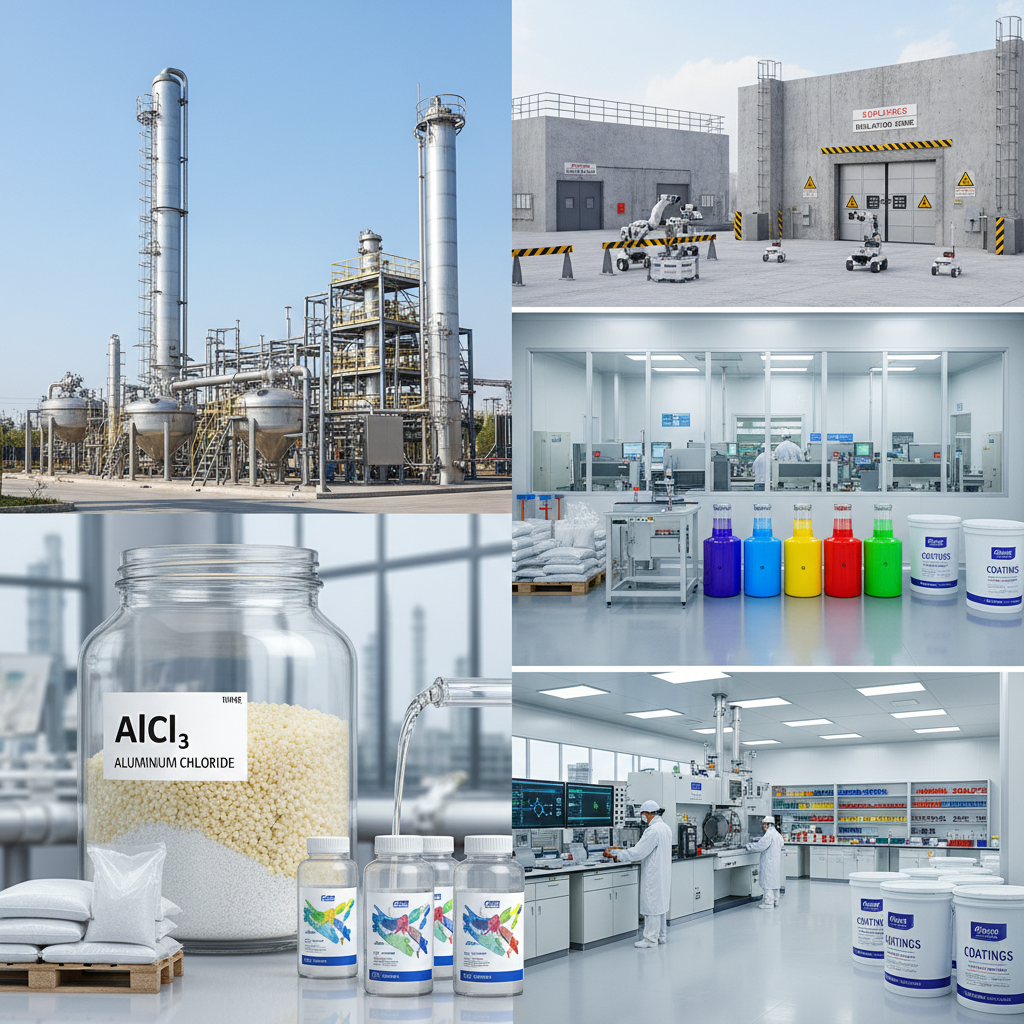
Aluminium chloride exists in various forms. The most common is anhydrous aluminium chloride, a white, crystalline solid. It’s highly reactive and readily absorbs moisture from the air, forming hydrochloric acid and aluminium hydroxide. This property necessitates careful storage in airtight containers. A hydrated form also exists, typically as AlCl₃·6H₂O, a colorless or white crystalline solid. The anhydrous form is a potent Lewis acid, meaning it readily accepts electron pairs, making it an effective catalyst. It's soluble in various organic solvents, including dichloromethane and carbon disulfide. LKPBTC guarantees the quality and consistent composition of our aluminium chloride products.
Key Highlights: Aluminium chloride is a strong Lewis acid, highly reactive, and requires careful storage to prevent moisture absorption. It’s available in both anhydrous and hydrated forms.
Applications of Aluminium Chloride Across Industries
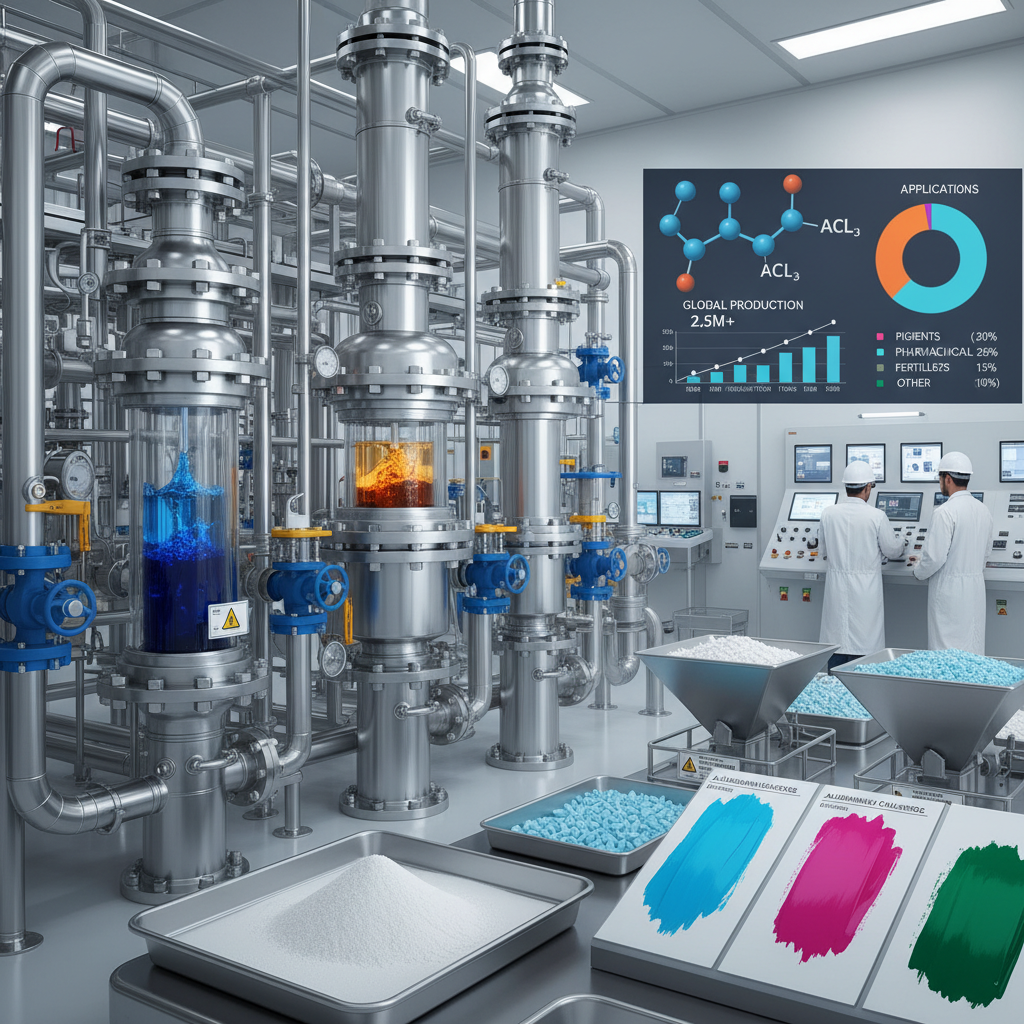
The versatile nature of aluminium chloride makes it invaluable in numerous applications. In the pharmaceutical industry, it’s used as a catalyst in Friedel-Crafts reactions for synthesizing organic compounds. In cosmetics, it functions as an antiperspirant, reducing sweat production. The chemical industry leverages its catalytic properties for alkylation, isomerization, and polymerization reactions. It's also used in the production of dyes, pigments, and other specialized chemicals. Furthermore, it plays a role in petroleum refining as a sweetening agent to remove impurities. LKPBTC provides tailored aluminium chloride grades to meet the unique requirements of each application.
Application Benefits:
• Catalyst in pharmaceutical synthesis
• Active ingredient in antiperspirants
• Catalyst in various chemical reactions
• Petroleum refining agent
Aluminium Chloride Grades: A Comparative Overview
Different applications demand varying levels of purity and specific physical characteristics. We offer a range of aluminium chloride grades to cater to these diverse needs. Anhydrous grade is preferred for reactions requiring strictly anhydrous conditions. A lower-purity grade might suffice for less demanding applications. Understanding these differences is essential for achieving optimal results. Choosing the right grade directly impacts reaction yields and product quality. LKPBTC offers expert guidance to help you select the most appropriate grade for your specific application.
Safety Considerations & Handling of Aluminium Chloride
Aluminium chloride is corrosive and reacts violently with water, releasing heat and hydrochloric acid fumes. Therefore, it should be handled with extreme caution. Always wear appropriate personal protective equipment (PPE), including gloves, safety glasses, and a respirator when handling the substance. Work in a well-ventilated area and avoid contact with moisture. In case of skin or eye contact, immediately flush with copious amounts of water and seek medical attention. Proper storage in a cool, dry, and well-ventilated area, away from incompatible materials, is crucial. LKPBTC provides detailed safety data sheets (SDS) with all our aluminium chloride products.
Why Choose LKPBTC for Your Aluminium Chloride Needs?
At LKPBTC, we are committed to providing high-quality aluminium chloride products with consistent purity and reliable delivery. We offer a wide range of grades to meet diverse industrial applications. Our experienced team provides expert technical support to help you select the right product for your needs. We also prioritize safety and provide comprehensive SDS documentation. Partner with us for a dependable supply of aluminium chloride and experience the difference quality and service can make.
Conclusion: Partner with a Trusted Aluminium Chloride Supplier
Choosing the right aluminium chloride supplier is vital for ensuring the success of your chemical processes. LKPBTC is dedicated to providing high-quality products, expert support, and reliable service. Contact us today to discuss your requirements and discover how we can help you optimize your operations.
Frequently Asked Questions (FAQs)
What are the primary hazards associated with aluminium chloride?
Aluminium chloride is a corrosive substance that can cause severe skin and eye burns. It reacts vigorously with water, releasing heat and hazardous hydrochloric acid fumes. Inhalation of these fumes can irritate the respiratory tract. Proper handling procedures, including the use of appropriate PPE (gloves, safety glasses, respirator) and working in a well-ventilated area, are essential. Always consult the Safety Data Sheet (SDS) for detailed hazard information and safety precautions. LKPBTC provides SDS documents with every product shipment.
How should aluminium chloride be stored?
Aluminium chloride should be stored in a cool, dry, and well-ventilated area, away from moisture, incompatible materials (such as strong bases and oxidizers), and direct sunlight. Containers should be tightly sealed to prevent the absorption of atmospheric moisture. It's critical to use containers made of materials that are compatible with aluminium chloride, such as polyethylene or glass. Do not store it in metal containers, as corrosion can occur. Proper storage is essential to maintain the product’s purity and prevent hazardous reactions.
What is the role of aluminium chloride in Friedel-Crafts reactions?
Aluminium chloride acts as a Lewis acid catalyst in Friedel-Crafts reactions, facilitating the alkylation and acylation of aromatic compounds. It forms a complex with the alkyl or acyl halide, generating a carbocation intermediate that then attacks the aromatic ring. The aluminium chloride accepts an electron pair from the halide, increasing the electrophilicity of the carbon atom and enabling the reaction to proceed. It’s vital to use anhydrous aluminium chloride in these reactions, as water deactivates the catalyst.
Can LKPBTC provide custom packaging for aluminium chloride?
Yes, LKPBTC offers custom packaging options to meet your specific requirements. We can accommodate various package sizes and materials, depending on the quantity and shipping needs. Please contact our sales team to discuss your specific packaging requirements, and we will work with you to find the optimal solution.
-
Comprehensive Analysis on Why Aluminum Chlorohydrate Safe for UseNewsApr.16,2026
-
Industrial Applications and Guide to Chloride of AluminiumNewsApr.09,2026
-
Exploring Aluminium Chloride Properties Applications and Sourcing InformationNewsApr.07,2026
-
Comprehensive Guide to Chloride Aluminium Properties Applications and SourcingNewsApr.04,2026
-
Understanding Aluminium Chloride Properties Applications and Sourcing DetailsNewsMar.31,2026
-
Understanding Aluminium Chloride Properties Applications and SourcingNewsMar.28,2026