




ახალი ამბები
-
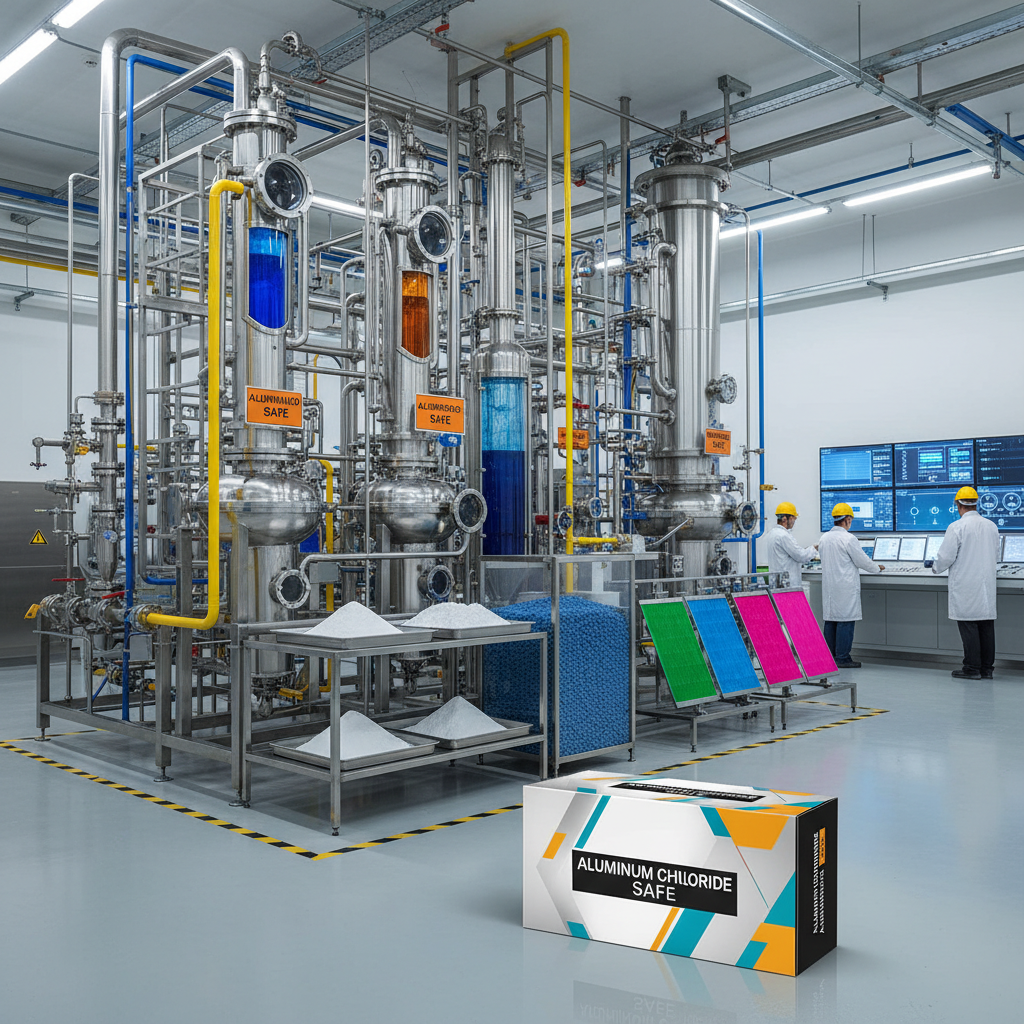 Aluminum chloride, a versatile chemical compound, finds applications in diverse industries like pharmaceuticals, cosmetics, and water treatment. However, questions surrounding its safety are common. This article provides a detailed exploration of aluminum chloride’s safety profile, potential hazards, handling precautions, and emergency procedures. Understanding these aspects is crucial for those working with or potentially exposed to this compound, ensuring safe and responsible usage. We aim to offer a clear and informative overview for both professionals and individuals seeking knowledge on this important chemical. Aluminum chloride (AlCl₃) is a white or pale yellow crystalline solid. It's highly reactive with water, releasing heat and forming hydrochloric acid. This reactivity is a key factor in its numerous applications. It serves as a catalyst in organic synthesis, a flocculant in water purification, an antiperspirant in cosmetics, and a component in certain medications.Წაიკითხე მეტი
 -
Aluminum chloride (AlCl₃) is a crucial industrial chemical with diverse applications, and the "12" often refers to a specific hydration level or grade used in particular processes. Understanding its properties, uses, safety precautions, and sourcing options is vital for businesses relying on this compound. This article provides an in-depth exploration of aluminum chloride 12, offering valuable insights for procurement, handling, and application. Whether you're in water treatment, pharmaceuticals, or chemical manufacturing, a solid understanding of aluminum chloride 12 is essential. The designation "12" related to aluminum chloride often signifies a particular grade or hydration level. While anhydrous aluminum chloride (AlCl₃) is widely used, hydrated forms exist. The specific "12" may denote a specific water content or a manufacturer’s code for a particular product specification. Typically, it points to a consistent quality and purity suitable for specialized applications.Წაიკითხე მეტი
-
Aluminum chloride (AlCl₃) is a crucial inorganic compound with widespread applications across various industries, from organic synthesis to water treatment. As a Lewis acid, it possesses unique catalytic properties. This article provides a comprehensive overview of aluminum chloride, delving into its properties, manufacturing processes, diverse applications, and essential considerations when sourcing high-quality AlCl₃. Understanding its characteristics is vital for safe handling and optimal utilization. Aluminum chloride is typically encountered as a white crystalline solid, although it can also appear as an anhydrous form, which is a powder. It's highly soluble in polar solvents like water, alcohols, and ethers. Crucially, AlCl₃ readily forms complexes with various organic molecules, making it an invaluable catalyst in Friedel-Crafts reactions. It’s a hygroscopic compound, readily absorbing moisture from the air, and the reaction with water is highly exothermic, releasing heat and producing hydrochloric acid (HCl).Წაიკითხე მეტი
-
Aluminum chlorine, often referred to as aluminum chloride (AlCl₃), is a crucial chemical compound with widespread applications across various industries. From acting as a catalyst in organic synthesis to being a key component in antiperspirants, its versatility is undeniable. This article delves into the properties, production methods, applications, safety considerations, and market trends of aluminum chloride, providing a comprehensive overview for professionals and anyone interested in this fascinating chemical. Understanding the nuances of this compound is essential for maximizing its potential while ensuring safe and responsible handling. Aluminum chloride exists in several forms, including anhydrous, hexahydrate, and other hydrates. Anhydrous aluminum chloride is a white, crystalline solid that readily sublimes. It’s a Lewis acid, meaning it can accept electron pairs, making it a potent catalyst. The hexahydrate (AlCl₃·6H₂O) is a white crystalline solid that is soluble in water. The compound is hygroscopic, meaning it absorbs moisture from the air.Წაიკითხე მეტი
-
Aluminum chloride solid (AlCl₃) is a versatile chemical compound with a wide range of industrial applications. Its unique properties, including its Lewis acidity and ability to catalyze various reactions, make it indispensable in organic synthesis, petrochemicals, and more. Understanding its characteristics, handling procedures, and applications is crucial for professionals in related fields. This article provides a detailed overview of aluminum chloride solid, covering its properties, production, uses, safety considerations, and where to source high-quality material. Aluminum chloride solid is typically a white to pale yellow crystalline powder. It’s highly hygroscopic, meaning it readily absorbs moisture from the air, and this absorption can lead to the formation of hydrochloric acid fumes. It’s a strong Lewis acid, making it an effective catalyst in many organic reactions.Წაიკითხე მეტი
-
Poly Aluminum Chloride (PAC) is a widely used coagulant in water and wastewater treatment, offering superior performance compared to traditional aluminum salts. This versatile chemical effectively removes impurities, clarifying water for various applications. This article will delve into the properties, applications, benefits, and handling of PAC Aluminum Chloride, providing a comprehensive overview for professionals in water treatment, industrial processes, and beyond. Understanding PAC's capabilities is key to optimizing water purification and achieving regulatory compliance. PAC, specifically PAC Aluminum Chloride, is a highly effective inorganic polymer formed through the hydrolysis of aluminum chloride. It differs from conventional aluminum sulfate (alum) by possessing a higher charge density and a wider molecular weight distribution. This results in more efficient coagulation, even in challenging water conditions like low temperatures and high turbidity. The polymer structure allows PAC to neutralize negatively charged particles in water, promoting floc formation and aiding in their removal through sedimentation or filtration. This makes it a preferred choice for many water treatment facilities.Წაიკითხე მეტი
-
Flocculation is a crucial process across numerous industries, from water treatment to pharmaceuticals. It involves the aggregation of suspended particles in a liquid, forming larger clumps called flocs. This process simplifies separation of solids from liquids, enhancing efficiency and reducing costs. Understanding the principles of flocculation and seeing a clear example of flocculation is essential for professionals in these fields. We’ll explore the science behind flocculation, its various applications, and the factors influencing its success. At its core, flocculation is destabilizing a stable dispersion. Suspended particles typically maintain their dispersion due to electrostatic repulsion – they all carry the same charge and repel each other. Flocculation neutralizes these charges, allowing the Van der Waals forces to take over and attract the particles together. This is usually achieved by adding a flocculant, a chemical compound with a high charge density. These flocculants bridge the particles, creating larger, heavier flocs that settle more readily.Წაიკითხე მეტი
-
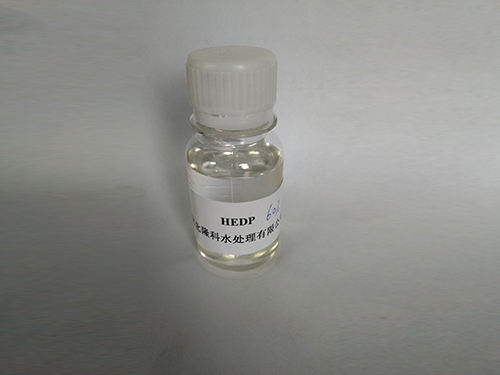 Discover HEDP corrosion inhibitor and scale inhibitorᲬაიკითხე მეტი
 -
Flocculation is a critical process in water and wastewater treatment, playing a vital role in removing suspended particles and improving water clarity. It's often misunderstood, so let's delve into its definition, how it works, and why it's so important. This process, combined with coagulation, results in cleaner, safer water. At LKP BTC, we provide advanced solutions for water treatment, including flocculation technologies. Understanding this process is the first step towards optimizing your water treatment system. Flocculation is the process where small, suspended particles in water collide and clump together to form larger, heavier masses called 'flocs'. These flocs settle out of the water more easily through sedimentation or filtration. It's important to differentiate it from coagulation, which precedes flocculation. Coagulation neutralizes the charges of particles, allowing them to begin clumping, while flocculation actively encourages the formation of larger, visible flocs. The result is significantly improved water quality. Effective flocculation is essential for meeting stringent water quality standards. While often used together, coagulation and flocculation are distinct processes. Coagulation involves the addition of chemicals (coagulants) to neutralize the electrical charges of fine particles, allowing them to destabilize and begin to clump.Წაიკითხე მეტი
-
Benzalkonium chloride (BAC) is a versatile quaternary ammonium compound widely utilized as a disinfectant, antiseptic, and surfactant across numerous industries. Its effectiveness against bacteria, viruses, and fungi makes it a crucial component in many applications, ranging from healthcare to household cleaning. This article provides an in-depth exploration of the diverse benzalkonium chloride application, its benefits, considerations for use, and current market trends. Understanding its properties and appropriate usage is vital for maximizing its effectiveness and ensuring safety. BAC functions by disrupting the cell membranes of microorganisms, leading to cell leakage and ultimately, their demise. It’s particularly effective against gram-positive bacteria, although it also exhibits activity against gram-negative bacteria, fungi, and certain viruses. It’s generally considered safe for topical use in low concentrations, but higher concentrations can be irritating to the skin and mucous membranes. BAC is also a cationic surfactant, which means it possesses both hydrophobic (water-repelling) and hydrophilic (water-attracting) properties.Წაიკითხე მეტი
უახლესი სიახლეები და ბლოგები
მეტის ნახვა -
 Comprehensive Analysis on Why Aluminum Chlorohydrate Safe for UseWhen exploring the ingredients of modern antiperspirants and water treatment chemicals, one common question arises: is aluminum chlorohydrate safe? This inorganic compound is widely utilized for its exceptional ability to reduce sweat and purify water, but its safety profile is often debated in consumer circles. Understanding the chemical nature and the regulatory stance on this ingredient is essential for manufacturers and consumers alike. In this guide, we will provide a professional, data-backed analysis of its safety, applications, and how it interacts with the human body to provide a clear answer to your safety concerns.წაიკითხე მეტი
 -
 Industrial Applications and Guide to Chloride of AluminiumIn the realm of industrial chemistry and water treatment, chloride of aluminium serves as a cornerstone compound. Known for its exceptional coagulant properties, this versatile chemical is indispensable for purifying water, processing paper, and refining various textiles. Whether you are managing a large-scale wastewater facility or seeking high-purity chemical precursors for manufacturing, understanding the nuances of this compound is key to optimizing operational efficiency. In this guide, we will explore its chemical properties, various industrial grades, and why it remains a preferred choice for global engineers.წაიკითხე მეტი
 -
 Exploring Aluminium Chloride Properties Applications and Sourcing InformationAluminium chloride (AlCl3) is a widely used chemical compound with diverse applications across various industries. From acting as a catalyst in organic chemistry to its role in antiperspirants, its versatility is undeniable. This article will delve into the properties of aluminium chloride, its key applications, considerations for handling, and how to source high-quality material. We'll also explore the different forms available and their specific uses, helping you understand whether you need anhydrous aluminium chloride or a different grade for your application.წაიკითხე მეტი
 -
 Comprehensive Guide to Chloride Aluminium Properties Applications and SourcingChloride aluminium (AlCl₃), a versatile inorganic compound, plays a critical role across various industrial sectors. From acting as a catalyst in organic synthesis to functioning as an antiperspirant, its applications are diverse. This article delves into the properties, manufacturing processes, key applications, and considerations when sourcing chloride aluminium, offering a comprehensive guide for professionals and businesses. Understanding its chemical behaviour is key to safe and effective implementation in diverse processes.წაიკითხე მეტი