



Exploring Aluminum Chlorine and Aluminum Chloride Properties and Diverse Applications
Understanding Aluminum Chlorine and Aluminum Chloride: A Comprehensive Guide
Aluminum chlorine, often referred to as aluminum chloride (AlCl₃), is a crucial chemical compound with widespread applications across various industries. From acting as a catalyst in organic synthesis to being a key component in antiperspirants, its versatility is undeniable. This article delves into the properties, production methods, applications, safety considerations, and market trends of aluminum chloride, providing a comprehensive overview for professionals and anyone interested in this fascinating chemical. Understanding the nuances of this compound is essential for maximizing its potential while ensuring safe and responsible handling.

The Chemical Properties of Aluminum Chloride
Aluminum chloride exists in several forms, including anhydrous, hexahydrate, and other hydrates. Anhydrous aluminum chloride is a white, crystalline solid that readily sublimes. It’s a Lewis acid, meaning it can accept electron pairs, making it a potent catalyst. The hexahydrate (AlCl₃·6H₂O) is a white crystalline solid that is soluble in water. The compound is hygroscopic, meaning it absorbs moisture from the air. This property is particularly important to consider during storage and handling. The chemical formula AlCl₃ indicates one aluminum atom bonded to three chlorine atoms. This structure contributes to its reactivity and versatility in chemical reactions. The reactivity increases with the lack of water, making anhydrous aluminum chloride often preferred in industrial applications.
Key Highlights: Aluminum chloride is a potent Lewis acid and is hygroscopic, absorbing moisture from the air. It exists in various hydrated forms, with anhydrous aluminum chloride being the most reactive.
Production Methods for Aluminum Chloride
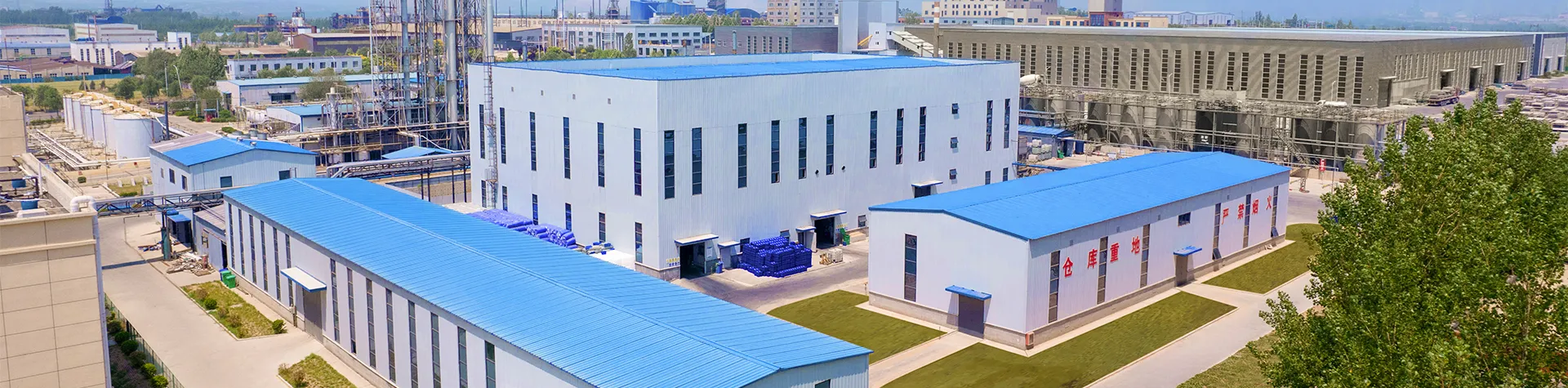
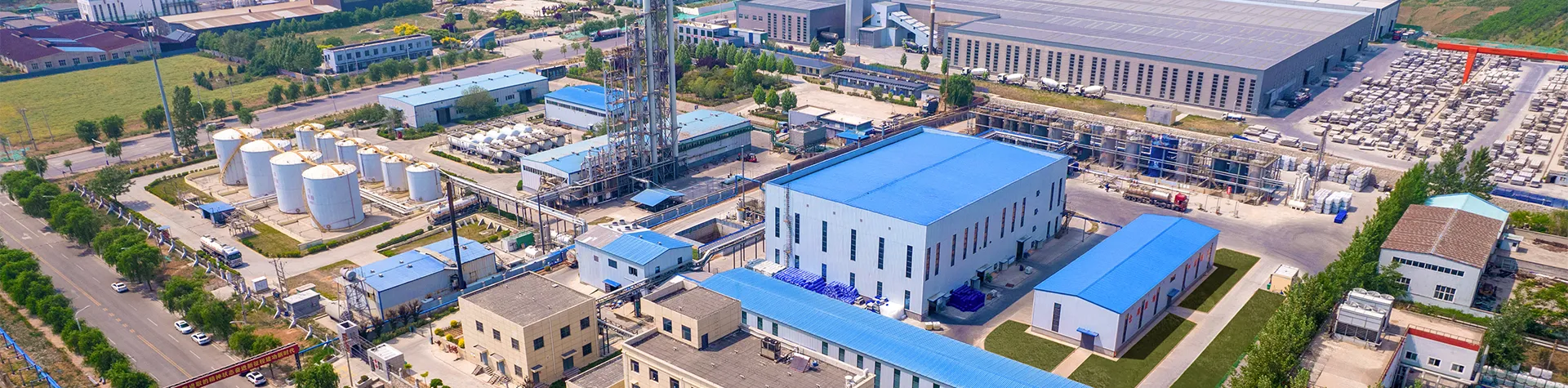
Aluminum chloride is primarily produced through two main methods: direct chlorination and the Roche process. Direct chlorination involves reacting aluminum metal with chlorine gas at high temperatures. This method yields high-purity anhydrous aluminum chloride. The Roche process, also known as the aluminum-hydrogen chloride process, involves reacting aluminum hydroxide with hydrogen chloride. This method typically produces the hexahydrate form. The choice of production method depends on the desired purity and form of the final product. Increasingly, manufacturers are adopting more sustainable and efficient production techniques to minimize environmental impact and reduce costs. LKPBTC is committed to responsible manufacturing practices, ensuring the highest quality product with minimal environmental impact.
Production Method Benefits:
• Direct Chlorination: High purity anhydrous product
• Roche Process: Production of the hexahydrate form
• Modern Techniques: Sustainable and efficient production
Key Applications of Aluminum Chloride
The applications of aluminum chloride are incredibly diverse. It's a vital catalyst in Friedel-Crafts alkylation and acylation reactions used in the production of pharmaceuticals, dyes, and polymers. It's also a crucial ingredient in antiperspirants, where it forms a temporary plug in sweat ducts, reducing perspiration. In the petroleum industry, it’s used in cracking processes to improve gasoline yield. Furthermore, aluminum chloride finds applications in water treatment, textile processing, and as a mordant in dyeing. Its ability to act as a flocculant makes it valuable in clarifying water. LKPBTC provides high-quality aluminum chloride for a wide range of industrial applications.
Safety Considerations and Handling of Aluminum Chloride
Aluminum chloride is a corrosive substance and requires careful handling. It reacts violently with water, releasing heat and hydrochloric acid fumes. Contact with skin and eyes can cause severe burns. Inhalation of fumes can irritate the respiratory system. Always wear appropriate personal protective equipment (PPE), including gloves, goggles, and a respirator, when handling this chemical. Work in a well-ventilated area and avoid creating dust. Store aluminum chloride in a tightly sealed container in a cool, dry place, away from moisture and incompatible materials. Follow all safety guidelines outlined in the Safety Data Sheet (SDS). LKPBTC provides comprehensive SDS documentation with all our products.
Market Trends and Future Outlook for Aluminum Chloride
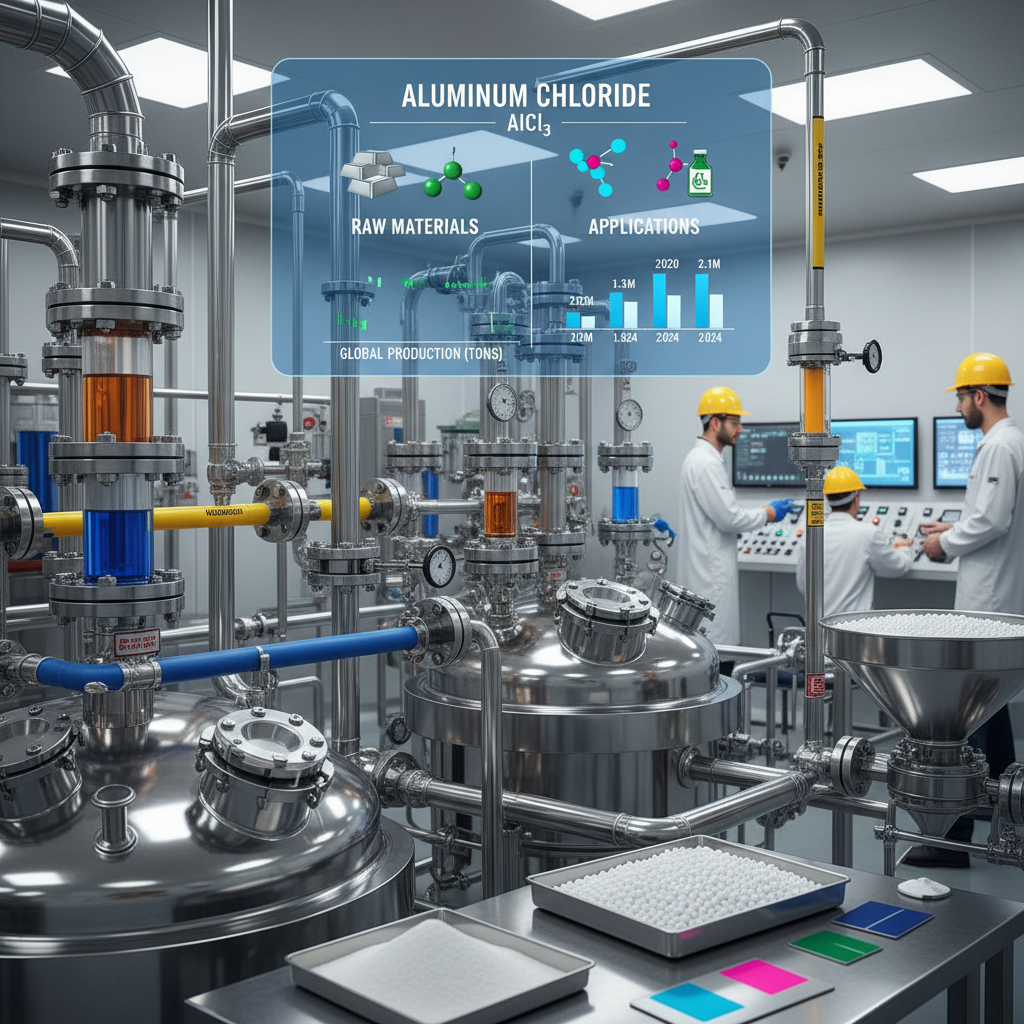
The global aluminum chloride market is expected to continue growing, driven by increasing demand from the pharmaceutical, chemical, and personal care industries. The rising demand for catalysts in various chemical processes and the expanding use of antiperspirants are major factors contributing to this growth. Furthermore, advancements in water treatment technologies are also fueling demand. The market is becoming increasingly focused on sustainable and environmentally friendly production methods. Key players are investing in research and development to improve production efficiency and reduce waste. The Asia-Pacific region is anticipated to be the fastest-growing market, owing to its rapid industrialization and growing population.
Conclusion: The Indispensable Role of Aluminum Chloride
Aluminum chloride remains a critical chemical compound with a vast range of applications. Its unique properties and versatility make it indispensable in various industries. As the demand for sustainable and efficient processes continues to grow, the importance of responsible production and handling will only increase. LKPBTC is dedicated to providing high-quality aluminum chloride and supporting our customers with expert knowledge and reliable service.
Frequently Asked Questions (FAQs)
What are the primary hazards associated with handling aluminum chloride?
Aluminum chloride is corrosive and reacts violently with water, releasing heat and hydrochloric acid fumes. Exposure can cause severe burns to skin and eyes, and inhalation of fumes can irritate the respiratory system. Proper personal protective equipment (PPE), including gloves, goggles, and respirators, must be worn at all times. Work in a well-ventilated area and avoid contact with moisture. Always consult the Safety Data Sheet (SDS) for detailed hazard information and safe handling procedures. Ensure emergency response protocols are in place in case of accidental exposure.
How should aluminum chloride be stored to maintain its quality?
Aluminum chloride should be stored in a tightly sealed container in a cool, dry, and well-ventilated area. It is crucial to protect it from moisture, as it readily absorbs water from the air. Store it away from incompatible materials, such as bases and oxidizing agents. Avoid direct sunlight and sources of heat. Regularly inspect containers for signs of damage or leakage. Proper storage ensures the product maintains its purity and effectiveness over time.
What is the difference between anhydrous and hydrated aluminum chloride?
Anhydrous aluminum chloride (AlCl₃) is the pure form without any water molecules, making it highly reactive and ideal for applications requiring a strong Lewis acid. Hydrated aluminum chloride (e.g., AlCl₃·6H₂O) contains water molecules within its crystal structure, making it less reactive but more stable and easier to handle. The choice between the two depends on the specific application; anhydrous form for catalysis and the hydrated form for water treatment or applications where controlled reactivity is desired.
Where can I find detailed safety information for aluminum chloride?
The most comprehensive safety information for aluminum chloride is available in the Safety Data Sheet (SDS). LKPBTC provides a readily accessible SDS for all our aluminum chloride products on our website. The SDS contains detailed information on hazards, safe handling procedures, emergency response measures, and disposal guidelines. Always review the SDS before handling this chemical to ensure a safe working environment.
-
Comprehensive Analysis on Why Aluminum Chlorohydrate Safe for UseNewsApr.16,2026
-
Industrial Applications and Guide to Chloride of AluminiumNewsApr.09,2026
-
Exploring Aluminium Chloride Properties Applications and Sourcing InformationNewsApr.07,2026
-
Comprehensive Guide to Chloride Aluminium Properties Applications and SourcingNewsApr.04,2026
-
Understanding Aluminium Chloride Properties Applications and Sourcing DetailsNewsMar.31,2026
-
Understanding Aluminium Chloride Properties Applications and SourcingNewsMar.28,2026