


Comprehensive Guide to Aluminum III Chloride Properties Applications and Sourcing
Understanding Aluminum Chloride (AlCl₃): Properties, Applications & Sourcing
Aluminum chloride (AlCl₃) is a crucial inorganic compound with widespread applications across various industries, from organic synthesis to water treatment. As a Lewis acid, it possesses unique catalytic properties. This article provides a comprehensive overview of aluminum chloride, delving into its properties, manufacturing processes, diverse applications, and essential considerations when sourcing high-quality AlCl₃. Understanding its characteristics is vital for safe handling and optimal utilization.
Chemical and Physical Properties of Aluminum Chloride
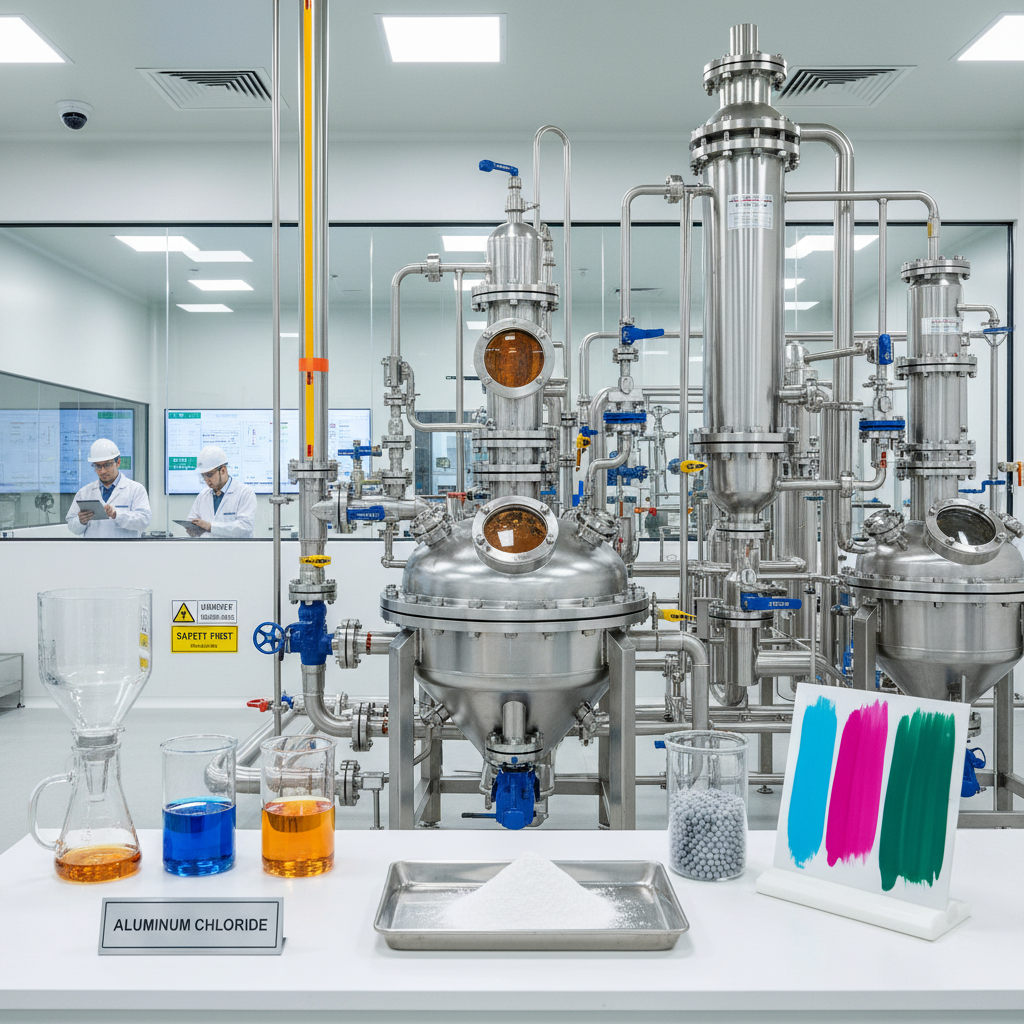
Aluminum chloride is typically encountered as a white crystalline solid, although it can also appear as an anhydrous form, which is a powder. It's highly soluble in polar solvents like water, alcohols, and ethers. Crucially, AlCl₃ readily forms complexes with various organic molecules, making it an invaluable catalyst in Friedel-Crafts reactions. It’s a hygroscopic compound, readily absorbing moisture from the air, and the reaction with water is highly exothermic, releasing heat and producing hydrochloric acid (HCl). This characteristic necessitates careful storage in airtight containers.
Key Properties: Highly reactive, hygroscopic, strong Lewis acid, soluble in polar solvents, exothermic reaction with water.
Manufacturing Processes of Aluminum Chloride
Aluminum chloride is primarily produced through two main methods: direct chlorination of aluminum metal and the reaction of aluminum hydroxide with hydrochloric acid. The direct chlorination process involves reacting molten aluminum with chlorine gas at high temperatures. This method yields high-purity anhydrous AlCl₃. Alternatively, reacting aluminum hydroxide (Al(OH)₃) with concentrated HCl results in a solution of aluminum chloride, which can then be evaporated to obtain the solid form. The choice of method depends on desired purity levels and production scale.
Manufacturing Methods:
• Direct Chlorination of Aluminum: Produces high-purity anhydrous AlCl₃.
• Reaction of Aluminum Hydroxide with HCl: Yields AlCl₃ solution, requiring evaporation.
Applications of Aluminum Chloride: A Diverse Range
The applications of aluminum chloride are remarkably diverse. It's a cornerstone catalyst in the Friedel-Crafts alkylation and acylation reactions, fundamental in the synthesis of various organic compounds, including pharmaceuticals and dyes. In the petroleum industry, it's used in cracking and isomerization processes. Furthermore, it serves as an antiperspirant due to its ability to block sweat ducts, and finds use in water purification as a coagulant. Emerging applications are being explored in materials science and energy storage.
Aluminum Chloride Grades and Purity Levels
Aluminum chloride is available in various grades, categorized by purity levels. Anhydrous AlCl₃ typically boasts a purity exceeding 99%, ideal for demanding catalytic applications. Lower purity grades are suitable for applications like water treatment. The choice of grade depends heavily on the intended use and the required performance characteristics. Impurities can significantly impact catalytic activity and product yield. Always verify the specifications provided by the supplier to ensure suitability.
Sourcing Aluminum Chloride: Key Considerations and Supplier Selection
When sourcing aluminum chloride, prioritizing a reputable supplier like LKPBTC is paramount. Ensure the supplier offers certificates of analysis (COAs) verifying purity and compliance with relevant standards. Consider packaging options, lead times, and shipping capabilities. Furthermore, inquire about the supplier’s quality control procedures and their commitment to safe handling and transportation practices. A reliable supplier will provide comprehensive technical support and address any concerns promptly.
Conclusion: Choosing the Right Aluminum Chloride for Your Needs
Selecting the right grade of aluminum chloride from a trusted supplier is crucial for achieving optimal results in your application. By considering purity levels, manufacturing processes, and supplier reliability, you can ensure the safe and effective utilization of this versatile chemical compound. LKPBTC is committed to providing high-quality AlCl₃ and expert support to meet your specific requirements.
Frequently Asked Questions (FAQs)
What are the safety precautions for handling Aluminum Chloride?
Aluminum chloride is corrosive and reacts violently with water, generating heat and hydrochloric acid fumes. Always wear appropriate personal protective equipment (PPE), including gloves, safety goggles, and a lab coat. Handle AlCl₃ in a well-ventilated area to avoid inhaling fumes. Avoid contact with skin and eyes. In case of contact, immediately flush with copious amounts of water and seek medical attention. Store in airtight containers away from moisture and incompatible materials.
What is the shelf life of Aluminum Chloride?
The shelf life of aluminum chloride is dependent on proper storage. When stored in a tightly sealed container in a cool, dry place, anhydrous AlCl₃ can remain stable for several years. However, due to its hygroscopic nature, exposure to air can lead to gradual degradation. Regularly inspect the material for signs of clumping or discoloration, which may indicate moisture absorption and reduced purity.
Can Aluminum Chloride be used in household applications?
While aluminum chloride is found in some over-the-counter antiperspirants, its use in other household applications is generally not recommended due to its corrosive nature and potential hazards. Handling concentrated AlCl₃ requires specialized knowledge and equipment. Misuse can lead to chemical burns, respiratory irritation, and environmental damage. It is best to leave handling of this chemical to trained professionals in industrial settings.
What are the environmental considerations when using Aluminum Chloride?
Aluminum chloride can be harmful to aquatic life. Waste containing AlCl₃ should be disposed of properly in accordance with local, state, and federal regulations. Avoid releasing AlCl₃ into the environment, including waterways and soil. Spills should be contained and cleaned up immediately using appropriate absorbent materials. Responsible handling and disposal practices are essential to minimize environmental impact.
-
Comprehensive Analysis on Why Aluminum Chlorohydrate Safe for UseNewsApr.16,2026
-
Industrial Applications and Guide to Chloride of AluminiumNewsApr.09,2026
-
Exploring Aluminium Chloride Properties Applications and Sourcing InformationNewsApr.07,2026
-
Comprehensive Guide to Chloride Aluminium Properties Applications and SourcingNewsApr.04,2026
-
Understanding Aluminium Chloride Properties Applications and Sourcing DetailsNewsMar.31,2026
-
Understanding Aluminium Chloride Properties Applications and SourcingNewsMar.28,2026