



Understanding Flocculation Principles with a Practical Example of Flocculation
Understanding Flocculation: An Example of Flocculation and Its Applications
Flocculation is a crucial process across numerous industries, from water treatment to pharmaceuticals. It involves the aggregation of suspended particles in a liquid, forming larger clumps called flocs. This process simplifies separation of solids from liquids, enhancing efficiency and reducing costs. Understanding the principles of flocculation and seeing a clear example of flocculation is essential for professionals in these fields. We’ll explore the science behind flocculation, its various applications, and the factors influencing its success.
What is Flocculation? The Science Behind It
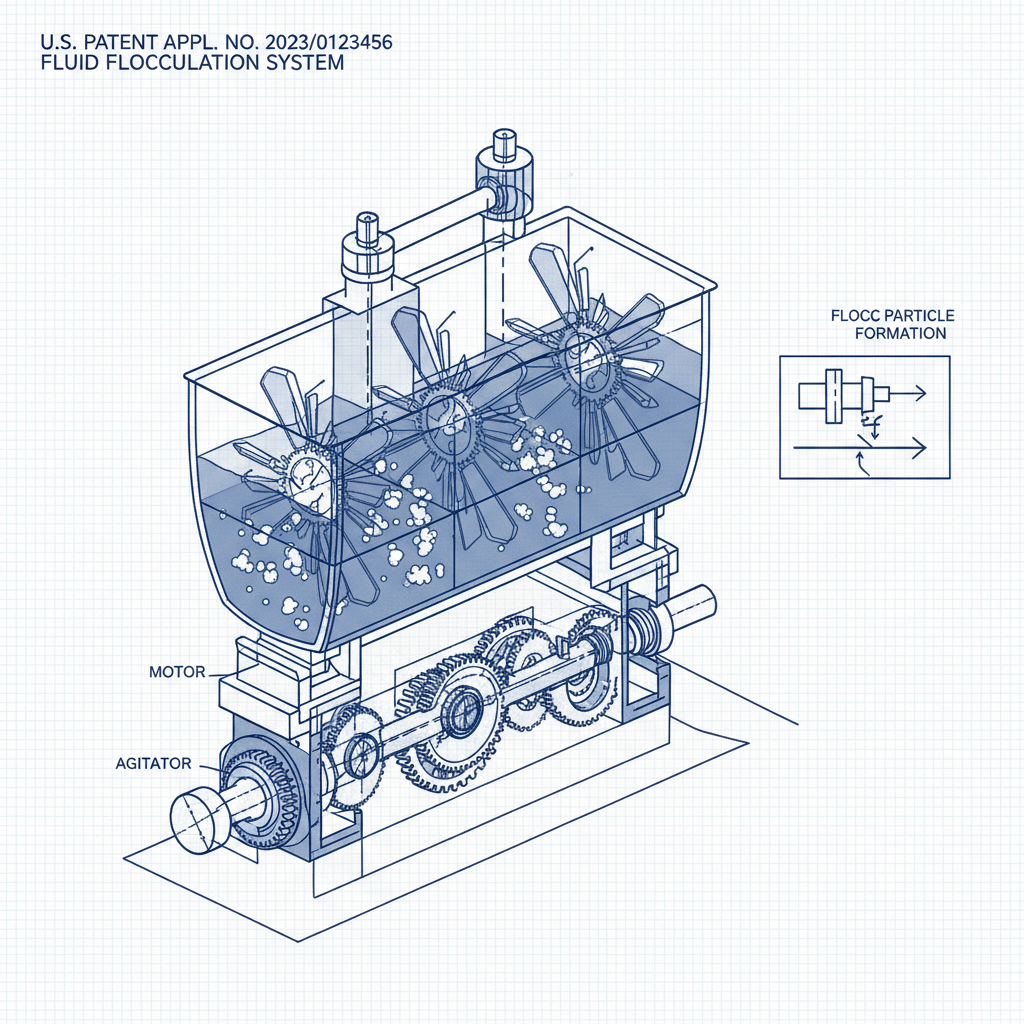
At its core, flocculation is destabilizing a stable dispersion. Suspended particles typically maintain their dispersion due to electrostatic repulsion – they all carry the same charge and repel each other. Flocculation neutralizes these charges, allowing the Van der Waals forces to take over and attract the particles together. This is usually achieved by adding a flocculant, a chemical compound with a high charge density. These flocculants bridge the particles, creating larger, heavier flocs that settle more readily.
Key Points: Flocculation relies on charge neutralization and the bridging effect of flocculants. Successful flocculation results in larger, easily separable flocs.
An Example of Flocculation: Wastewater Treatment
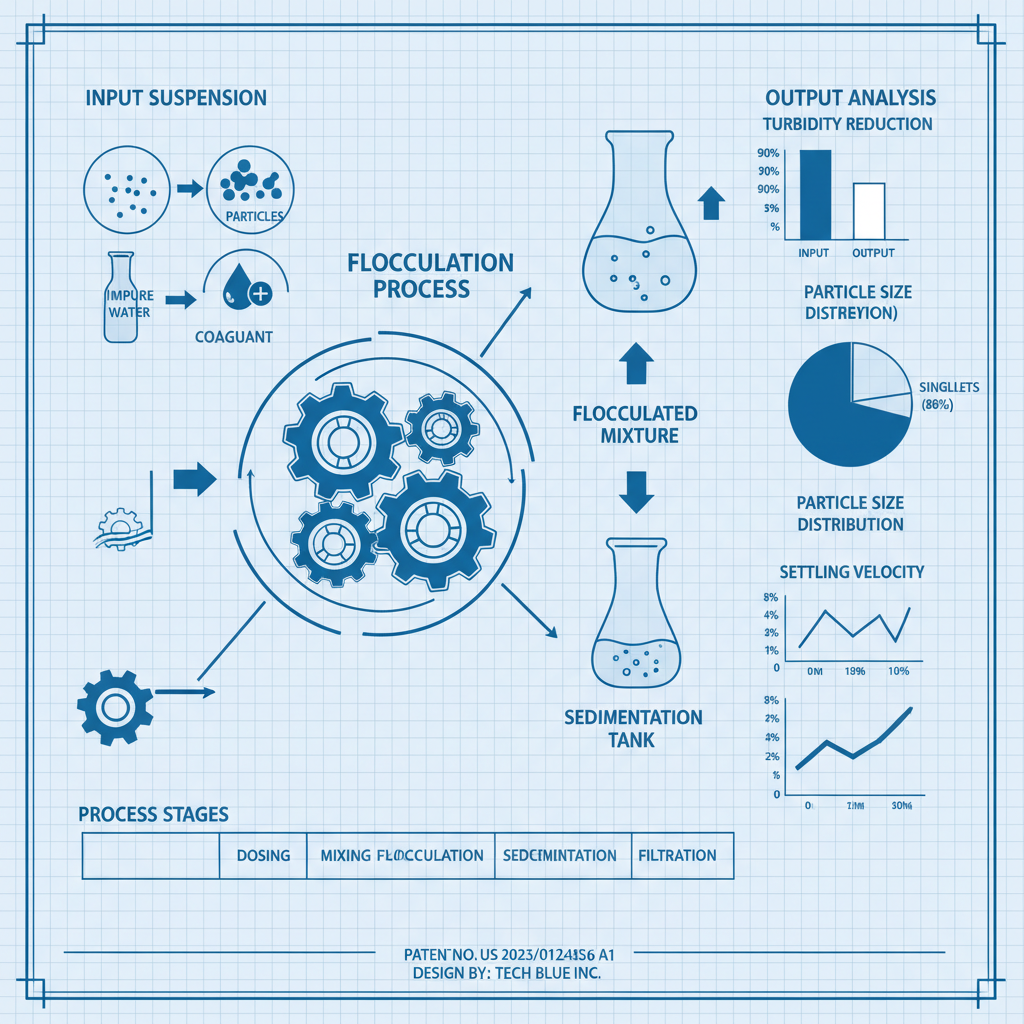
A prime example of flocculation is found in wastewater treatment plants. Raw wastewater contains numerous suspended solids, including organic matter, bacteria, and inorganic particles. These particles are too small to settle efficiently on their own. Here's where flocculation comes in. A flocculant, often a polymer or metal salt, is added to the wastewater. The flocculant neutralizes the charges on the suspended particles, causing them to clump together into flocs. These flocs then settle out during sedimentation, leaving cleaner water.
Flocculation in Wastewater Treatment:
• Removes suspended solids.
• Improves water clarity.
• Reduces pollutant levels.
• Prepares water for further treatment (disinfection).
Factors Influencing Flocculation Effectiveness
Several factors can significantly affect the efficiency of flocculation. These include the type and dosage of flocculant, pH levels, temperature, and the mixing intensity. The optimal flocculant type varies depending on the nature of the suspended particles. pH influences the charge of both the particles and the flocculant, so maintaining the correct pH is crucial. Temperature affects the rate of chemical reactions, while mixing provides the energy needed for particle collisions and floc formation. Too much mixing can break up the flocs, while too little mixing won't allow for effective collision.
Comparing Flocculation with Coagulation: What's the Difference?
Often, flocculation is discussed alongside coagulation. While related, they are distinct processes. Coagulation is the initial stage of destabilization, typically achieved by adding a chemical charge neutralizer (like alum or ferric chloride). It results in very small, micro-flocs. Flocculation then follows, using a polymer to bridge these micro-flocs into larger, more settleable flocs. Think of coagulation as the initial clumping and flocculation as the building up of those clumps into larger, visible structures. The effectiveness of flocculation heavily relies on successful prior coagulation.
Applications Beyond Wastewater: Where Flocculation Plays a Role
While wastewater treatment is a prominent example, flocculation is vital in various other sectors. In the mining industry, it's used to separate valuable minerals from ore. In the pulp and paper industry, it helps retain fibers during papermaking. Even in the food and beverage industry, flocculation clarifies juices and wines. Understanding the principles of flocculation and proper chemical application, like those offered by LKPBTC, is crucial for optimizing these processes.
Conclusion: The Power of Particle Aggregation
Flocculation is a fundamental process with widespread applications. From ensuring clean water to optimizing industrial production, its ability to aggregate particles efficiently is invaluable. By understanding the principles governing flocculation and selecting the appropriate flocculants, professionals can unlock significant improvements in process efficiency and product quality. LKPBTC offers tailored solutions to meet your specific flocculation needs.
Frequently Asked Questions (FAQs)
What types of flocculants are commonly used?
The most common flocculants fall into two broad categories: inorganic salts and polymers. Inorganic salts, such as alum (aluminum sulfate) and ferric chloride, neutralize particle charges through charge adsorption. Polymers, on the other hand, are long-chain molecules that bridge particles together. There are several types of polymers including cationic, anionic, and non-ionic, each with varying charge densities and molecular weights. The selection depends on the specific application and the characteristics of the suspended particles. Cationic polymers are often used for negatively charged particles, while anionic polymers are used for positively charged particles.
How can I determine the optimal flocculant dosage?
Determining the optimal dosage typically involves jar tests. Jar tests are laboratory-scale experiments where different dosages of flocculant are added to samples of the liquid being treated. The flocs formed at each dosage are observed for size, settling rate, and clarity of the supernatant liquid. The dosage that produces the largest, fastest-settling flocs with the clearest supernatant is considered the optimal dosage. Factors like particle concentration, temperature, and pH must be carefully controlled during jar testing to ensure accurate results.
What happens if too much flocculant is added?
Adding too much flocculant can actually hinder the process. Excess flocculant can cause “over-flocculation,” where the flocs become too small and dispersed to settle effectively. This can also lead to increased viscosity, making separation more difficult. Furthermore, excess flocculant can remain in the treated water, potentially causing downstream problems or requiring further treatment. Careful dosage control, determined through jar testing, is crucial to avoid these issues.
-
Comprehensive Analysis on Why Aluminum Chlorohydrate Safe for UseNewsApr.16,2026
-
Industrial Applications and Guide to Chloride of AluminiumNewsApr.09,2026
-
Exploring Aluminium Chloride Properties Applications and Sourcing InformationNewsApr.07,2026
-
Comprehensive Guide to Chloride Aluminium Properties Applications and SourcingNewsApr.04,2026
-
Understanding Aluminium Chloride Properties Applications and Sourcing DetailsNewsMar.31,2026
-
Understanding Aluminium Chloride Properties Applications and SourcingNewsMar.28,2026