
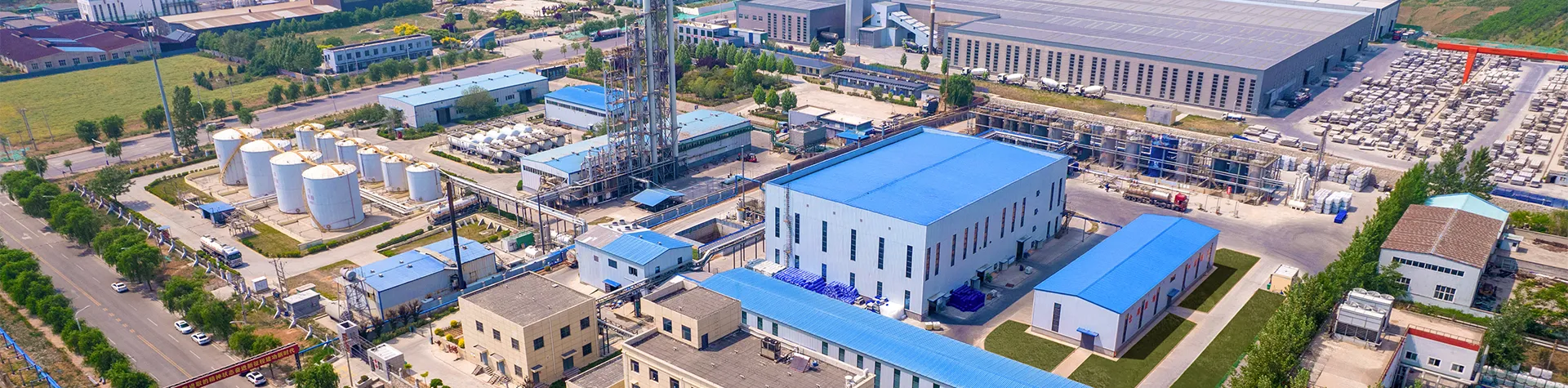
Comprehensive Guide to Poly Aluminium Chloride Solution for Water Treatment
Poly Aluminium Chloride Solution: A Comprehensive Guide
Poly aluminium chloride (PAC) solution is a highly effective coagulant widely used in water and wastewater treatment. Its versatility and efficiency make it a preferred choice for various industrial applications. This article provides an in-depth exploration of PAC solution, its applications, benefits, and considerations for optimal usage. Understanding the properties of poly aluminium chloride solution is essential for achieving efficient and cost-effective water purification. We’ll delve into its chemical composition, the factors influencing its performance, and its role in ensuring water safety.
What is Poly Aluminium Chloride (PAC)?
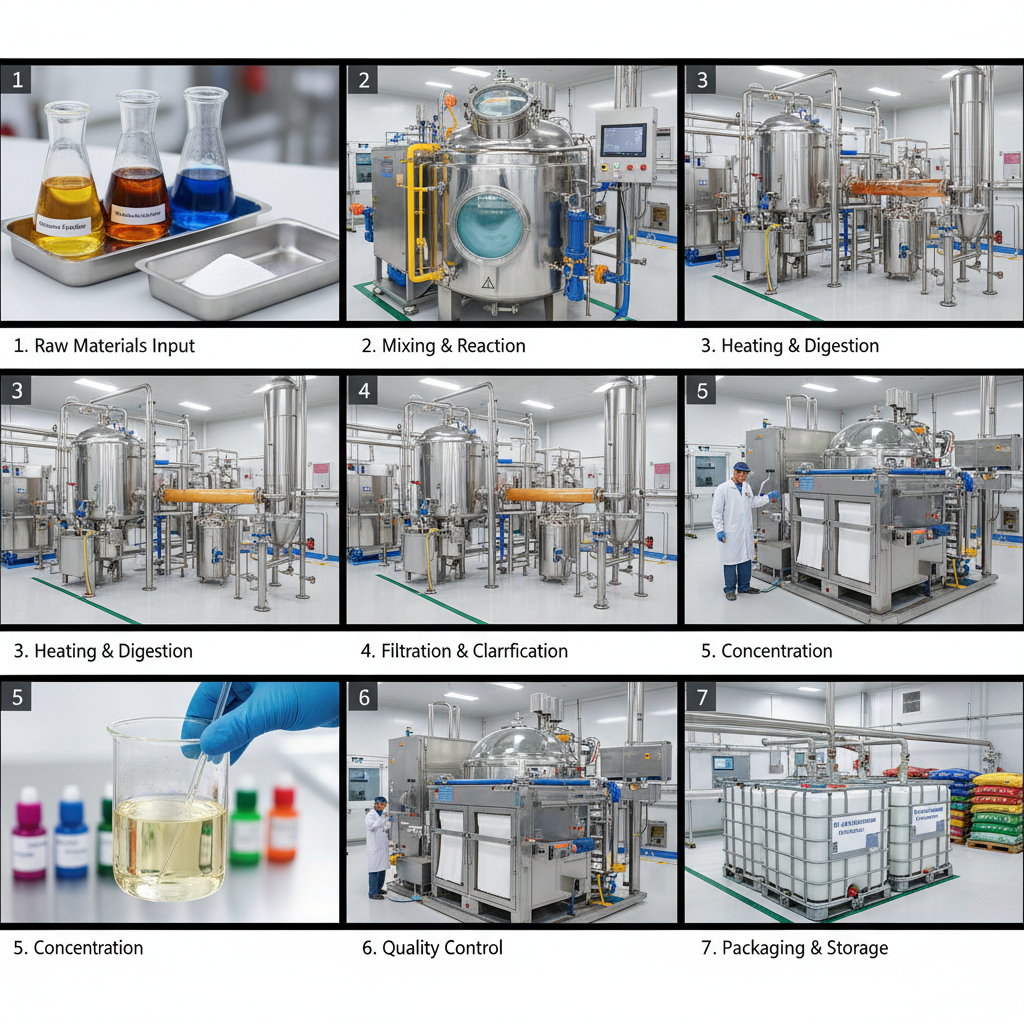
Poly aluminium chloride is a group of aluminium chlorides that have been through the process of polymerization. This process results in a higher charge density than traditional aluminium salts like alum, making PAC a more potent coagulant. It’s typically available as a liquid solution with varying aluminium content, expressed as Al2O3. PAC offers advantages such as working effectively over a wider pH range and producing less sludge compared to other coagulants. The chemical formula for PAC is [Al2(OH)nCl6-n]m, where ‘n’ and ‘m’ represent varying degrees of polymerization.
Key Highlights: PAC's high charge density and wider pH operating range make it an efficient and versatile water treatment chemical.
Applications of Poly Aluminium Chloride Solution
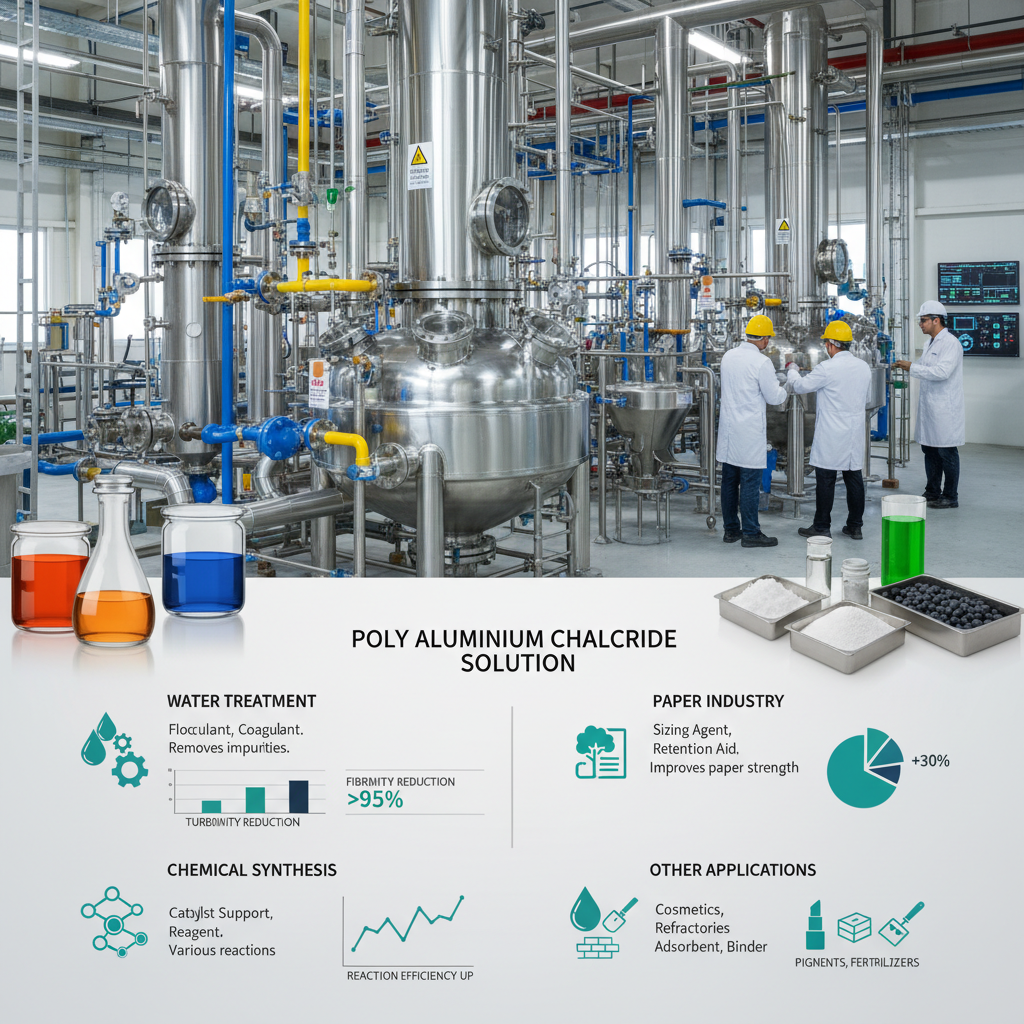
PAC solution finds extensive application across diverse industries. Primarily, it’s used in municipal water treatment plants for clarifying drinking water by removing suspended solids and turbidity. Wastewater treatment facilities utilize PAC to remove pollutants and prepare water for safe discharge or reuse. Furthermore, PAC is crucial in industrial processes such as paper manufacturing (retention aid), textile dyeing (fixing agent), and cosmetic production (clarifying agent). It’s also employed in leather tanning and oil purification. Its adaptability makes it a cornerstone chemical in numerous treatment protocols.
Application Benefits:
• Enhanced removal of suspended solids
• Improved water clarity and purity
• Reduced sludge production
• Effective over a broad pH range
Poly Aluminium Chloride Solution: Key Specifications & Grades
PAC solution is available in a variety of grades and concentrations to suit specific application needs. The key specification is the Aluminium Oxide (Al2O3) content, typically ranging from 10% to 30%. The basicity ratio, representing the ratio of OH to Al, also influences performance. A higher basicity often leads to better coagulation. The solution is usually supplied as a clear, yellow liquid. Different industries may require different concentrations. For instance, drinking water treatment often uses lower concentrations than industrial wastewater treatment.
Factors Influencing PAC Performance
Several factors affect the efficiency of PAC solution. pH plays a crucial role, with PAC generally performing best within a pH range of 5.5 to 9.0. Water temperature also influences coagulation; lower temperatures may require higher PAC dosages. The type and concentration of suspended solids in the water significantly impact performance. Proper dosage is vital; under-dosing results in incomplete coagulation, while over-dosing can restabilize the particles. Rapid mixing is essential to distribute PAC evenly throughout the water. The quality of the PAC solution itself – its purity and stability – also contributes to its effectiveness.
Safety and Handling of PAC Solution
While PAC solution is generally considered safe, proper handling procedures are essential. It is mildly corrosive and can cause irritation to skin and eyes. Always wear appropriate personal protective equipment (PPE), including gloves, safety glasses, and protective clothing, when handling PAC. Avoid contact with skin and eyes. In case of contact, rinse thoroughly with water. Store PAC in a cool, dry, and well-ventilated area, away from incompatible materials. Refer to the Safety Data Sheet (SDS) for detailed safety information. LKPTBC provides comprehensive SDS information with every product.
Conclusion
Poly aluminium chloride solution remains a vital component in modern water and wastewater treatment. Its effectiveness, adaptability, and cost-efficiency make it an indispensable tool for ensuring water quality and protecting the environment. Selecting the appropriate grade and dosage, coupled with proper handling practices, are key to maximizing its benefits. LKPTBC is a leading supplier of high-quality PAC solutions, committed to providing reliable products and expert support.
Frequently Asked Questions (FAQs)
What is the optimal pH range for using PAC solution?
The optimal pH range for PAC solution is typically between 5.5 and 9.0. Within this range, PAC exhibits maximum coagulation efficiency. Outside of this range, its effectiveness decreases. Adjusting the pH within this range is often necessary to achieve optimal water clarification. The specific optimal pH may vary depending on the composition of the water being treated, particularly the type and concentration of suspended solids and other contaminants. Regular pH monitoring is crucial for effective PAC application.
How does PAC solution compare to traditional alum in terms of sludge production?
PAC solution generally produces significantly less sludge compared to traditional alum. This is because PAC's higher charge density leads to more complete coagulation and flocculation, reducing the amount of residual solids. Less sludge translates to lower disposal costs and reduced environmental impact. While alum is often cheaper upfront, the lower sludge volume with PAC can result in overall cost savings when factoring in disposal expenses.
What is the shelf life of PAC solution?
The shelf life of PAC solution typically ranges from 12 to 24 months, depending on storage conditions. It’s crucial to store PAC in a cool, dry, and well-ventilated area, protected from direct sunlight and extreme temperatures. Properly stored PAC solution should maintain its effectiveness throughout its shelf life. However, it's recommended to check the solution's clarity and aluminum content periodically to ensure it hasn't degraded.
Where can I find high-quality PAC solutions?
LKPTBC is a trusted supplier of high-quality poly aluminium chloride solutions. We offer a range of PAC grades and concentrations to meet diverse application needs. Our products are rigorously tested to ensure purity and performance, and we provide comprehensive technical support to help you optimize your water treatment processes.
-
Comprehensive Analysis on Why Aluminum Chlorohydrate Safe for UseNewsApr.16,2026
-
Industrial Applications and Guide to Chloride of AluminiumNewsApr.09,2026
-
Exploring Aluminium Chloride Properties Applications and Sourcing InformationNewsApr.07,2026
-
Comprehensive Guide to Chloride Aluminium Properties Applications and SourcingNewsApr.04,2026
-
Understanding Aluminium Chloride Properties Applications and Sourcing DetailsNewsMar.31,2026
-
Understanding Aluminium Chloride Properties Applications and SourcingNewsMar.28,2026