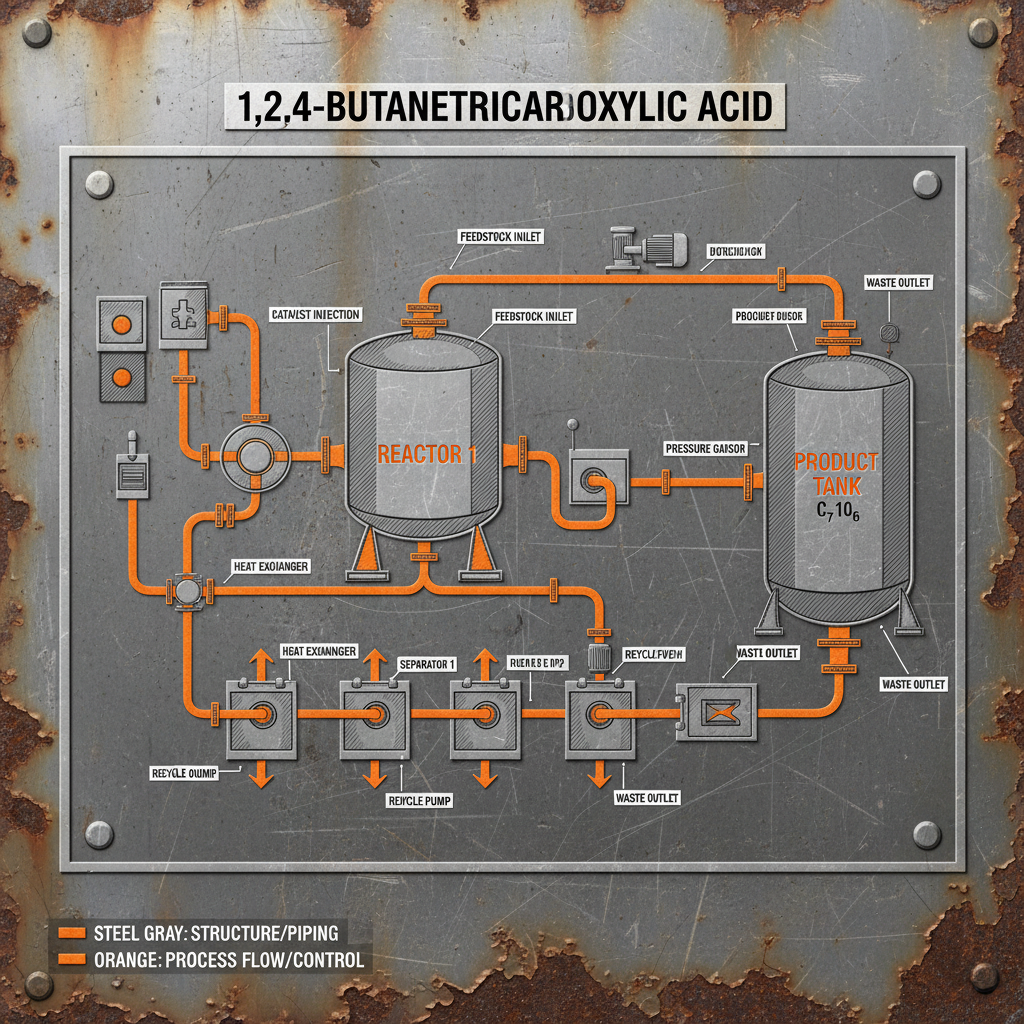
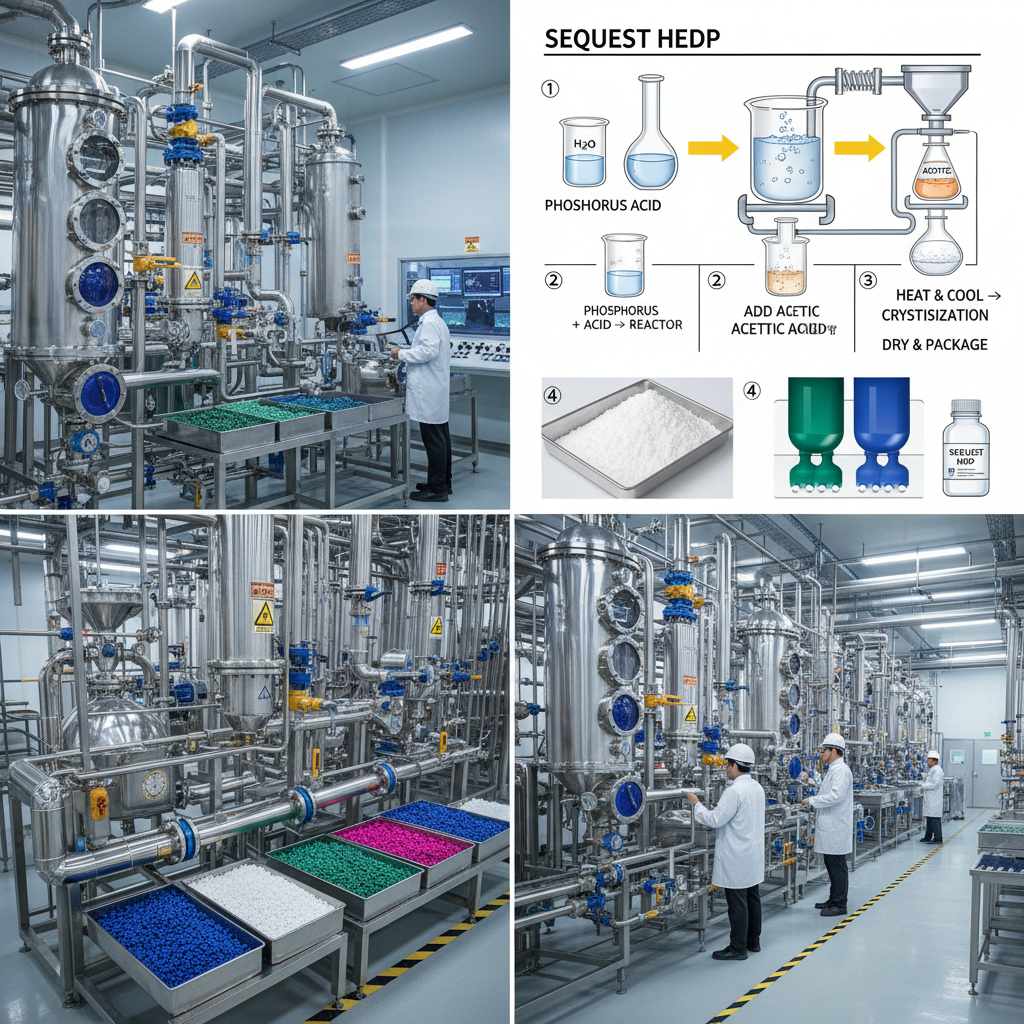
1 2 4 butanetricarboxylic acid1 2 4, a versatile organic compound, is gaining prominence across diverse industrial and research applications. Its unique molecular structure lends itself to use as a building block in polymers, a crosslinking agent, and even a potential precursor in pharmaceutical synthesis. Understanding its properties and applications is crucial for innovation in materials science, chemical engineering, and related fields. The global demand for sustainable and high-performance materials is driving increased interest in compounds like 1 2 4 butanetricarboxylic acid1 2 4, prompting ongoing research and development.
The significance of 1 2 4 butanetricarboxylic acid1 2 4 stems from its ability to impart specific characteristics to materials, such as enhanced durability, flexibility, and thermal stability. Its potential to replace less environmentally friendly alternatives aligns with the growing focus on green chemistry and sustainable manufacturing practices. Furthermore, the relatively straightforward synthesis of 1 2 4 butanetricarboxylic acid1 2 4 from renewable resources makes it an attractive option for industries seeking to reduce their carbon footprint.
As global challenges such as climate change and resource scarcity intensify, the development and utilization of innovative materials like those incorporating 1 2 4 butanetricarboxylic acid1 2 4 become increasingly vital. Its potential impact spans across sectors from packaging and automotive to construction and healthcare, offering solutions for a more sustainable and efficient future.
Introduction: Global or Industry Context
The global chemical industry is currently valued at trillions of dollars, with a significant portion dedicated to the research and production of specialty chemicals like 1 2 4 butanetricarboxylic acid1 2 4. According to the UN Conference on Trade and Development (UNCTAD), the demand for these chemicals is expected to continue growing, particularly in emerging economies. The increasing focus on sustainable materials and green chemistry is a major driver. The production and use of 1 2 4 butanetricarboxylic acid1 2 4 represents a move toward more environmentally responsible chemical processes.
The ISO 14001 standard, a globally recognized framework for environmental management systems, is influencing chemical manufacturers to adopt cleaner production methods and reduce their environmental impact. 1 2 4 butanetricarboxylic acid1 2 4, with its potential for bio-based production and reduced toxicity compared to some alternatives, aligns with these standards. This compound is finding increased utility within sectors actively working to meet these regulations.
A critical challenge facing the chemical industry is reducing reliance on fossil fuels and transitioning towards renewable feedstocks. 1 2 4 butanetricarboxylic acid1 2 4 presents a viable pathway towards addressing this issue, as it can be derived from biomass sources. Its role in creating more sustainable polymers and coatings is contributing to the broader industry-wide efforts to mitigate climate change and promote a circular economy.
Definition & Meaning
1 2 4 butanetricarboxylic acid1 2 4 is an organic compound with the chemical formula C8H10O6. Structurally, it’s a tricarboxylic acid—meaning it contains three carboxyl groups (-COOH) attached to a butane (four-carbon) chain. Its key characteristic lies in the spatial arrangement of these carboxyl groups, which allows it to act as a versatile crosslinking agent and building block for various polymers and resins.
In modern industry, 1 2 4 butanetricarboxylic acid1 2 4 serves as an essential component in the production of alkyd resins, commonly utilized in paints, coatings, and varnishes. Its inclusion improves the flexibility, adhesion, and weather resistance of these products. Beyond coatings, its use extends to plasticizers, adhesives, and even specialized applications in the pharmaceutical industry as a potential precursor in drug synthesis.
From a humanitarian needs perspective, 1 2 4 butanetricarboxylic acid1 2 4 has relevance in developing durable and cost-effective materials for infrastructure projects in developing countries. Its ability to enhance the performance of concrete and other construction materials can contribute to building resilient and sustainable communities. Furthermore, its potential role in biodegradable polymers offers solutions for reducing plastic waste and promoting environmental sustainability.
Key Factors or Core Components
Durability: 1 2 4 butanetricarboxylic acid1 2 4 imparts exceptional durability to materials. The presence of multiple carboxyl groups allows for strong intermolecular forces, resulting in enhanced resistance to abrasion, chemicals, and weathering. This is crucial in applications where longevity and performance under harsh conditions are paramount.
Flexibility: Unlike some rigid polymers, materials incorporating 1 2 4 butanetricarboxylic acid1 2 4 exhibit increased flexibility. The tricarboxylic acid structure introduces a degree of internal plasticization, preventing brittleness and allowing for greater deformation without cracking. This is particularly important in coatings and adhesives that need to withstand stress and movement.
Crosslinking Ability: The three carboxyl groups provide multiple sites for crosslinking reactions, enabling the formation of robust and interconnected polymer networks. This crosslinking significantly improves the mechanical properties, thermal stability, and solvent resistance of the resulting materials. It’s a key factor in its usefulness in resin production.
Global Applications & Use Cases
1 2 4 butanetricarboxylic acid1 2 4 is widely applied in the coatings industry globally. Specifically, it's a significant component in alkyd resins utilized in architectural paints, automotive coatings, and industrial finishes. Demand is particularly high in regions with rapidly expanding construction and automotive sectors like China, India, and Southeast Asia.
In the construction sector, 1 2 4 butanetricarboxylic acid1 2 4 is increasingly used as an additive in cement and concrete mixtures. This enhances the workability, strength, and durability of these materials, making them ideal for infrastructure projects in challenging environments. Its use is gaining traction in areas prone to seismic activity or extreme weather conditions.
The adhesive industry leverages 1 2 4 butanetricarboxylic acid1 2 4 in formulating high-performance adhesives for packaging, woodworking, and automotive applications. Companies in Germany, Japan, and the United States are leading the development of innovative adhesive solutions utilizing this compound. In post-disaster relief operations, its potential role in rapidly deployable, durable shelters is also being explored.
1 2 4 butanetricarboxylic acid1 2 4 Application Ratings
Advantages & Long-Term Value
Utilizing 1 2 4 butanetricarboxylic acid1 2 4 offers significant cost advantages compared to some traditional alternatives. Its relatively straightforward synthesis and potential for bio-based sourcing can lead to lower raw material costs, especially as demand for sustainable materials increases. Furthermore, the enhanced durability and lifespan of products incorporating this compound reduce the need for frequent replacements, lowering long-term maintenance expenses.
From a sustainability perspective, 1 2 4 butanetricarboxylic acid1 2 4 presents a compelling option. Its potential to be derived from renewable resources minimizes reliance on fossil fuels and reduces greenhouse gas emissions. The development of biodegradable polymers incorporating this compound further contributes to a circular economy, reducing plastic waste and environmental pollution. This aligns with global initiatives promoting green chemistry and responsible manufacturing.
Future Trends & Innovations
Ongoing research is focused on developing more efficient and sustainable methods for producing 1 2 4 butanetricarboxylic acid1 2 4 from biomass sources, such as agricultural waste and non-food crops. Advancements in biotechnology and catalytic processes are expected to further reduce production costs and environmental impact. This ties into broader trends in green chemistry and bio-refining.
The integration of 1 2 4 butanetricarboxylic acid1 2 4 into smart materials and responsive coatings is an emerging area of innovation. Researchers are exploring its potential in creating self-healing materials, sensors, and coatings with tunable properties. These advancements could revolutionize various industries, from automotive and aerospace to healthcare and environmental monitoring.
Challenges & Solutions
A current limitation is the relatively low production volume of 1 2 4 butanetricarboxylic acid1 2 4 compared to other industrial chemicals. This can lead to higher costs and limited availability. Scaling up production capacity through investment in new manufacturing facilities and optimization of existing processes is essential to address this challenge.
Another challenge lies in optimizing the purity and consistency of 1 2 4 butanetricarboxylic acid1 2 4 production. Impurities can affect the performance of the final products. Implementing stringent quality control measures and developing advanced purification techniques are crucial for ensuring consistent product quality and meeting the demands of high-performance applications.
Finally, overcoming the perception that bio-based chemicals are inherently less effective than their fossil-fuel-derived counterparts requires demonstrating the superior performance and sustainability benefits of materials incorporating 1 2 4 butanetricarboxylic acid1 2 4 through rigorous testing and independent verification. Collaborative research between industry and academia is key to addressing these challenges.
Key Analytical Dimensions for 1 2 4 butanetricarboxylic acid1 2 4 Production
| Production Method |
Cost Efficiency (1-10) |
Environmental Impact (1-10) |
Scalability (1-10) |
| Fossil Fuel-Based Synthesis |
8 |
3 |
9 |
| Bio-Based Fermentation |
6 |
7 |
7 |
| Catalytic Oxidation of Bio-Based Precursors |
7 |
6 |
8 |
| Electrochemical Synthesis |
5 |
8 |
5 |
| Hybrid Approach (Bio & Chemical) |
7 |
5 |
8 |
| Novel Enzymatic Conversion |
4 |
9 |
4 |
FAQS
1 2 4 butanetricarboxylic acid1 2 4 is primarily used as a key component in alkyd resin production for coatings. It enhances flexibility, adhesion, and weather resistance. Its use is prevalent in architectural paints, automotive coatings, and industrial finishes, improving durability and longevity compared to coatings without it. Its ability to crosslink efficiently contributes to a stronger, more resilient coating matrix.
Yes, 1 2 4 butanetricarboxylic acid1 2 4 is often considered a more sustainable alternative. It can be sourced from renewable biomass, reducing reliance on fossil fuels. Additionally, coatings formulated with this compound tend to have a longer lifespan, reducing the need for frequent re-application and minimizing waste. The lower VOC potential in some formulations also contributes to its environmental benefits.
The cost of 1 2 4 butanetricarboxylic acid1 2 4 can vary depending on the production method, purity, and quantity purchased. Generally, it’s slightly more expensive than some petroleum-derived tricarboxylic acids. However, the overall cost-effectiveness can be higher when considering its performance benefits and the potential for bio-based sourcing, which can offer cost advantages in the long run.
1 2 4 butanetricarboxylic acid1 2 4 is generally considered a low-toxicity compound. However, as with any chemical, appropriate safety precautions should be taken. This includes wearing personal protective equipment (PPE) such as gloves and eye protection. Avoid inhalation of dust or vapors, and ensure adequate ventilation when handling the material. Refer to the Safety Data Sheet (SDS) for detailed safety information.
Yes, research is ongoing regarding the use of 1 2 4 butanetricarboxylic acid1 2 4 in the production of biodegradable polymers. Its structure can be incorporated into polymer backbones to enhance biodegradability and improve material properties. While still under development, it shows promise as a key component in creating more sustainable plastic alternatives.
The primary obstacles include relatively limited production capacity and, consequently, higher cost compared to established alternatives. Scalability of bio-based production methods remains a challenge. Additionally, increasing awareness and demonstrating the long-term benefits to potential adopters within various industries are important steps towards wider adoption.
Conclusion
1 2 4 butanetricarboxylic acid1 2 4 represents a significant advancement in the realm of sustainable and high-performance materials. Its unique properties – durability, flexibility, and crosslinking ability – make it a versatile building block across diverse industries, from coatings and construction to adhesives and emerging bio-plastic technologies. Its potential to be derived from renewable resources positions it as a key component in the transition towards a more circular and environmentally responsible economy.
Looking ahead, continued research and investment in scaling up production capacity and optimizing bio-based synthesis methods are crucial for realizing the full potential of 1 2 4 butanetricarboxylic acid1 2 4. Further exploration of its applications in smart materials and responsive coatings promises even more innovative solutions for a sustainable future. To learn more about the applications of 1 2 4 butanetricarboxylic acid1 2 4 and how it can benefit your organization, visit our website: https://www.lkpbtc.com.