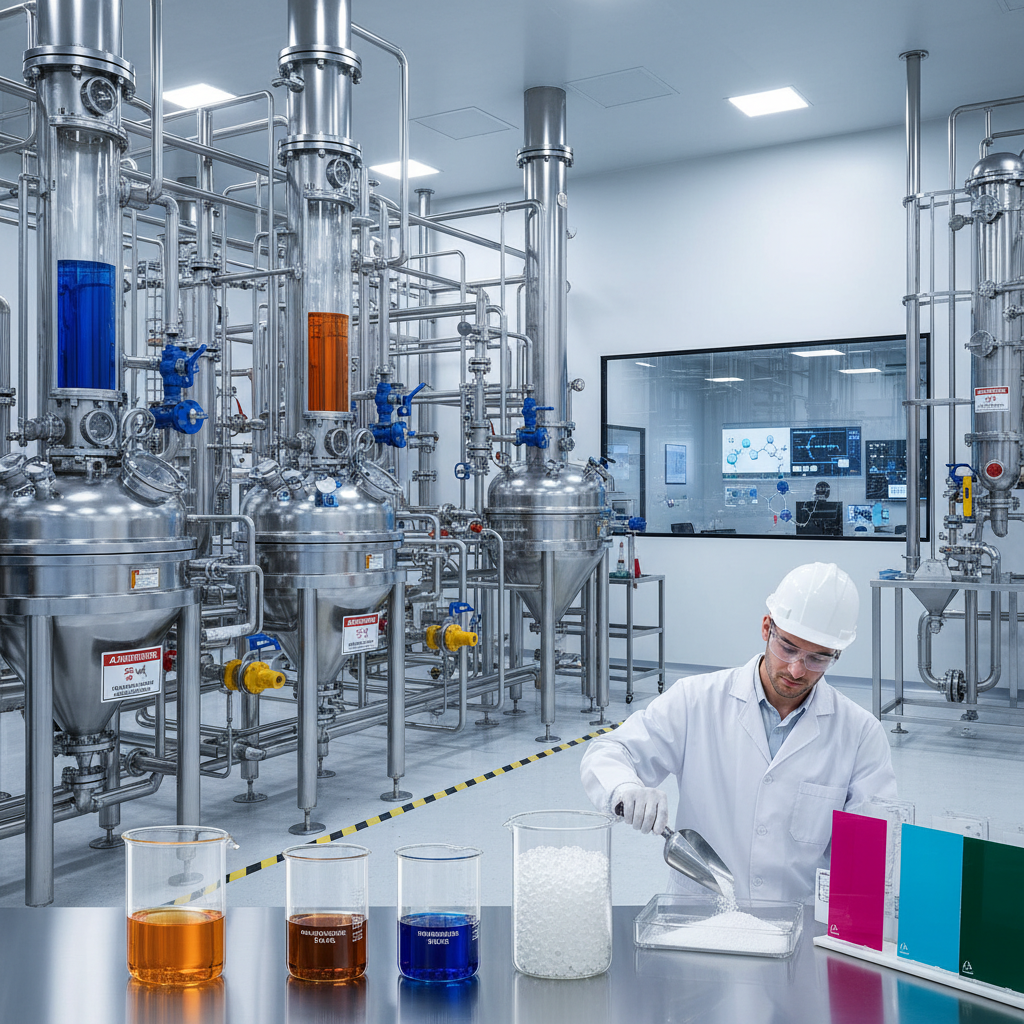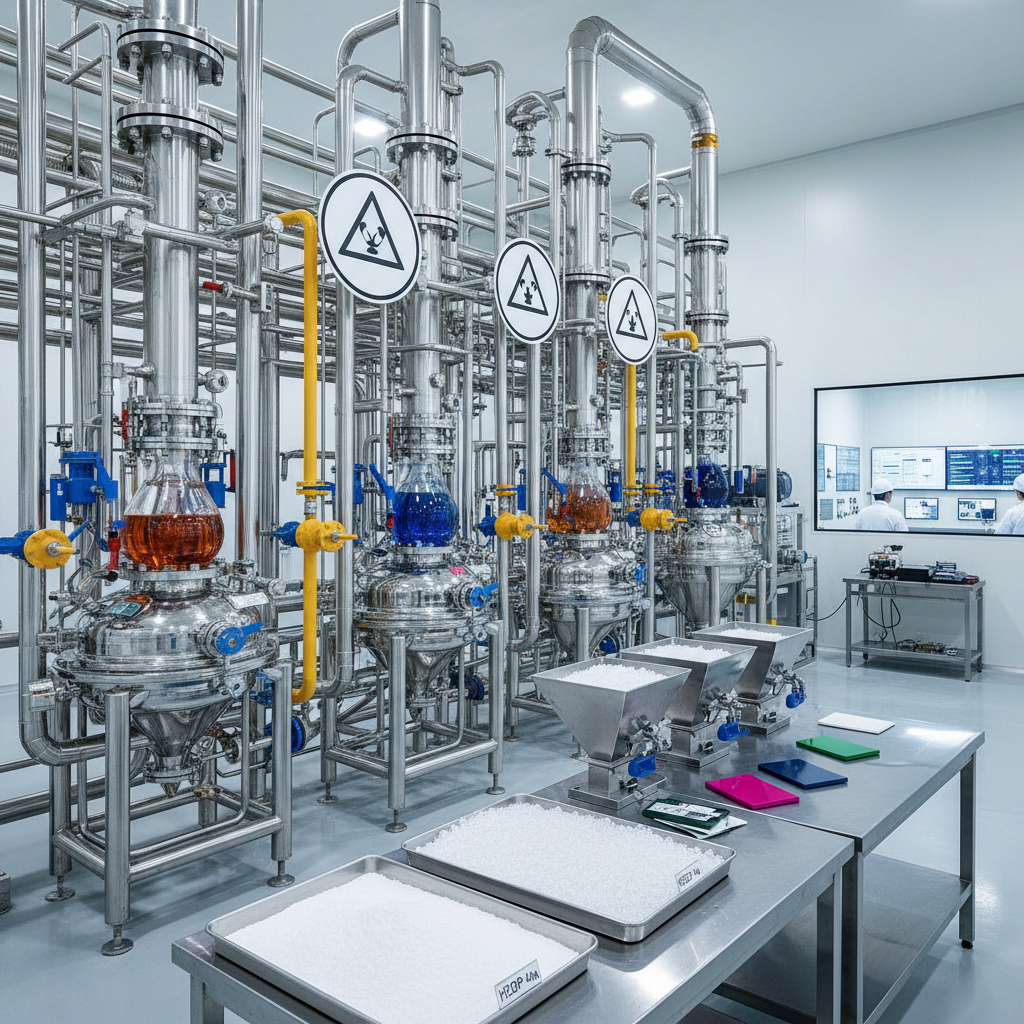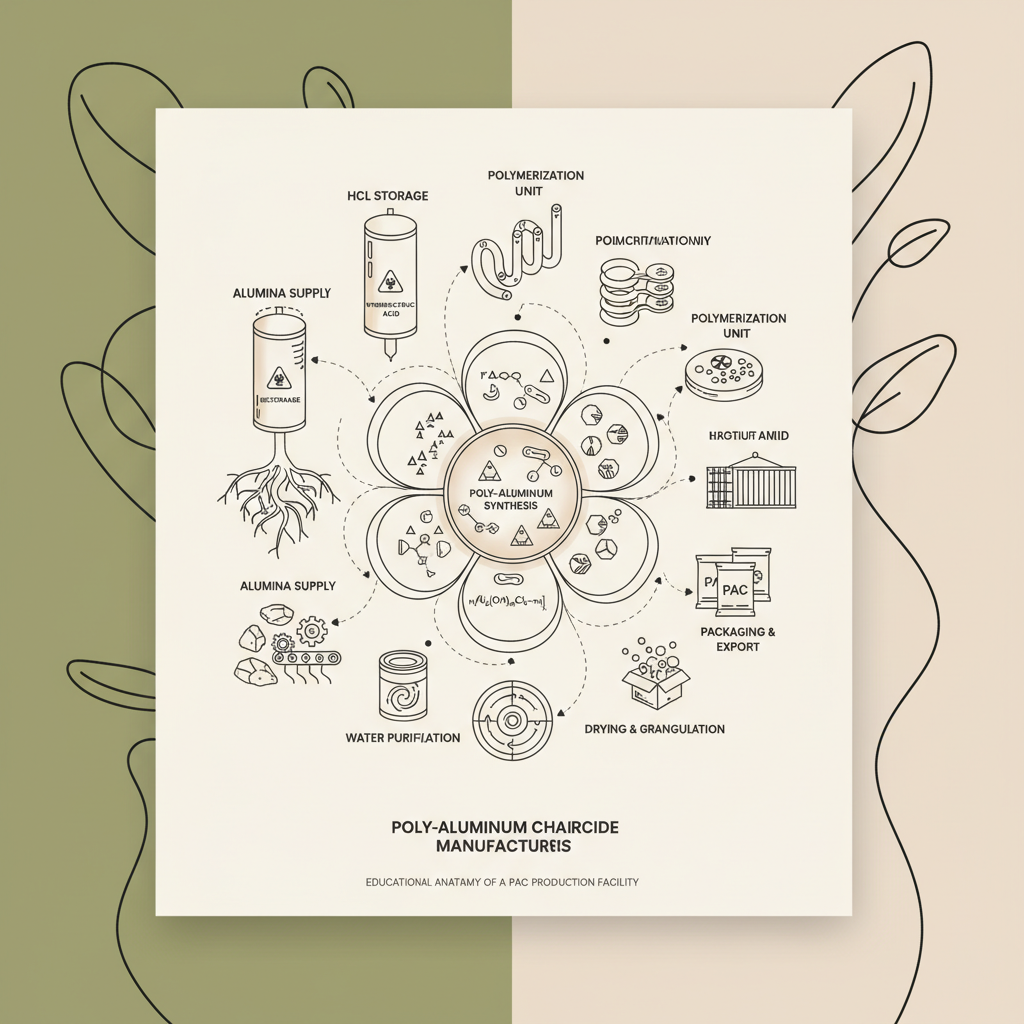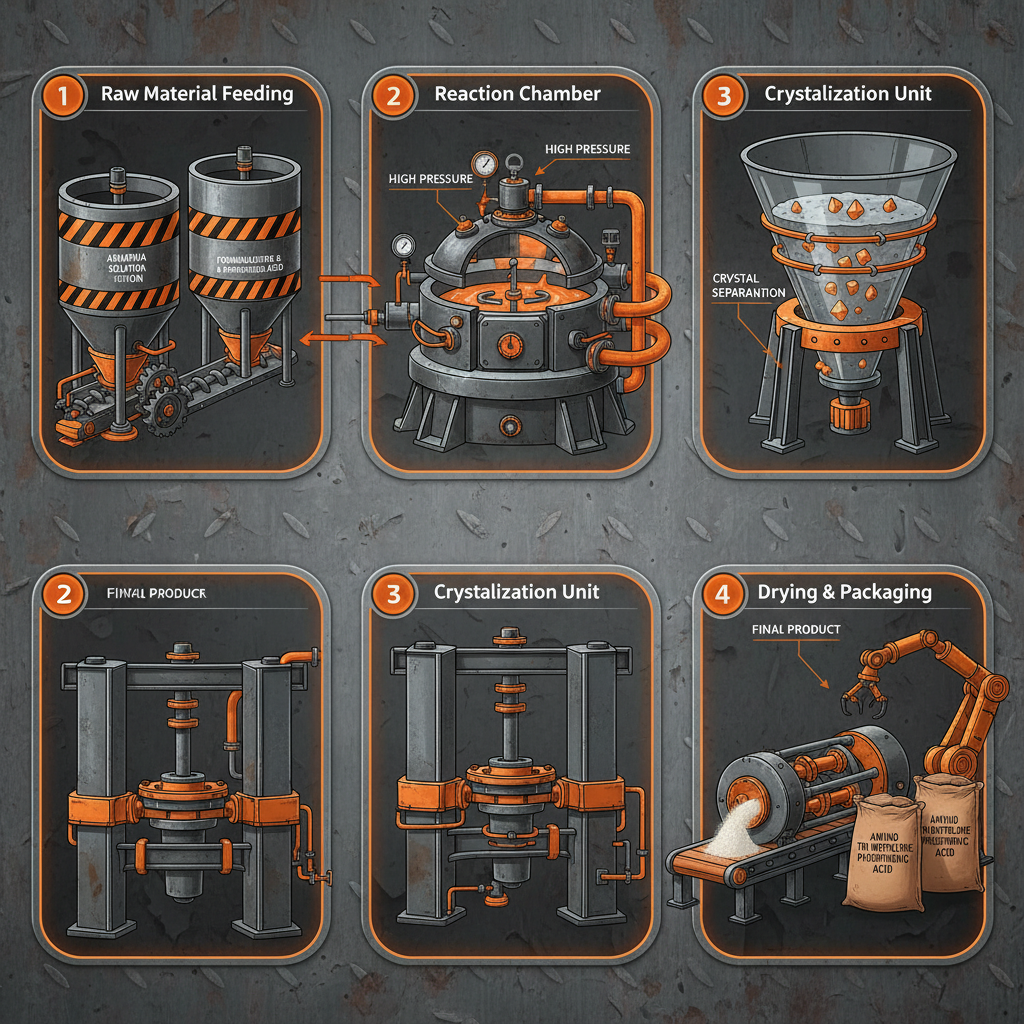
When sourcing industrial water treatment chemicals, identifying a reliable polyacrylamide supplier often comes down to understanding the specific molecular requirements of your wastewater or cooling system. The challenge for many procurement managers is not finding a vendor, but finding one whose product specifications align with the precise ionic charge and molecular weight needed for efficient flocculation. This technical misalignment often leads to excessive chemical consumption and poor effluent quality.
The intersection of flocculants and scale inhibitors is where system efficiency is truly optimized. While polyacrylamide manages suspended solids, complementary agents like Phosphonates Antiscalants and Polycarboxylic Antiscalant and Dispersant prevent the mineral buildup that can shield contaminants from the flocculation process. Integrating these specialized chemicals ensures that industrial circuits remain clear and that water treatment costs are minimized through synergistic chemical action.
Navigating the technical landscape of specialty chemicals requires a partner capable of providing both the raw material and the analytical support to validate its performance. By focusing on the relationship between chemical structure and industrial application, businesses can transition from simple procurement to strategic optimization. This guide analyzes the critical criteria for selecting a polyacrylamide supplier and how to integrate these solutions into a broader water management strategy.


Flocculants serve as the primary mechanism for removing colloidal particles and suspended solids from industrial water. By neutralizing the electrical charges of fine particles, these high-molecular-weight polymers bridge the gap between small particles, creating larger "flocs" that can be easily removed via sedimentation or filtration. In the context of specialized chemical manufacturing, the effectiveness of a flocculant is dictated by its charge density—whether anionic, cationic, or non-ionic—which must be precisely matched to the zeta potential of the target waste stream.
Hebei Longke Water Treatment Co., Ltd. integrates these capabilities by offering a comprehensive range of sewage treatment agents. The technical objective is not merely particle removal but the optimization of water clarity and the reduction of Chemical Oxygen Demand (COD). When a flocculant is correctly applied, it reduces the load on downstream filtration equipment, extending the lifecycle of membranes and reducing the frequency of backwashing cycles in municipal and industrial plants.
Evaluating a chemical supplier requires a deep dive into the active content and purity levels of the product. For instance, in the case of sodium salts of phosphonates like HEDP•Na4, the active content of the salt determines the dosing concentration required to achieve a specific inhibition effect. Purity is not just about the primary ingredient but also about the limitation of impurities like iron (Fe), which can interfere with the chelating properties of the agent and lead to unintended precipitation in low-pressure boiler systems.
The critical performance metric for scale inhibitors is their effectiveness under high-temperature conditions; for example, HEDP•Na4 maintains strong scale and corrosion inhibition effects up to 250℃, making it viable for medium-pressure boiler environments where other organic acids would decompose.
Furthermore, solubility and physical form play a vital role in operational efficiency. Powdered forms of these chemicals are often preferred in freezing districts because they are easier to store and transport, provided the facility has the proper dissolution equipment. A technical evaluation should always include a check of the PH value in a 1% water solution to ensure compatibility with the existing system chemistry and to avoid shocking the biological treatment stages of a plant.
Understanding the balance between liquid and solid forms of water treatment chemicals is essential for optimizing supply chain costs and operational ease. Liquid formulations generally offer faster mixing times and more precise dosing through automated pumps, which is critical for circulating cooling water systems. However, solid forms provide a higher concentration of active ingredients per unit of volume, significantly reducing shipping costs and storage footprints.
Stability across temperature gradients is another deciding factor. While liquid agents may be susceptible to sedimentation or degradation over long periods in extreme heat, stabilized solids like white powder HEDP•Na4 are highly stable in shady, dry rooms for up to ten months. This stability ensures that the chemical potency remains constant from the time of manufacture to the time of application.
The application of specialized chemicals varies significantly by industry. In electric power and metallurgy, the focus is on preventing calcium carbonate scale in high-flow circulating water systems to maintain heat exchange efficiency. Here, a combination of HEDP•Na4 and polycarboxylic dispersants is used to keep mineral salts in suspension, preventing the formation of hard scale on metal surfaces that would otherwise lead to overheating and system failure.
In the textile and dyeing industry, the requirements shift toward stabilization. Chemicals are used as peroxide stabilizers and dye-fixing agents to ensure color uniformity and prevent fabric degradation. Similarly, in non-cyanide electroplating, these agents function as critical chelating agents, forming stable complexes with Fe, Cu, and Zn ions to prevent contamination of the plating bath and ensure a smooth, high-quality finish on the metal parts.
One of the most frequent challenges in water treatment is the "over-dosing" paradox, where excessive use of flocculants can actually lead to particle stabilization, preventing the very settling the user intends to achieve. This often happens when the pH of the water fluctuates outside the optimal range of the chemical. Implementing a real-time monitoring system for PH and turbidity allows for dynamic adjustment of the dosing rate, ensuring maximum efficiency with minimum chemical waste.
Another common issue is the incompatibility between different chemical classes, such as the interaction between certain anionic flocculants and cationic corrosion inhibitors. When these meet in a pipeline, they can form an insoluble complex that creates "chemical sludge," blocking filters and reducing flow rates. The solution lies in sequenced dosing—applying the scale inhibitor at the intake and the flocculant at the clarification stage.
Finally, the handling of alkaline materials like HEDP•Na4 requires strict safety protocols. Because these substances can cause irritation upon contact with skin or eyes, the implementation of automated feeding systems reduces human exposure. Training staff on the proper use of protective gear and the immediate use of water rinsing for splashes is a mandatory safety requirement for any facility handling these specialized chemicals.
A strategic approach to procurement moves beyond the lowest price per kilogram. Instead, it focuses on the "Total Cost of Treatment," which includes the dosing rate, the frequency of system cleaning, and the cost of sludge disposal. A high-purity agent from a specialized manufacturer might have a higher initial price but can reduce total operational expenditure by requiring lower dosages and extending the interval between boiler descaling.
The ability of a supplier to provide technical services—such as dynamic simulation experiments and routine water quality analysis—is a critical value-add. A supplier that can provide a stable static screening of the working circulating cooling water quality helps the buyer avoid the risks associated with trial-and-error dosing, which can lead to costly system downtime or equipment damage.
Ultimately, the goal is to establish a supply chain based on technical transparency. Buyers should demand clear specifications regarding active content, moisture levels, and the presence of metallic impurities. By aligning these specifications with the actual water chemistry of the plant, companies can ensure a consistent level of protection against corrosion and scale throughout the year.
| Application | Key Chemical | Primary Function | Critical Metric |
|---|---|---|---|
| Low Pressure Boiler | HEDP•Na4 | Scale Inhibition | Active Content % |
| Sewage Treatment | Flocculant | Solid Removal | Charge Density |
| Cooling Towers | Polycarboxylic | Dispersion | Thermal Stability |
| Textile Dyeing | HEDP•Na4 | Peroxide Stability | Chelating Power |
| Electroplating | Chelating Agent | Ion Sequestration | Purity (Fe max) |
| Oil Field Pipes | Phosphonates | Corrosion Control | PH Range |
Flocculants are high-molecular-weight polymers used to aggregate suspended solids into larger particles for removal, whereas scale inhibitors are smaller molecules designed to prevent minerals from precipitating and forming hard deposits on surfaces. While flocculants clean the water of solids, scale inhibitors protect the equipment from mineral buildup.
The active content directly determines the amount of chemical needed to achieve the desired inhibition effect. A product with 85% active content in powder form requires a lower mass dose than a 30% liquid solution to provide the same level of protection, directly impacting shipping costs and dosing pump calibrations.
Yes, HEDP•Na4 is suitable for swimming pool systems because it prevents calcium carbonate scale and manages metal ions. Its ability to form stable complexes with iron and copper prevents the staining of pool surfaces and keeps the water clear, provided it is dosed according to safety specifications for potable or recreational water.
They should be stored in a shady, dry room to avoid moisture absorption, as some sodium salts are deliquescent. For powders, keeping them in sealed bags prevents clumping. Liquid products should be stored in plastic drums or IBC tanks away from direct sunlight to maintain chemical stability for the recommended ten-month period.
Low-purity inhibitors often contain higher levels of iron or other metallic impurities. These impurities can act as catalysts for corrosion or form their own precipitates, which can lead to "fouling" of the heat exchanger surfaces, effectively defeating the purpose of using the inhibitor and increasing maintenance costs.
Choose liquid forms if you require immediate solubility and have precise automated dosing systems. Choose powder forms if you are operating in freezing climates, have limited storage space, or want to reduce transportation costs. Powder forms are generally more concentrated but require a dissolution tank before application.
Effective industrial water treatment is not the result of a single chemical but the strategic integration of flocculants, scale inhibitors, and dispersants. By focusing on technical specifications such as active content, thermal stability, and ionic charge, operators can ensure that their systems remain efficient and their equipment is protected from the corrosive effects of mineral buildup and oxidation.
Selecting a partner that provides both high-quality chemical production and analytical support is essential for long-term operational success. For organizations seeking to optimize their water treatment protocols or source high-purity specialty chemicals, exploring the technical capabilities at https://www.lkpbtc.com can provide the necessary insights to improve system reliability and reduce overall chemical expenditure.