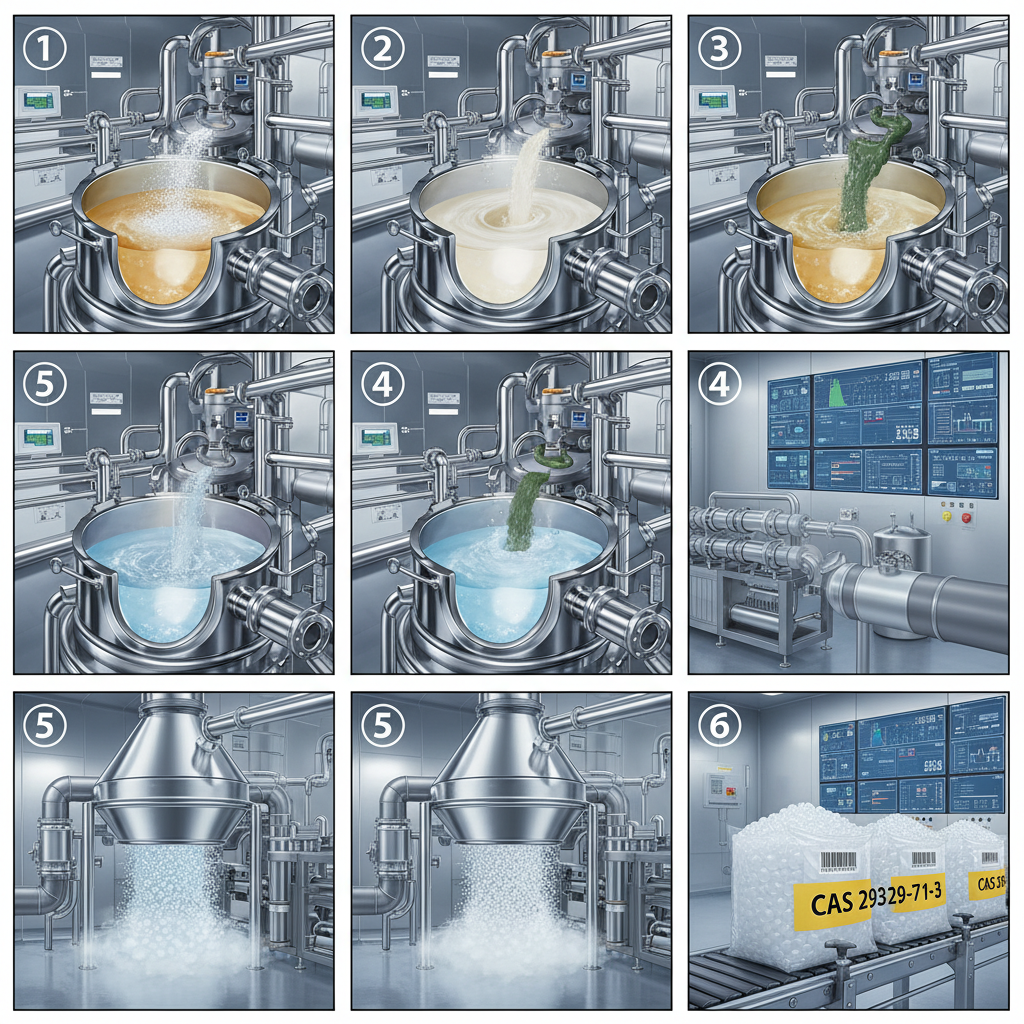
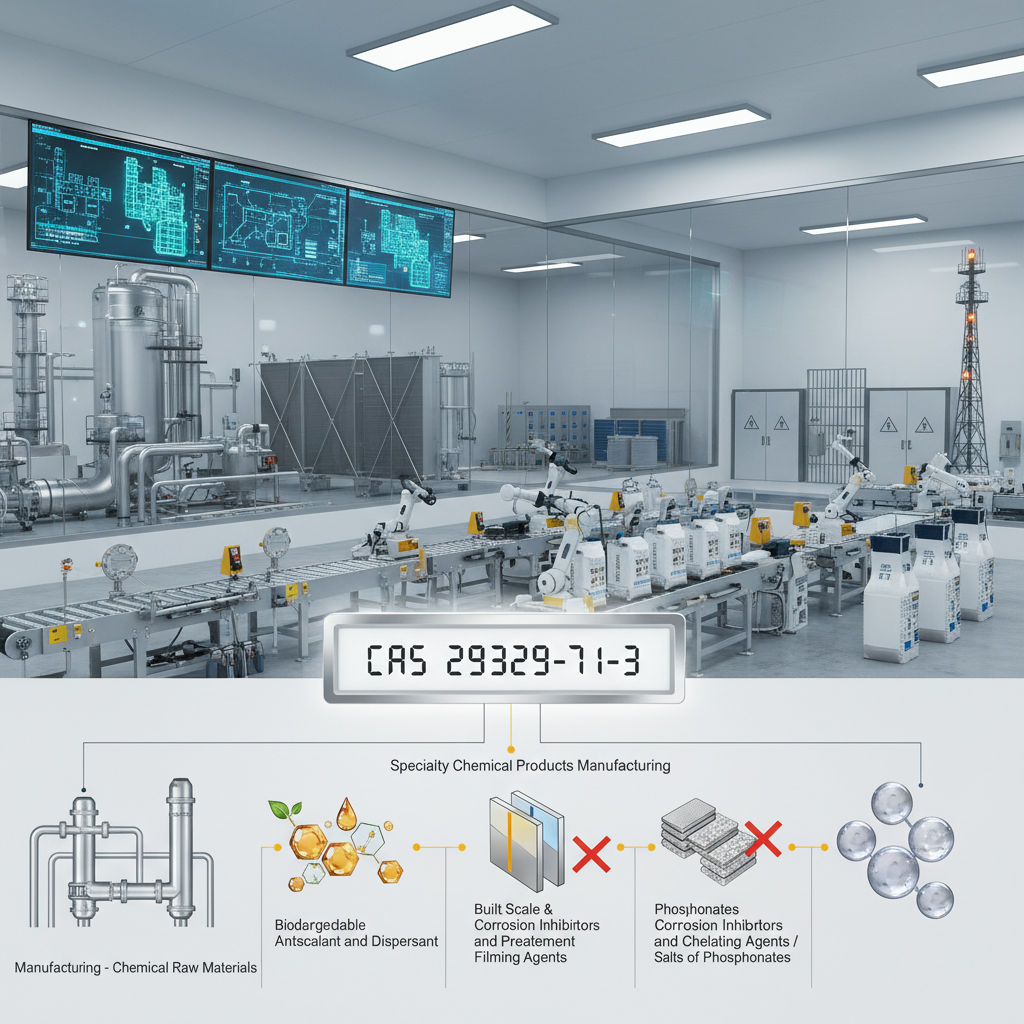
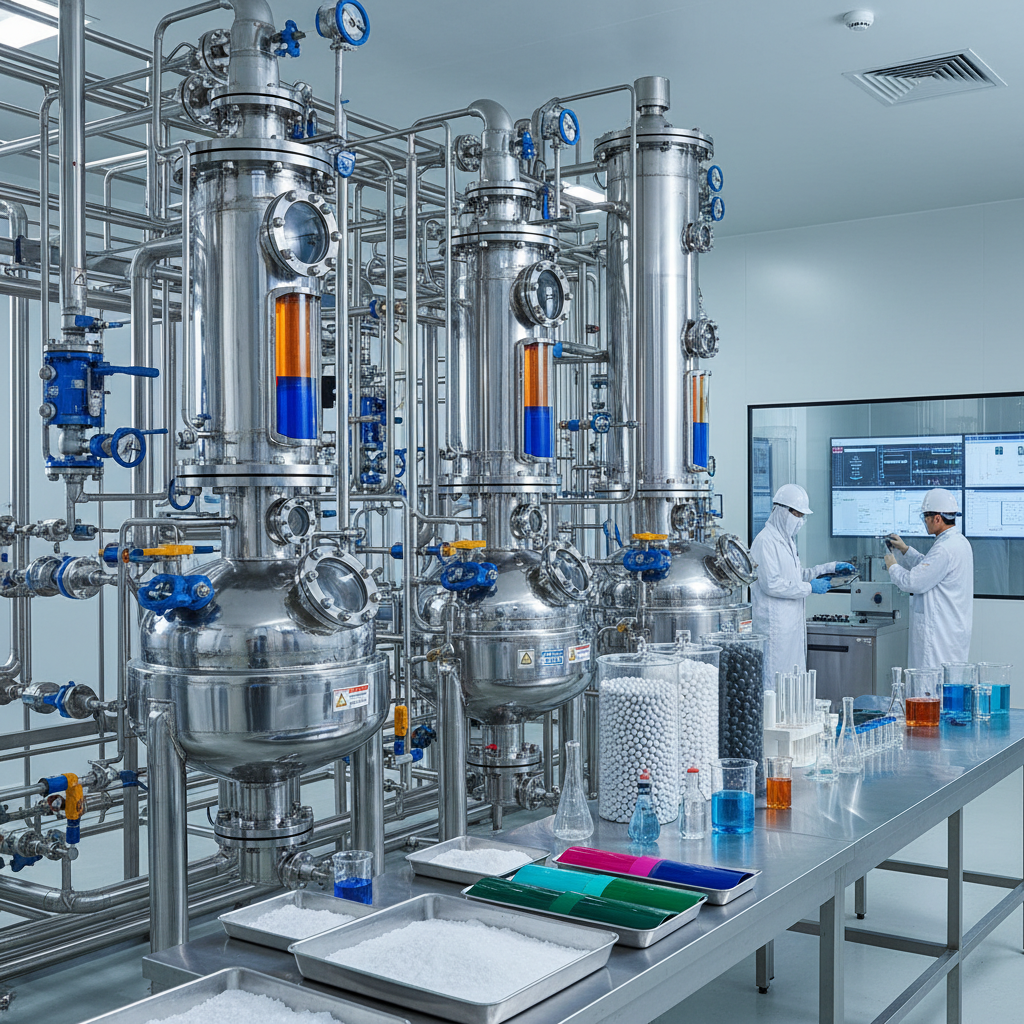
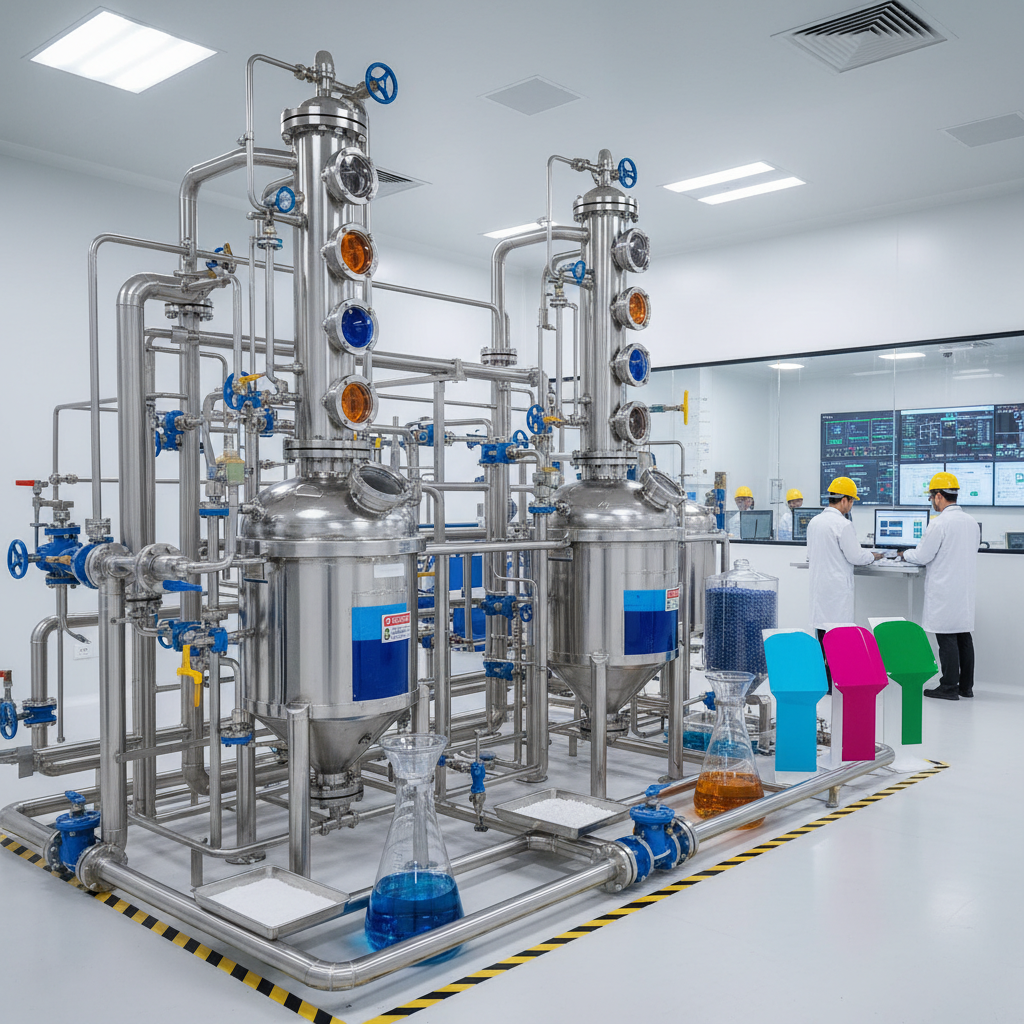
In the complex world of specialty chemicals, cas 29329 71 3 represents a critical nexus of chemical engineering and industrial utility. As global industries shift toward more efficient water treatment and material stabilization, understanding the precise application of this compound becomes essential for engineers and procurement specialists alike.
The global demand for high-performance specialty agents has seen a marked increase, with an emphasis on biodegradable and high-efficiency inhibitors. The integration of cas 29329 71 3 into industrial workflows allows for a significant reduction in operational downtime by mitigating the risks of mineral scaling and corrosive degradation in high-stress environments.
By exploring the chemical properties and systemic benefits of cas 29329 71 3, organizations can optimize their chemical expenditure while enhancing the lifespan of their infrastructure. This guide provides a comprehensive analysis of its role within the broader spectrum of phosphonates and polycarboxylic antiscalants.
Global Industrial Relevance of cas 29329 71 3
In the context of the global chemical market, cas 29329 71 3 serves as a cornerstone for industries relying on heavy-duty water circulation systems. According to industrial standards aligned with ISO guidelines, the prevention of calcium carbonate and sulfate scaling is paramount for maintaining energy efficiency in power plants and refineries.
The strategic deployment of this compound addresses the chronic challenge of mineral accumulation, which often leads to catastrophic heat exchanger failure. By employing cas 29329 71 3, companies can maintain optimal flow rates and thermal conductivity, directly impacting the bottom line through reduced energy consumption and lower maintenance costs.
Definition and Chemical Nature of cas 29329 71 3
At its core, cas 29329 71 3 is a high-efficiency specialty chemical agent designed to interfere with the crystallization process of scale-forming salts. It operates by adsorbing onto the surface of nascent crystals, distorting their growth and preventing them from adhering to metal surfaces.
This chemical is often categorized within the broader family of phosphonates or polycarboxylic acids, depending on the specific formulation. Its molecular structure allows it to remain stable across a wide range of pH levels and temperatures, making it a versatile tool for diverse industrial environments from acidic cleaning cycles to alkaline cooling towers.
Beyond simple scale inhibition, cas 29329 71 3 plays a vital role in chelating multivalent metal ions. This capability prevents the precipitation of heavy metals, thereby protecting expensive alloys from pitting corrosion and ensuring the longevity of the entire system.
Core Performance Factors of cas 29329 71 3
The efficacy of cas 29329 71 3 is primarily measured by its threshold inhibition capability. Unlike traditional precipitants, this agent works at sub-stoichiometric concentrations, meaning a small amount of the chemical can prevent a large amount of scale from forming.
Thermal stability is another critical factor for cas 29329 71 3. In high-pressure boiler systems or geothermal plants, chemicals often break down under extreme heat. This specific compound is engineered to resist thermal degradation, ensuring consistent protection even in the most demanding heat-transfer zones.
Furthermore, the compatibility of cas 29329 71 3 with other biocides and algicides is essential. In a holistic water treatment program, it must work in synergy with other agents to prevent bio-fouling without causing unwanted chemical precipitates or neutralizing the effect of other additives.
Global Applications and Use Cases for cas 29329 71 3
In real-world industrial applications, cas 29329 71 3 is widely deployed across North America, Europe, and Asia in the textile and dyeing industries. Here, it prevents the precipitation of salts in dye baths, ensuring uniform color distribution and preventing fabric spotting.
In remote industrial zones, such as desalination plants in the Middle East, this compound is indispensable. The high salinity of intake water creates a constant risk of membrane scaling; the application of cas 29329 71 3 ensures that reverse osmosis membranes operate at peak efficiency, reducing the frequency of costly chemical cleanings.
Performance Efficiency Analysis of cas 29329 71 3 Formulations
Long-Term Value and Sustainability of cas 29329 71 3
The long-term value of cas 29329 71 3 extends beyond mere operational efficiency; it is a matter of environmental stewardship. By reducing the need for aggressive acid descaling treatments, this compound lowers the volume of hazardous waste generated by industrial facilities.
Furthermore, the reliability of cas 29329 71 3 fosters trust between plant operators and regulatory bodies. Its ability to stabilize water chemistry prevents unplanned leakages and equipment ruptures, ensuring a safer working environment and reducing the overall carbon footprint through optimized energy usage.
Future Innovations in cas 29329 71 3 Technology
Looking ahead, the evolution of cas 29329 71 3 is leaning toward "Green Chemistry." Researchers are developing biodegradable derivatives that maintain the high performance of the original molecule while ensuring that discharge water is non-toxic to aquatic ecosystems.
Digital transformation is also playing a role through the integration of smart dosing systems. By using real-time sensors to monitor mineral saturation, AI-driven controllers can inject the precise amount of cas 29329 71 3 required, eliminating chemical waste and further reducing operational costs.
Additionally, the synthesis of hybrid polymers combining the properties of cas 29329 71 3 with nanotechnology is on the horizon. These "smart molecules" could potentially target specific crystal lattices with surgical precision, providing unprecedented levels of scale inhibition in hypersaline waters.
Overcoming Implementation Challenges with cas 29329 71 3
Despite its benefits, implementing cas 29329 71 3 can present challenges, particularly regarding initial dosing calculations. Incorrect concentrations can lead to under-protection or, in rare cases, the formation of complex sludge if the water chemistry is not properly balanced.
Expert insight suggests that a comprehensive water analysis is the only way to overcome these hurdles. By mapping the Langelier Saturation Index (LSI) of the source water, engineers can tailor the cas 29329 71 3 dosage to the specific mineral profile of the site.
Another common limitation is the compatibility with legacy equipment. Transitioning to a newer cas 29329 71 3 based regimen may require a thorough system flush to remove old, incompatible inhibitors. However, the long-term gains in efficiency far outweigh the temporary inconvenience of the transition.
Analysis of cas 29329 71 3 Application Parameters
| Application Sector |
Dosage Level |
Stability Score |
Expected Lifespan Gain |
| Cooling Towers |
Low to Medium |
9/10 |
+25% |
| Boiler Systems |
Medium |
8/10 |
+30% |
| Desalination RO |
Precise / Low |
10/10 |
+40% |
| Textile Dyeing |
Medium to High |
7/10 |
+15% |
| Oil Refineries |
Medium |
9/10 |
+20% |
| Geothermal Plants |
High |
6/10 |
+50% |
FAQS
Unlike standard phosphates, cas 29329 71 3 utilizes threshold inhibition. This means it can prevent scale formation at concentrations significantly lower than the molar amount of the scale-forming minerals, reducing chemical runoff and cost.
While highly effective, the use of cas 29329 71 3 in potable water must adhere to local health regulations (such as FDA or EU standards). It is primarily designed for industrial circulation and closed-loop systems.
This compound is engineered for high thermal stability. However, at extreme temperatures exceeding 200°C, the efficiency may slightly decrease. We recommend specialized heat-resistant grades for high-pressure boiler applications.
Yes, cas 29329 71 3 is generally compatible with most non-oxidizing biocides. If using high concentrations of chlorine or bromine, we suggest a compatibility test to ensure no precipitation occurs.
When stored in original, sealed containers in a cool, dry place, cas 29329 71 3 typically maintains its full potency for 24 months.
Dosage depends on the hardness (CaCO3 equivalent) of your water. We recommend providing a water analysis report to our technical team so we can calculate the optimal ppm for cas 29329 71 3 based on your LSI.
Conclusion
In summary, cas 29329 71 3 is an indispensable asset for modern industrial water management, offering a sophisticated balance of scale inhibition, corrosion protection, and thermal stability. Its ability to function at threshold concentrations makes it a cost-effective and environmentally responsible choice for a wide array of sectors, from desalination to heavy manufacturing.
As the industry moves toward more sustainable and digitally integrated chemical management, the role of high-performance agents like cas 29329 71 3 will only grow. We encourage facility managers and chemical engineers to integrate these advanced solutions to ensure operational resilience and environmental compliance. Visit our website: www.lkpbtc.com for more technical specifications and procurement options.