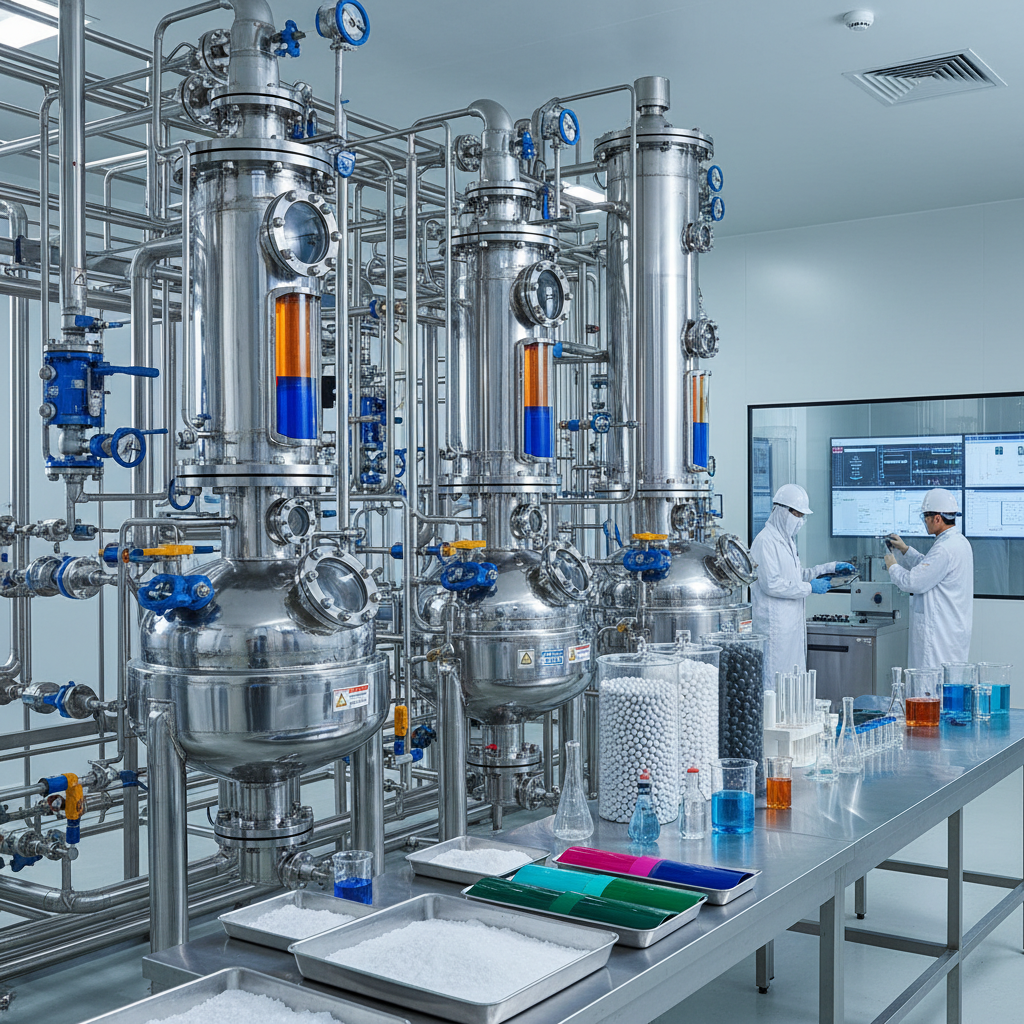
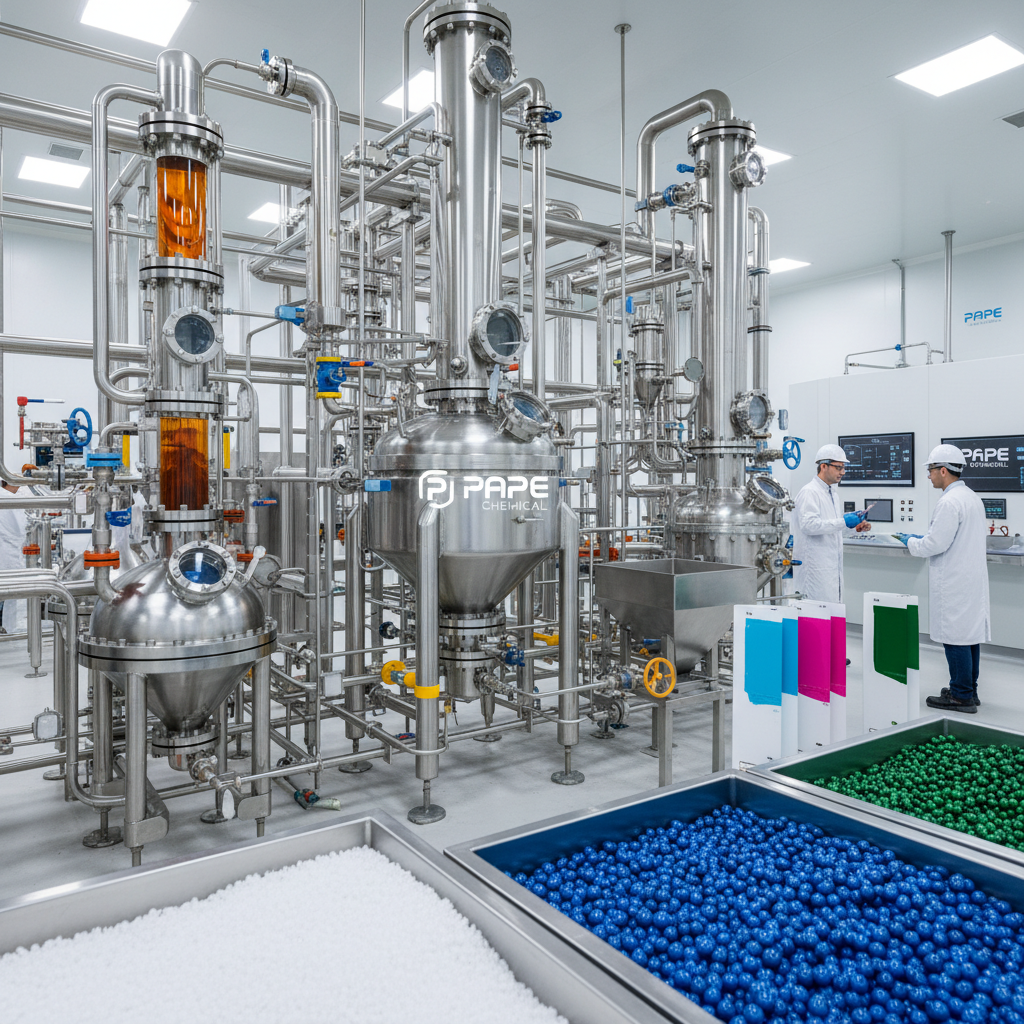
In the complex landscape of industrial chemistry, 3794 83 0 stands as a critical component for maintaining system efficiency and operational longevity. As industries push toward higher performance and stricter environmental compliance, the role of specialized chemical agents in preventing scale and corrosion has become paramount for sustainable infrastructure management.
Understanding the technical nuances of 3794 83 0 is not merely a matter of chemistry but a strategic necessity for plant managers and engineers worldwide. By optimizing the chemical balance in cooling towers, boilers, and oilfield injection systems, this compound ensures that heat transfer remains efficient and equipment downtime is minimized.
Globally, the demand for high-purity chemical additives like 3794 83 0 is driven by the need for biodegradable and low-toxicity solutions that do not compromise on industrial power. This guide explores the technical properties, global applications, and future trajectories of this essential industrial agent.
Global Industrial Relevance of 3794 83 0
The global industrial sector relies heavily on the stability of water treatment and chemical processing, where 3794 83 0 plays a pivotal role. According to ISO standards for industrial water quality, the prevention of mineral scaling is essential to prevent catastrophic equipment failure. In regions like Southeast Asia and North America, where water hardness varies significantly, the deployment of this compound helps stabilize operations across diverse environments.
Moreover, the economic impact of scale-related energy loss is staggering. By implementing a rigorous regime involving 3794 83 0, facilities can reduce their carbon footprint by optimizing heat exchange efficiency. This aligns with global sustainability goals, ensuring that industrial growth does not come at the cost of excessive resource wastage.
Technical Definition and Chemical Significance
In simple terms, 3794 83 0 is a specialized chemical agent designed to act as a sequestering or inhibiting agent within aqueous systems. It functions by binding to metal ions or interfering with the crystallization process of minerals, effectively preventing the formation of hard scales that would otherwise clog pipes and reduce thermal conductivity.
Its connection to modern industry is rooted in the need for precision. Unlike general-purpose cleaners, 3794 83 0 is engineered for specific pH ranges and temperature thresholds, making it an indispensable tool for high-pressure boiler systems and complex cooling loops where standard treatments fail.
From a humanitarian perspective, the use of such agents in water purification and desalination plants ensures a steady supply of potable water to arid regions. By maintaining the integrity of membrane filters through the action of 3794 83 0, the cost of water production is lowered, making life-saving resources more accessible.
Core Components and Performance Factors
The effectiveness of 3794 83 0 is determined by several key factors, the first being its chemical stability. In high-temperature environments, the molecule must resist thermal degradation to provide continuous protection against corrosion and scale build-up.
Scalability and cost-efficiency are also critical. The application of 3794 83 0 must be feasible for massive industrial volumes without exponentially increasing the operational budget. This balance is achieved through high-concentration formulations that require lower dosage rates for maximum effect.
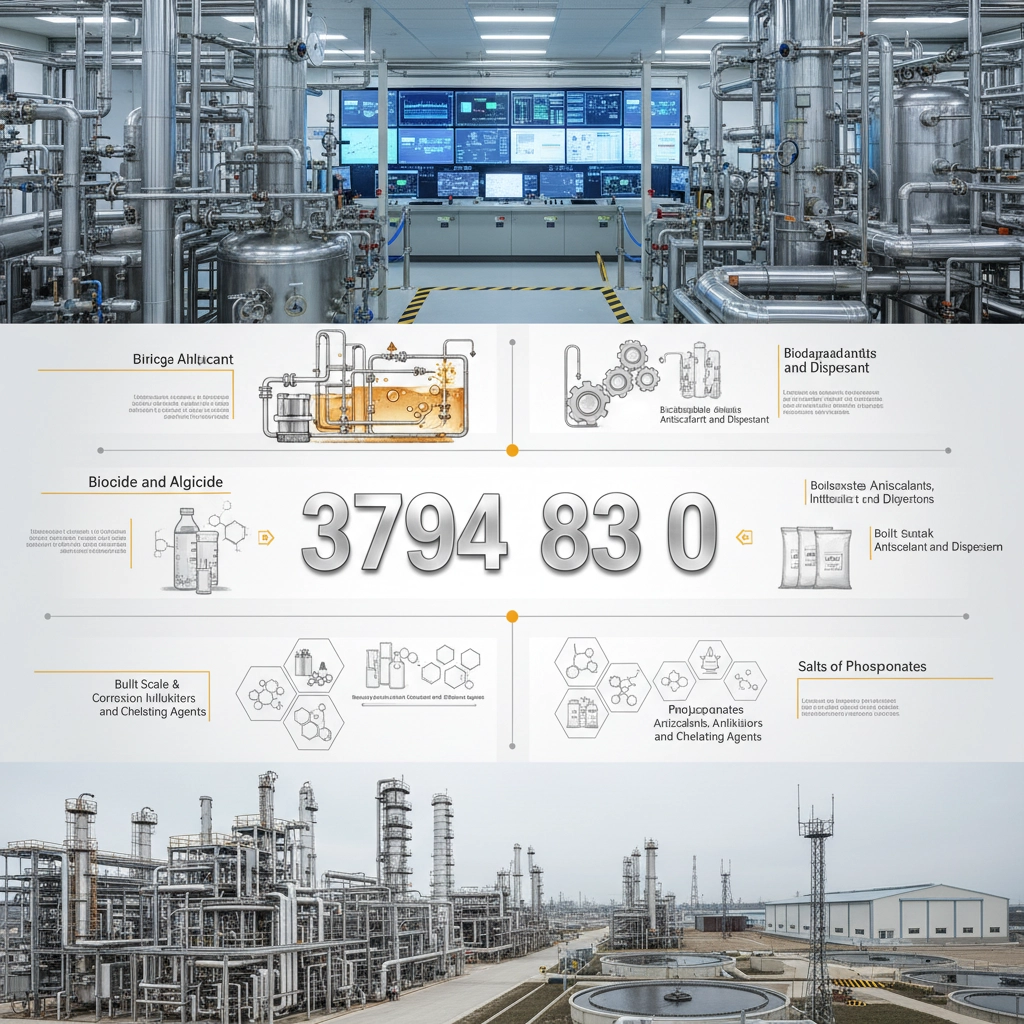
Finally, the synergistic compatibility of 3794 83 0 with other biocides and dispersants ensures a holistic treatment approach. When combined with polycarboxylic antiscalants, it creates a robust defensive layer that protects metal surfaces from oxidative stress and mineral deposits.
Global Applications and Use Cases
In real-world contexts, 3794 83 0 is widely utilized in the oil and gas industry, particularly during the stimulation of wells in remote industrial zones. By preventing scale deposition in production tubing, it ensures that flow rates remain constant and the need for costly mechanical clean-outs is reduced.
Furthermore, in the pharmaceutical and food processing sectors, the purity of 3794 83 0 ensures that cooling systems remain sterile and efficient without introducing contaminants into the production line. Organizations across Europe and Asia have adopted this compound to meet stringent health and safety regulations.
Performance Comparison of 3794 83 0 Delivery Methods
Tangible Advantages and Long-Term Value
The adoption of 3794 83 0 offers immediate tangible benefits, most notably the reduction in energy expenditure. When heat exchangers are free of scale, they require less power to achieve the same thermal output, directly translating to lower utility bills and a reduced environmental footprint.
Beyond the numbers, there is a profound psychological value in the reliability that 3794 83 0 provides. Plant engineers can operate with the trust that their infrastructure is protected against sudden failures, fostering a culture of innovation where they can focus on optimization rather than emergency repairs.
Future Trends and Green Innovations
Looking ahead, the evolution of 3794 83 0 is moving toward "Green Chemistry." Researchers are developing biodegradable derivatives that maintain high efficiency while breaking down more rapidly in the environment, reducing the impact on aquatic ecosystems.
Digital transformation is also playing a role. The integration of IoT sensors allows for the real-time dosing of 3794 83 0, ensuring that exactly the right amount is used based on live water chemistry data. This automation prevents over-treatment and optimizes chemical waste.
Furthermore, we are seeing a shift toward synergistic blends where 3794 83 0 is combined with nanostructured catalysts. This approach aims to create a "smart" protective film that can self-heal when damaged, extending the lifespan of industrial assets by decades.
Overcoming Challenges in Implementation
Despite its benefits, the implementation of 3794 83 0 can face challenges, such as incompatibility with legacy piping materials. In some older plants, the chemical interaction between the agent and ancient alloys can lead to unforeseen reactions if not managed by a professional.
Another common hurdle is the lack of precise monitoring. Without proper testing kits, operators may either under-dose, leading to scale, or over-dose, which is economically inefficient. The solution lies in the adoption of automated titration systems and regular laboratory audits.
To overcome these limitations, experts recommend a phased transition. By starting with a pilot loop and gradually scaling up the application of 3794 83 0, companies can calibrate the dosage to their specific water chemistry, ensuring a seamless and cost-effective integration.
Comparative Analysis of 3794 83 0 Performance Metrics
| Evaluation Dimension |
Standard Application |
Optimized 3794 83 0 |
Efficiency Score |
| Scale Inhibition |
Moderate |
Superior |
9.5 |
| Thermal Stability |
Low to Mid |
High |
8.8 |
| Biodegradability |
Poor |
Enhanced |
7.2 |
| Cost per Cycle |
High (due to waste) |
Optimized |
8.0 |
| Corrosion Control |
Basic |
Comprehensive |
9.0 |
| System Lifespan |
Standard |
Extended |
9.2 |
FAQS
Unlike traditional agents that merely react with minerals, 3794 83 0 utilizes advanced molecular sequestration. It prevents the nucleus of the scale crystal from forming in the first place, providing a proactive rather than reactive defense that works at much lower concentrations.
Depending on the water turnover rate and the severity of the mineral content, the effects of 3794 83 0 can last from several weeks to several months. Regular monitoring of the residual concentration is recommended to determine the exact re-dosing interval for your specific system.
Yes, 3794 83 0 is specifically designed to be synergistic with polycarboxylic antiscalants. While the polycarboxylates keep particles dispersed, the 3794 83 0 prevents the initial precipitation, creating a dual-layer of protection for the system.
While 3794 83 0 is used in the pretreatment stages of desalination and water purification, it must be used in accordance with local health regulations (such as NSF or FDA standards). Always verify the specific grade of the product for food-contact or potable water applications.
To maintain the chemical integrity of 3794 83 0, it should be stored in a cool, dry place away from direct sunlight and strong oxidizing agents. Using HDPE containers is recommended to prevent any leaching or reaction with the storage vessel.
Dosage for 3794 83 0 depends on the Langelier Saturation Index (LSI) of your water. We recommend performing a water analysis to determine calcium hardness and alkalinity, then applying the manufacturer's dosage chart or consulting with a technical engineer for a custom prescription.
Conclusion
In summary, 3794 83 0 represents a critical intersection of chemical engineering and industrial sustainability. By effectively mitigating the risks of scale and corrosion, it not only protects expensive hardware but also optimizes energy consumption and reduces the operational costs of global infrastructure. From oilfields to pharmaceutical plants, its versatility and performance make it a cornerstone of modern water treatment.
As we move toward an era of greener industry, the continued refinement of 3794 83 0 will be essential in balancing high-performance output with environmental stewardship. We encourage plant managers to transition toward these optimized chemical solutions to ensure long-term resilience and efficiency. For more technical specifications and ordering information, visit our website: www.lkpbtc.com