



Understanding Benzalkonium Chloride Function and Its Broad Spectrum Applications
Benzalkonium Chloride Function: A Comprehensive Guide
Benzalkonium chloride (BKC) is a versatile quaternary ammonium compound widely used as an active ingredient in a diverse range of products, from disinfectants and antiseptics to personal care items and industrial applications. Understanding its function and properties is crucial for effective and safe utilization. This article delves into the detailed functions of benzalkonium chloride, its applications, safety considerations, and current market trends, providing a comprehensive overview for businesses and consumers alike. Choosing the right grade and concentration of BKC is critical for ensuring optimal performance in your specific application.

The Core Function of Benzalkonium Chloride
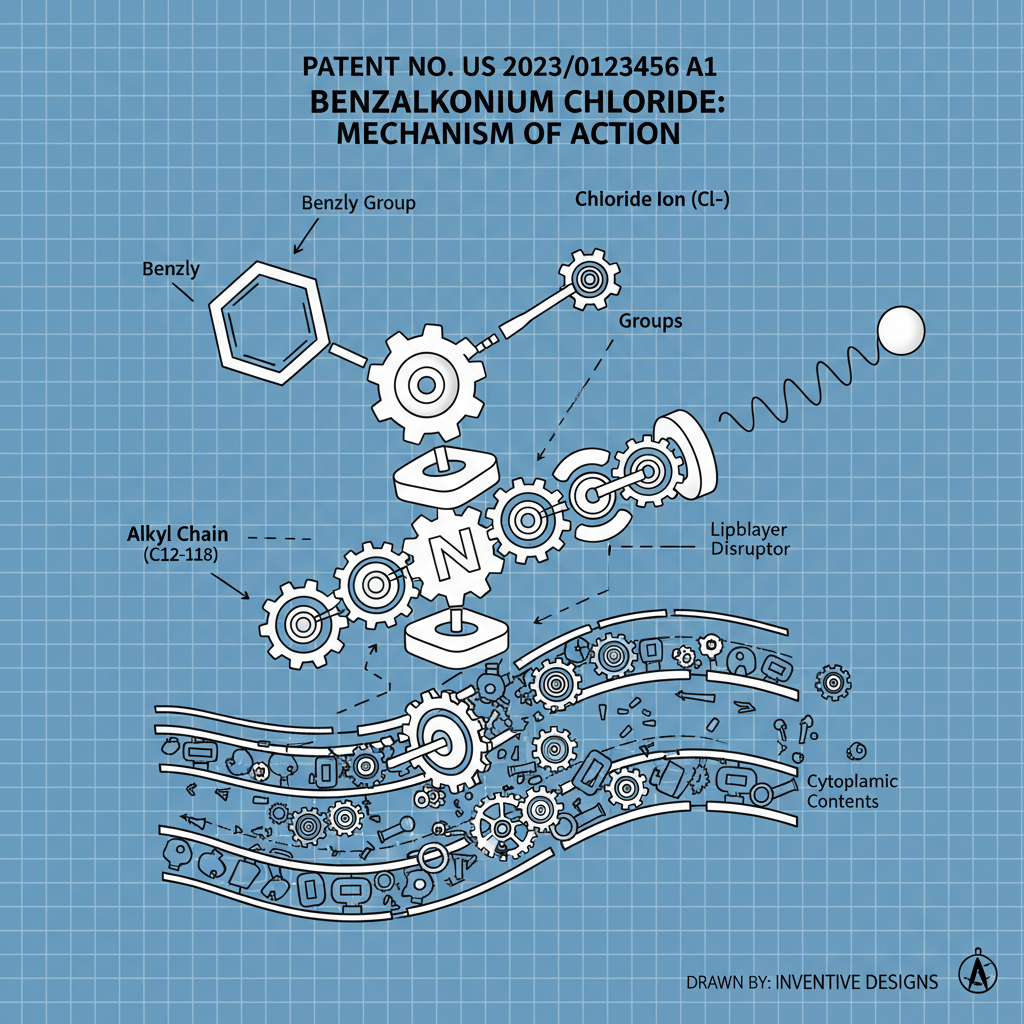
At its core, benzalkonium chloride functions as a cationic surfactant. This means it has a positively charged hydrophilic (water-loving) head and a hydrophobic (water-repelling) tail. This unique structure is the basis for its antimicrobial properties. The positive charge allows BKC to interact with the negatively charged cell membranes of bacteria, viruses, and fungi, disrupting their integrity and leading to cell death. This disruptive action, combined with its surfactant properties, makes it an effective disinfectant, antiseptic, and preservative. Furthermore, its relatively low toxicity compared to some other biocides contributes to its widespread use in various consumer products. The LKPTBTC provides high-quality Benzalkonium Chloride for a diverse range of applications.
Key Highlights: Benzalkonium chloride disrupts cell membranes leading to cell death. Its surfactant properties aid in cleaning and disinfection. Relatively low toxicity enhances its usability in diverse products.
Benzalkonium Chloride: Disinfectant and Antiseptic Properties
BKC is renowned for its potent disinfectant and antiseptic capabilities. It effectively eliminates a broad spectrum of microorganisms, including Gram-positive and Gram-negative bacteria, fungi, and enveloped viruses. This makes it a crucial component in hospital-grade disinfectants, hand sanitizers, and surface cleaners. Its ability to reduce microbial load is essential in preventing the spread of infections, especially in healthcare settings and food processing industries. The concentration of BKC used directly impacts its effectiveness, with higher concentrations generally providing faster and more complete disinfection. However, careful consideration must be given to safety and regulatory guidelines when determining appropriate concentrations.
Disinfectant and Antiseptic Benefits:
• Broad spectrum antimicrobial activity.
• Effective against bacteria, fungi, and enveloped viruses.
• Essential for infection control.
• Used in healthcare, food processing, and household cleaning.
Benzalkonium Chloride Concentrations and Applications
The effectiveness of benzalkonium chloride is directly related to its concentration. Different applications require different concentrations to achieve optimal results. Here’s a breakdown of common concentrations and their typical uses:
Beyond Disinfection: Other Functions of Benzalkonium Chloride
While primarily known for its antimicrobial properties, benzalkonium chloride has additional functions. It acts as a cationic surfactant, reducing surface tension and improving wetting and emulsification. This makes it useful in cleaning formulations, enhancing their ability to penetrate and remove dirt and grime. It is also used as a preservative in various products, preventing microbial spoilage and extending their shelf life. In some pharmaceutical applications, it's used as a mucosal irritant, although this use is less common due to potential side effects. LKPTBTC supplies high-purity BKC suitable for a multitude of applications.
Safety Considerations and Regulatory Compliance
While generally considered safe at recommended concentrations, benzalkonium chloride can cause skin and eye irritation. Direct contact should be avoided, and appropriate personal protective equipment (PPE) should be used when handling concentrated solutions. Regulatory bodies like the EPA and FDA have established guidelines for the safe use and labeling of products containing BKC. Compliance with these regulations is essential for ensuring product safety and market access. It's crucial to consult the Safety Data Sheet (SDS) for specific handling and safety information. LKPTBTC ensures all its BKC products meet stringent quality control standards and comply with relevant regulations.
Conclusion: A Powerful Biocide with Diverse Applications
Benzalkonium chloride remains a highly effective and versatile biocidal agent with a wide range of applications. Its unique properties and relatively low toxicity make it a valuable component in countless products. By understanding its functions, safety considerations, and regulatory requirements, businesses and consumers can leverage its benefits effectively and responsibly. Choosing a reliable supplier like LKPTBTC guarantees quality and compliance.
Frequently Asked Questions (FAQs)
What is the difference between Benzalkonium Chloride and other Quaternary Ammonium Compounds?
Benzalkonium chloride (BKC) is a specific type of quaternary ammonium compound (QAC). Other QACs, like Cetrimonium Chloride and Cetylpyridinium Chloride, have different chemical structures and varying antimicrobial spectra and levels of toxicity. BKC is favored for its balance of effectiveness, relatively low toxicity, and broad compatibility with other ingredients. It's generally more effective against Gram-positive bacteria compared to some other QACs, but its overall antimicrobial activity makes it suitable for a wide range of applications. The specific choice of QAC depends on the intended use and desired properties.
Can Benzalkonium Chloride be used in food processing?
Yes, Benzalkonium Chloride is approved for use in certain food processing applications as a sanitizer, but strict regulations govern its use. It is typically used to sanitize surfaces and equipment that come into contact with food, not as a direct food additive. Concentrations must adhere to FDA guidelines to ensure food safety. Thorough rinsing is often required after sanitization. Compliance with food safety regulations is paramount, and detailed documentation of its use is essential.
What are the environmental considerations when using Benzalkonium Chloride?
Benzalkonium Chloride is biodegradable, but its breakdown products can still pose environmental concerns, particularly to aquatic life. Releases into waterways should be minimized. Wastewater treatment plants can effectively reduce its concentration, but complete removal isn’t always guaranteed. Responsible disposal practices and adherence to environmental regulations are crucial. Choosing formulations with optimized biodegradability and minimizing usage are also important steps towards environmental sustainability.
Is Benzalkonium Chloride effective against all viruses?
Benzalkonium Chloride is effective against enveloped viruses, such as influenza and coronaviruses. However, it is less effective against non-enveloped viruses, which have a more robust outer coating. Its efficacy against specific viruses depends on factors like concentration, contact time, and viral load. It's important to note that BKC is primarily a disinfectant and should be used in conjunction with other preventive measures, such as proper hygiene practices, to minimize the risk of viral transmission.
-
Comprehensive Analysis on Why Aluminum Chlorohydrate Safe for UseNewsApr.16,2026
-
Industrial Applications and Guide to Chloride of AluminiumNewsApr.09,2026
-
Exploring Aluminium Chloride Properties Applications and Sourcing InformationNewsApr.07,2026
-
Comprehensive Guide to Chloride Aluminium Properties Applications and SourcingNewsApr.04,2026
-
Understanding Aluminium Chloride Properties Applications and Sourcing DetailsNewsMar.31,2026
-
Understanding Aluminium Chloride Properties Applications and SourcingNewsMar.28,2026