


1-Hydroxy Ethylidene-1,1-Diphosphonic Acid (HEDP) - Hebei Longke Water Treatment Co., Ltd. | Scale and Corrosion Inhibitor Water Treatment Chemicals
Introduction
 1-Hydroxy Ethylidene-1,1-Diphosphonic Acid (HEDP) is a versatile organophosphonic acid compound widely recognized for its exceptional performance as a scale and corrosion inhibitor. With the chemical formula C2H8O7P2 and a molecular weight of 206.02, HEDP is a critical component in water treatment systems across various industries. This article provides an in-depth analysis of HEDP's properties, technical specifications, applications, and the company behind its production, Hebei Longke Water Treatment Co., Ltd..
Chemical Properties and Mechanism of Action
HEDP is a corrosion scale inhibitor that exhibits remarkable chelating properties. It forms stable complexes with metal ions such as Fe, Cu, and Zn, effectively dissolving oxidized materials on metal surfaces. This chelation mechanism prevents the formation of scale and corrosion, making HEDP a preferred choice for industrial water treatment systems.
One of HEDP's standout features is its stability under high-temperature conditions. It maintains its efficacy up to 250°C, making it suitable for demanding environments such as low-pressure boilers and circulating cooling systems. Additionally, HEDP demonstrates superior resistance to hydrolysis and decomposition under normal light and heat conditions, outperforming other organophosphoric acids in terms of acid/alkali and chlorine oxidation tolerance.
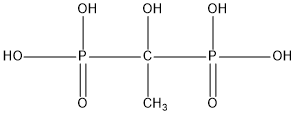 Structural Formula: The molecular structure of HEDP allows it to form hexa-element chelating complexes with calcium ions, enhancing its antiscale and threshold effects. When combined with other water treatment chemicals, HEDP exhibits synergistic effects, optimizing performance in complex systems.
Technical Specifications
The technical specifications of HEDP are designed to meet rigorous industrial standards. Below is a detailed table outlining key parameters:
| Items | Index (Liquid) | Index (Solid) |
|---|---|---|
| Appearance | Clear, Colorless to pale yellow aqueous solution | White crystal powder |
| Active content (HEDP), % | 58-62 | 90.0 min |
| Active content (HEDP·H2O), % | - | 98.0 min |
| Phosphorous acid (as PO33-), % | 2.0 max | 0.8 max |
| Phosphoric acid (as PO43-), % | 0.8 max | 0.5 max |
| Chloride (as Cl-), % | 0.02 max | 0.01 max |
| pH (1% water solution) | 2.0 max | 2.0 max |
| Density (20℃), g/cm3 | 1.40 min | - |
| Fe, mg/L | 20.0 max | 10.0 max |
| Color APHA (Hazen) | 40.0 max | - |
| Ca Sequestration (mg CaCO3/g) | 500.0 min | - |
Applications in Industrial and Commercial Sectors
HEDP's versatility makes it indispensable in numerous industries. Key applications include:
- Cooling Towers: HEDP is used as a scale and corrosion inhibitor in circulating cooling systems, ensuring efficient heat transfer and prolonging equipment lifespan.
- Oil Fields: It prevents scale formation in pipelines and equipment, reducing maintenance costs and downtime.
- Boilers: HEDP is employed in low-pressure boilers to inhibit corrosion and scale, enhancing operational efficiency.
- Textile Industry: As a detergent for metal and non-metal surfaces, HEDP ensures clean and durable fabrics.
- Dyeing Industry: It acts as a peroxide stabilizer and dye-fixing agent, improving color retention and fabric quality.
- Electroplating: HEDP serves as a chelating agent in non-cyanide electroplating processes, ensuring uniform coating and reducing environmental impact.
The recommended dosages vary depending on the application: 1-10 mg/L for scale inhibition, 10-50 mg/L for corrosion control, and 1000-2000 mg/L for cleaning. HEDP is typically used in conjunction with polycarboxylic acids to maximize effectiveness.
Packaging and Storage
HEDP is available in both liquid and solid forms, tailored to meet diverse customer requirements:
- Liquid Form: Packaged in 200L plastic drums or IBC (1000L) container111s.
- Solid Form: Supplied in 25kg/bag units.
For optimal storage, HEDP should be kept in a shady, dry place for up to 12 months. Proper handling and storage ensure the product maintains its efficacy and safety profile.
Safety and Environmental Considerations
HEDP is an acidic compound, necessitating caution during handling. Safety measures include:
- Wearing appropriate personal protective equipment (PPE) to avoid contact with eyes and skin.
- Immediate rinsing with plenty of water if contact occurs.
- Ensuring adequate ventilation in work areas to prevent inhalation of fumes.
As a scale and corrosion inhibitor, HEDP is formulated to minimize environmental impact. However, proper disposal methods should be followed to comply with local regulations.
Company Background: Hebei Longke Water Treatment Co., Ltd.
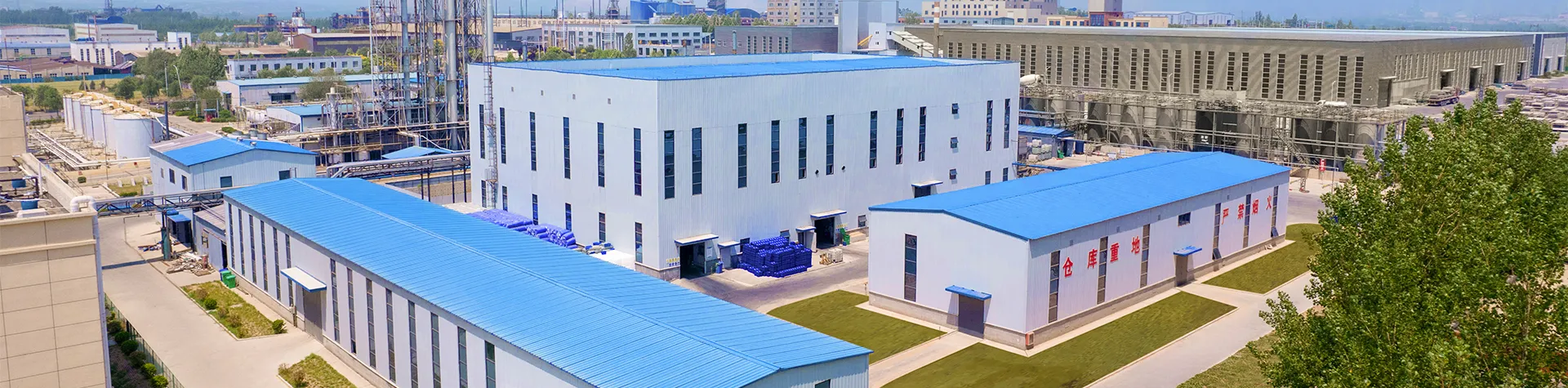
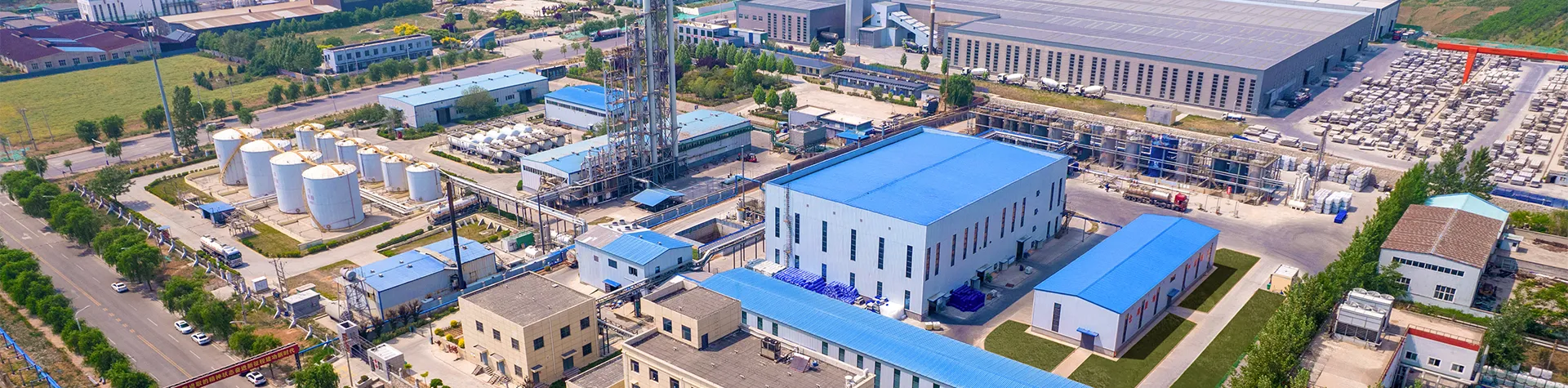
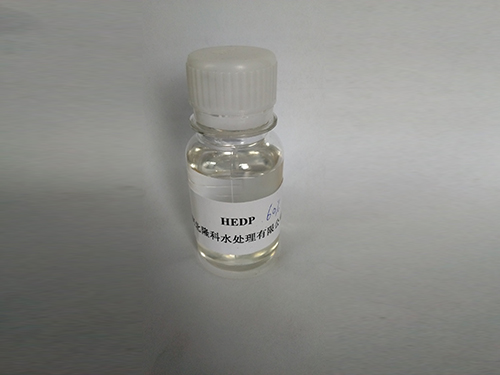 Hebei Longke Water Treatment Co., Ltd. is a leading manufacturer of water treatment chemicals, specializing in the production of scale and corrosion inhibitors like HEDP. With a commitment to innovation and quality, the company provides solutions for industries ranging from power generation to textile manufacturing.
Hebei Longke's expertise in water treatment chemicals is supported by rigorous testing and adherence to international standards. The company's products are trusted by clients worldwide for their reliability and performance.
References and Authoritativeness
The technical specifications and applications of HEDP align with the standards set by authoritative bodies such as the National Institute of Standards and Technology (NIST). NIST's role in developing precise measurement standards ensures that products like HEDP meet the highest levels of quality and performance. For more information on NIST's contributions to industrial standards, visit their official website.
Reference: https://www.nist.gov
-
Comprehensive Analysis on Why Aluminum Chlorohydrate Safe for UseNewsApr.16,2026
-
Industrial Applications and Guide to Chloride of AluminiumNewsApr.09,2026
-
Exploring Aluminium Chloride Properties Applications and Sourcing InformationNewsApr.07,2026
-
Comprehensive Guide to Chloride Aluminium Properties Applications and SourcingNewsApr.04,2026
-
Understanding Aluminium Chloride Properties Applications and Sourcing DetailsNewsMar.31,2026
-
Understanding Aluminium Chloride Properties Applications and SourcingNewsMar.28,2026